
Developing a network for photomonitoring mammals in the Caucasus: results of the IEE RAS expedition in the Chechen Republic
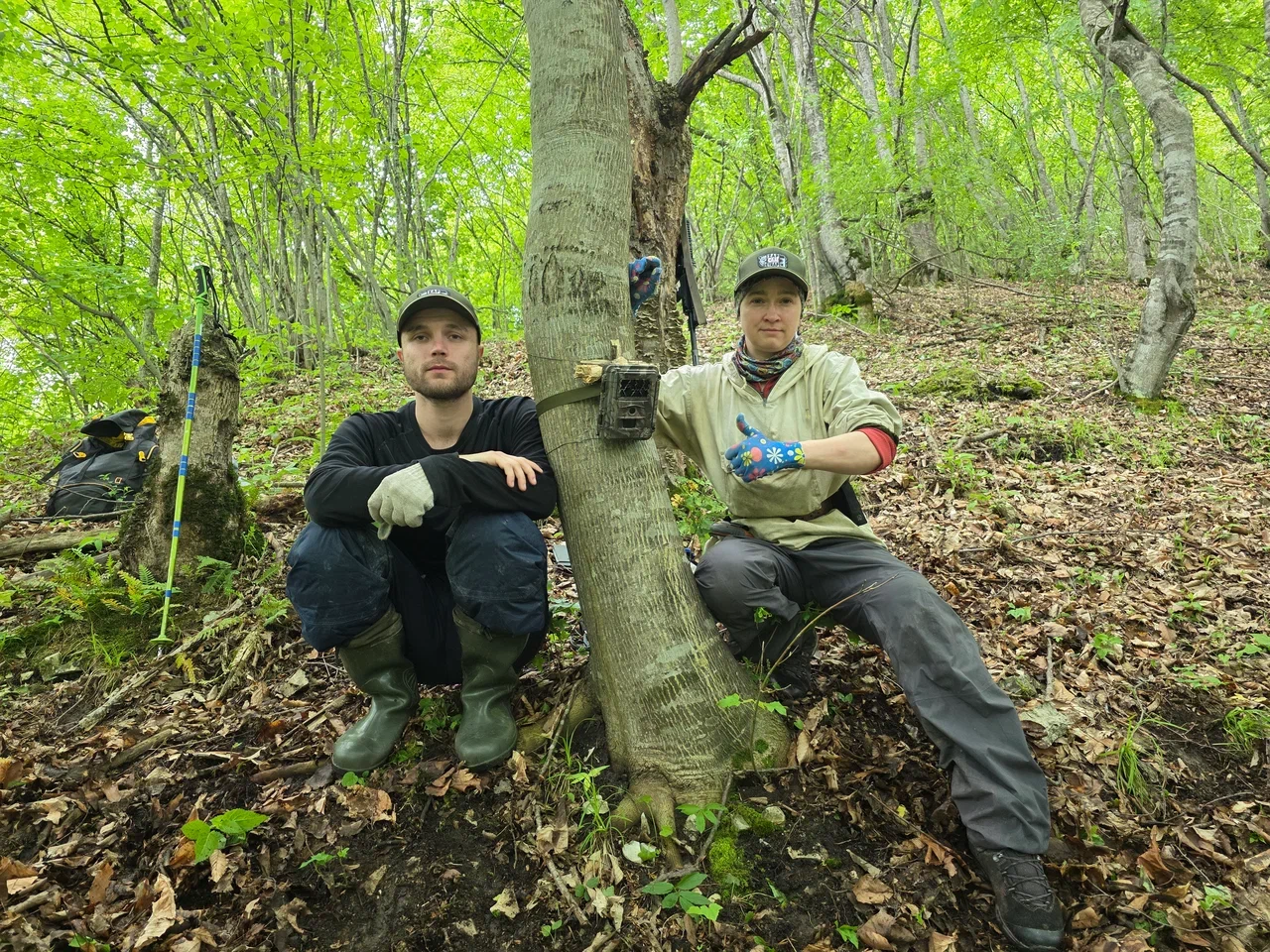
In early June 2026, the IEE RAS expedition to install a photomonitoring system for large and medium-sized mammals in the Chechen Republic concluded. The work, conducted in the former Sovetsky Federal Nature Reserve* (Shatoi District), was part of the "Formation of a National Photomonitoring Network" program and the next critical stage in the implementation of the Persian Leopard Recovery Program in the Russian Caucasus**.
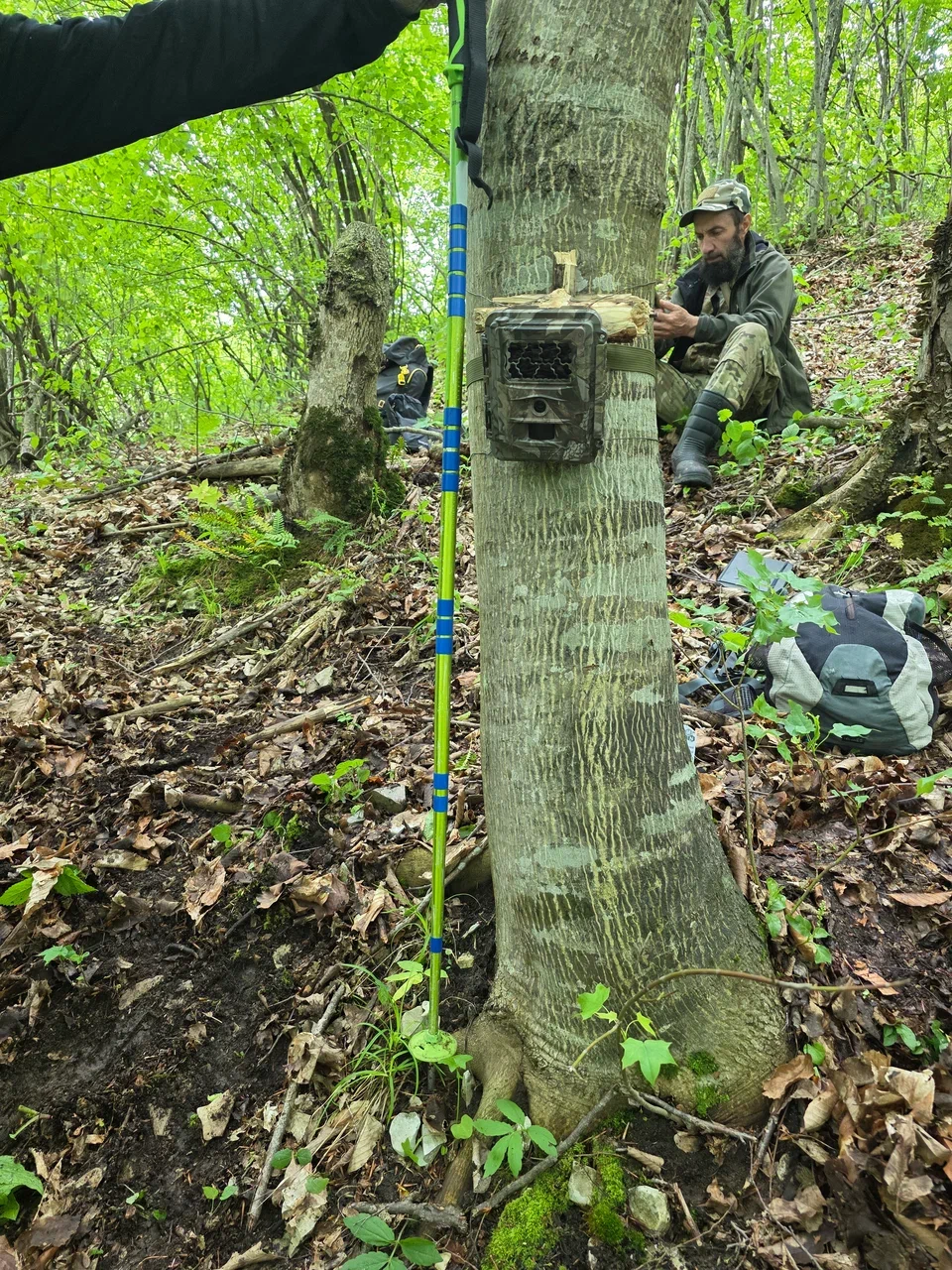
Over the course of three weeks, a team of biologists deployed 50 cameras using a specially developed methodology, detailed in the CAMMON (Main Module) Photo Monitoring Program, published in 2025 by the Central Forest Reserve. The photo monitoring network design was "uniformly random," meaning the study area was uniformly covered with a 2-square-kilometer grid (without empty cells), and the location of the cameras within the cells was determined randomly by a computer. Each cell in the network contained one camera trap. This method is the most advanced, allowing for the maximum amount of high-quality and reliable information to be obtained on the status of mammal populations, including those listed in the Red Data Book.
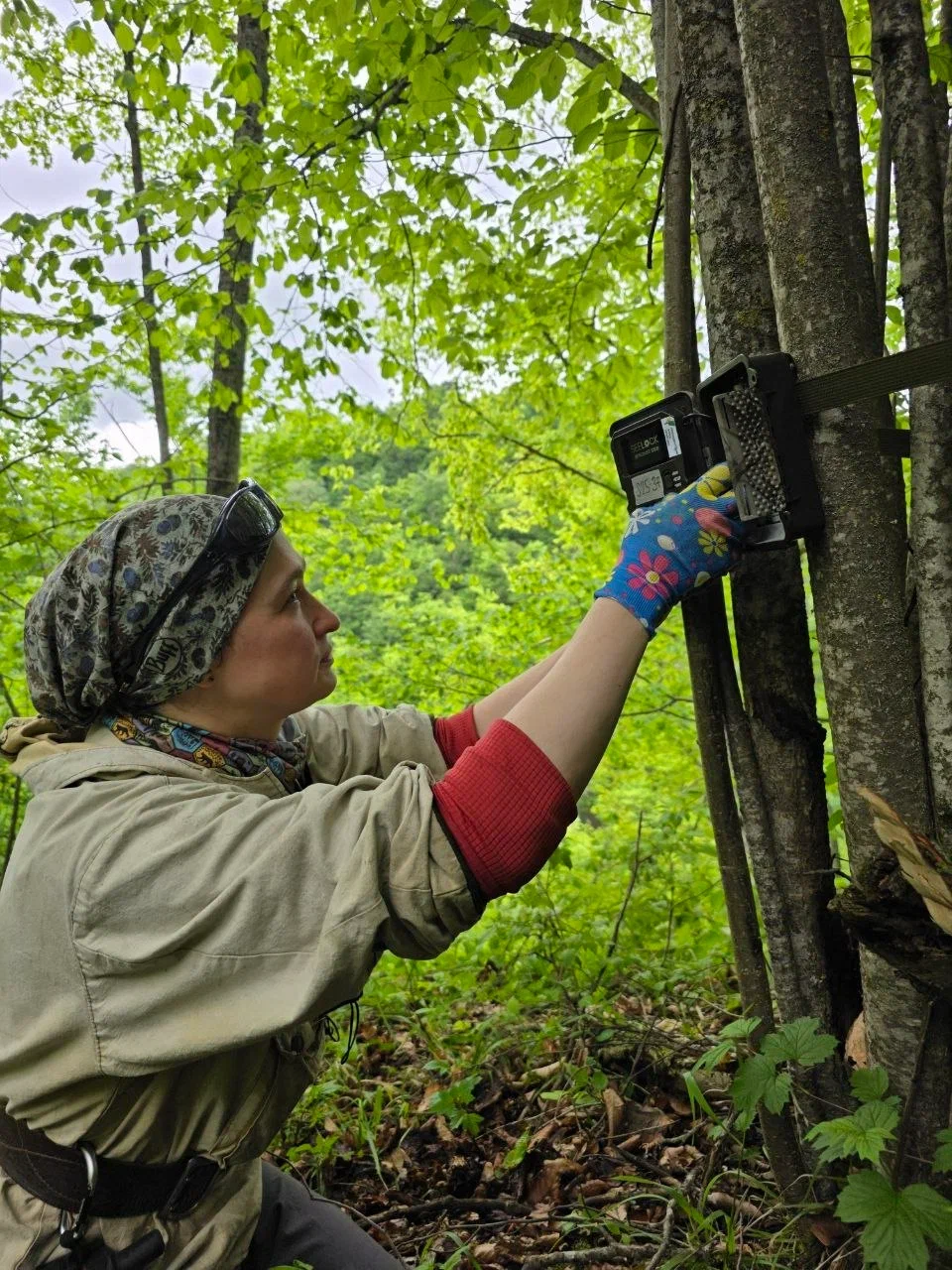
However, creating such a matrix on the ground is no easy task. Finding each random point in this authentic mountainous terrain presented a serious challenge for the field team, especially in the abundant rain that accompanied the work. A well-coordinated team of zoologists and botanists from the Institute of Ecology and Evolution of the Russian Academy of Sciences, with the assistance of local game guides***, successfully deployed all the cameras and launched the Photo Monitoring Network.
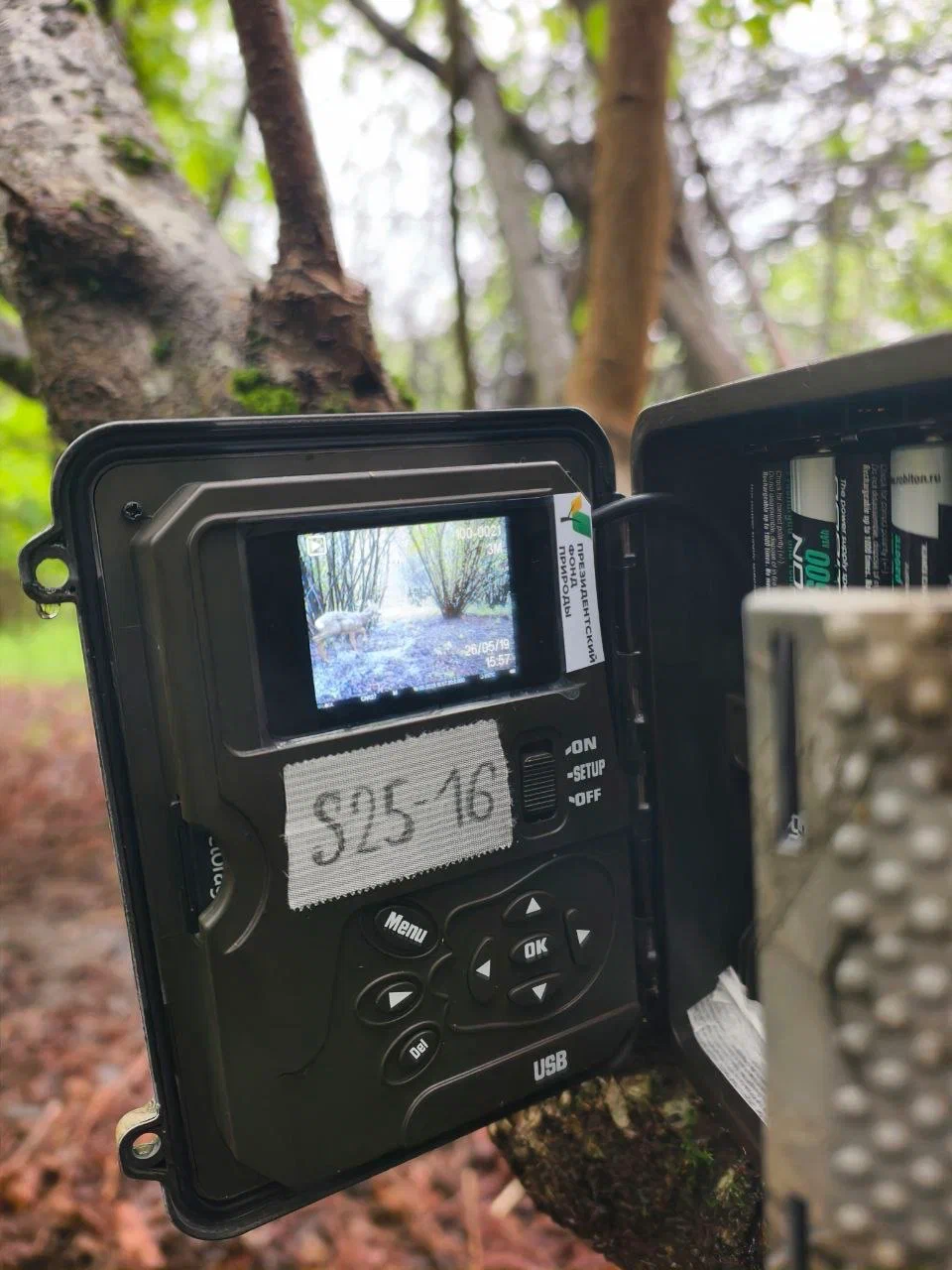
40 of the 50 camera traps**** installed were received from the Central Forest Reserve thanks to the participation of IEE RAS in the "Formation of a National Photo Monitoring Network" project, developed by the reserve and supported by the Presidential Fund for Nature. The Central Forest Reserve project unites seven specially protected natural areas in Russia – from the forest-tundra of the Far North to the Caucasus Mountains. Its main goal is to create a unified system for monitoring biodiversity using camera traps with a common methodology.
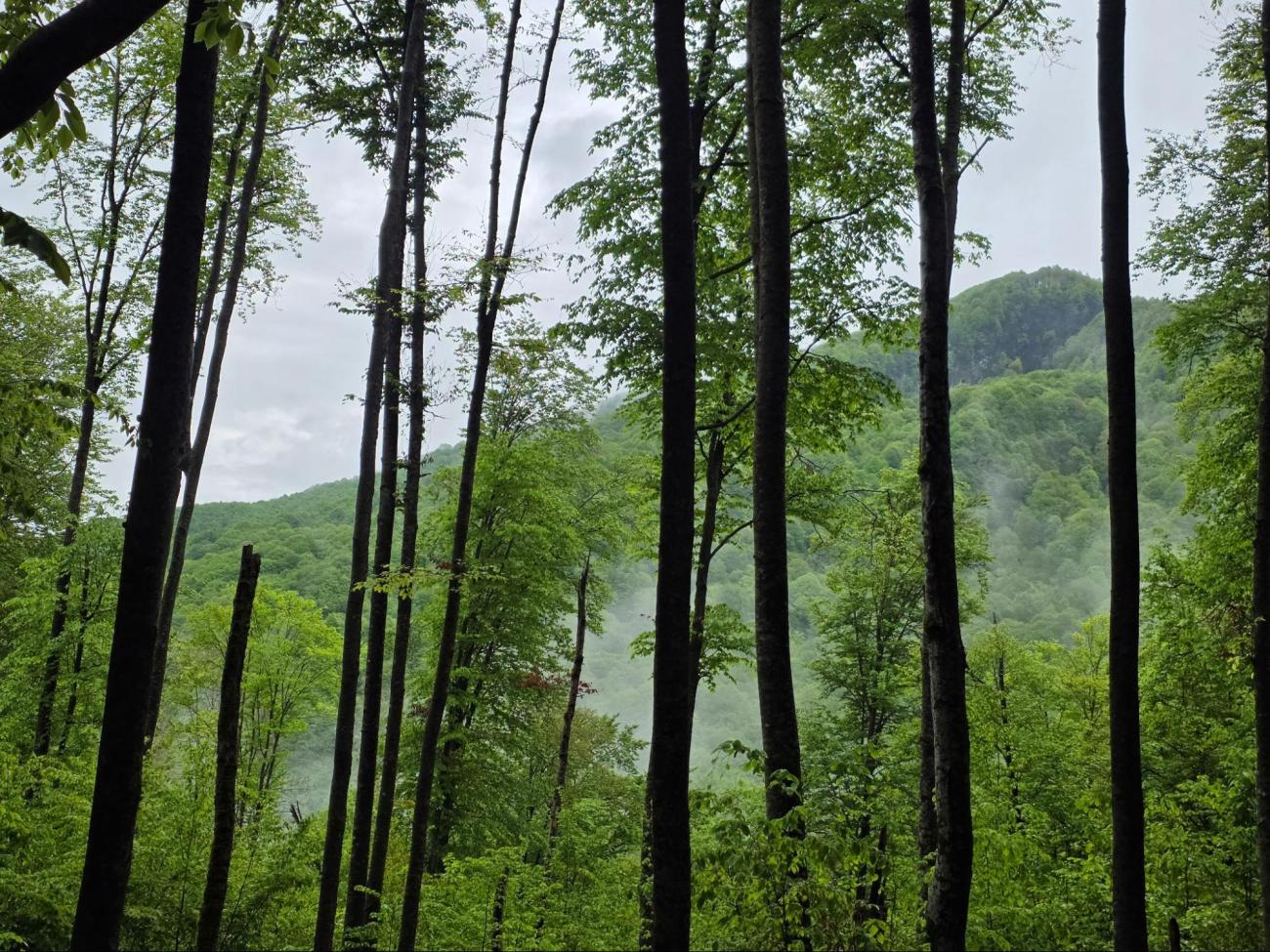
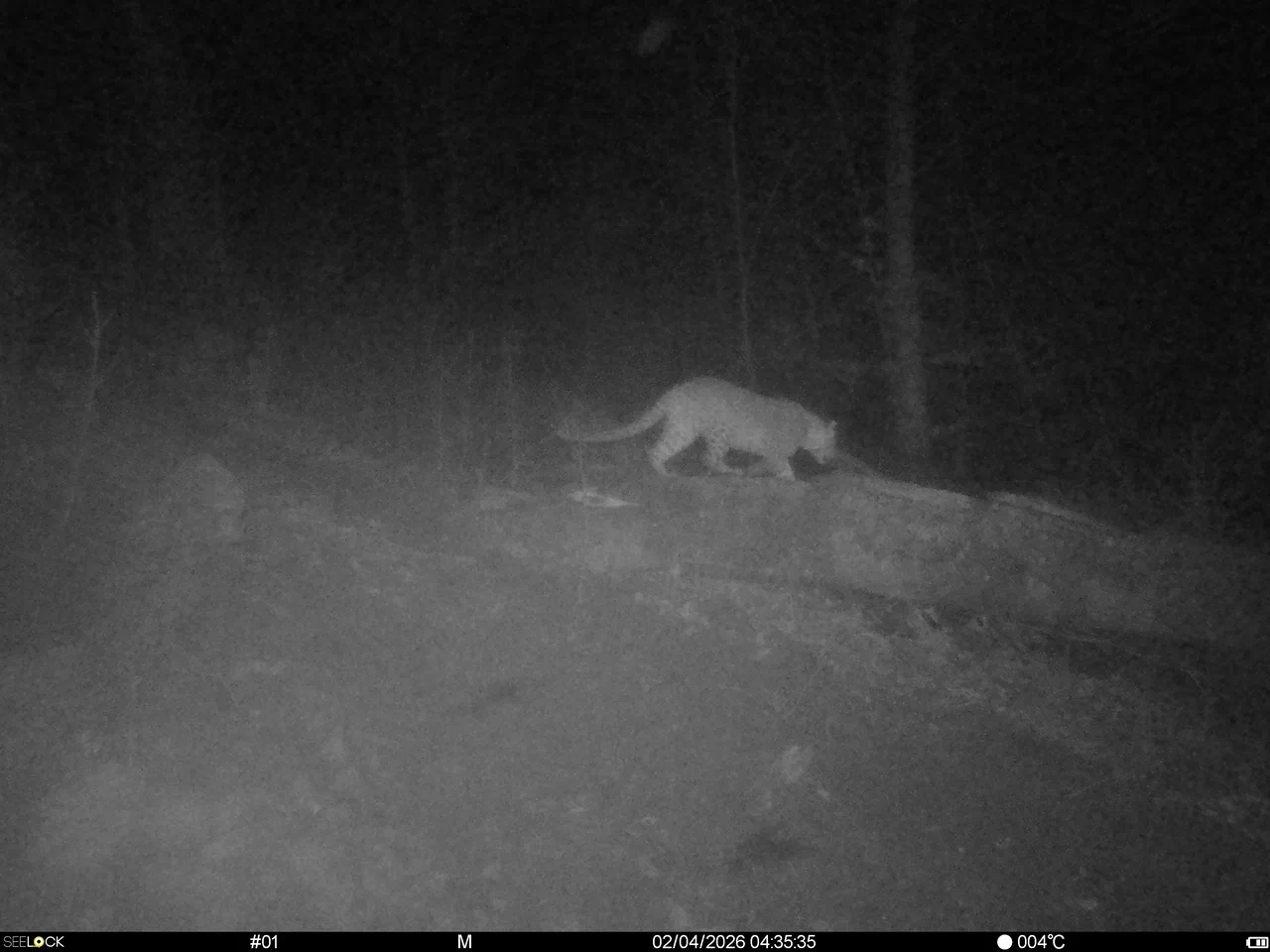
The work currently being carried out in the Caucasus is critically important for the leopard restoration project: it allows scientists to year after year improve the quality of systematic monitoring of the fauna of those mammal species most closely related to the Persian leopard - the natural coordinator of ecological chains. Without understanding the current state of the Caucasus's natural systems and their dynamics, it is impossible to properly conduct restoration work on this subspecies, which was exterminated in the Caucasus by humans in the mid-20th century. IEE RAS initiated a program to restore this subspecies in the Caucasus back in 2005. The project itself is extremely complex, labor-intensive, and multifaceted. One of its most important aspects is non-invasive monitoring of natural processes, particularly of such a dynamic component of natural systems as mammals. At a time when reintroduced leopards are already potentially capable of producing offspring, such work is especially significant. Furthermore, the system being created will help monitor released animals whose collars have stopped working and came off, as well as their wild relatives coming from the Transcaucasus. Of all the regions of the Caucasus, the Chechen Republic has received the least attention over the past 30 years, so we are now working particularly closely with it. In 2024, the first cluster of the Photo Monitoring Network under the CAMMON-CHECHNYA Program was installed here, comprising 20 locations. The current expedition modified this network, installing all 50 cameras using a different principle, following the most modern methods. However, work continues in both the Republic of North Ossetia-Alania and Kabardino-Balkaria. For example, in April 2026, members of the scientific team of the Persian leopard restoration program in the Caucasus from the A.K. Tembotov Institute of Ecology and Geography of the Russian Academy of Sciences (IEGT RAS) installed a camera trap that captured a female named Khosta, released in 2022 in Ossetia. Khosta not only survived but is now successfully hunting wild ungulates, choosing optimal habitats. Her behavior is completely consistent with that of her wild relatives, which gives hope for the restoration of a sustainable population of the Persian leopard in the Caucasus.
Colleagues from the Berkut State Budgetary Institution of the Ministry of Natural Resources of the Republic of North Ossetia-Alania, also supported by the Presidential Fund for Nature and working with scientific support from the Institute of Ecology and Evolution of the Russian Academy of Sciences, the Institute of Ecology and Geophysics of the Russian Academy of Sciences, and the Scientific Department of Protected Ossetia-Alania, are implementing the project "Guardian of the Mountains and Master of the Forests – the Caucasian Leopard and Bison." Its goal is to introduce photo monitoring methods and engage the population in public monitoring of Ossetian wildlife. New camera traps are also being installed in the Turmonsky Zoological Reserve, a key natural area of broadleaf forests where bison and leopard releases have previously been conducted.
The development of a photo monitoring network is the next necessary and truly crucial step in the Persian leopard recovery program. Currently, there is a severe shortage of such devices in the Caucasus. Specialists are striving to create a system similar to the one already in operation in Land of the Leopard National Park in the Russian Far East. Thanks to the coordinated work of scientists from various organizations and the support of the Presidential Fund for Nature, a solid foundation is being laid for long-term systematic monitoring of rare species in the Caucasus. In the future, this will allow us not only to track the fate of released leopards but also to understand how mountain ecosystems respond to climate change, tourism pressure, and human activity. This will enable us to make informed decisions to preserve the unique natural environment of the Caucasus for future generations.
*The research team hopes that the ongoing research will draw attention to the status of this territory, its crucial ecosystem role in the well-being of the Caucasus nature (as an ecological corridor for a number of species), and that our work will contribute to the restoration of the federal protected area status for this territory. The Sovetsky Nature Reserve in Chechnya lost its federal status on May 30, 2017. On that day, Russian Government Decree No. 1128-r "On the transformation of the Sovetsky State Nature Reserve of Federal Significance, located in the Chechen Republic, into the Sovetsky State Nature Reserve of Regional Significance" was issued. This decision was made at the suggestion of the Russian Ministry of Natural Resources and Environment, which was agreed upon with the Government of the Chechen Republic. Following the transformation, the reserve came under the jurisdiction of regional authorities and lost a key part of its territory in the broadleaf forest belt. Historically, the state nature reserve of federal subordination "Sovetsky" (former Chechen-Ingush) in the Shatoi district of the Chechen Republic, on the northern macroslope of the Greater Caucasus was created on June 11, 1986 by Order of the Main Hunting Directorate of the RSFSR No. 234 (approved by Order of the Ministry of Agriculture of the Russian Federation No. 662 of April 21, 2003 "On approval of the provisions on state nature reserves of federal significance", Appendix No. 5), however, from 1993 to 2000 it did not function, and in 2001 its activities were resumed.
**The program for the restoration of the Persian leopard in the Caucasus is being implemented by the Ministry of Natural Resources of the Russian Federation with the participation of the Sochi National Park; scientific support for the program has been provided since 2007 by the A.N. Severtsov Institute of Ecology and Evolution of the Russian Academy of Sciences (IEE RAS). The project's scientific support group also includes specialists from the Caucasus Nature Reserve, the North Ossetian Nature Reserve, and the Alania National Park, which are united in the Federal Protected Area of "Ossetia-Alania Reserves," the Ministry of Natural Resources of North Ossetia-Alania, the A.K. Tembotov Institute of Mountain Ecology of the Russian Academy of Sciences (IEGT RAS), the Dagestan Scientific Center of the Federal Research Center of the Russian Academy of Sciences, the Moscow Zoo, and the Nature and People Foundation.
***The IEE RAS staff would like to express their gratitude to D.D. Arsanukaev for his organizational support and look forward to continuing our collaboration, which is an integral part of the Persian Leopard Recovery Program in the Caucasus.
***In 2024, with the support of the Nature and People Foundation, the first cluster of the Photo Monitoring Network under the CAMMON-CHECHNYA Program was installed in Chechnya, comprising 20 locations. Ten cameras from this network were used for our current work. Some of the cameras that have not failed over the past two years are currently serving as a backup for the active photo monitoring system's cameras in 2026-2027, in case of an unexpected breakdown or theft of one of the cameras.
Related materials: