Key Results of the Laboratory 2023-2024
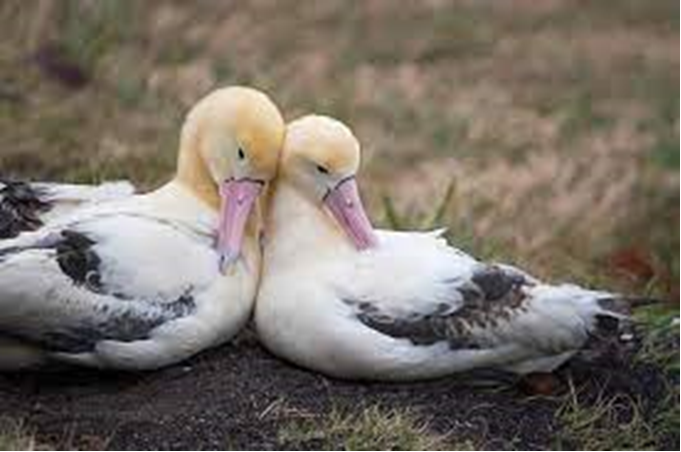
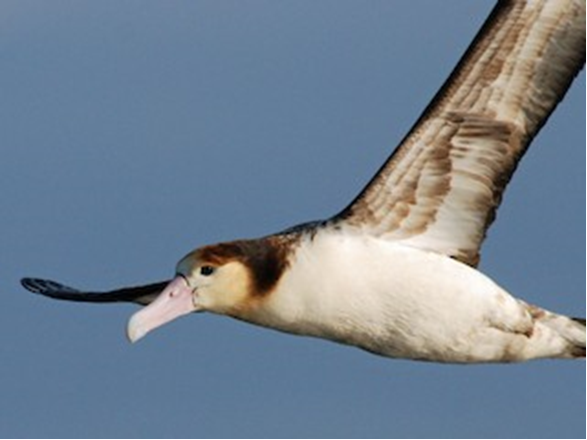
1. The short-tailed albatross (Phoebastria albatrus) is a bird species that is now rare, its numbers having declined significantly during the Holocene due to human hunting activity. Bone remains of albatrosses from archaeological sites in Chukotka, Kamchatka, and the Aleutian Islands, and from coastal deposits of the Commander Islands, were used to analyze the content of stable carbon and nitrogen isotopes in bone collagen. The analysis showed that during the Holocene, differentiation occurred between the isotopic niches of Aleutian and Commander Islands albatrosses. Short-tailed albatrosses from the Aleutian Islands are isotopically closer to Holocene albatrosses from Vancouver Island (Canada), since birds from these regions fed in areas influenced by the Alaska Stream and the Alaska Gyre, which have similar oceanographic parameters. Publication: Krylovich О.А., Самсонов С.В., Кузьмичева Е.А., Савинецкий А.Б. Изотопная изменчивость коллагена костей белоспинных альбатросов (Phoebastria albatrus) в районе Берингова моря в голоцене // Известия Российской академии наук. Серия биологическая. - 2024. - № 3. - С. 416-424. DOI: 10.31857/S1026347024030129
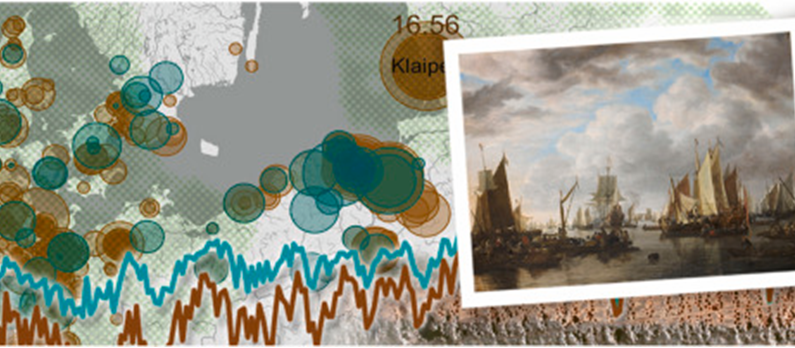
2. Based on the study of wood collected from river deposits, archaeological sites, and historical buildings in northern Belarus, two absolutely dated tree-ring chronologies were constructed — 586-1351 CE and 1410-1647 CE. It was shown that medieval Baltic tree-ring chronologies include wood from the Western Dvina basin. The newly created chronologies can be used to date and determine the provenance of oak timber from European archaeological sites, historical buildings, and natural archives (Yermokhin et al., 2024).

3. Study of two unique archaeological sites in Smolensk Oblast — Demidovka, with layers from the Migration Period, and Cathedral Hill in the city of Smolensk, with 7th-8th century CE layers confirming that Smolensk existed earlier than previously thought — made it possible to assess the level of development of animal husbandry and the role of hunting in the life of the region's ancient inhabitants. Of particular interest is the discovery of the oldest known remains of a cat and a chicken for this region.
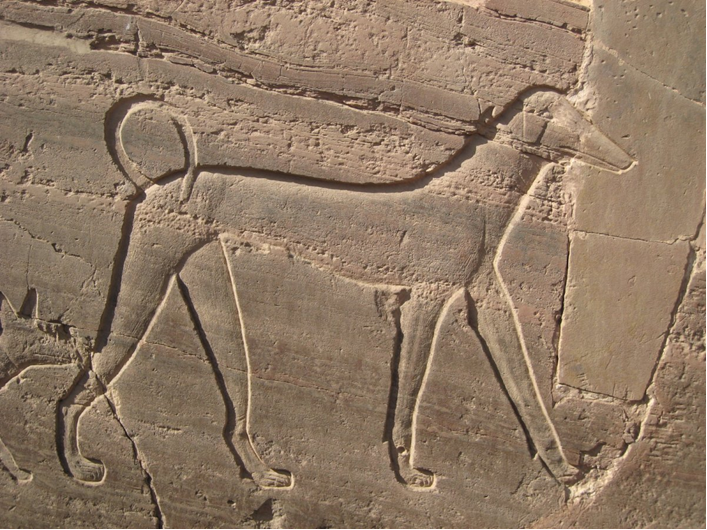
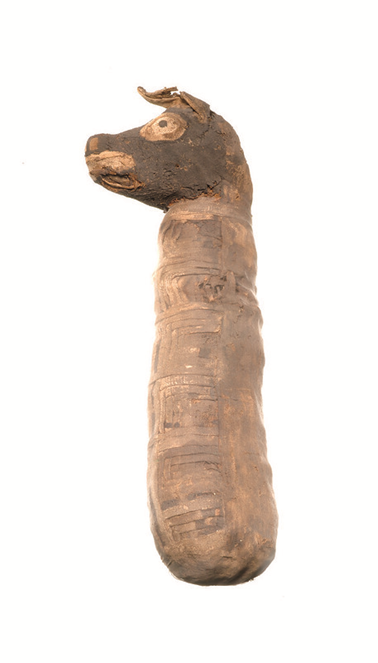
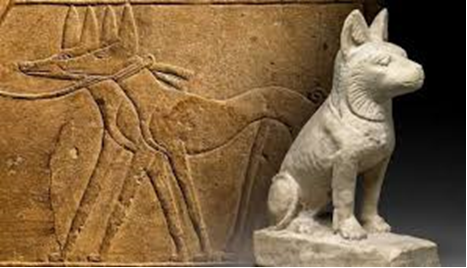
4. A study of a unique 1st-century CE dog burial (N=142) demonstrated for the first time the existence in antiquity of specialized kennels for breeding dogs, most likely for ritual purposes. The dogs belong to a mongrel group, so-called pariah dogs. The average size of the dogs did not differ from that of ancient and modern dogs of Sudan, modern pariah dogs of Egypt, and ancient dogs of Ashkelon (Israel). The overwhelming majority of dogs in the burial were puppies under 3 months of age.