Research Directions
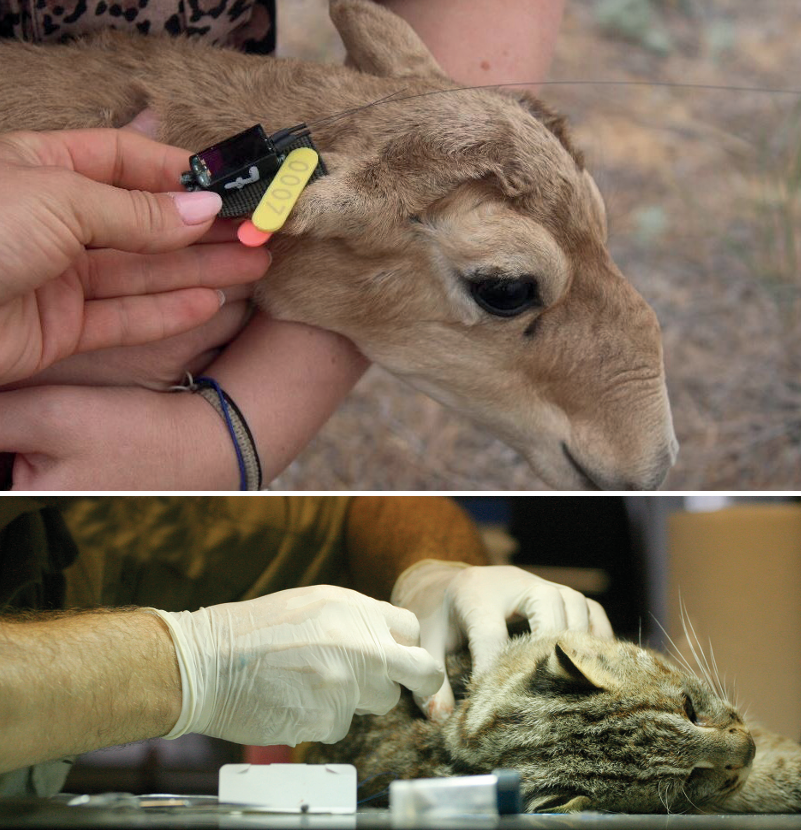
The laboratory's main lines of work: study of the behavior, behavioral ecology, and ecophysiology of mammals.
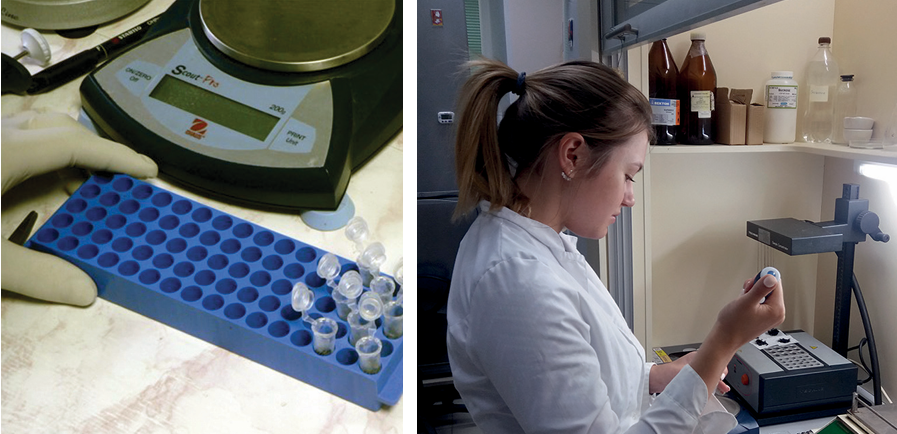
The laboratory investigates:
- problems of reproductive biology and the factors determining mammalian breeding strategies;
- interspecific relationships and their role in behavior;
- chemical and acoustic communication;
- the development of behavior during ontogeny, parent-offspring relationships and their role in the evolution of social relations;
- the spatial structure of populations and features of animal movement, their social behavior and organization;
- predator-prey interactions (using sighthounds as a model);
- the ecophysiology and evolution of mammalian biological rhythms.
The research results are used to develop the scientific basis and technologies for breeding, conserving, and restoring rare mammal species (Amur tiger, Far Eastern and Persian leopards, snow leopard, etc.)