Key Results of the Laboratory 2023-2024
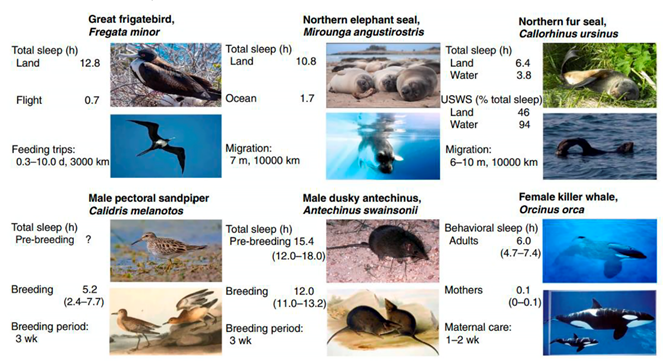
1. Sleep deficit is thought to negatively affect the cognitive functions of animals and humans, especially memory. However, studies showed that 108-hour sleep deprivation in northern fur seals, semi-aquatic carnivorous mammals of the pinniped group, did not impair their working memory, assessed by the percentage of errors in delayed matching-to-sample tasks and reaction time. On the contrary, under deprivation conditions, when total sleep time over 4.5 days amounted to no more than 5% of normal values, the animals continued to learn and master the skills needed to perform the task. These results differ radically from those obtained in studies on humans and laboratory animals and suggest that not only northern fur seals, but also other wild animals, may be resilient to prolonged sleep deficit, especially during migration and reproduction. Consequently, sleep reduction does not always lead to impaired cognitive function. It is widespread among animals in the wild and is adaptive in nature, freeing up more time for active behavior that helps animals accumulate vital resources, improve their overall condition, and increase reproductive success.
Опубликовано: Lyamin O.I., Siegel J.M., 2024. Sleep: Giving it up to get it on // Current Biology. V. 34. N. 5. P. R213-R216. (Q1); Lyamin O.I., Borshchenko V.D., Siegel J.M., 2024. A 108-h total sleep deprivation did not impair fur seal performance in delayed matching to sample task // J. Comp. Physiol. B. V. 194. N. P. 315-333. (Q2)
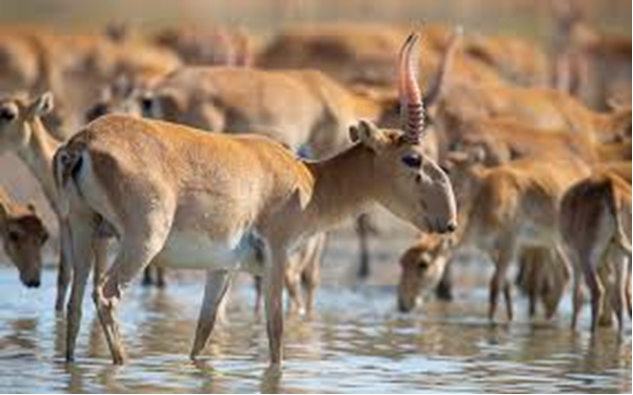
2. A technology has been developed for the automated detection and counting of saiga antelopes (Saiga tatarica) in high-resolution satellite imagery using two-phase analysis with deep convolutional neural networks (DCNNs). The technology enables objective, verifiable remote monitoring of populations of open-landscape animals characteristically moving in aggregations (herds), without harming the animals themselves or their habitats.
Опубликовано: Рожнов В.В., Сальман А.Л., Ячменникова А.А., Лущекина А.А., Сальман П.А. Автоматизированное выявление и подсчет сайгаков (Saiga tatarica) на сверхдетальных спутниковых изображениях с помощью глубоких конволюционных нейронных сетей // Известия РАН. Серия биологическая. 2024. № 5. С. 621-637. DOI: 10.31857/S1026347024050073
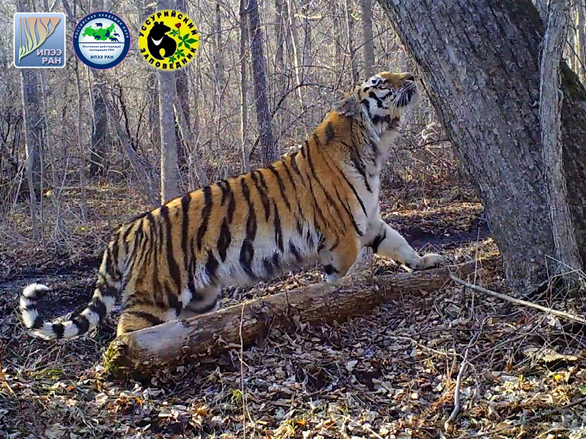
3. The Amur tiger (Panthera tigris altaica) is one of the largest and most endangered predators found in Russia, in which every individual matters for the population. A comparison of the diet of tigers reintroduced to the Amur region — as part of a Russian project to restore the Amur tiger population by rearing orphaned cubs removed from the wild and subsequently releasing them back into nature — with that of wild Sikhote-Alin tigers showed no difference in diet composition or food intake level. This study opens up possibilities for tiger restoration across Asia.
Опубликовано: Miquelle D.G., Mukhacheva A.S., Bragina E.V., Waller S.J., Petrunenko Y.K., Naidenko S.V, Hernandez-Blanco J.A., Kastrikin V.A., Rybin A.N., Rybin N.N., Seryodkin I.V., Blidchenko E.Yu., Yachmennikova A.A., Chistopolova M.D., Soutyrina S.V., Rozhnov V.V. Rehabilitating tigers for range expansion: lessons from the Russian Far East // Journal of Wildlife Management. 2024. e22691. DOI: 10.1002/jwmg.22691)
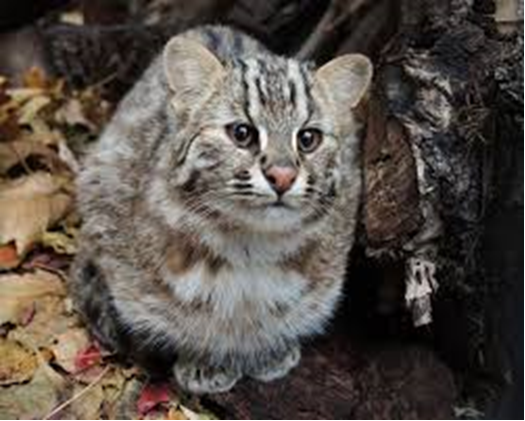
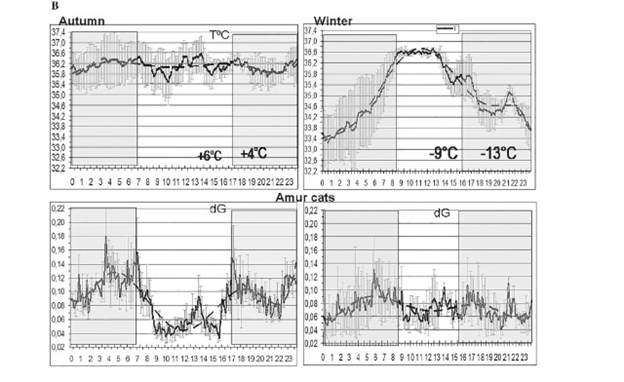
4. A comparison, conducted for the first time, of circadian responses to natural cold in five species of carnivorous mammals — the Eurasian lynx (Lynx lynx), the Far Eastern forest cat (Prionailurus bengalensis euptilura), the domestic cat (Felis catus), the European polecat (Mustela putorius), and the sable (Martes zibellina) revealed 3 distinct types of response related to the ecological characteristics of these species. The research was carried out at the "Living Collection of Wild Mammal Species" shared-use center on the grounds of the "Chernogolovka" scientific-experimental base.
Опубликовано: Kovalzon V.M., Komarova A.D., Erofeeva M.N., Alekseeva G.S., Volobueva K.A., Naidenko S.V., Rozhnov V.V. Rest and cold: different circadian responses to natural cold in five species of predatory mammals // The European Physical Journal. Special Topics (Special Issue “Neuro-Sleep as a Complex Systems”). 2024. V. 233. P. 659-670. https://doi.org/10.1140/epjs/s11734-023-01080-4)
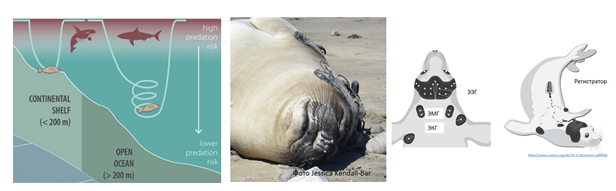
5. For the first time, a study of sleep — a critical component of daily animal life — was carried out in a marine mammal in the wild. In cetaceans and pinnipeds, opportunities for sleeping in water are extremely limited. To understand how, where, and how much northern elephant seals (Mirounga angustirostris) sleep in the ocean, non-invasive methods were used to record brain electroencephalogram (EEG), heart rate (ECG), and motor activity. It was established that elephant seals sleep in the ocean while diving to depths of up to 377 m. Sleeping underwater allows them to reduce the risk of predator attack (from orcas and sharks). By comparing movement parameters (speed, posture, and rotational features) with dive depth in 334 elephant seals (more than 500,000 dives in total), it was calculated that the mean sleep duration of these animals in the ocean during migrations is only 2 hours per day. This is the shortest total daily sleep duration recorded in any mammal. By reducing sleep time, elephant seals free up time for feeding — a priority task during migration. The unprecedented ability of elephant seals to make do with just two hours of sleep per day for an average of 7 months a year calls into question the notion that a fixed daily amount of sleep is necessary and that chronic sleep deprivation (insomnia) inevitably has negative consequences for all animals. The data obtained are of great significance for understanding the function of sleep and its stages.
Опубликовано: Kendall-Bar J.M., Williams T.M., Mukherji R., Lozano D.A., Pitman J.K., Holser R.R., Keates T., Beltran R.S., Robinson P.W., Crocker D.E., Adachi T., Lyamin O.I., Vyssotski A.L., Costa D.P., 2023. Brain activity of diving seals reveals short sleep cycles at depth. // Science. № 380 (6642). P. 260-265. doi: 10.1126/science.adf0566. Q1)
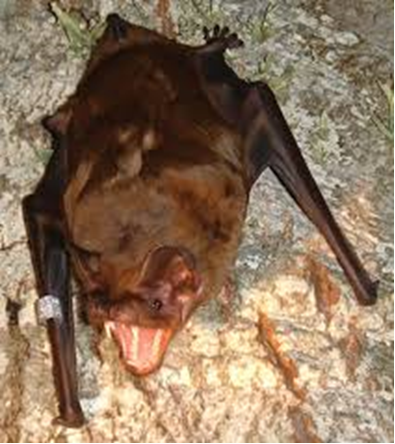
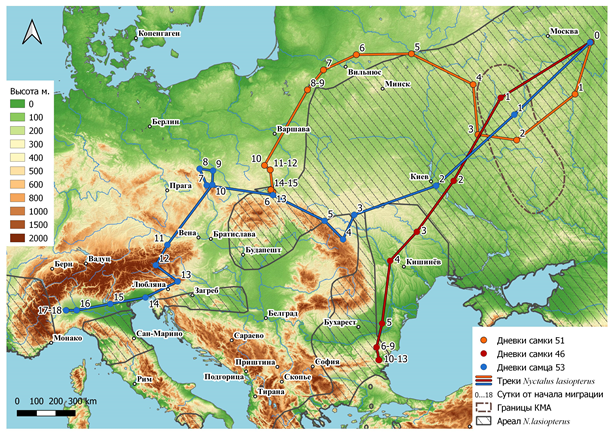
6. For the first time, using GPS-GSM trackers, long seasonal migratory flights of giant noctule bats (Nyctalus lasiopterus) were recorded from their summer habitats in Russia to their wintering sites in Europe. One of the seasonal migratory flights is a record distance for bats (2515 km). The maximum daily flight distance was 445 km. One individual sharply changed its migration direction from southwest to north on the third day of flight, after crossing the Kursk Magnetic Anomaly.
Опубликовано: Васеньков Д.А., Васильев Н.С., Сидорчук Н.В., Рожнов В.В., 2023. Осенняя миграция гигантской вечерницы: через страны и горы к новому рекорду дальности сезонных перелетов летучих мышей // Доклады Российской Академии наук. Науки о жизни. Т. 513. С. 564-569. DOI: 10.31857/S2686738923700403, EDN: GTQDPL
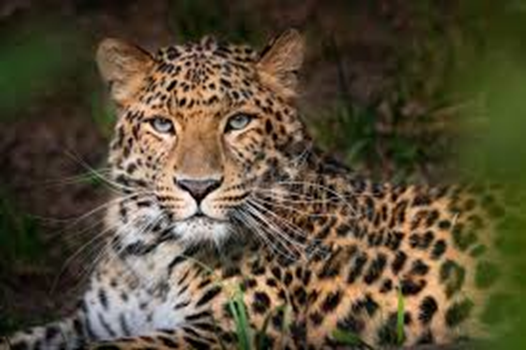
7. An analysis, conducted for the first time, of the diversity of Major Histocompatibility Complex class I genes in the Far Eastern leopard (Panthera pardus orientalis) revealed high variability in both the nucleotide and amino acid sequences of key regions of immune genes compared with other leopard subspecies living under more favorable conditions. The influence of balancing selection in maintaining the high variability of this gene group was demonstrated, supporting the hypothesis that, despite low numbers, the population has an inherent potential for recovery and sufficient resilience to pathogen pressure.
Опубликовано: Тарасян К.К., Сорокин П.А., Холодова М.В., Рожнов В.В. 2023. Разнообразие генов главного комплекса гистосовместимости класса I у дальневосточного леопарда (Panthera pardus orientalis) // Известия Российской академии наук. Серия биологическая. № 5. С. 451-462. DOI 10.31857/S1026347023600413. Q4
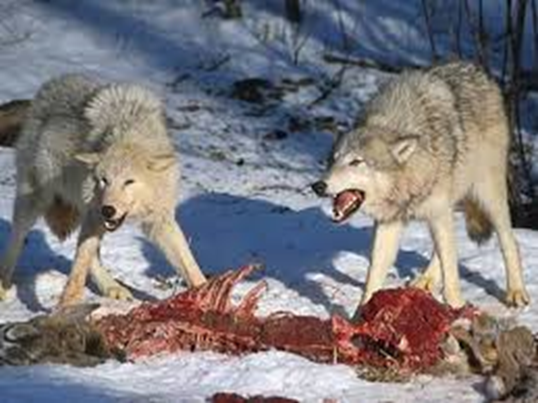
8. The wolf is an apex predator specializing in hunting large ungulates. In multi-species communities, predators may show a preference for one prey species. A decline in the abundance of preferred prey can lead to changes in wolf interactions with other ungulates. We conducted a study from 2014 to 2019, a period that included a sharp decline in the abundance of wild boar — the wolves' main prey — in the "Kaluzhskiye Zaseki" Nature Reserve. The proportion of two ungulate species — roe deer and elk — in wolf diet increased following the decline in wild boar numbers, but the main prey species became a non-ungulate — the beaver. The decline in the wolves' main prey species affected their interactions with other ungulates: their proportion in the diet increased significantly. In the absence of wild boar, wolves tend to switch to medium- and small-sized prey.
Опубликовано: Viricheva A.O., et al., 2024. Wolf-ungulate interactions within the context of wolf's main prey population decline in Central Russian Upland // Nature Conservation Research. Vol. 9(4). https://dx.doi.org/10.24189/ncr.2024.029
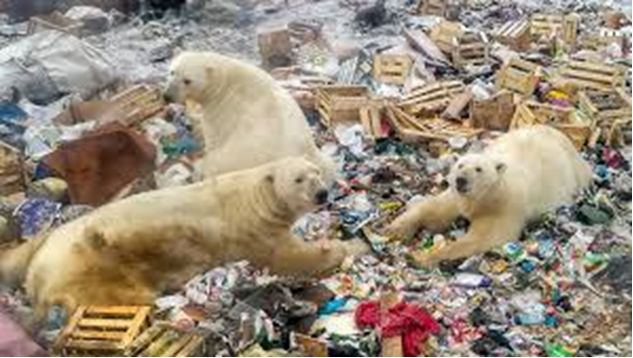
9. Differences were found in the composition of the gut microbiome between polar bears that facultatively feed on landfill waste and bears feeding on natural food. The composition of the bacterial community in the gut of landfill-feeding bears resembles that of omnivorous mammals, which may indicate adaptation to this type of diet. At the same time, opportunistic pathogenic yeast species not typical of bears in their natural habitat were found in the gut microbiome of landfill-feeding bears, indicating an increased risk of infection.
Опубликовано:Vecherskii M.V., Kuznetsova T.A., Khayrullin D.R., Stepankov A.A., Artemieva S.M., Chukmasov P.V., Ivanov E.A., Mizin I.A., Mordvintsev I.N., Platonov N.G., Pashali A.A., Isachenko A.I., Lazareva R.E., Shestakova K.M., Rozhnov V.V., 2023. Anthropogenic Neighborhood Impact on Bacterial and Fungal Community in Polar Bear Feces. // Animals. V. 13. P. 2067. https://doi.org/10.3390/ani13132067 Q1