
Scientists from IEE RAS conducted educational sessions for schoolchildren at the Natural Science Library of the Russian Academy of Sciences
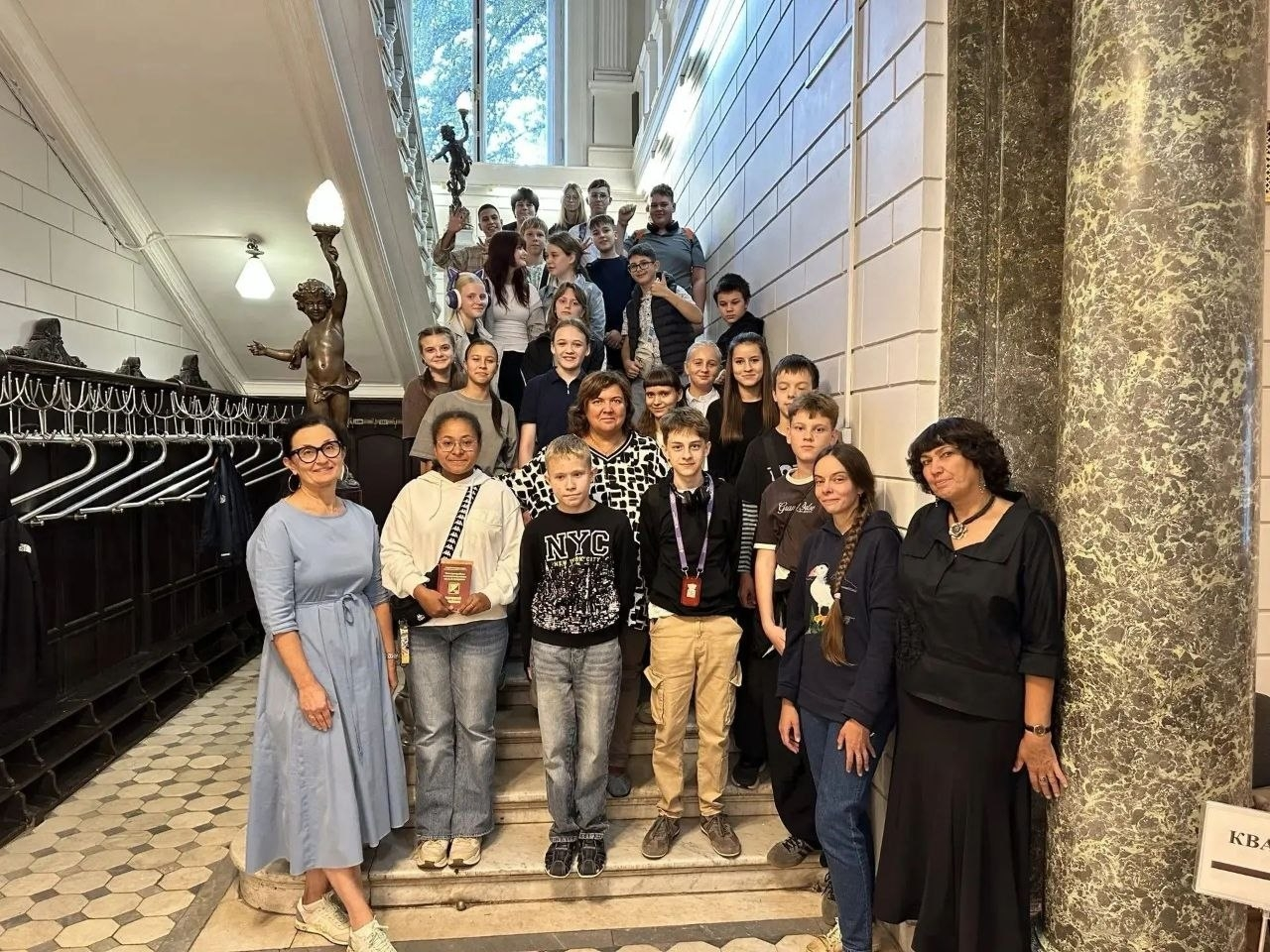
On September 3, the Library of Natural Sciences of the Russian Academy of Sciences (RAS) hosted an educational event titled "Knowledge Day at the Library" for 33 students in grades 7 and 8 from School No. 2089, who are enrolled in the "Natural Science Vertical" specialized program.
Researchers from the A.N. Severtsov Institute of Ecology and Evolution (RAS) were among the event's co-organizers. The scientists introduced the students to the Institute's work and then conducted three scientific sessions featuring interactive and hands-on activities.
To begin, Natalia Feoktistova - Doctor of Biological Sciences, Scientific Secretary, and Chief Researcher at the Laboratory of Comparative Ethology and Biocommunication - introduced the students to the activities and primary research areas of the Institute. She outlined the Institute's history, its various research fields and laboratories, and the work undertaken by its scientists and young researchers.
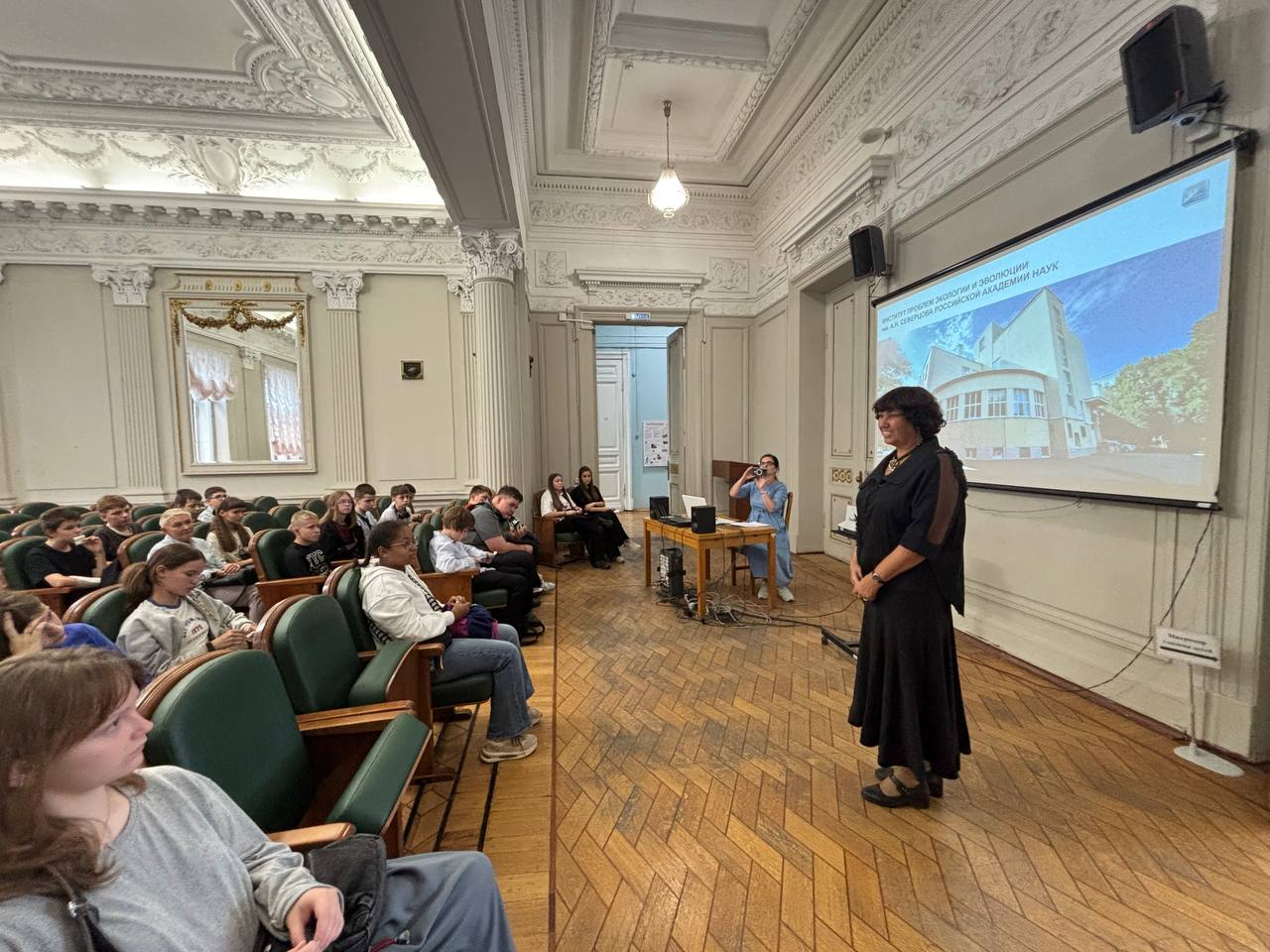
Afterward, the schoolchildren divided into groups and took part in scientific activities.
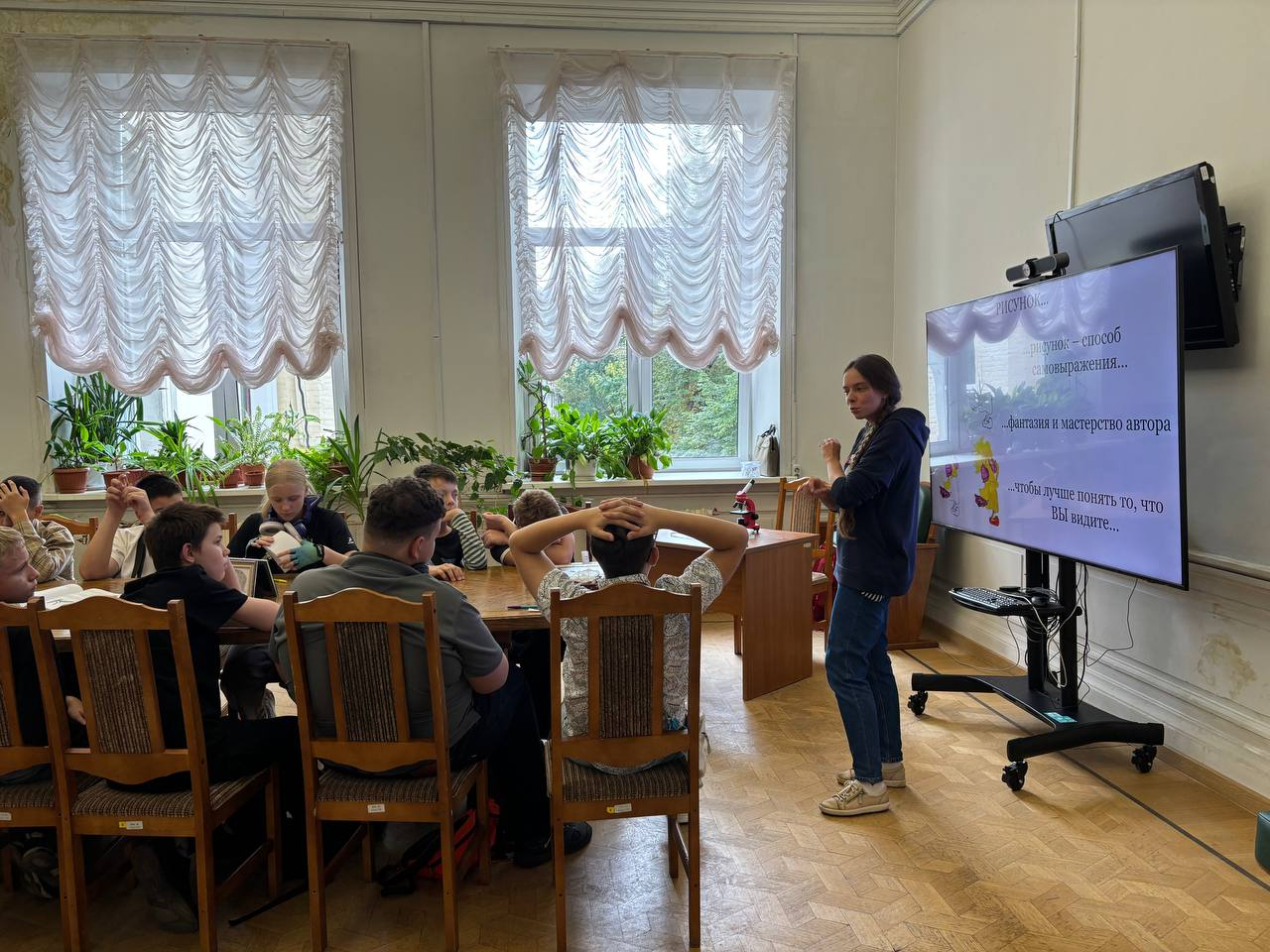
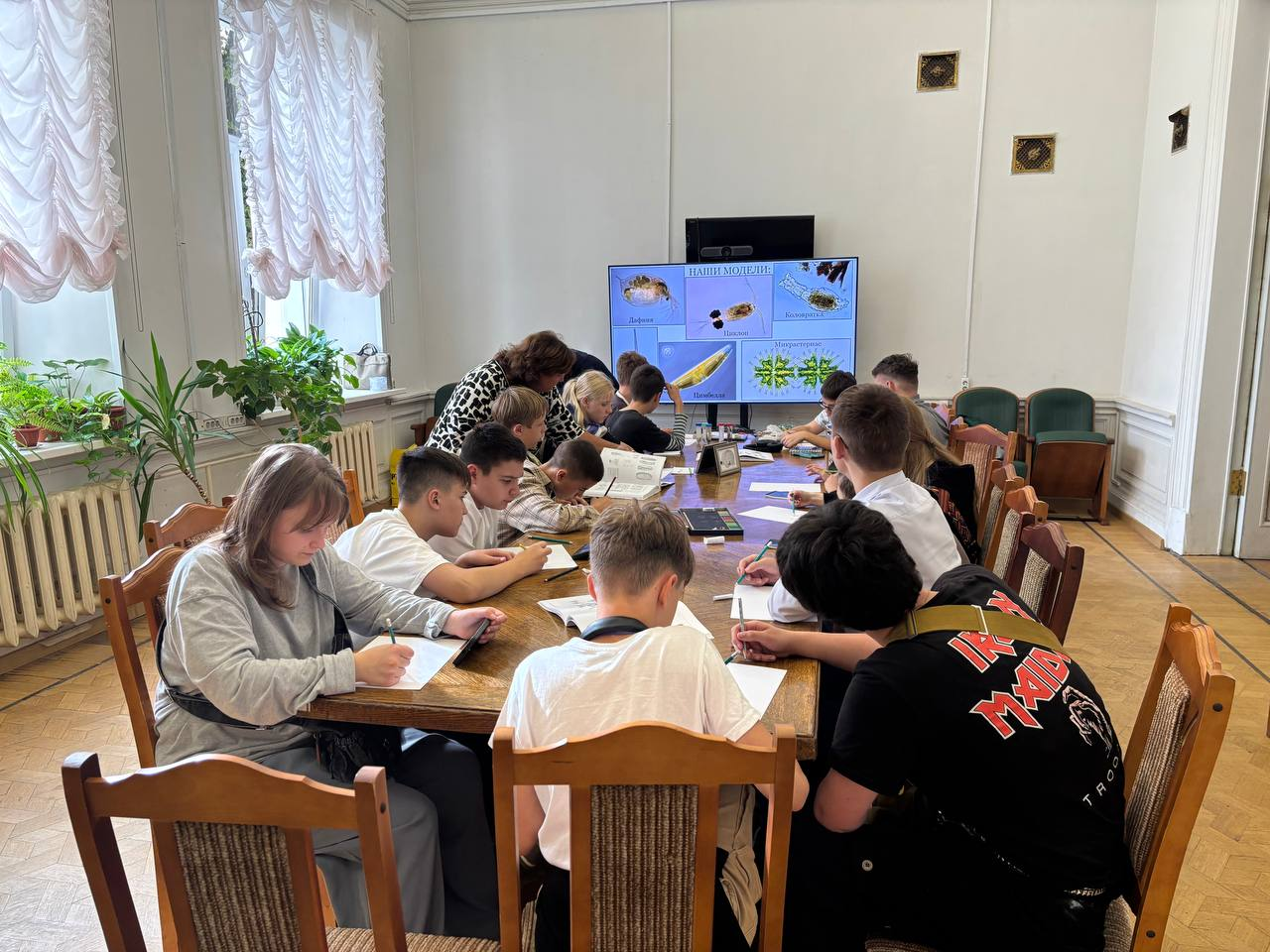
Anna Neretina, Candidate of Biological Sciences and Senior Researcher at the Laboratory of Aquatic Community Ecology and Invasions (IEE RAS), conducted a combined lecture and practical session titled "The Microworld Through Children's Eyes." The students were introduced to objects invisible to the naked eye and then had the opportunity to examine them under a microscope themselves. Another part of the session involved drawing: the schoolchildren depicted the objects studied by scientists, attempting to capture their shapes and structural details.
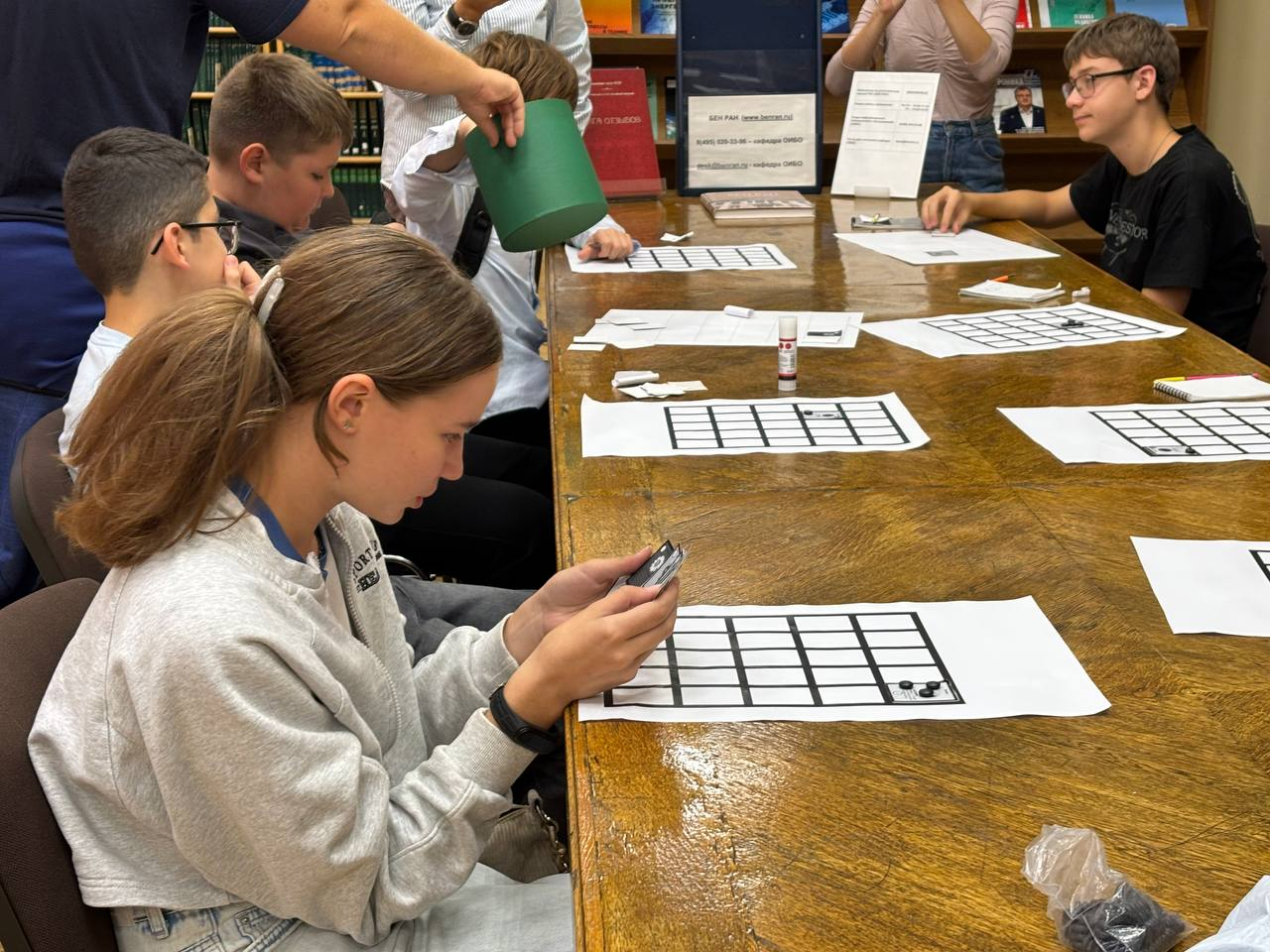
Vadim Merkin, a junior researcher at the Laboratory of Morphology and Ecology of Marine Invertebrates (IEE RAS), conducted a scientific game titled "Corallia / Reef / Acropora." During the game, participants created their own coral reefs using cards depicting various marine animals and organisms. Players placed corals, sea anemones, and algae on their reefs - organisms that served as hosts and provided habitats for symbionts.
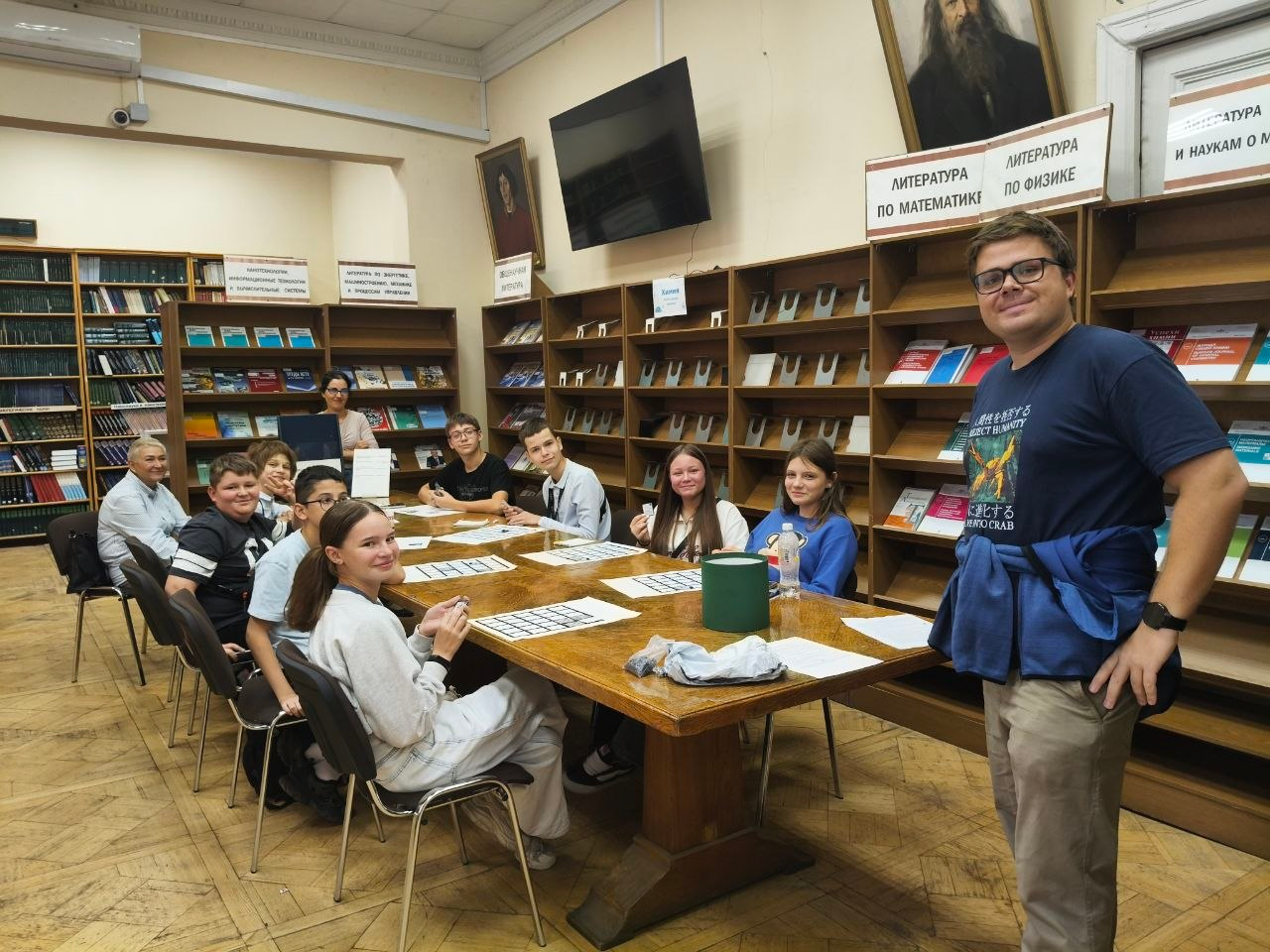
The task was complicated by various types of interactions. Some animals could live only on specific hosts, while others could inhabit a range of reef organisms. The game also featured free-living organisms and event cards - such as changes in temperature or currents, fishing, pollution, and other impacts - capable of altering the state of the reef. Consequently, participants had to take into account the interconnections between organisms and the consequences of various environmental changes. At the end of the game, the winner was determined based on the points scored for the ecosystem they had created.
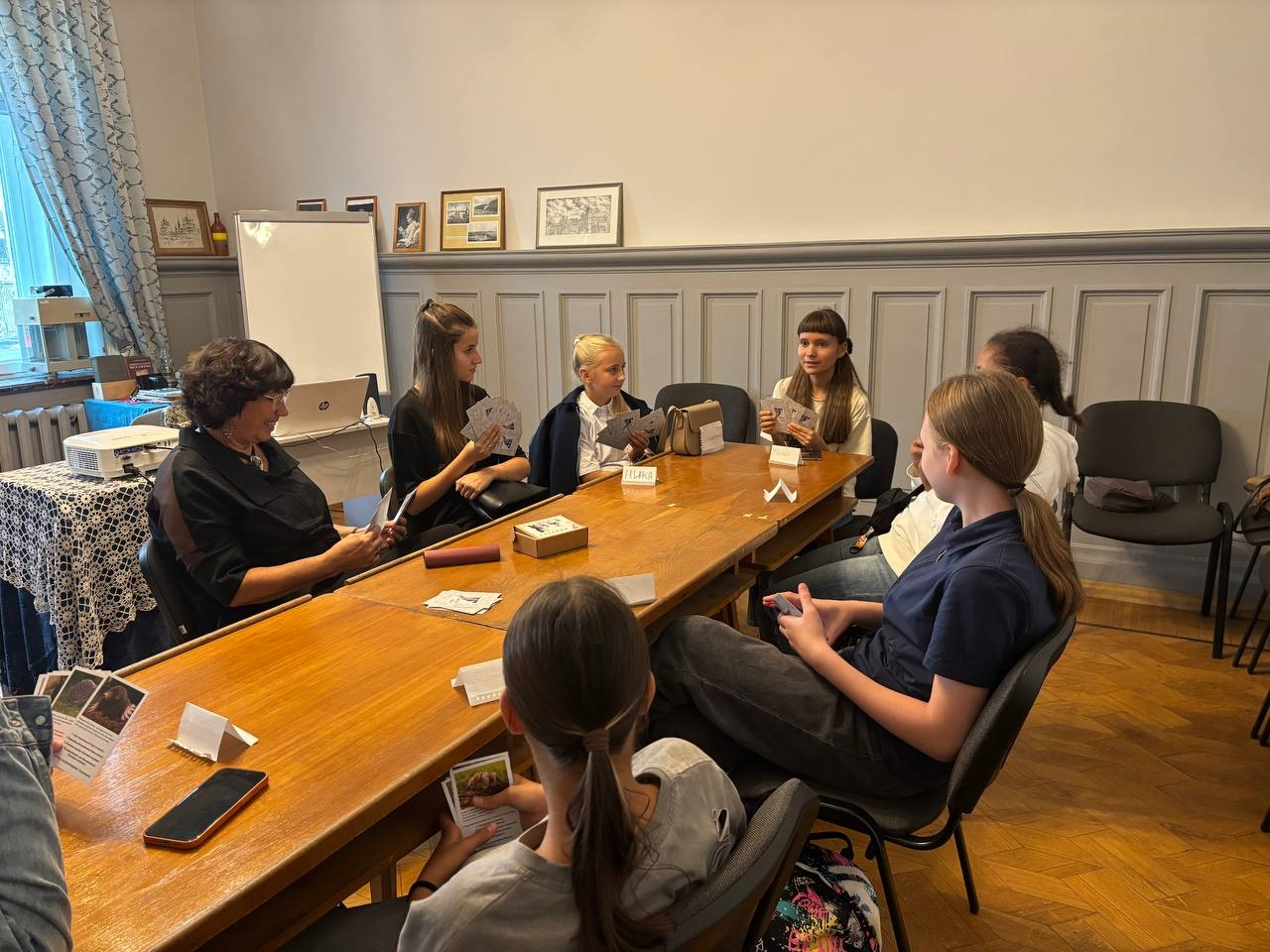
Natalia Feoktistova conducted the educational game "Quartet." Based on animal taxonomy, the game required participants to assemble sets of four cards - "quartets" - featuring animal species belonging to the same order. Each player started with six cards and exchanged them with other participants during the game, aiming to collect the necessary combinations. The winner was the player who managed to assemble and lay down the highest number of zoological quartets.
For IEE RAS, participating in such events offers an opportunity to show schoolchildren how modern biological science works, broaden their horizons, and help them make future career choices.
You can view all the photos from the event at this link.