

A peculiar behavioral complex preceding hibernation has been identified in an overwintering rodent
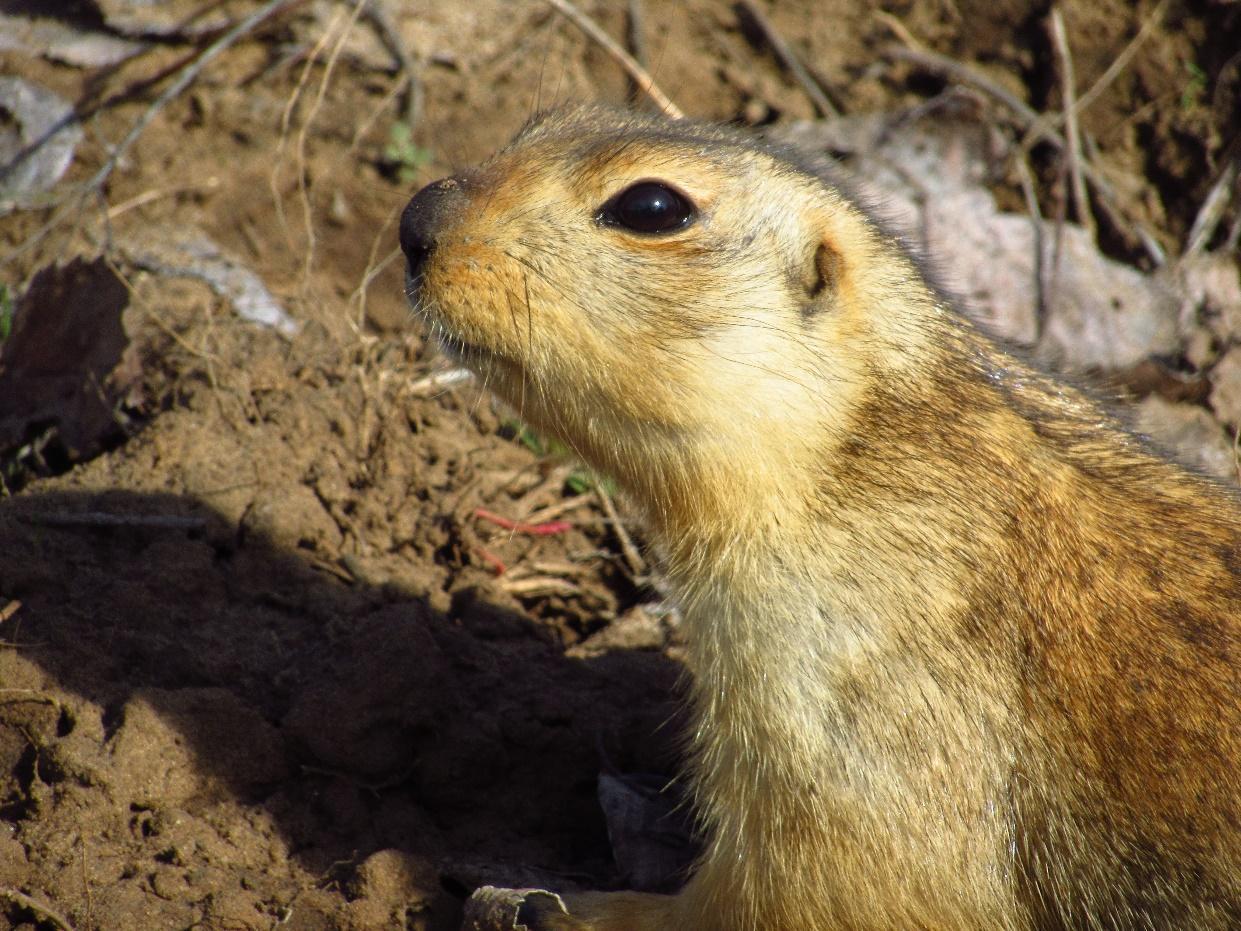
The transition from the normal daily cycles to hibernation in mammals involves a profound reorganization of physiological processes and behavior; however, studying this period in natural populations has long been challenging due to methodological limitations. Researchers from the Laboratory of Population Ecology at the A.N. Severtsov Institute of Ecology and Evolution of the Russian Academy of Sciences (IEE RAS) conducted the first detailed analysis of daily activity and body temperature dynamics in yellow ground squirrels (Spermophilus fulvus) during the final days before entering hibernation and the initial days thereafter, utilizing telemetry methods.
It was found that on the day of entry into hibernation - the last day of surface activity before retreating to the overwintering burrow - the ground squirrels radically altered their usual daily routine. Although they emerged from their burrows at the usual time in the morning, they retreated underground very early, reducing the time spent on the surface by three to four-fold compared to previous days.
On the day they retired to their burrows, some individuals emerged for only a few minutes before remaining underground until the following spring. At the same time, locomotor activity in all individuals increased by a factor of 1.5 on that day and stayed high for several days after surface activity had ceased. In other words, the ground squirrels retreated to their burrows and moved about vigorously during daylight hours without venturing back to the surface. This pattern of behavioral changes was common to all individuals and independent of weather conditions, the calendar date, the animals' age, or their individual behavioral traits.
"Intense underground activity after retiring to the burrow may be linked to the final preparation of the wintering burrow for prolonged hibernation. The observed pattern reflects a potential trade-off between the immediate energy costs of preparing the shelter and the long-term survival benefits during hibernation," explained Nina Vasilyeva, Candidate of Biological Sciences and Senior Researcher at the A.N. Severtsov Institute of Ecology and Evolution (RAS).
The findings not only describe a previously unknown behavioral marker for the onset of hibernation but also offer a new methodological approach for the non-invasive monitoring of hibernation phenology in burrowing mammals using radio transmitters attached to the animals' skin.
Related materials:
Hi-Tech Mail: "What ground squirrels do before hibernation: scientists provide the answer"
Regiony: "Scientists from IEE RAS use radio transmitters to discover what ground squirrels do before hibernation" Podmoskovye Segodnya: "Moscow region scientists discover what ground squirrels do before hibernation"