

Scientists from the Institute of Ecology and Evolution of the Russian Academy of Sciences have reconstructed the evolutionary relationship of the gerbil described more than a century ago
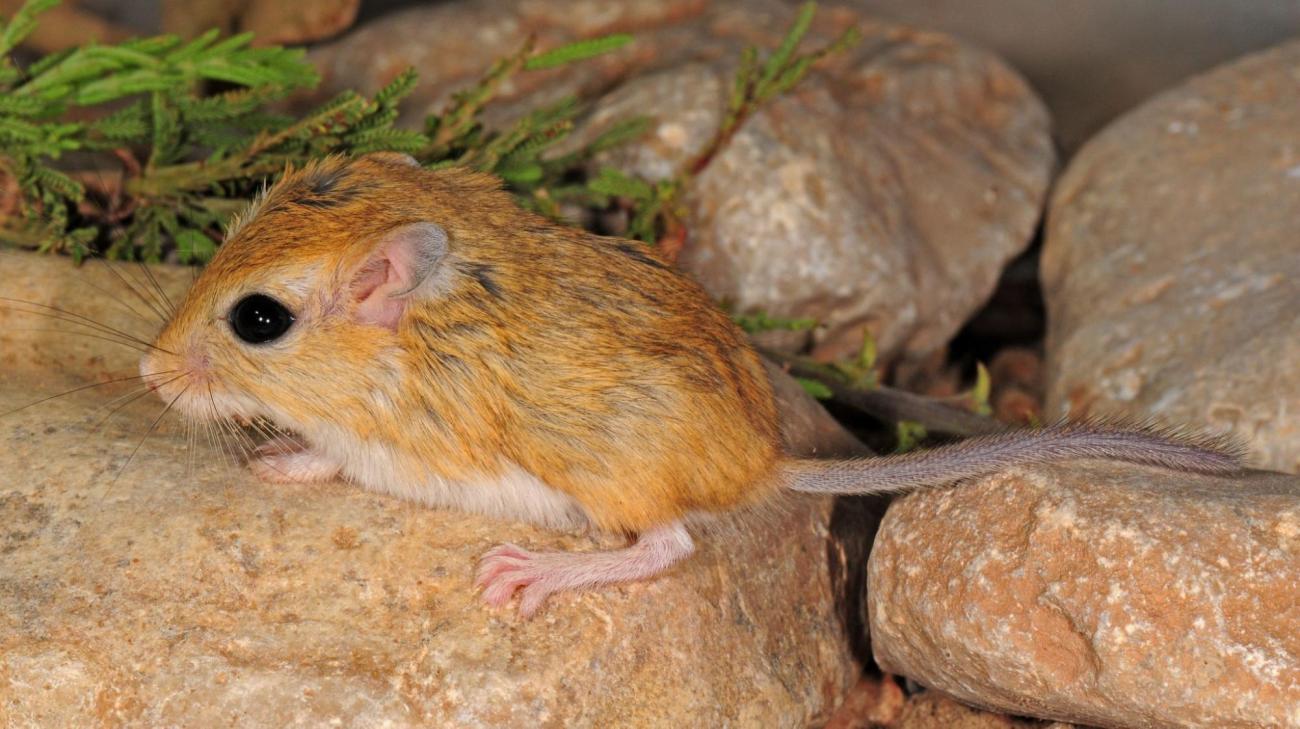
The Somali pygmy gerbil (Microdillus peeli) is a species of murid known from single specimens from Somalia and described as a distinct species by the British zoologist Edward de Winton in 1898. De Winton noted its unusual morphological features when describing the species: "The skull is unusually square and short, and unlike any other gerbil known to me." Described within its own monotypic genus, Microdillus, the species remained rare in zoological collections for a century and was absent from taxonomic summaries of the group based on genetic data.
Scientists from the A.N. Severtsov Institute of Ecology and Evolution of the Russian Academy of Sciences (IEE RAS) collected Microdillus specimens from eastern Ethiopia as part of the Joint Russian-Ethiopian Biological Expedition. The molecular genetic analysis conducted for the first time allowed us to reconstruct the evolutionary relationships of the Somali pygmy gerbil with other representatives of gerbils, and more than 125 years after its description, it showed that this species should be considered a representative of the genus Gerbillus, and not its own genus Microdillus, as was previously believed due to the presence of a number of unique morphological features.
"These results shed light on the taxonomy of gerbils worldwide, and, when combined with previously obtained data on representatives of other groups, allow us to consider the Horn of Africa as a cradle of diversity and a probable center of origin for gerbils," said Danila Kostin, PhD in Biology and a senior researcher at IEE RAS.