

Systematics and Phylogeny
The laboratory conducts detailed studies on the systematics and taxonomy of the following groups:
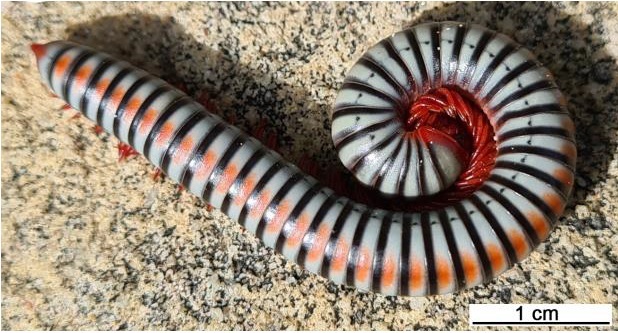 | Millipedes (class Diplopoda). Mostly saprophilous soil- and litter-dwelling forest organisms, including many cave-dwelling forms, they form the third-largest class of terrestrial arthropods by taxonomic diversity, currently comprising 16 orders, more than 150 families, about 2,200 genera and up to 80,000 species, over half of which — mostly tropical — remain undescribed. S.I. Golovatch |
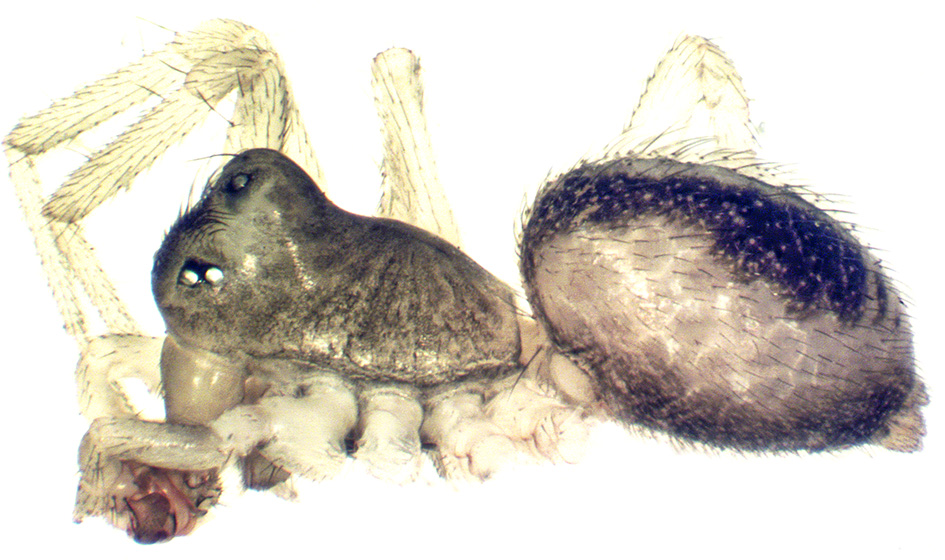 | Spiders, Aranei (Araneae), family Linyphiidae (dwarf spiders). Typical inhabitants of leaf litter, moss turf and herbaceous vegetation. Found in all natural zones, on all continents. |
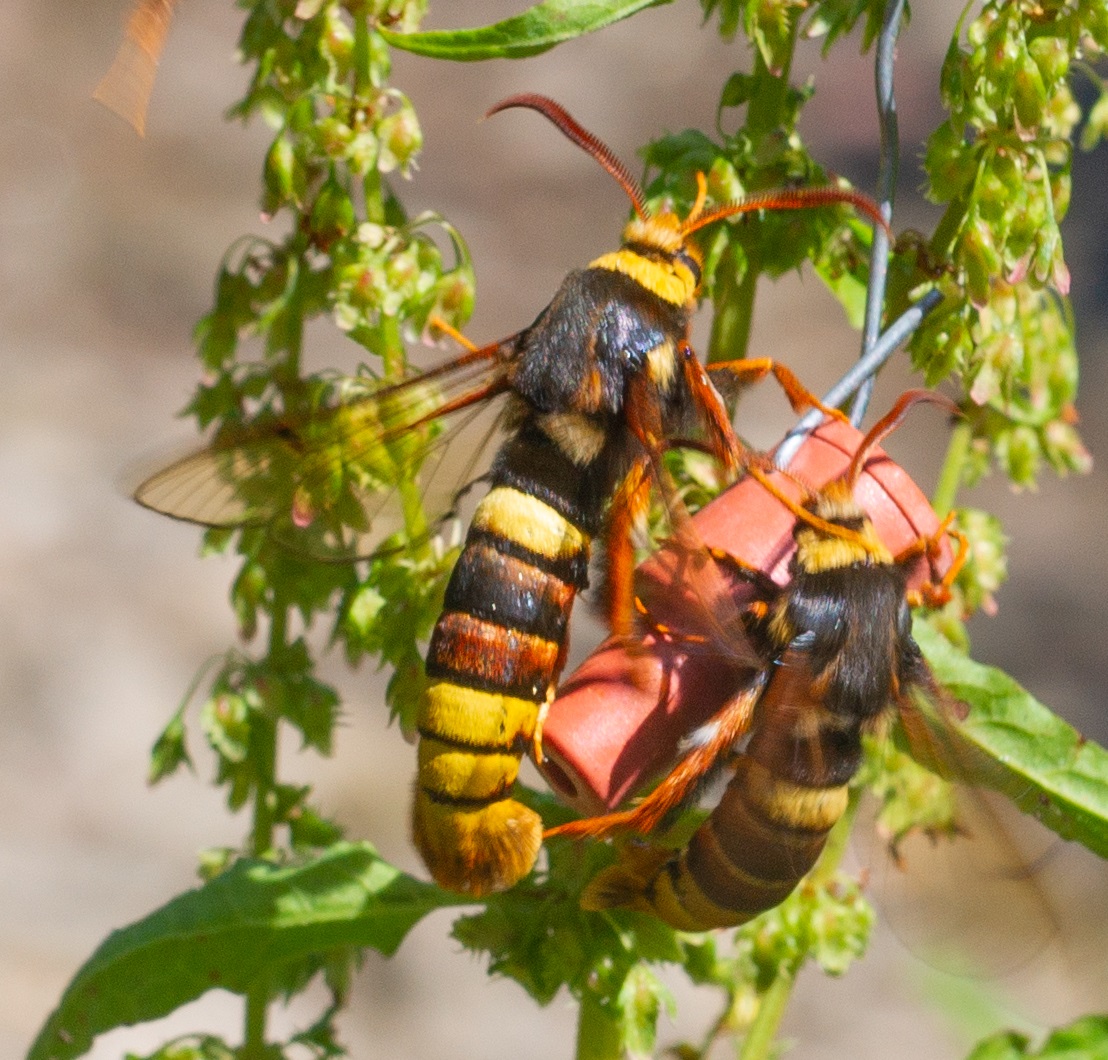 | Clearwing moths, Sesiidae (Lepidoptera) — a unique family of Lepidoptera. Their distinctive feature is mimicry of Hymenoptera in both appearance and behavior. In addition, their caterpillars are endophagous, feeding within the roots, trunks and branches of trees and shrubs, and the roots of herbaceous plants. |
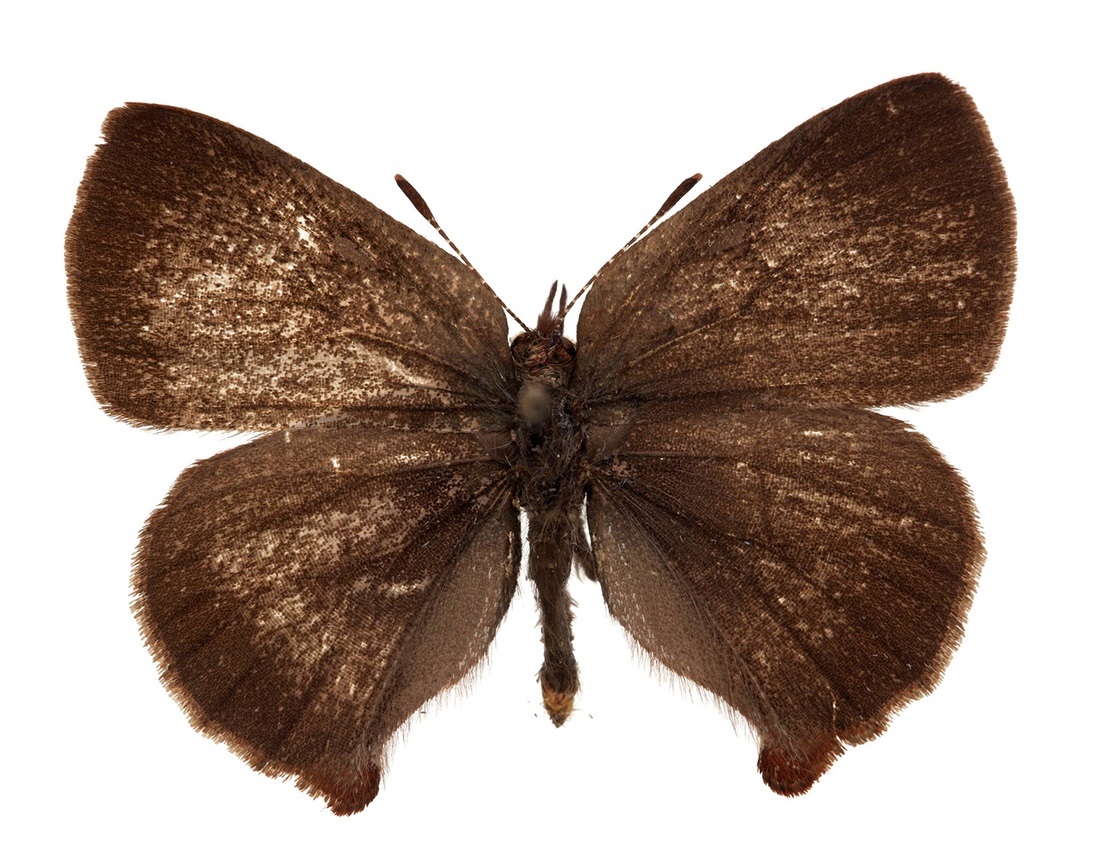 | Blues, family Lycaenidae (Lepidoptera). |
Nematocera flies (Diptera) developing in decaying substrates, mainly in wood (families Anisopodidae, Bibionidae, Scatopsidae, Sciaridae). | |
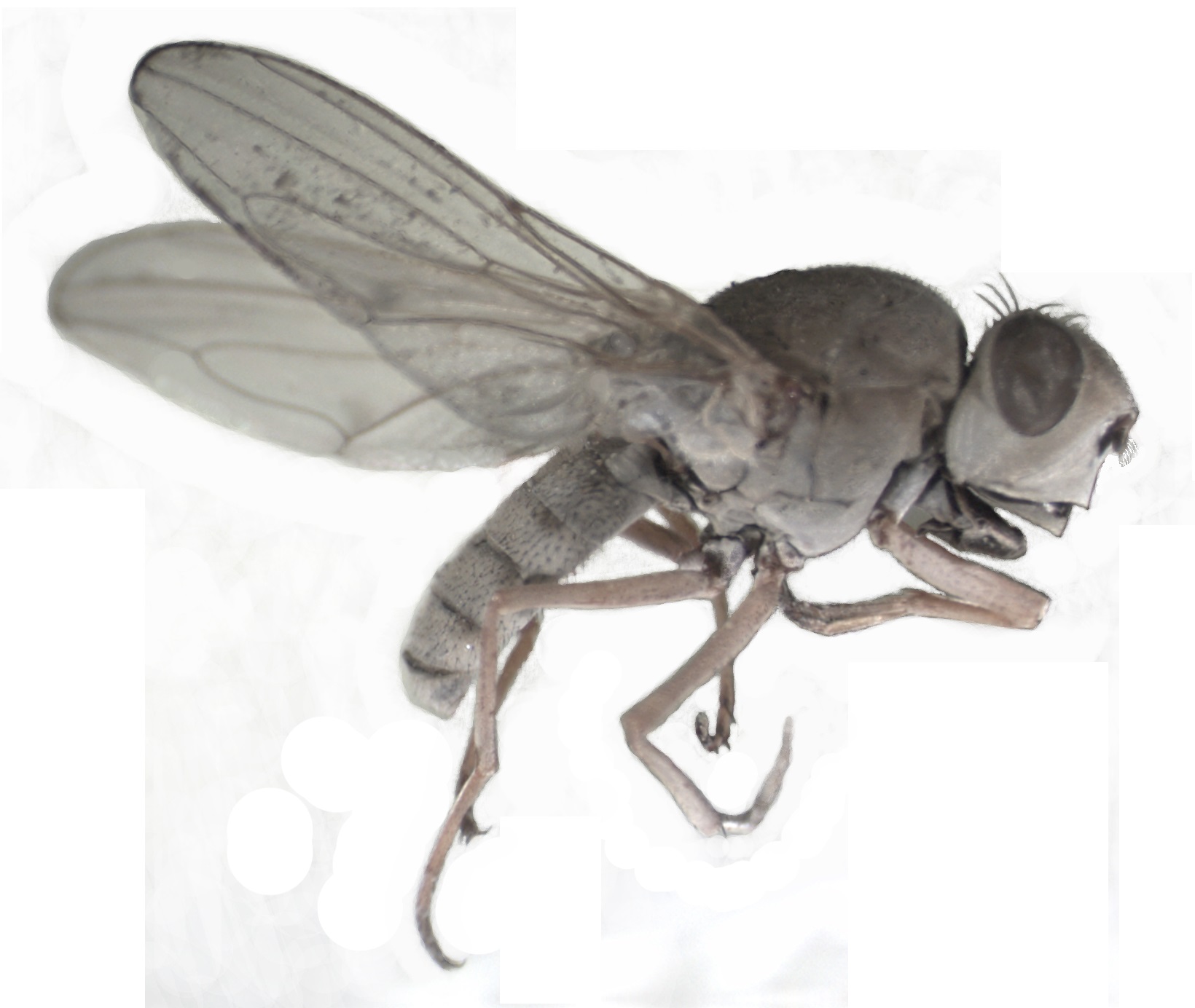 | Flies of the family Ephydridae (Diptera) (shore flies) — well-known inhabitants of hot, sulfurous, saline water bodies, mineral springs and oil ponds, as well as heavily polluted man-made water bodies. |
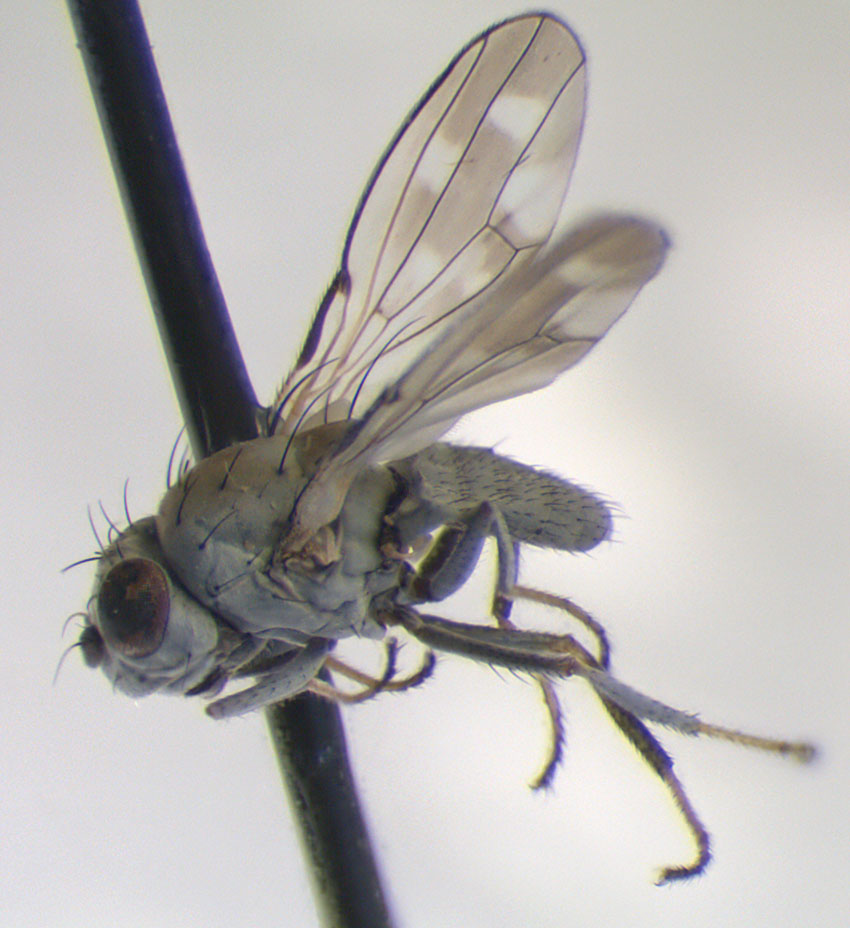 | Flies of the family Scathophagidae (Diptera), members of which live on land and are mostly predatory. |
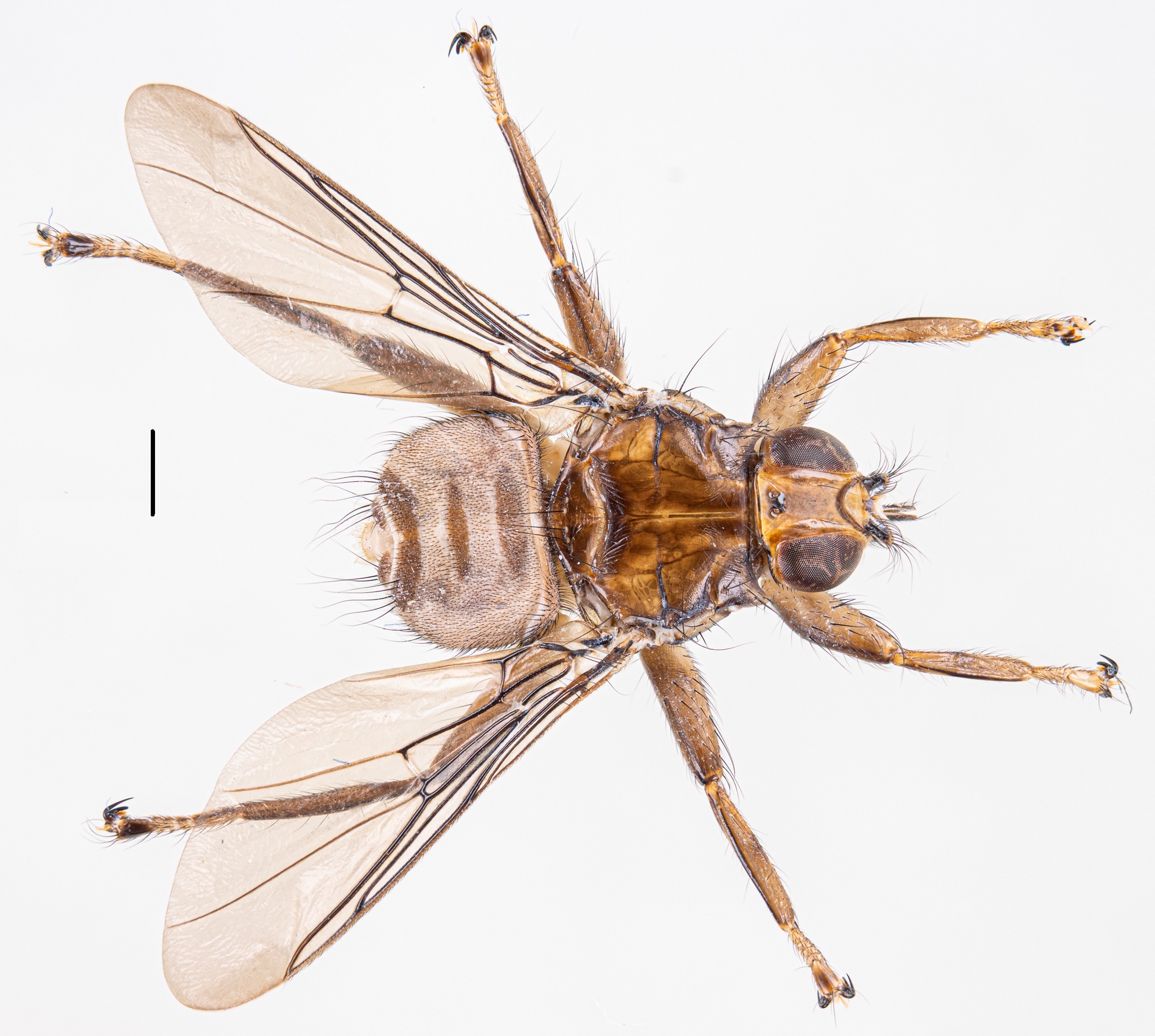 | Flies of the family Hippoboscidae (Diptera) (louse flies) — obligate ectoparasites of warm-blooded animals (mammals and birds). |