Research Directions
The basic research paradigm is that the evolution of signaling should not proceed via the development of discrete symbol-signals, which are less effective than complex signals (sensory images). Biocommunication based on the perception of such images, especially when they are formed from signals of several modalities, is more flexible and adaptive.
The main research directions include:
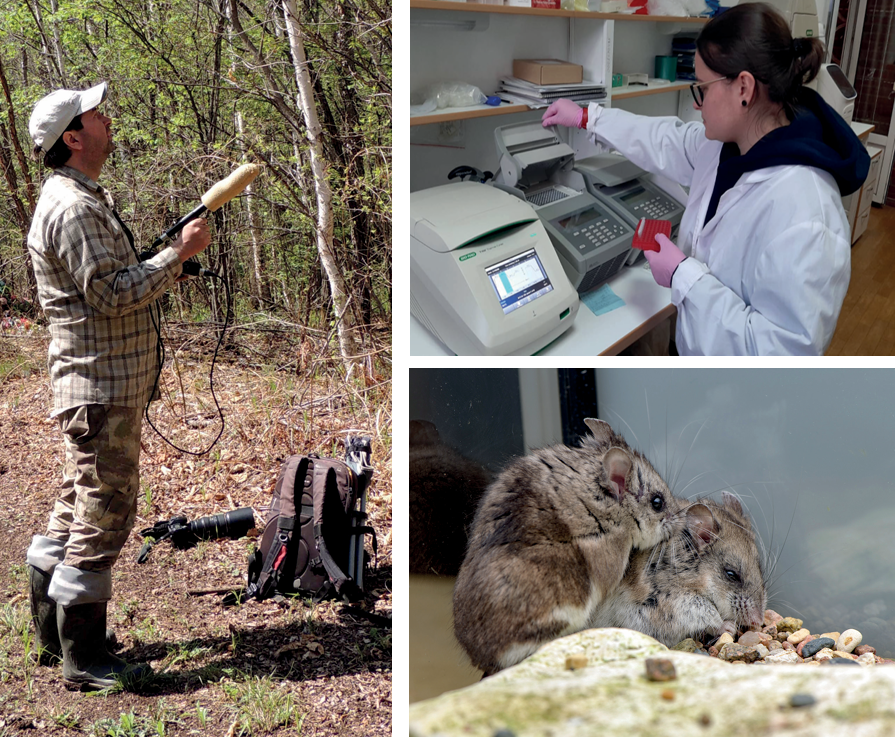
- the mechanisms of functioning of communicative signals of the visual, acoustic, and olfactory systems and their role in the reproductive isolation of closely related species;
- divergent evolution in ethological, genetic, and physiological traits;
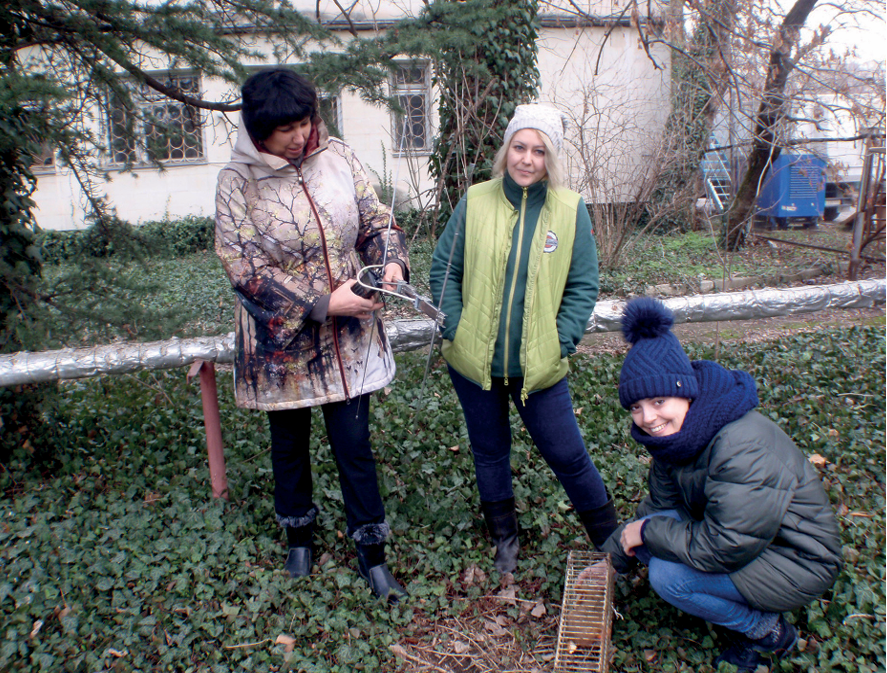
- the mechanisms underlying animal adaptations to human-transformed ecosystems, including urban environments.
The main study subjects are vertebrate animals (reptiles, birds, mammals). The research employs an integrative approach including a wide range of molecular-genetic, karyological, physiological, and behavioral methods. Research is conducted both in the laboratory and at biological field stations and expeditions, including abroad (Mongolia, China, Kazakhstan, Vietnam, and others).