Research Results
Mechanisms of Rapid Evolution in Aquatic Organisms
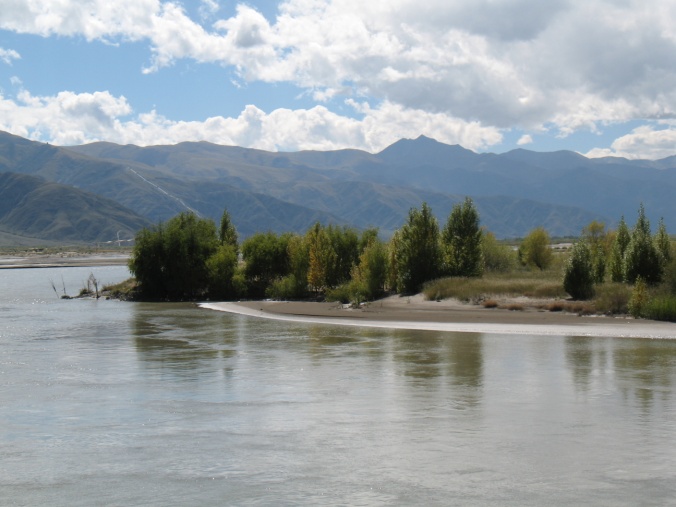
From 2015 to 2020, a number of studies by laboratory staff were devoted to the mechanisms of rapid evolution in aquatic organisms. Natural selection has been shown to be the main driving factor of such evolution. An important precondition for rapid evolution is disruption of the functioning of a number of genetic systems. The role of random genetic processes in the evolution of most of the species studied is minor; numerous facts have been identified that refute the "molecular clock" hypothesis. In addition, expeditions to the Tibetan Plateau, the Qinling Mountains, the Caucasus and the north of Russia have collected substantial material supporting the important role of the ancient Paratethys Sea in the dispersal and evolution of cold-water aquatic organisms. A number of applied studies have also been carried out, in particular on producing triploid salmonids and the genetic certification of rainbow trout breeds. The monograph "Genetic Methods in Salmon and Trout Farming" (Artamonova, Makhrov, 2015) has been published.
The laboratory continues long-term research on the rapid speciation of fish of the genus Oreoleuciscus (Leuciscidae) — the Altai osmans. Long-term studies at the periodically (every 12–13 years) drying water bodies of the Valley of the Lakes in the Central Asian internal drainage basin (Mongolia) made it possible, for the first time, to establish the unique cyclic diversification of O. humilis. Two morphoecological forms (a dwarf form and a lake form) of this species inhabit the lakes of the Valley of the Lakes during the «wet» period. During the «dry» period, both forms of O. humilis die out in the lakes but survive in the rivers flowing into them. After the lakes refill with water during the «wet» period, the lake populations of O. humilis are re-established from river fish, and rapid diversification into two forms is observed within a few years (Dgebuadze, 1995; Dgebuadze, 2001; Dgebuadze et al., 2012; Dgebuadze, 2015). Rapid diversification into forms was also observed for another species of Altai osman, when the river form O. potanini gave rise to four lake forms in a recently constructed reservoir on the Zavkhan River in western Mongolia (Dgebuadze et al., 2020). This work is being carried out jointly with the Institute of Geography and Geoecology of the Mongolian Academy of Sciences.
«QUALITATIVE ECOLOGY»
Data obtained in recent decades on ecosystem functioning indicate that, when analyzing inter-organismal (primarily trophic) relationships, it is important to consider not only the quantitative characteristics of energy flows but also the qualitative (elemental and biochemical) composition of the substances moving through food webs (Dgebuadze, Gladyshev, 2016).
Laboratory researchers V.S. Artamonova and A.A. Makhrov put forward a hypothesis linking the total content of eicosapentaenoic acid (EPA, 20:5n-3) and docosahexaenoic acid (DHA, 22:6n-3) in fish muscle tissue with species-specific duration of embryogenesis. Using a meta-analysis of their own and published data on fish of the families Coregonidae and Salmonidae, it was shown that in species with a long embryogenesis, which occurs at low temperatures, the average EPA + DHA content in the muscles is significantly higher than in species of the same families with short embryogenesis (Artamonova, Makhrov et al., 2020). The hypothesis was fully confirmed when comparing the content of polyunsaturated fatty acids in the muscle tissue of rainbow trout breeds with different durations of embryogenesis. It turned out that the later the spawning, the colder the water, the longer the embryogenesis, and the higher the content of polyunsaturated fatty acids in the muscles (Gladyshev, Makhrov, …Artamonova, 2022).
A study of the biochemical composition of two fish species — the European smelt Osmerus eperlanus and the Black Sea–Caspian tyulka (Azov sprat) Clupeonella cultriventris, which successively colonized and became established in the Rybinsk Reservoir in the second half of the 20th century — conducted jointly with colleagues from the Papanin Institute for Biology of Inland Waters RAS and Siberian Federal University, revealed substantial differences in the fatty acid content of their muscles. It was found that in tyulka muscle tissue, the total content of eicosapentaenoic (20:5n-3) and docosahexaenoic (22:6n-3) polyunsaturated fatty acids is almost four times higher than in smelt. Given that smelt and tyulka are similar in their ecomorphological parameters and show no significant differences in the composition of the food organisms they consume in the Rybinsk Reservoir, it is evident that the observed differences in the content of the above-mentioned acids are due primarily to a hereditary component. The resulting data on the fatty acid composition of the colonizing species showed that the replacement of one alien species by another (smelt by tyulka) substantially changed the quality of production of an important link in the reservoir's trophic network (Dgebuadze et al., 2023).
A study of the composition of marker fatty acids in the tadpoles of co-occurring amphibian species in the forest-steppe zone of Russia revealed, for the first time, differences in their dietary spectra. It was found that tadpoles of the moor frog Rana arvalis prefer bacteria not associated with plant detritus, whereas the diet of the common spadefoot Pelobates fuscus is based mainly on cyanobacteria, green and diatom algae, and possibly higher plants. The main differences in fatty acid composition are due to differences in the percentage content of eicosapentaenoic and myristic acids. Thus, there is no food competition between the two amphibian species at the larval stage. This work was carried out jointly with colleagues from Siberian Federal University and the «Privolzhskaya Lesostep» State Nature Reserve (Dgebuadze Yu.Yu., N.N. Sushchik, I.V. Bashinsky et al., 2017).
In the course of research conducted for many years by the laboratory within the framework of the Joint Russian-Mongolian Complex Biological Expedition of the RAS and the Mongolian Academy of Sciences, it was established that in the lakes of western Mongolia, in the gut contents of the most abundant herbivorous form of fish of the genus Oreoleuciscus potanini (Potanin's Altai osman), stoneworts (Chara algae) make up the bulk (up to 80%). Given that Chara thalli are encrusted with calcium carbonate, which accounts for up to 70% of dry mass, it was unclear what organic matter O. potanini could actually assimilate from such food. To clarify what the Potanin's Altai osman really obtains from consuming stonewort algae, stable isotope analysis (SIA) and the more refined biomarker method of fatty acid (FA) analysis were carried out. SIA showed that O. potanini obtained the bulk of its carbon from periphytic microalgae rather than from Chara spp. FA analysis broadly confirmed the SIA results: in particular, biomarker FAs of diatoms were found in the biomass of O. potanini, whereas the characteristic biomarkers of Chara spp. were absent. Thus, the herbivorous form of O. potanini ingested the algae in order to assimilate the periphytic microalgae during gut passage, while the stonewort thalli themselves were not broken down by the fish and left their bodies virtually unchanged. This work was carried out jointly with scientists from the Institute of Biophysics of the Federal Research Center «Krasnoyarsk Science Center» SB RAS, Siberian Federal University, the Western Regional Branch of the National University of Mongolia in Khovd, Mongolia, and the Institute of Geography and Geoecology of the Mongolian Academy of Sciences. Substantial assistance in carrying out this research was provided by S.N. Bazha, head of the Joint Russian-Mongolian Complex Biological Expedition of the RAS and the Mongolian Academy of Sciences (Dgebuadze, Y.Y. et al., 2025).
ECOSYSTEM INTERACTIONS
Scientific interest has recently been growing in the processes of biological transfer of matter and energy between aquatic and terrestrial ecosystems, with emphasis on the important ecological role of amphibiotic animals and plants in the interaction and functioning of adjacent ecosystems.
Five years of research on the transfer of biomass and polyunsaturated fatty acids by the spadefoot Pelobates vespertinus from the ecosystems of small floodplain water bodies in the forest-steppe zone to terrestrial ecosystems showed that the average output of metamorphs per unit area of water surface was 6.7 g of wet mass per m² per year. Tadpoles had substantially higher average levels of the fatty acids 16:0, 16:1n-9, 18:0, 20:5n-3 and 22:5n-3. Metamorphs had a different fatty acid composition — 14:0, 15:0, 17:0, 17:1n-8, 18:2n-6, 20:2n-6, 20:4n-6 and 22:5n-6 — probably related to their switch to a terrestrial diet. Metamorphs had a significantly higher content of eicosapentaenoic acid (20:5n-3, EPA), docosahexaenoic acid (22:6n-3, DHA), and the sum EPA + DHA, which are formed mainly in aquatic ecosystems and are essential for terrestrial vertebrates. This work was carried out jointly with scientists from the Institute of Biophysics of the Federal Research Center «Krasnoyarsk Science Center» SB RAS, Siberian Federal University, and the «Privolzhskaya Lesostep» State Nature Reserve (Bashinskiy et al., 2023).
Studies of the fatty acid (FA) composition of the grass snake Natrix natrix and of its prey — tadpoles and young-of-the-year of two amphibian species, the moor frog Rana arvalis and the spadefoot Pelobates vespertinus — showed, for the first time, that the high total content of eicosapentaenoic (EPA) and docosahexaenoic (DHA) acids in grass snake biomass indicates their important role in transferring these essential substances from aquatic ecosystems onto land. It was established that, since dietary sources of DHA are absent in terrestrial ecosystems, its high level in young-of-the-year R. arvalis and in grass snakes can only be maintained through synthesis from biochemical precursors contained in food of aquatic origin. This work was carried out jointly with scientists from the Institute of Biophysics of the Federal Research Center «Krasnoyarsk Science Center» SB RAS, Siberian Federal University, and the «Privolzhskaya Lesostep» State Nature Reserve (Dgebuadze Yu.Yu., L.A. Neymark, I.V. Bashinsky et al., 2023).
Phylogenetic Immobilization
One of the main causes of evolutionary stasis has been examined — phylogenetic immobilization (a term coined by I.I. Schmalhausen) — a decrease in evolutionary plasticity resulting from stabilizing selection and the fixation of deleterious mutations whose effect depends on habitat. It has been shown that in habitats with unstable abiotic conditions, evolutionary processes often become cyclic in nature, and speciation, as a rule, does not occur under such conditions. A series of review papers on the problem of the formation of the Arctic fauna has been prepared.
A Complex of Genetic and Morphological-Faunistic Data on Water Fleas (Crustacea: Cladocera)
The complex of genetic (phylogenetic and phylogeographic reconstructions) and morphological-faunistic (species lists, revisions of individual species groups and genera) data on water fleas obtained by the team has made it possible to identify the following patterns:
- the existence of a longitudinal faunistic gradient with a broad transition zone in Eastern Siberia,
- the existence of a number of widespread species with poorly defined geographic and phylogeographic structure,
- the existence of relict clades of a number of taxa in southern Eastern Siberia, and
- a pronounced zone of endemism in the Russian Far East, Korea, eastern China and Japan.
The data presented above, together with previously obtained data on numerous taxa of water fleas, make it possible to reconsider the question of the biogeographic zonation of the Holarctic. We consider the traditional longitudinal division of this vast region into the «Palearctic» and «Nearctic» biogeographic zones to be inadequate. The whole Holarctic — whose validity as a unit is not in doubt — should be divided into three (not two) zones: «Western Holarctic» (from the Atlantic coast approximately to the Yenisei basin — the boundary between Western and Eastern Siberia), «Beringian Holarctic» (including the part of Eurasia east of the Yenisei basin and the Pacific coast of North America up to the Cordillera), and «Eastern Holarctic» (most of North America). The location and extent of the transition zone between the latter two are not yet sufficiently clear and represent a task for future research.
Reconstruction of Events in the Pleistocene of Northern Eurasia
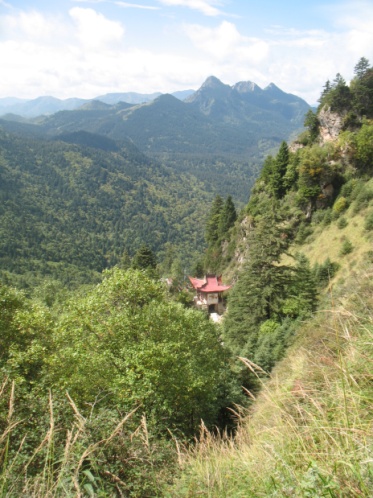
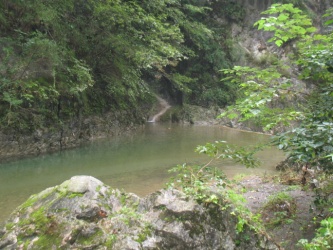
Phylogeographic work has made it possible to reconstruct events that occurred in Northern Eurasia during the Pleistocene. During each period of the Pleistocene, refugia formed where individual genetic groups of Cladocera survived during episodes of mass extinction caused by glaciations and severe aridification of most of the unglaciated territories. From these refugia, the water bodies that became available were subsequently recolonized during periods of glacial retreat and climate humidification. Fairly broad transition zones exist between the regions we distinguish. The location of these zones is determined not by the presence of geographic barriers to Cladocera dispersal (which are absent there) but by the presence, in a given region, of surviving relict genetic groups (relatives of the dispersing clades) that colonized the newly available water bodies during a period of climate amelioration and that hinder the further dispersal of their relatives from west to east and from east to west.
Water Fleas
The results of research on water fleas became an integral part of the comprehensive monograph on the fauna of freshwater invertebrates of the Palearctic, «Arthropoda: Class Branchiopoda — Keys to Palearctic Fauna. Thorp and Covich's Freshwater Invertebrates, 4th Edition» (2019).
One of the team's most important achievements is the preparation and publication of the identification-guide monograph «Cladocera (Crustacea, Branchiopoda) of Northern Eurasia». The monograph comprises two volumes, the first of which contains a «General Part» with chapters devoted to a detailed account of all aspects of research on the group: the history of its study on a world and regional scale, external and internal structure, physiology, genetics, fossil remains, systematics, ecology, zoogeography, faunogenesis, and the problem of origin. Such a detailed review of the group's biology is likewise being presented for the first time in world practice. The second volume («Special Part») contains descriptions of 287 Cladocera species, belonging to 74 genera, 16 families and 4 orders, inhabiting both freshwater and marine waters of Northern Eurasia. Identification keys have been compiled for each taxonomic group (order, family, genus).
Faunal Composition of Fairy Shrimps and Related Crustaceans (Crustacea: Branchiopoda) in Northeastern Russia
The team's work resulted in the conclusion that there were significant changes in the faunal composition of branchiopod crustaceans in northeastern Russia during the Late Pleistocene–Early Holocene. We consider it proven that several taxa of these freshwater animals became extinct, analogous to the extinction of the «mammoth fauna», which is fundamentally important for understanding the nature of changes in freshwater bodies during this period.
The introduction into paleoecology of the hypothesis that a biocenotic crisis occurred in freshwater bodies simultaneously with the crisis of terrestrial ecosystems represents a fundamentally new step and may stimulate a large number of follow-up studies. It has been demonstrated that branchiopod crustaceans in northeastern Russia (in the «Beringian zone») were represented both by taxa still present in the area today and by taxa currently absent or unusual there but widely distributed in the arid zone of Eurasia.
Thus, communities of branchiopod crustaceans existed in continental water bodies of northeastern Eurasia at the same time as the distinctive terrestrial communities (the «mammoth fauna» and the tundra-steppe). In the more southerly steppe water bodies of East Asia, however, the situation was the exact opposite. We have clearly demonstrated that there, both the branchiopod crustaceans themselves and their local faunas and communities as a whole have remained unchanged since at least the Early Pleistocene. Such a conclusion implies that the water bodies they inhabited have likewise remained virtually unchanged for at least the last two million years.
Pelagic Crustacean Zooplankton of Lake Glubokoye
Long-term monitoring of the pelagic crustacean zooplankton of Lake Glubokoye, carried out from 1991 to the present (zooplankton studies here historically began in the second half of the 19th century), has shown that only long-term observation makes it possible to distinguish short-term inter-annual differences from long-term changes in the community. These observations made it possible to analyze cases of anthropogenic influence that led to the disappearance, or conversely the appearance, of new species, to shifts in dominance ranks, and to changes in the spatial distribution of certain species. Most changes occurred relatively quickly — within 5–10 years after land reclamation in the lake's catchment in the 1960s — but overall the reorganization of the crustacean community continued for about 30 years. Subsequently, the community under study experienced significant impacts from natural environmental factors, inhabiting a water body in a transitional mesotrophic-eutrophic state.
Impact of Edificator (Keystone) Species on Aquatic and Semi-Aquatic Ecosystems
Laboratory staff have been conducting research in this area for more than 25 years.
Reintroduction of the Eurasian Beaver
Important results have been obtained on assessing the consequences of Eurasian beaver reintroduction for the ecosystems of small watercourses in the forest-steppe zone; on the structure, dynamics and functioning of floodplain water body ecosystems; and on the ecology of amphibian tadpoles. The features of beaver dispersal and trends in its population dynamics under conditions of low water availability and a scarce food base are described. It has been established that beaver building activity leads to an increase in the rate of suspended matter deposition and a decrease in the proportion of the organic component in suspended particles. Minor relationships have been found between beaver activity and water concentrations of phosphorus (leaching from burrow soil) and zinc (input from woody debris).
A study of the effect of beavers on the water coverage of forest-steppe territories showed that beavers increase the proportion of water bodies by 0.04%, comparable to the contribution of natural lakes. Published data on the effects of the Eurasian and North American beaver on lake ecosystems were analyzed. It was shown that beaver activity in lakes can alter the water regime, the hydrochemical properties of the water, and habitat structure, which in turn can affect all biotic components (algae, vegetation, plankton, invertebrates, fish, amphibians, reptiles, and mammals).
As part of research on the structure, dynamics and functioning of small water bodies in the forest-steppe zone, data on the abiotic conditions and biodiversity of oxbow lakes in the lentic (lake) phase were collected and analyzed. It was shown that the abiotic conditions of oxbow lakes are determined by the hydrological and light regimes, which have been shaped by human activity. Under these conditions, some water bodies become unstable while others remain stable. The importance of water bodies of different types, including disturbed ones, for maintaining the biodiversity of oxbow lakes under conditions of reduced water exchange with the main river has been shown.
Ranges of Invasive Insects
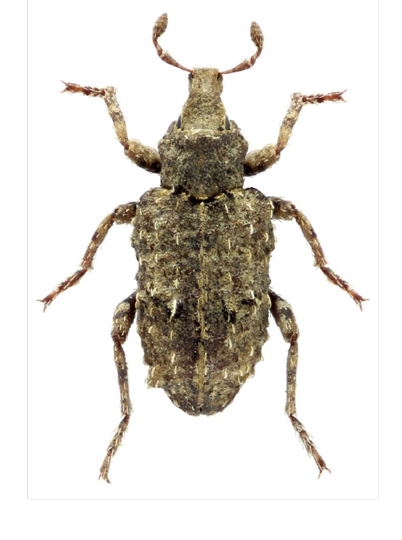
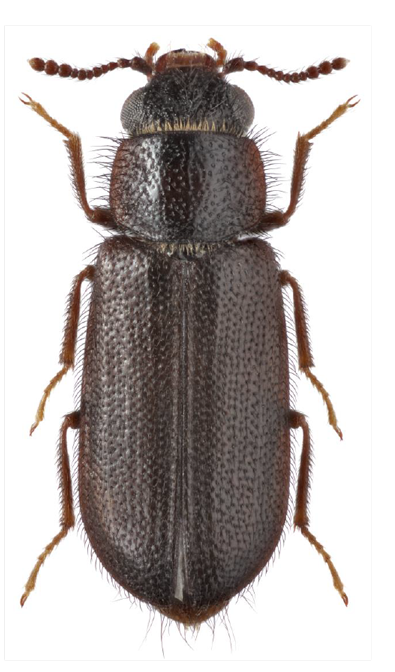
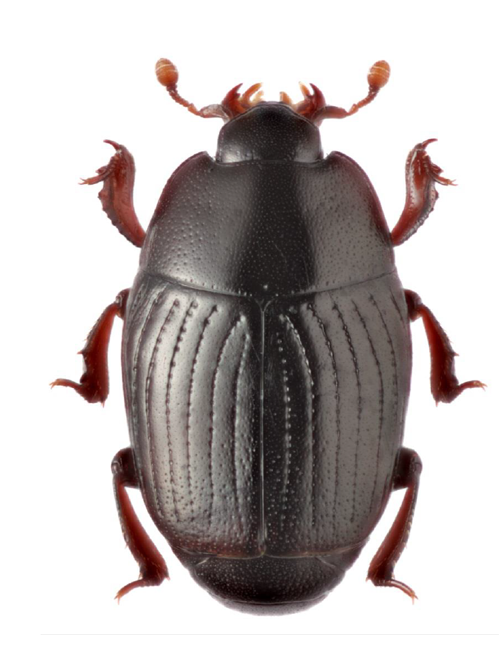
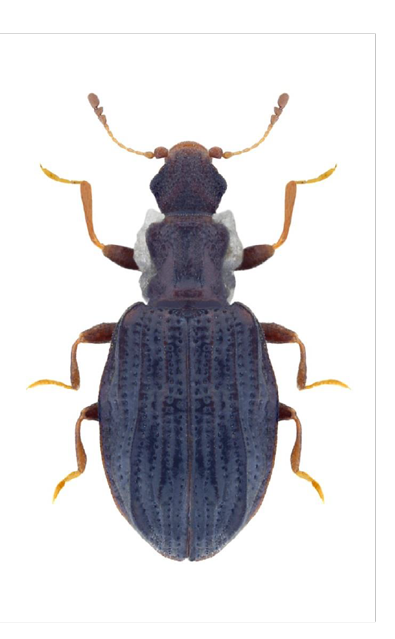
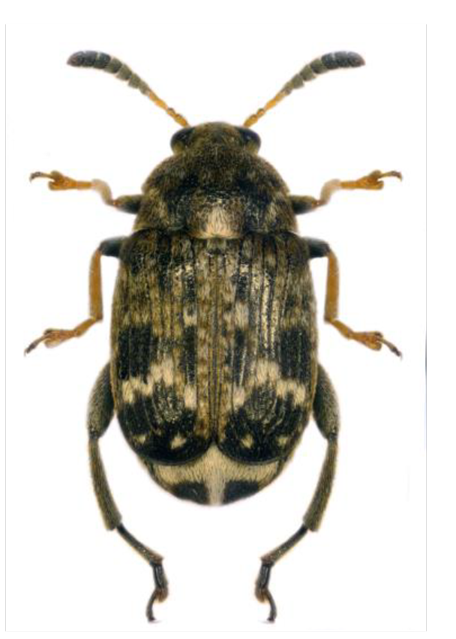
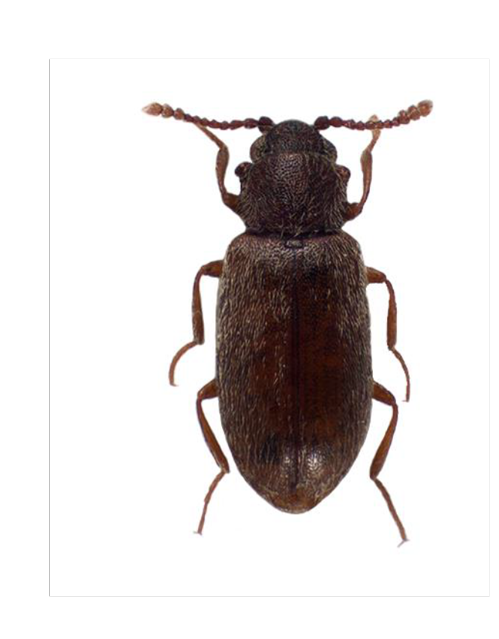
Work has been carried out on studying the ranges of invasive insects, the dynamics of their dispersal, probabilistic models of this dispersal, ecological modeling of potential ranges, and various aspects of the ecology, biology and systematics of these species. As part of this project, a Handbook of Alien Beetles of European Russia was compiled (https://www.elibrary.ru/item.asp?id=39322086), published in the «Alien Species of Russia» series. The handbook surpasses comparable publications on the alien coleopteran fauna of European countries both in the number of species covered and in the level of detail for each species. Criteria for establishing the alien status of beetle species have been formulated. The main patterns of the beetle invasion process into European Russia have been identified.
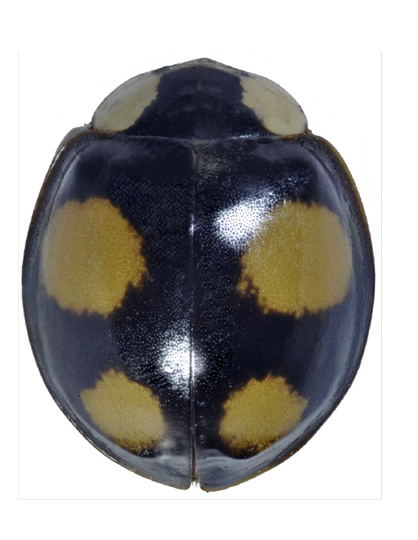
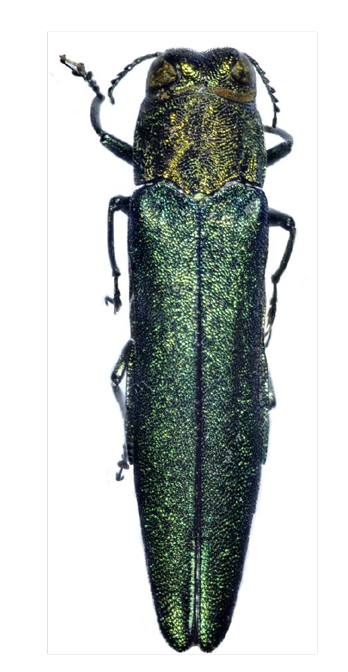
It has been established for the first time that the following new alien pests have penetrated European Russia: the ash pest, the American ash aphid Prociphilus fraxinifolii; the pest of bamboo and bamboo products, the bamboo borer Dinoderus japonicus; the pest of roses and other ornamental flowers, the leaf beetle Luperomorpha xanthodera; the soybean pest, the leaf beetle Medythia nigrobilineata; the potential cabbage pest, the weevil Aulacobaris cuprirostris; and the quarantine fruit-growing pest, the spotted wing drosophila Drosophila suzukii. A number of new data have been obtained on the most dangerous alien ash pest, the emerald ash borer Agrilus planipennis, which is currently spreading rapidly across European Russia and poses a threat to ash trees throughout Europe. Mathematical probabilistic modeling of the dispersal process of A. planipennis made it possible to forecast its spread across Europe in the coming years. A study of the dynamics of outbreaks and dispersal of two quarantine buprestid species — the apple pest Agrilus mali and the poplar pest A. fleischeri — showed that these Asian species could penetrate Europe in the same way as the emerald ash borer, which belongs to the same genus, previously did. An illustrated guide has been compiled to allow these species to be recognized should they appear. It has been established that the population of the alien ladybird Harmonia axyridis in the Caucasus is infected with the parasitic fungus Hesperomyces virescens and the parasitic nematode Parasitylenchus bifurcatus. It has been suggested that these parasitic species, not previously recorded in the Caucasus, entered the region as a result of a co-invasion with Harmonia axyridis.
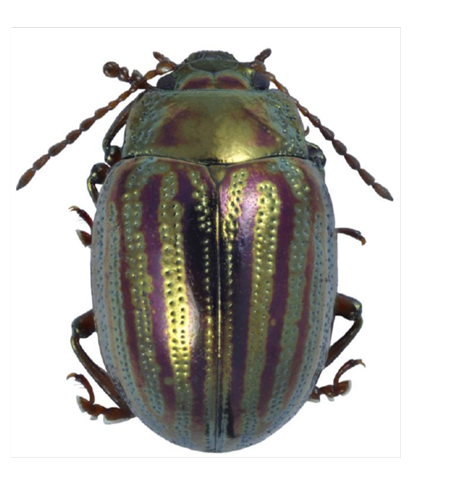
It has been established that an increase in leaf beetle invasions has recently been observed as a result of the intensification of international trade in live plants, with new alien leaf beetle species spreading very rapidly, colonizing most of Europe within a few decades. A number of results obtained between 2016 and 2020 concern quarantine pests and have been included in the official documents of the European and Mediterranean Plant Protection Organization: https://gd.eppo.int/reporting/article-6615; https://gd.eppo.int/reporting/article-6615; https://gd.eppo.int/reporting/article-6632; https://gd.eppo.int/reporting/article-6565; https://gd.eppo.int/reporting/article-5150. Laboratory staff took part in the work of the expert group of the Analytical Center under the Government of the Russian Federation in preparing Russia's first Voluntary National Review (2020), specifically the chapter "Protection and Restoration of Terrestrial Ecosystems".