
Photo-monitoring news from Chechnya, Ossetia, and Kabardino-Balkaria: the leopards released in 2022 are confirmed to be doing well
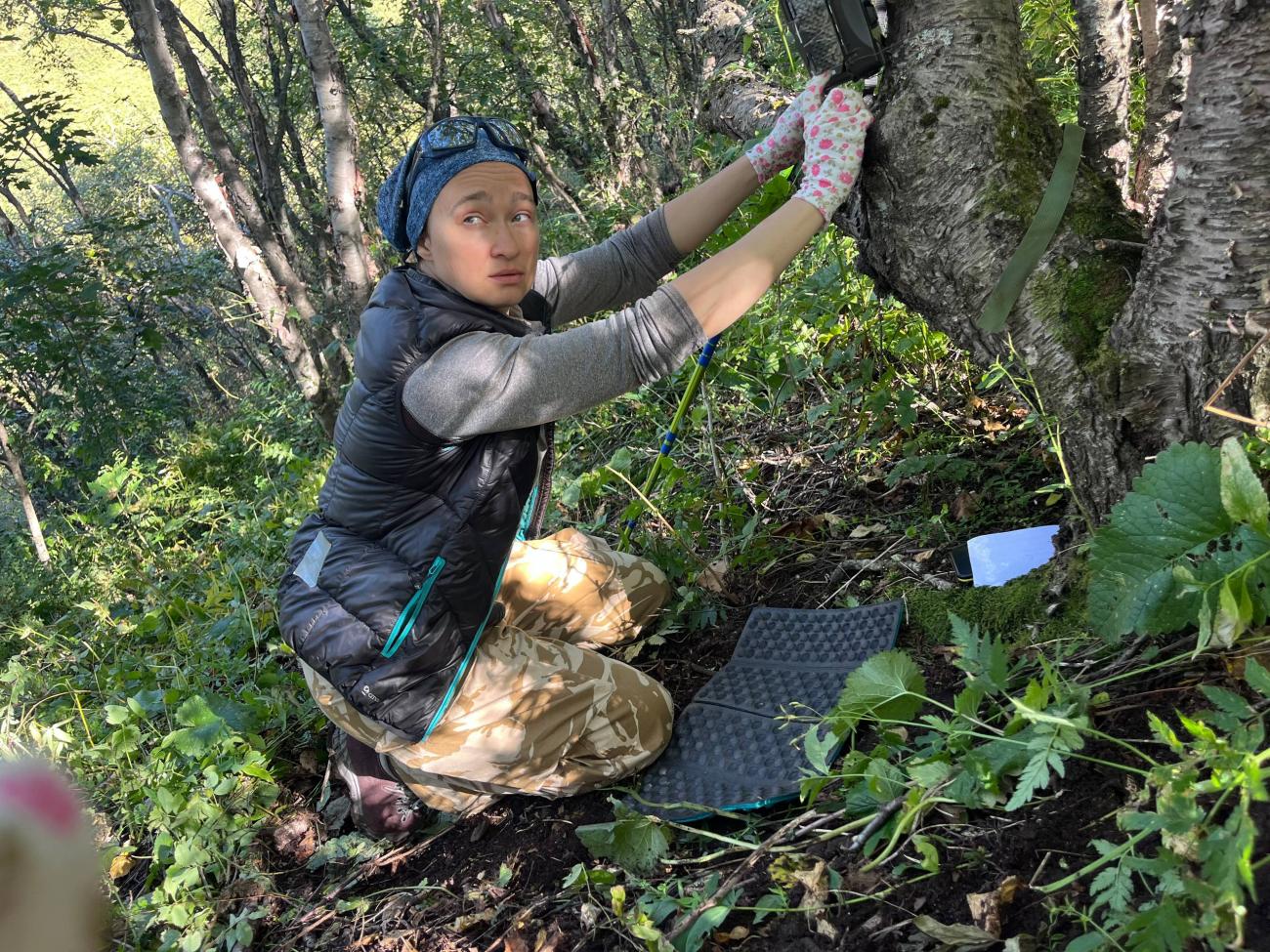
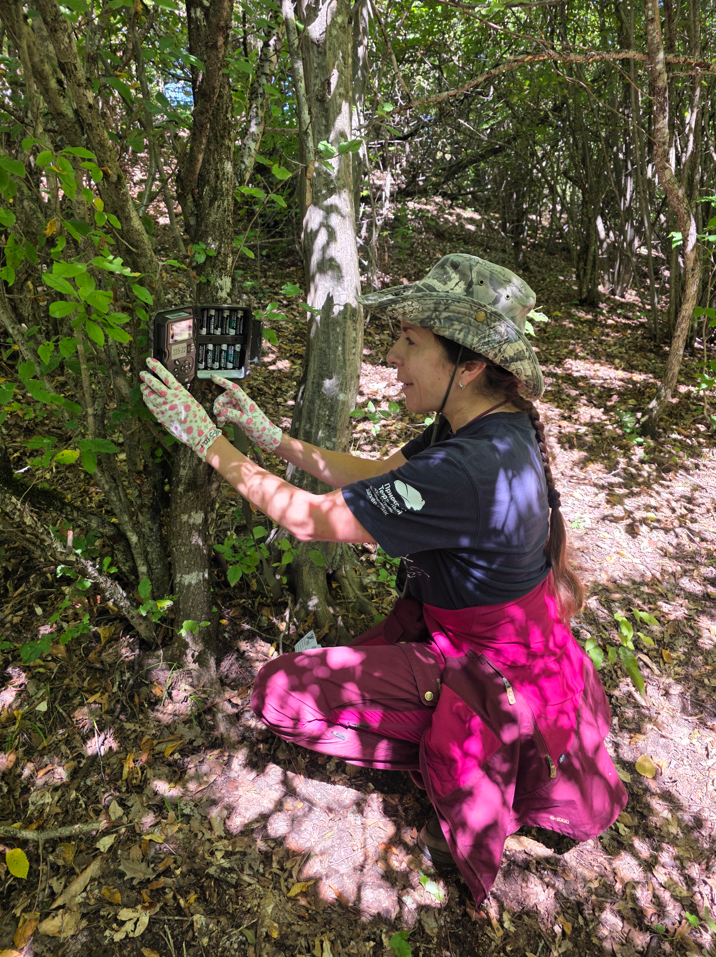
In September 2026, specialists from the A.N. Severtsov Institute of Ecology and Evolution of the Russian Academy of Sciences (IEE RAS) conducted a scheduled inspection of the photo monitoring system deployed in the Chechen Republic. Over 14 days, a matrix of 50 squares with sides of 2 km - a total area of 200 square kilometers - was surveyed. The inspection results confirmed the network's reliability: most cameras (over 80% of the matrix) performed well during the summer season, almost all retained battery power, and not a single camera trap was stolen.
Systematic camera trapping in Chechnya is being implemented as part of the "Establishment of a National Network for Wildlife Photo Monitoring in Protected Areas" program, initiated by the Central Forest Nature Reserve and supported by a grant from the Presidential Fund for Nature. It is also part of the planned work of the Russian Ministry of Natural Resources' Federal Program, with scientific support from IEE RAS, aimed at restoring the Persian leopard in the Caucasus. The methodological basis for photo monitoring is the CAMMON program, previously developed at the Central Forest Nature Reserve and published in 2025. The network is constructed using a "uniformly random" principle, allowing for the collection of representative data on the status of mammal populations, including endangered species.
Developing photomonitoring in the Caucasus is crucial. Only a systematic, non-invasive method makes it possible to track the dynamics of ecosystems and their key components, as well as objectively assess the success of long-term projects such as the “Restoration of the Persian Leopard in the Caucasus” program. Without understanding the current state of natural systems and their changes, it is impossible to properly plan and develop efforts to reintroduce this predator to the wild.
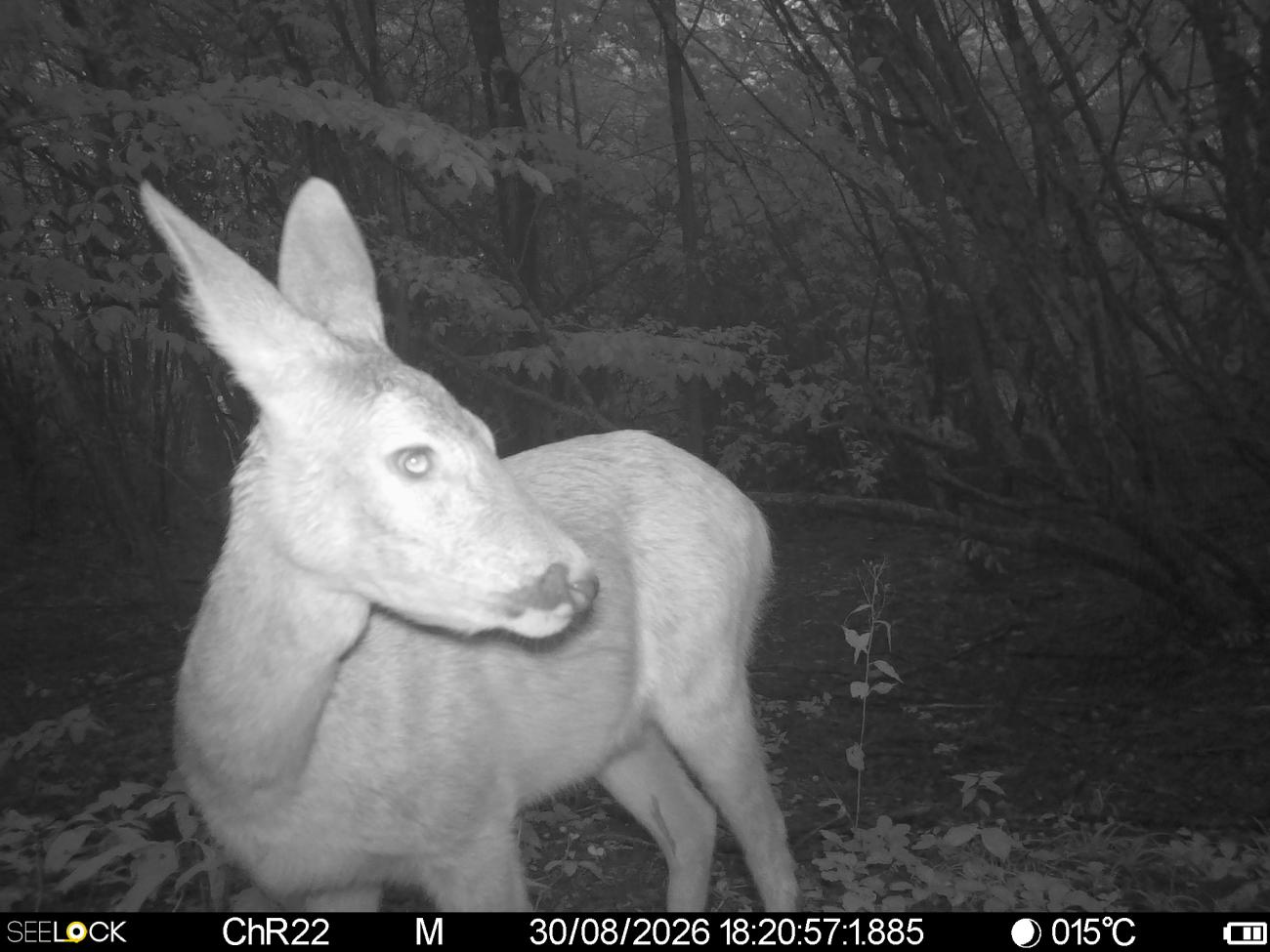
Meanwhile, 30 camera traps are being tested in North Ossetia-Alania as part of the project "Guardians of the Mountains and Masters of the Forests – the Persian Leopard and the Bison." The project, run by the Berkut State Budgetary Institution of the Ministry of Natural Resources and Environment of the Republic of North Ossetia-Alania, also received support from the Presidential Nature Fund and is being implemented with scientific supervision from IEE RAS. It aims to create an effective monitoring system for the Persian leopard, the European bison, and related species.
This summer, 30 camera traps were installed in the Turmonsky State Nature Reserve. A scheduled camera inspection and initial data collection are currently underway. The photographs obtained during this work are very encouraging; we will soon publish the most interesting ones. Much work lies ahead, including processing the collected data.
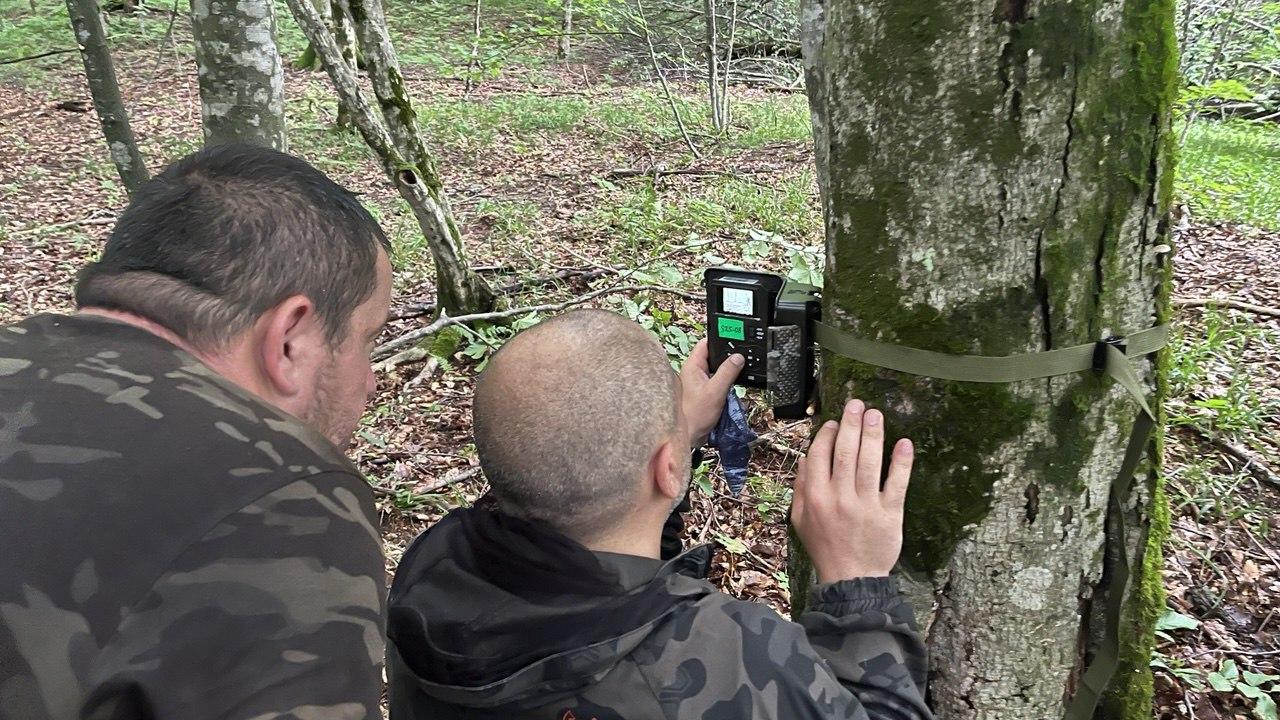
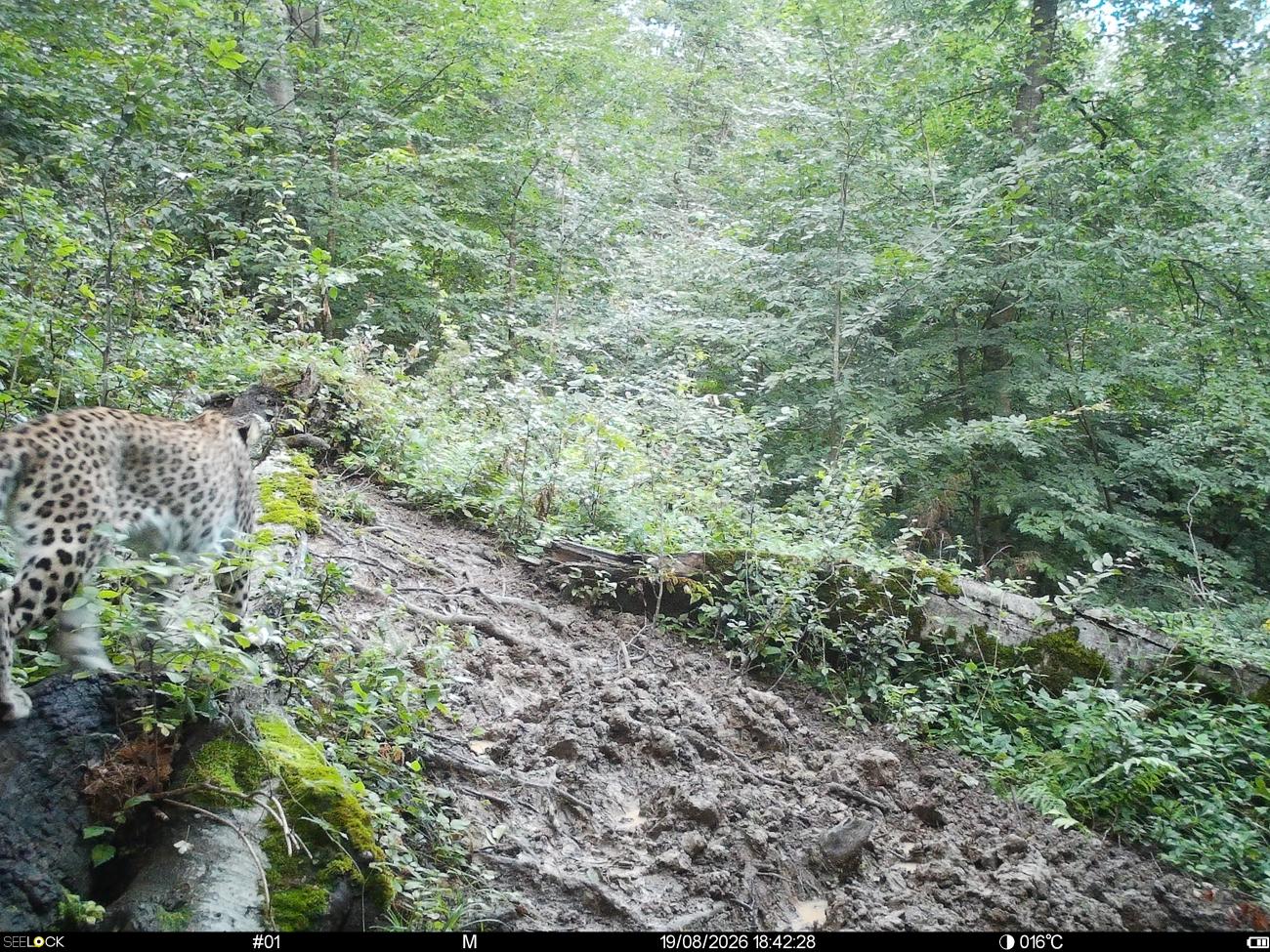
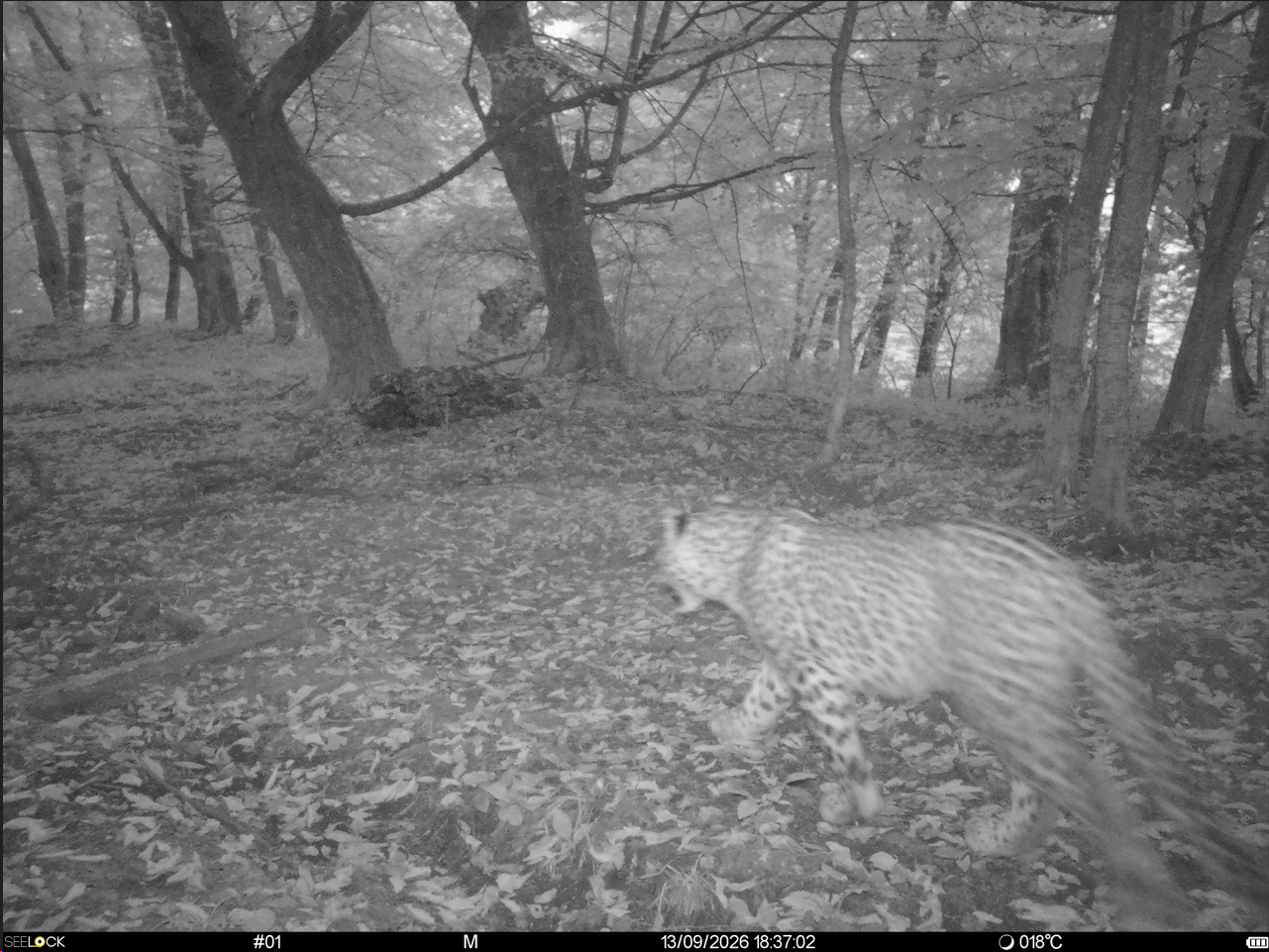
Photo monitoring in Kabardino-Balkaria confirmed that the female Persian leopards, Khosta and Laura, released in Ossetia in 2022, are still alive. The latest photographs were taken in September 2026 by Alim Pkhitikov, a senior researcher at the A.K. Tembotov Institute of Mountain Ecology of the Russian Academy of Sciences (IEMT RAS) and a member of the leopard field monitoring team. Khosta was previously recorded in Kabardino-Balkaria without her GPS collar, which indicates that the device detached automatically as designed once its operational lifespan had ended, while the predator has successfully adapted to an independent life in the wild.
The results confirm that the camera-monitoring network in the Caucasus has the potential to become an effective tool for the long-term observation of rare species. The A.N. Severtsov Institute of Ecology and Evolution of the Russian Academy of Sciences (IEE RAS) continues to develop this initiative, expanding both the geographical scope of its research and its methodological framework - ranging from the standardization of the network according to CAMMON Program protocols to the upcoming integration of the Caucasus model sites into Russia’s first national camera-monitoring network across protected areas.
Photographs provided by Anna Yachmennikova. More photos can be viewed at the link.
Related materials: