

How dams, hydroelectric power plants, and reservoirs make life more difficult for young river fish
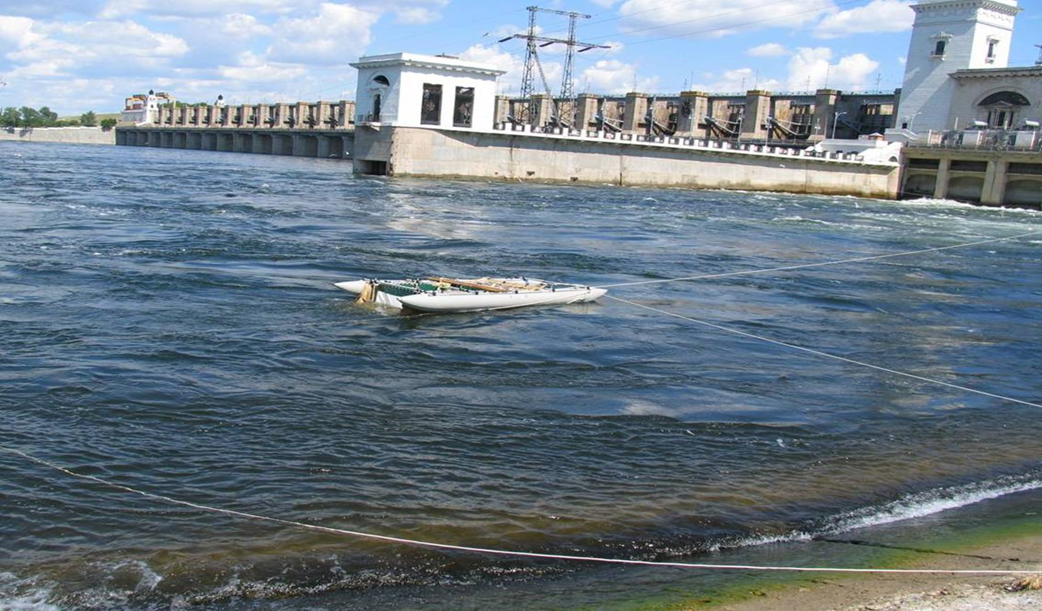
Most of the world’s rivers are obstructed by dams, which significantly alter the characteristics of their ecosystems. Fish are among the river inhabitants most severely affected by this - contrary to the initial belief that the large, man-made reservoirs would actually benefit them. Ecologists and ichthyologists, who began studying these "regulated" rivers in an effort to rectify past miscalculations, first focused on the disruption of upstream spawning migrations of adult fish. A second major issue that has drawn considerable attention from researchers is the mass mortality of juvenile fish - which migrate downstream - as they pass through the turbines of hydroelectric power plants.
Researchers at the Laboratory of Behavior of Lower Vertebrates at the A.N. Severtsov Institute of Ecology and Evolution of the Russian Academy of Sciences (IEE RAS) who have spent many years studying the ecology of juvenile fish in both natural and regulated rivers have discovered that the problems faced by fish are not limited to the areas immediately adjacent to hydroelectric dam sites. Upstream of a dam, the river widens and its flow slows down significantly, transforming into a lake-like body of water that is far less suitable for juvenile fish than an undisturbed, free-flowing river.
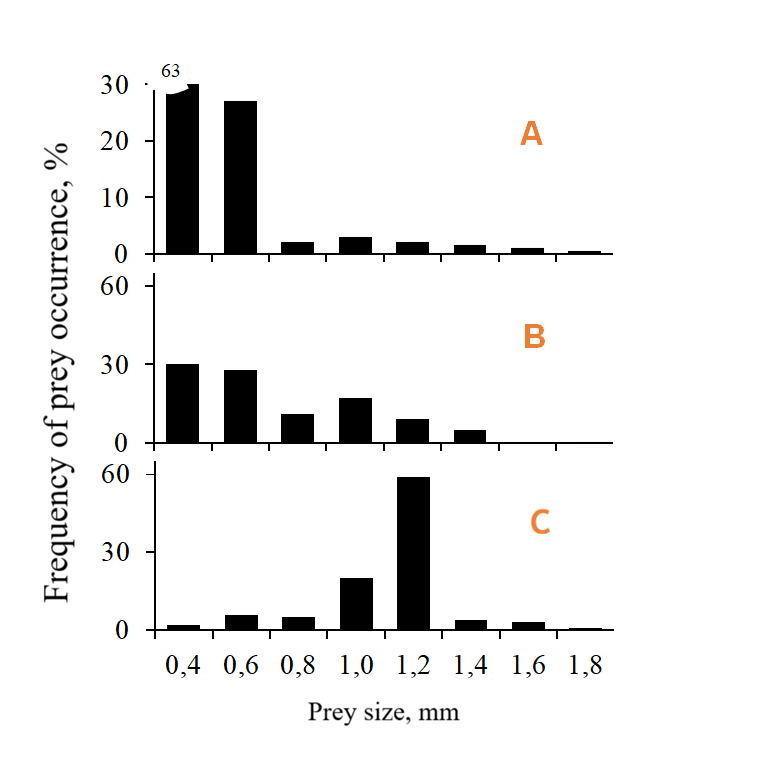
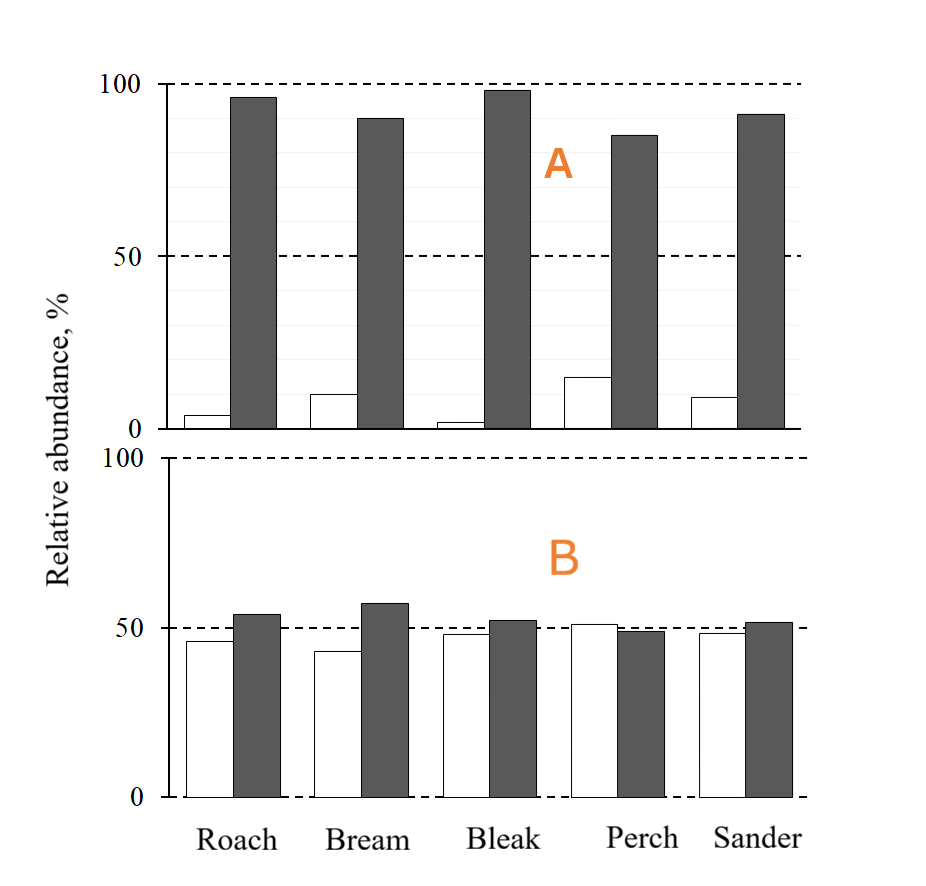
A natural river provides fish with the conditions and habitats they need throughout their entire life cycle. Numerous fry, having hatched in spawning grounds in the upper reaches of the river, eventually disperse downstream in search of food, seeking out open areas that offer shelter. This dispersal is facilitated by the river’s current - swift in the center and gradually slowing toward the banks. Flow gradients near the shore make it easier for the fish to move from the nearshore zone (a resident habitat) into the main current (a migratory habitat) in the evening, and to return again in the morning. Juvenile fish primarily feed in the heterogeneous, shallow nearshore areas, which abound with accessible food and places to hide. In a reservoir, this favorable environment is disrupted, making it significantly more difficult for juvenile fish to carry out essential life functions - such as feeding, avoiding predators, and migrating. In the homogeneous water column of the reservoir’s vast, open expanse, the fish are able to secure less food, and what they do find consists mostly of small prey. In contrast, in the heterogeneous, current-swept nearshore zones, their diet consists largely of much bigger prey, which substantially increases the fish’s overall food intake (Fig. 1).
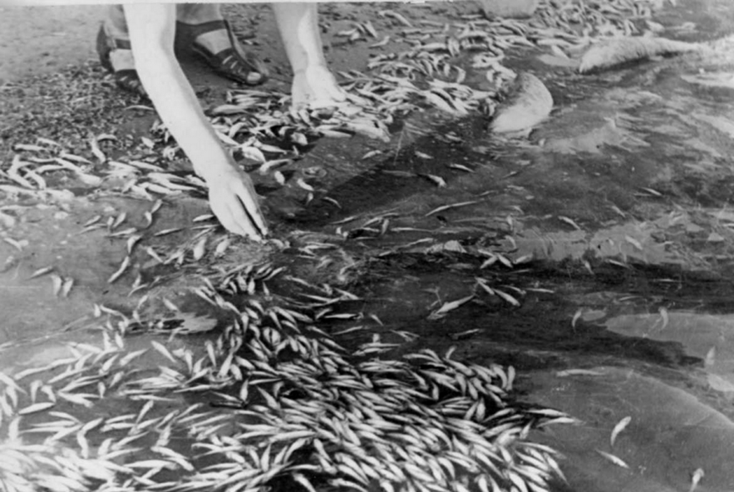
Unlike in a natural river - where migration almost always occurs at night, leaving the migratory habitat empty during the day - in a reservoir, juvenile fish are present in the migratory habitat both day and night. During daylight hours, in a homogeneous environment lacking shelters or navigational cues, migrating fish easily fall prey to predators, leading to a significant increase in population mortality (Fig. 2). Furthermore, the migration period for juveniles - a phase fraught with various risks - is more protracted in a reservoir than in an undisturbed river. Consequently, the turbines of a hydroelectric power plant claim the lives not only of numerous fry but also of older, more valuable young-of-the-year fish.
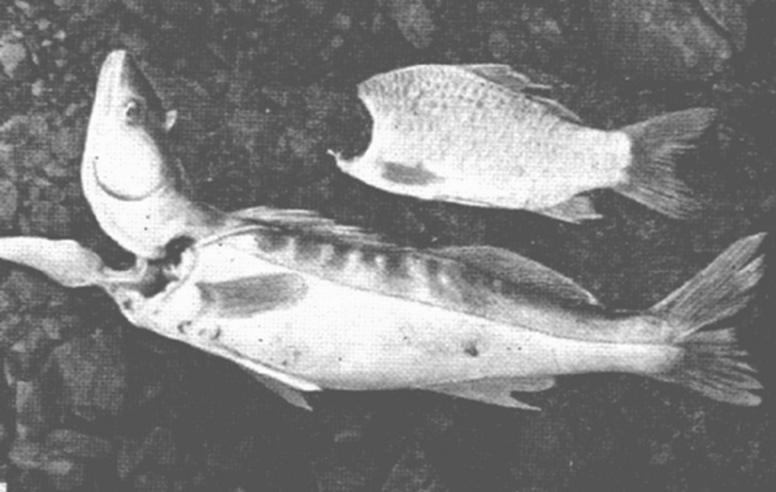
In analyzing the influence of environmental heterogeneity (such as topographic complexity and flow gradients) the researchers discovered that this factor significantly slows the downstream migration of juvenile fish, both across the reservoir as a whole and in the vicinity of hydroelectric power plant dams. Water flowing toward a dam carries far fewer fish if, before reaching the turbines, it has passed through heterogeneous habitats rich in orientation cues and refuges. Conversely, juvenile fish inhabiting open, homogeneous areas of the water column have far less capacity to resist the current and are easily swept out of the reservoir. Many of these fish perish or sustain various injuries upon entering the HPP turbines (see photo).
What practical value can be derived from these findings? The study’s lead researcher, an Academician of the Russian Academy of Sciences Dmitry Pavlov, proposes an "ecological approach" to protecting fish populations in reservoirs: "One of the fundamental principles for managing regulated ecosystems is to spatially and temporally decouple areas with high fish concentrations from the negative impacts associated with the operation of reservoirs and hydroelectric power plants. Scientifically grounded forecasts and data regarding the behavioral patterns and spatial distribution of various ecological groups of fish within a heterogeneous environment can prove invaluable for developing programs aimed at the conservation and restoration of fish resources."