
The 17th Conference of the Parties to the UN Convention on Biological Diversity has opened in Yerevan
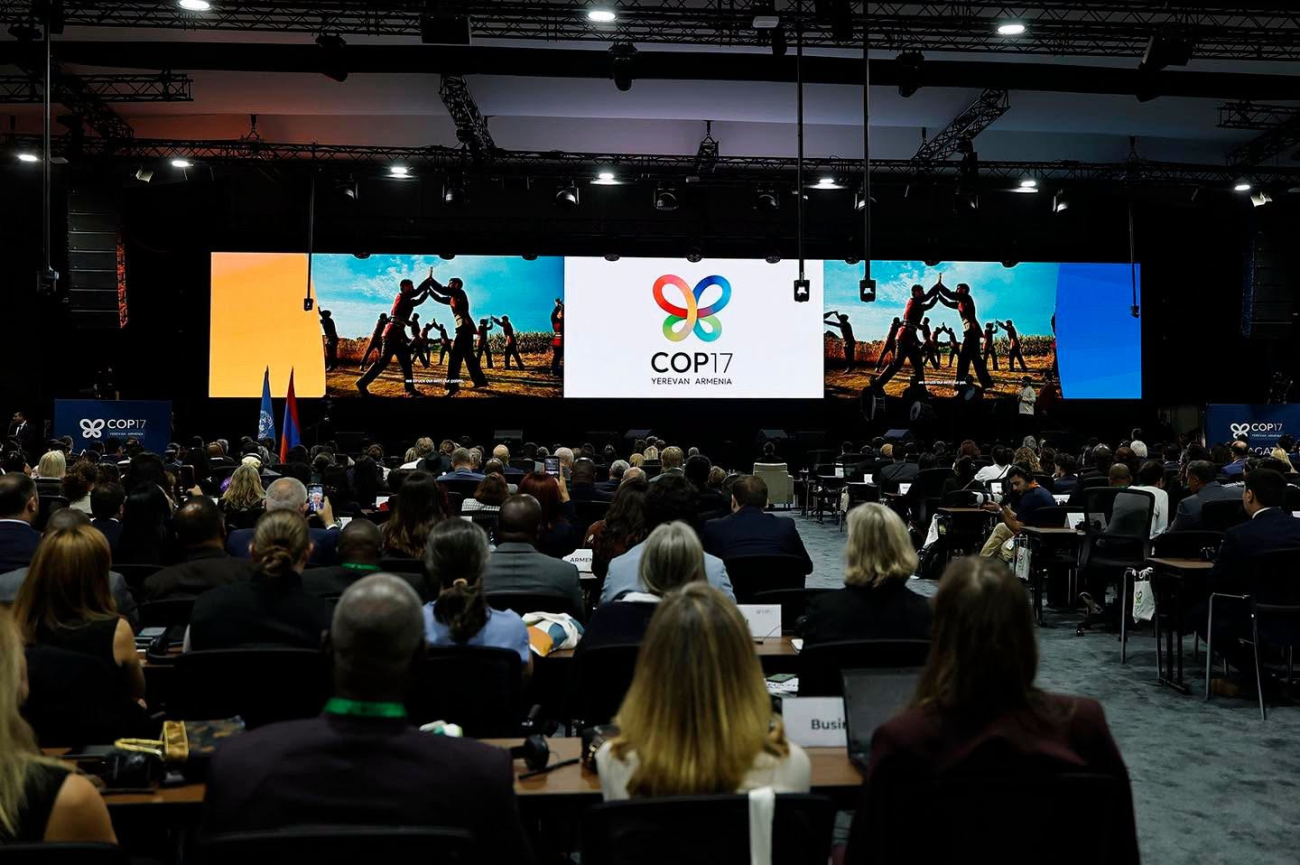
On October 19, 2026, the 17th Conference of the Parties to the UN Convention on Biological Diversity (COP17) began in Yerevan, Armenia. It is the largest international event dedicated to the conservation and sustainable use of the planet’s biological diversity. The conference will run until October 30, bringing together representatives from national governments, international organizations, the scientific community, and environmental organizations.
The primary theme of COP17 is "Taking Action for Nature." The central focus of the conference will be the first global assessment of the implementation of the Kunming-Montreal Global Biodiversity Framework, which was adopted in 2022. This framework outlines 23 targets to be achieved by 2030, aimed at halting biodiversity loss and restoring natural ecosystems.
A key document at the conference is the inaugural global report, "State of Biodiversity Action," prepared under the auspices of the UN Convention on Biological Diversity and released on October 15, 2026. The report summarizes progress on international commitments, drawing on national reports, strategies, and action plans for biodiversity conservation.
According to the data presented, nearly 90% of countries have established national biodiversity targets; however, fewer than half of these targets are on track to be met within the set timeframes. This highlights the urgent need to accelerate conservation efforts, improve monitoring systems, and expand international scientific cooperation.
Key priorities for COP17 include conserving at least 30% of land and marine areas by 2030, restoring degraded ecosystems, mitigating threats from invasive species and environmental pollution, and developing financing mechanisms for conservation initiatives.
Scientific research and long-term biodiversity monitoring are of particular importance for achieving global goals. Assessing the status of populations and ecosystems, investigating the drivers of species decline, and developing biological indicators and advanced observation methods make it possible not only to track changes in the natural environment but also to evaluate the effectiveness of implemented conservation measures.
The delegation includes a group of scientists from the A.N. Severtsov Institute of Ecology and Evolution of the Russian Academy of Sciences (RAS). In addition to contributing to the Convention’s final documents, they will present the Institute’s work conducted at international biological research stations, as well as research on marine mammals and other key areas of study.
It is expected that, following COP17, countries will define further steps to accelerate the fulfillment of global biodiversity conservation commitments. The outcomes of the conference will be significant for the development of national conservation strategies, the advancement of international cooperation, and the scientific support required for monitoring the state of natural ecosystems.
Report materials from the UN Convention on Biological Diversity