
20th Anniversary Meeting on Soil Zoology and Ecology
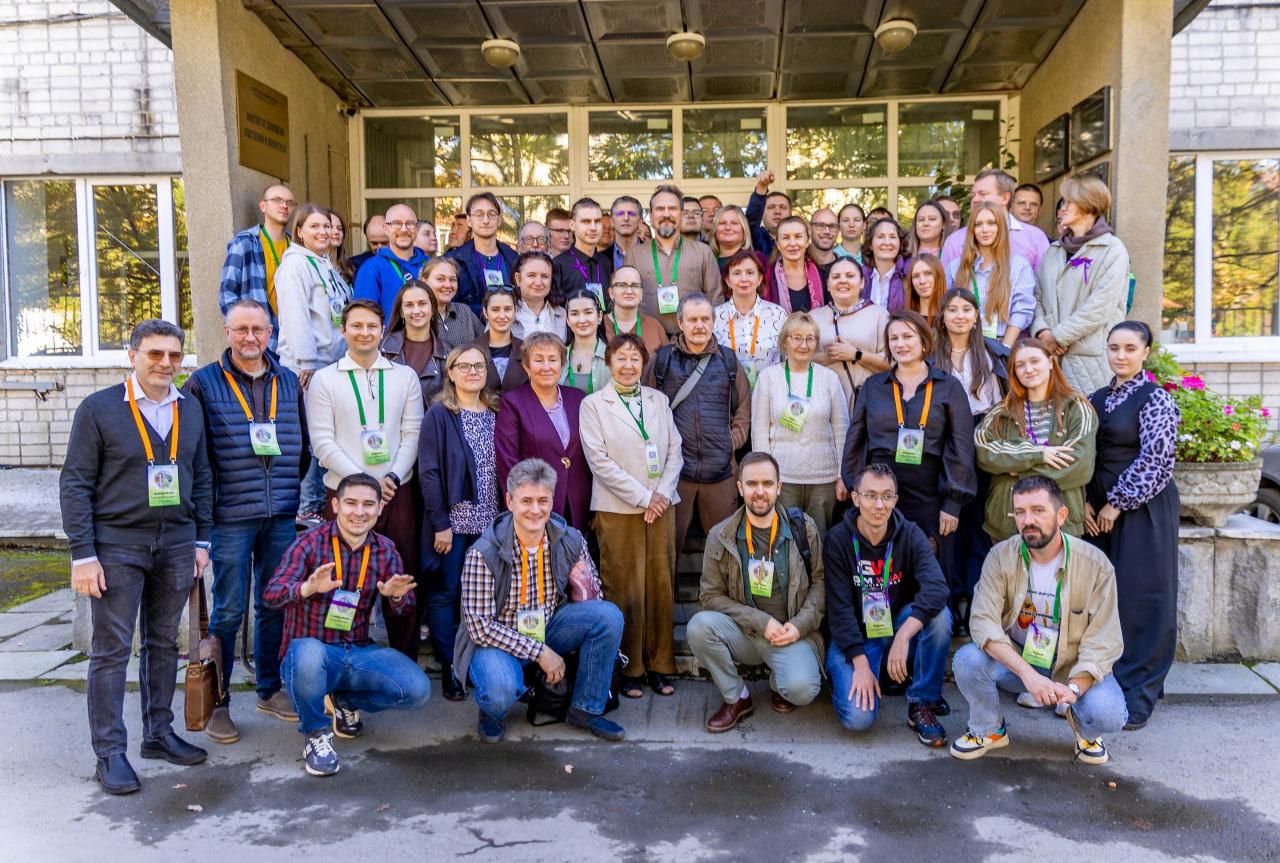
From September 14 to 18, 2026, the 20th Meeting on Soil Zoology and Ecology - an all-Russian conference with international participation - was held in Yekaterinburg at the Institute of Plant and Animal Ecology of the Ural Branch of the Russian Academy of Sciences (IPAE UB RAS). This event, which serves as the primary gathering for soil zoologists in Russia, was organized by the IPAE UB RAS and the A.N. Severtsov Institute of Ecology and Evolution of the Russian Academy of Sciences (IEE RAS).
The 20th Meeting is an anniversary: the tradition dates back to 1958, when the first gathering of soil zoologists was organized by Academician M. S. Gilyarov, the founder of soil zoology in this country. Over the decades, this meeting has become a vital forum for discussing research findings and fostering professional interaction among specialists who study soil fauna.
The meeting brought together more than 150 specialists from 30 cities across Russia and abroad, representing over 40 scientific and educational organizations. The participants’ geographical reach spanned nearly the entire country - from Kaliningrad and the Murmansk Region to Yakutia and Blagoveshchensk. Presentations were also delivered by contributors from Kazakhstan, Germany, Vietnam, and China. Participating organizations included leading academic institutes (such as IEE RAS, IPAE UB RAS, the Institute of Biology of the Komi Science Centre of the Ural Branch of the RAS, the Institute of Systematics and Ecology of Animals of the Siberian Branch of the RAS, the Institute of Biological Problems of the Cryolithozone of the Siberian Branch of the RAS, and the Centre for Forest Ecology and Productivity of the RAS), various universities (including Lomonosov Moscow State University, Moscow Pedagogical State University, Omsk State Pedagogical University, Perm State University, University of Tyumen, and others), as well as nature conservation institutions. The vast majority of participants traveled to Yekaterinburg for the meeting, with only a few presentations delivered online.
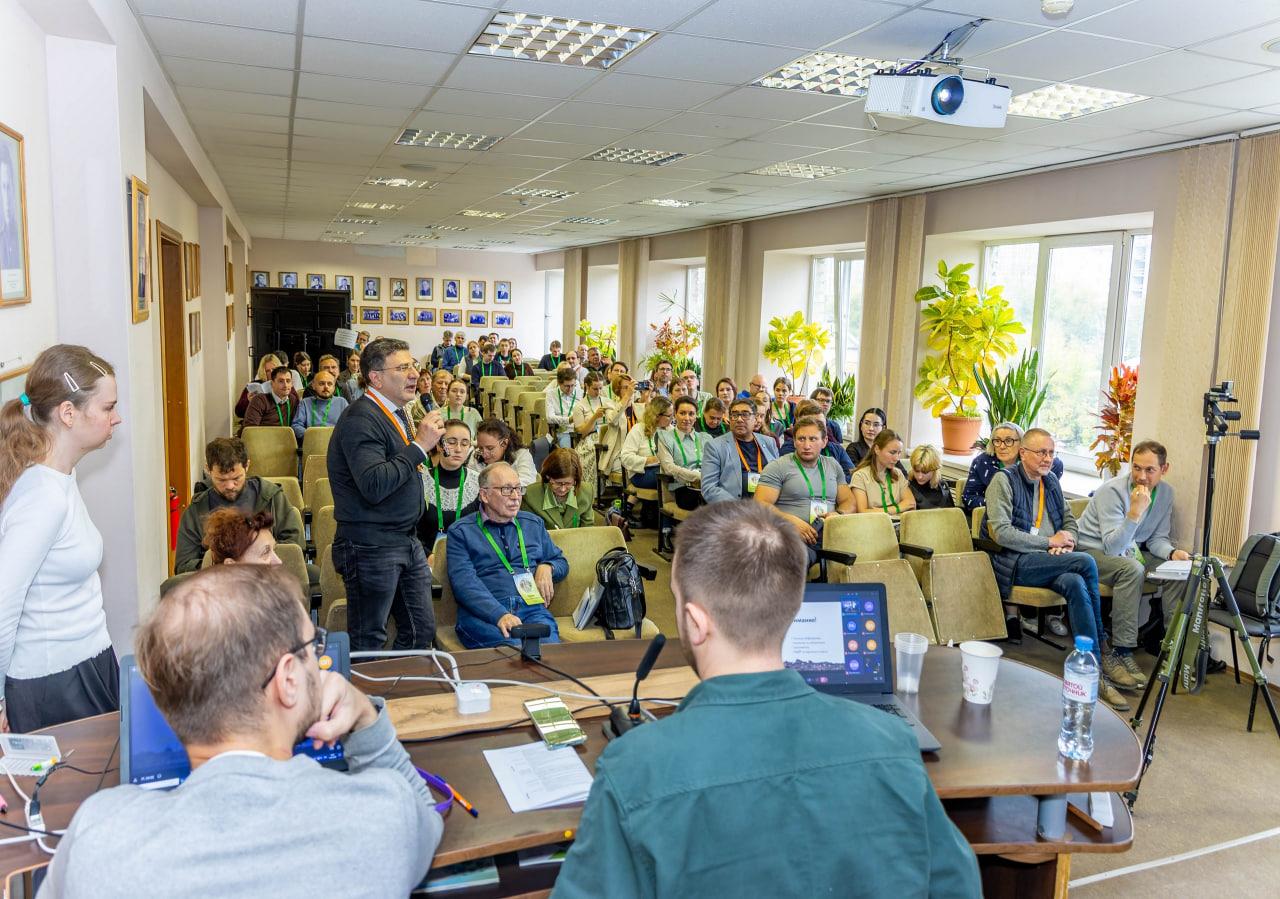
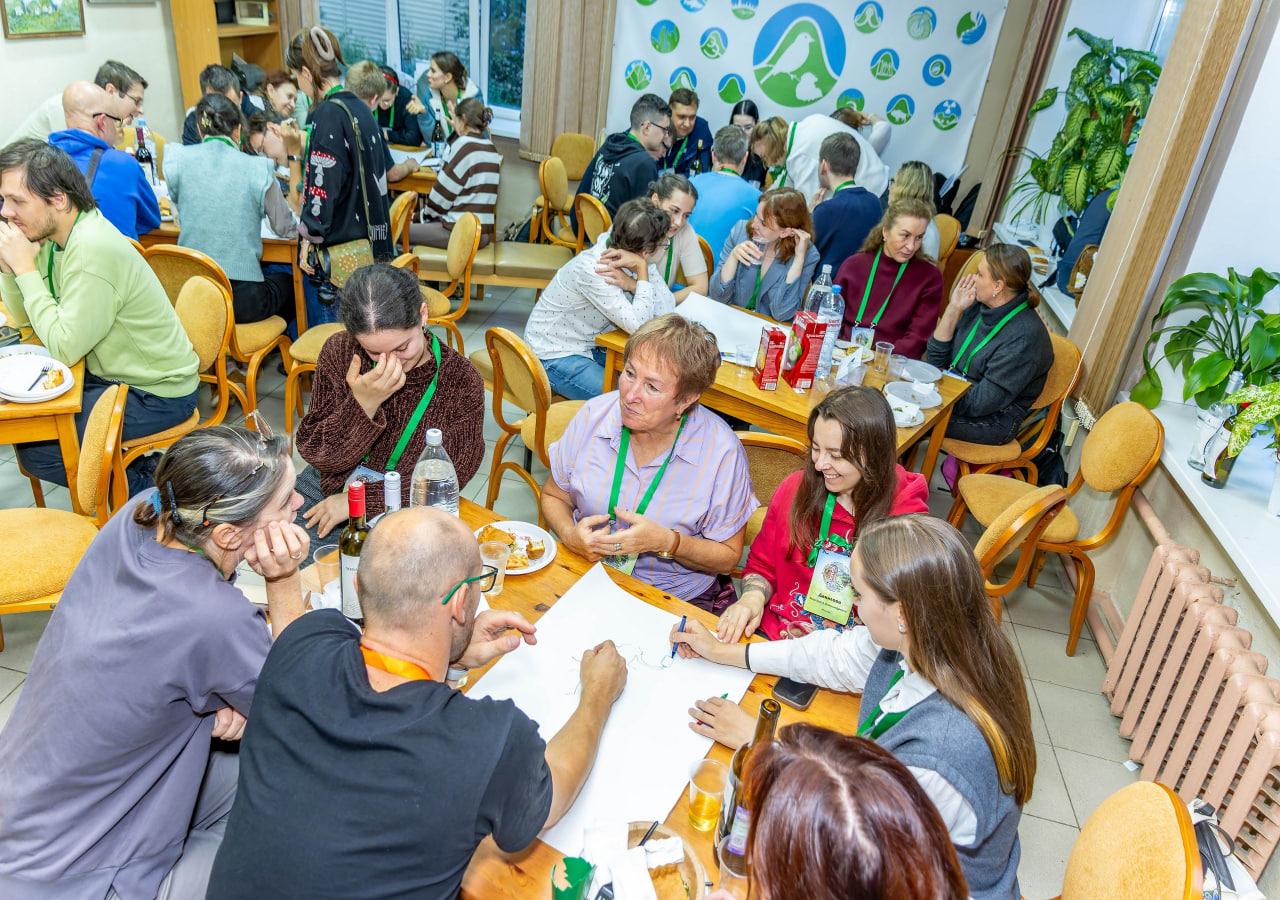
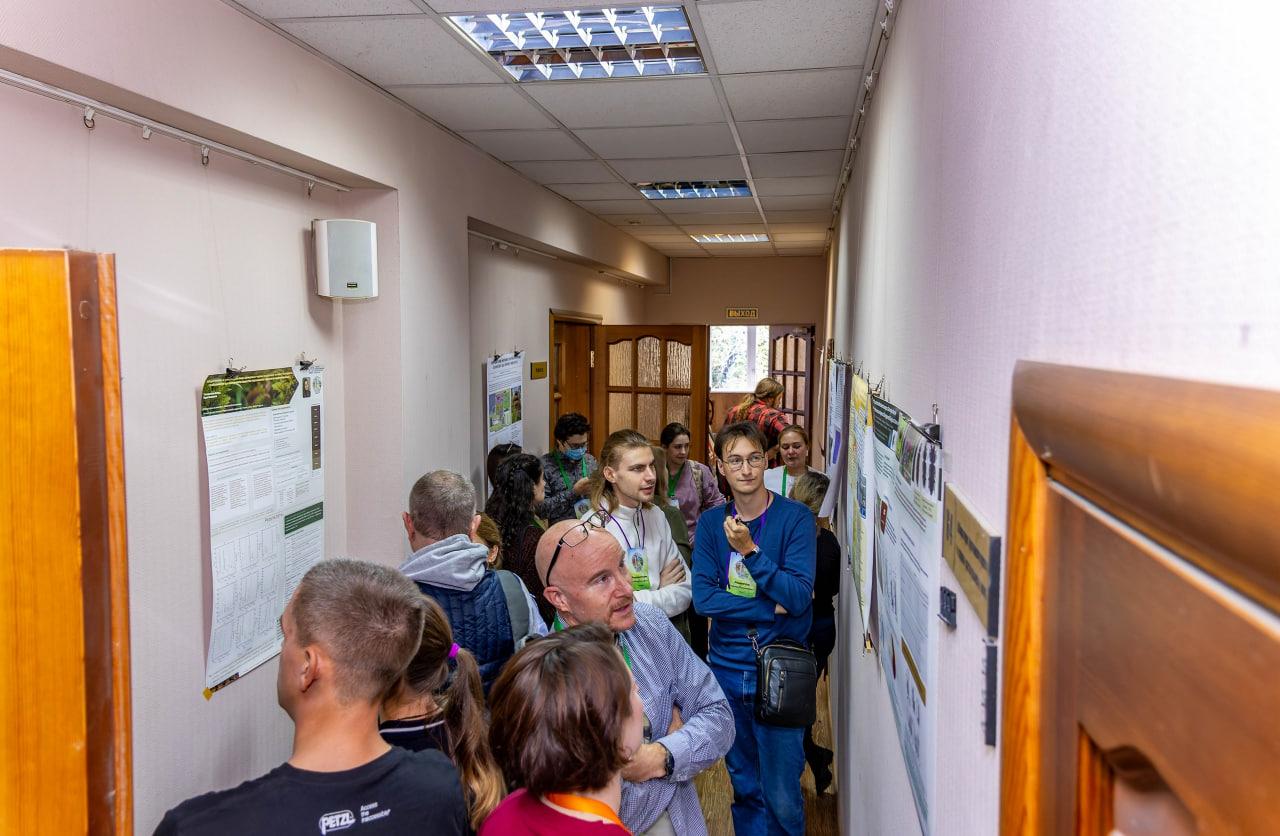
The scientific program included 16 plenary presentations, 7 thematic sessions, and a poster session. Dedicated time was set aside each day for discussions. The topics covered all key areas of modern soil zoology: the functional ecology of soil communities; their responses to natural and anthropogenic environmental changes; the study of soil as a habitat for invertebrates; the analysis of faunal diversity; the faunistics and systematics of soil-dwelling animals; and the application of molecular-genetic techniques in soil zoological research.
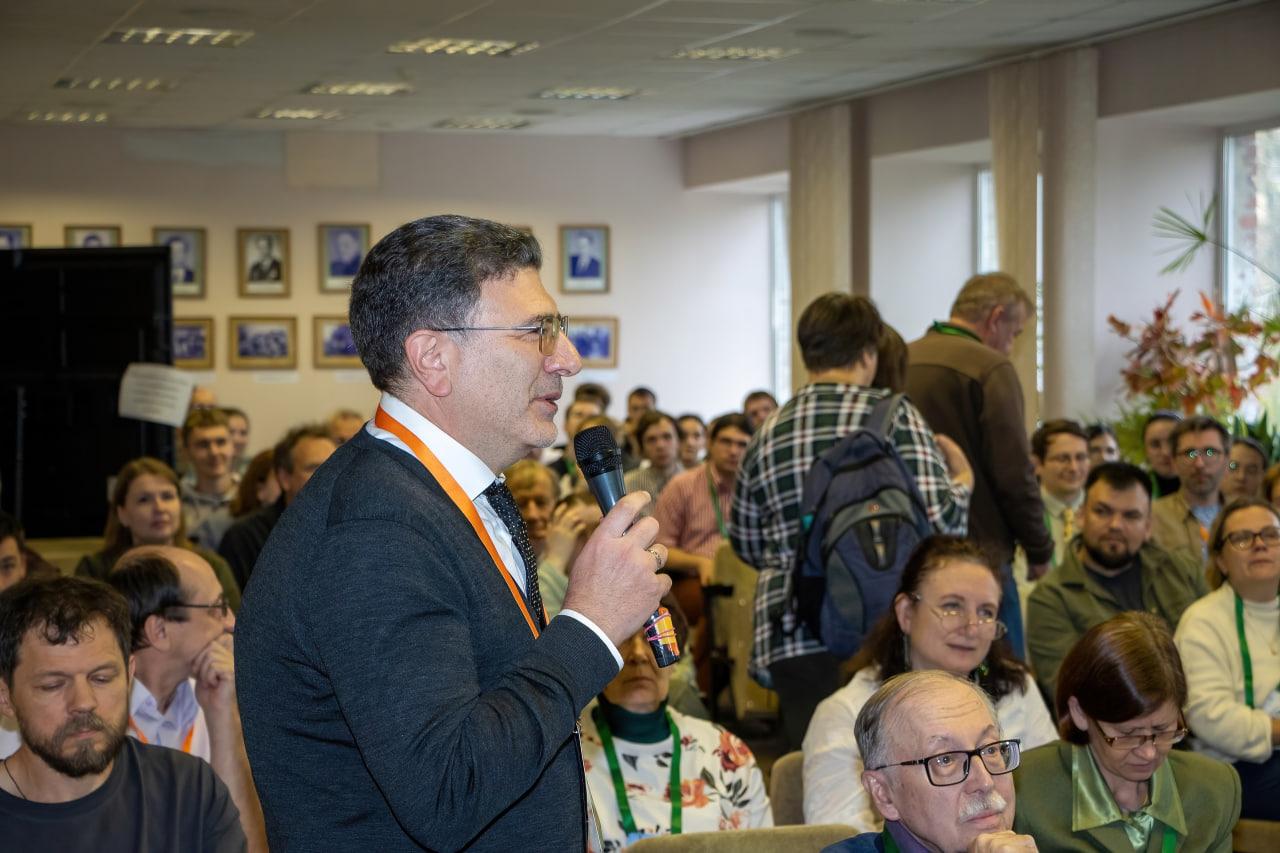
The plenary presentations sparked genuine interest among the meeting participants.
A.V. Tiunov (A.N. Severtsov Institute of Ecology and Evolution, RAS, Moscow) provided an overview of contemporary research on the structure and function of soil food webs;
K.B. Gongalsky (IEE RAS, Moscow) discussed the ecological functions of soils and the assessment of soil multifunctionality;
D.I. Korobushkin (IEE RAS, Moscow) addressed the standardization of size-based classification for soil fauna;
E.V. Golovanova (Omsk State Pedagogical University, Omsk) examined the role of earthworms in soil structure formation;
A.V. Uvarov (IEE RAS, Moscow) explored inter- and intraspecific interactions within lumbricid assemblages;
E.L. Vorobeichik (Institute of Plant and Animal Ecology, Ural Branch of the RAS, Yekaterinburg) covered the development of the bait-lamina test and its application in ecological research;
A.N. Tsyganov (Lomonosov Moscow State University, Moscow) discussed regional patterns in the formation of soil protist communities;
I.N. Korkina and E.L. Vorobeichik analyzed the use of humus forms to assess non-equilibrium states in soil saprophage complexes;
D.A. Rumak and A.A. Polilov (Lomonosov Moscow State University, Moscow) investigated the allometry of internal organs in collembolans;
A.P. Geraskina (Center for Forest Ecology and Productivity, RAS, Moscow) looked at the recovery of lumbricid fauna following plowing;
L.A. Trilikauskas (Institute of Systematics and Ecology of Animals, Siberian Branch of the RAS, Novosibirsk) focused on spiders and harvestmen in the "chernevaya" (dark-coniferous/aspen-fir) taiga;
A.N. Sozontov (Institute of Plant and Animal Ecology, Ural Branch of the RAS, Yekaterinburg) addressed the digitalization of literature-based data on spider distribution;
Yu.Yu. Davydova (NSPU, Nizhny Novgorod) delivered a presentation on the behavioral mechanisms of interactions in collembolans;
A.A. Kudrin (Institute of Biology, Komi Science Centre, Ural Branch of the RAS, Syktyvkar) – on free-living nematodes found on tree bark;
A.S. Zaitsev (IEE RAS, Moscow) – on the impact of land use on the diversity and structure of oribatid mite assemblages;
and S.M. Tsurikov (IEE RAS, Moscow) – on the differentiation of trophic niches in soil-dwelling animals along resource and climatic gradients.
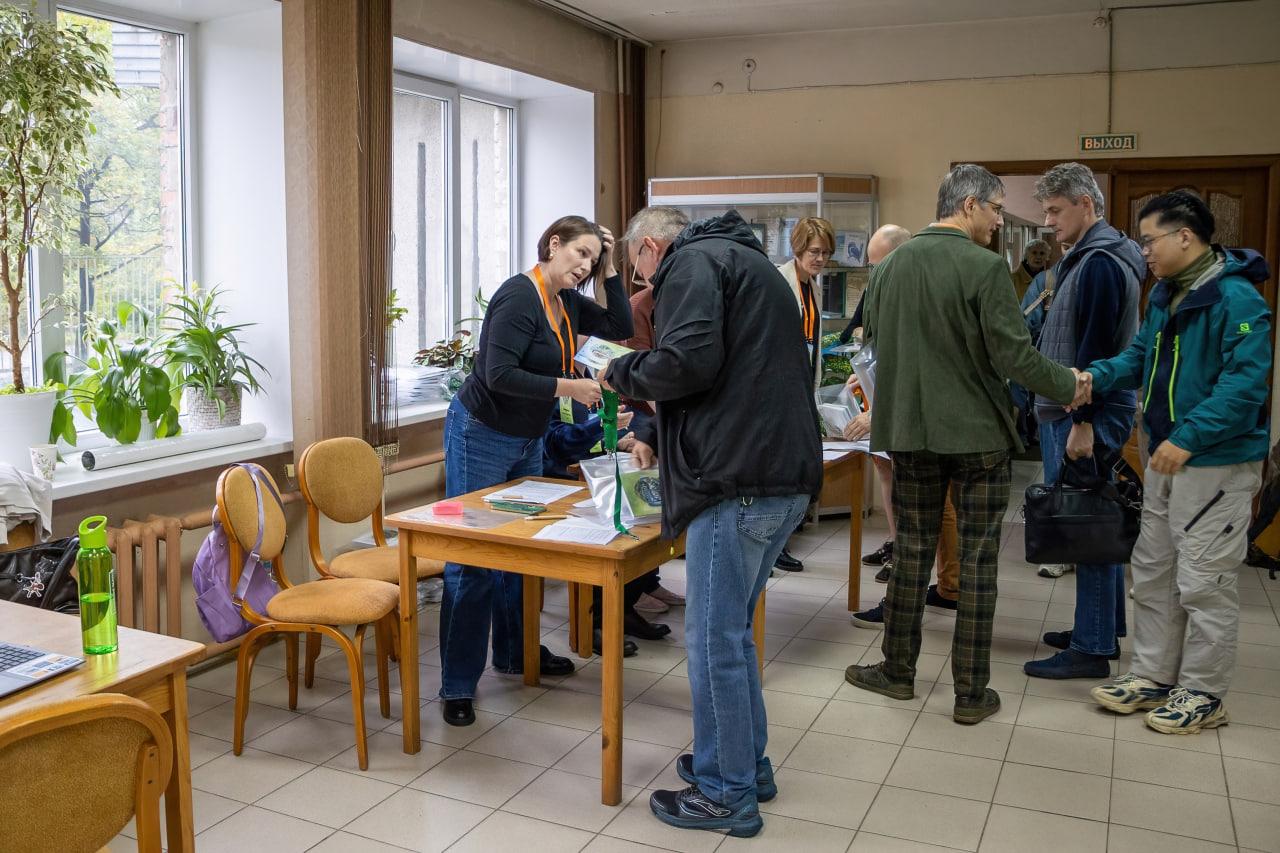
The sectional sessions showcased a broad spectrum of research - ranging from the ecology of specific invertebrate groups (collembolans, oribatid mites, nematodes, earthworms, myriapods, and spiders) to the assessment of soil communities under the influence of urbanization, pollution, recreational pressure, and climate change. Notable presentations included:
N. A. Kuznetsova and M. B. Potapov (MSPU, Moscow) on the concept of "species" in soil zoology;
K. V. Kotelnikova (IEE RAS, Moscow) on the impact of forest stand age on the functional diversity of communities in mixed coniferous-broadleaf forests;
A. A. Kudrin and A. A. Taskaeva (Institute of Biology, Komi Science Centre, Ural Branch of the RAS, Syktyvkar) on the influence of root-derived organic matter (root litter) on soil animal communities;
V. A. Krivosheeva and M. M. Pogodaev (UTMN, Tyumen) on generating COI barcodes from mixed invertebrate samples using nanopore sequencing;
E. B. Varlamov (Dokuchaev Soil Science Institute, Moscow) on the soil mineralogy of "steppe saucers" (depressions) within the *limans* (wetland depressions) of the Northern Caspian region;
E. V. Pyatina (Central Museum of Soil Science, St. Petersburg) on organic material found in tree hollows as an analogue for "suspended soils";
I. V. Zenkova and A. A. Ditts (IPPES, Kola Science Centre, RAS, Apatity) on the staphylinid beetle fauna of the mountains in the Kola Subarctic;
I. B. Rapoport and S. V. Shekhovtsov (IEGT RAS, Nalchik; IC&G SB RAS, Novosibirsk) on the structure of earthworm faunas in Western Asia;
M.P. Shashkova (KarNIU, Karaganda) on the earthworm populations of the Karkaralinsk Mountains and their surroundings;
M.I. Degtyareva (IEE RAS, Moscow) on the fauna and distribution patterns of enchytraeids in Moscow’s urban green spaces;
I.A. Smorkalova and E.L. Vorobeichik (IEAEB, Yekaterinburg) on the standardization of field measurements of soil respiration in relation to temperature and moisture;
R.A. Saifutdinov (IEE RAS, Moscow) on the taxonomic and functional diversity of collembolans in Moscow’s forest parks;
A.V. Stryuchkova (VKM IBPM RAS, Pushchino) on the genetic polymorphism of a widespread collembolan species;
V.G. Kaplin (VNIIZR, Pushkino) on the primitively wingless insects of the family Machilidae;
A.D. Chuley (MSU, Moscow) on the succession of soil-dwelling testate amoeba communities in proglacial zones of the Central Caucasus;
M.A. Danilova (IEE RAS, Moscow) on the functional diversity of soil ciliates along a soil moisture gradient;
A.I. Bastrakov (IEE RAS, Moscow) on the bioconversion of polystyrene by insects under laboratory conditions;
A.N. Kasatkina (IEE RAS, Moscow) on soil invertebrates as vectors for pathogens;
S.V. Vlasov and A.V. Tiunov (PSNRU, Perm) on the use of modified pitfall traps for winter surveys of epigeic invertebrates (herpetobionts);
N.A. Zubriy (Federal Center for Integrated Arctic Research, Ural Branch of the Russian Academy of Sciences, Arkhangelsk) on the use of ecological scales to monitor the structural stability of ground beetle populations on Bolshoy Solovetsky Island;
I. I. Lyubechansky (Institute of Systematics and Ecology of Animals, Siberian Branch of the Russian Academy of Sciences, Novosibirsk) on the bioindicative significance of predatory ground-dwelling arthropod (herpetobiont) populations in Southwestern Taimyr;
E. A. Belskaya and M. P. Zolotarev (Institute of Plant and Animal Ecology, Ural Branch of the Russian Academy of Sciences, Yekaterinburg) on ground-dwelling invertebrate assemblages in the vicinity of copper smelters in the Urals;
and A. A. Taskaeva (Institute of Biology, Komi Science Centre, Ural Branch of the Russian Academy of Sciences, Syktyvkar) on collembolan taxocenes in soils altered by wastewater discharge.
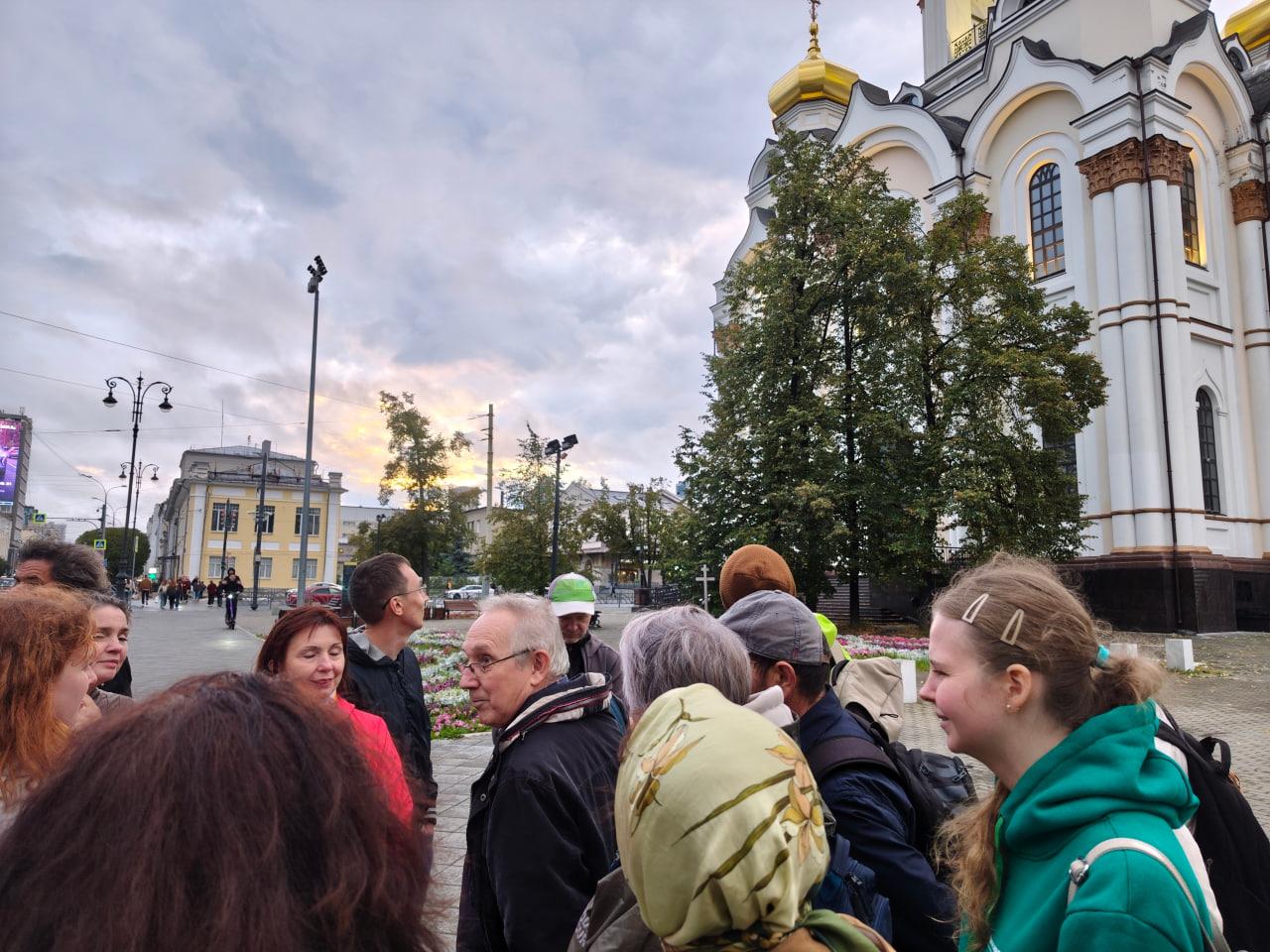
The poster session featured, among others, presentations by
N.B. Vinokurov (IEGT RAS, Nalchik) on the geophilous cuckoo wasp (Chrysididae) complexes of the North Caucasus;
A.G. Gadzhiramazanova et al. (DFRC RAS, Makhachkala; IPEE RAS, Moscow) on how the metrics of soil-dwelling nematode communities depend on the sampling method;
A.V. Gilev and L.G. Tselishcheva (IEAE UB RAS, Yekaterinburg;
Kirov City Zoological Museum, Kirov) on the relationship between the size and shape of nests of the northern wood ant (Formica aquilonia);
M.D. Glagoleva et al. (MPGU, Moscow) on a methodology for studying the relative xeroresistance of collembolans;
K.B. Gongalsky et al. (IEE RAS, Moscow; Karakalpak State University, Nukus;
Termez State University, Termez) on the woodlouse (Isopoda) fauna of Uzbekistan;
P.A. Guseva et al. (IEE RAS, Moscow) on the role of enchytraeids in the decomposition of marine organic matter deposited along the coasts of the Barents and White Seas;
F.A. Demin et al. (IEE RAS, Moscow) on ontogenetic changes in the stable isotope composition of certain woodlouse species;
A.M. Dygan (IEE RAS, Moscow) on mass migrations of woodlice in Crimea;
and S.L. Esyunin et al. (PSNRU, Perm) on the "Kama Floodplain" project, a comprehensive soil-zoological study;
K.S. Zhmylevaya et al. (Penza State University, Lomonosov Moscow State University, A.N. Severtsov Institute of Ecology and Evolution of the Russian Academy of Sciences) on soil-dwelling testate amoebae in the southern and central parts of Kamchatka;
L.V. Zalish (Institute of Soil Science and Agrochemistry, Siberian Branch of the Russian Academy of Sciences, Novosibirsk) on oribatid mite communities in Eastern Transbaikalia;
N.V. Ivanova et al. (Institute of Mathematical Problems of Biology of the Russian Academy of Sciences, Pushchino; Karaganda Research Institute of Agriculture, Karaganda) on invasive tree and earthworm species that form intrazonal forest communities within the steppe;
A.A. Kordyuk and A.N. Sozontov (Ural Federal University, Institute of Plant and Animal Ecology, Yekaterinburg) on the reconstruction of spider biomass using allometric equations;
S.Yu. Knyazev et al. (Omsk State Pedagogical University, Omsk) on the role of invasive earthworm species in the transformation of soils in Western Siberia.
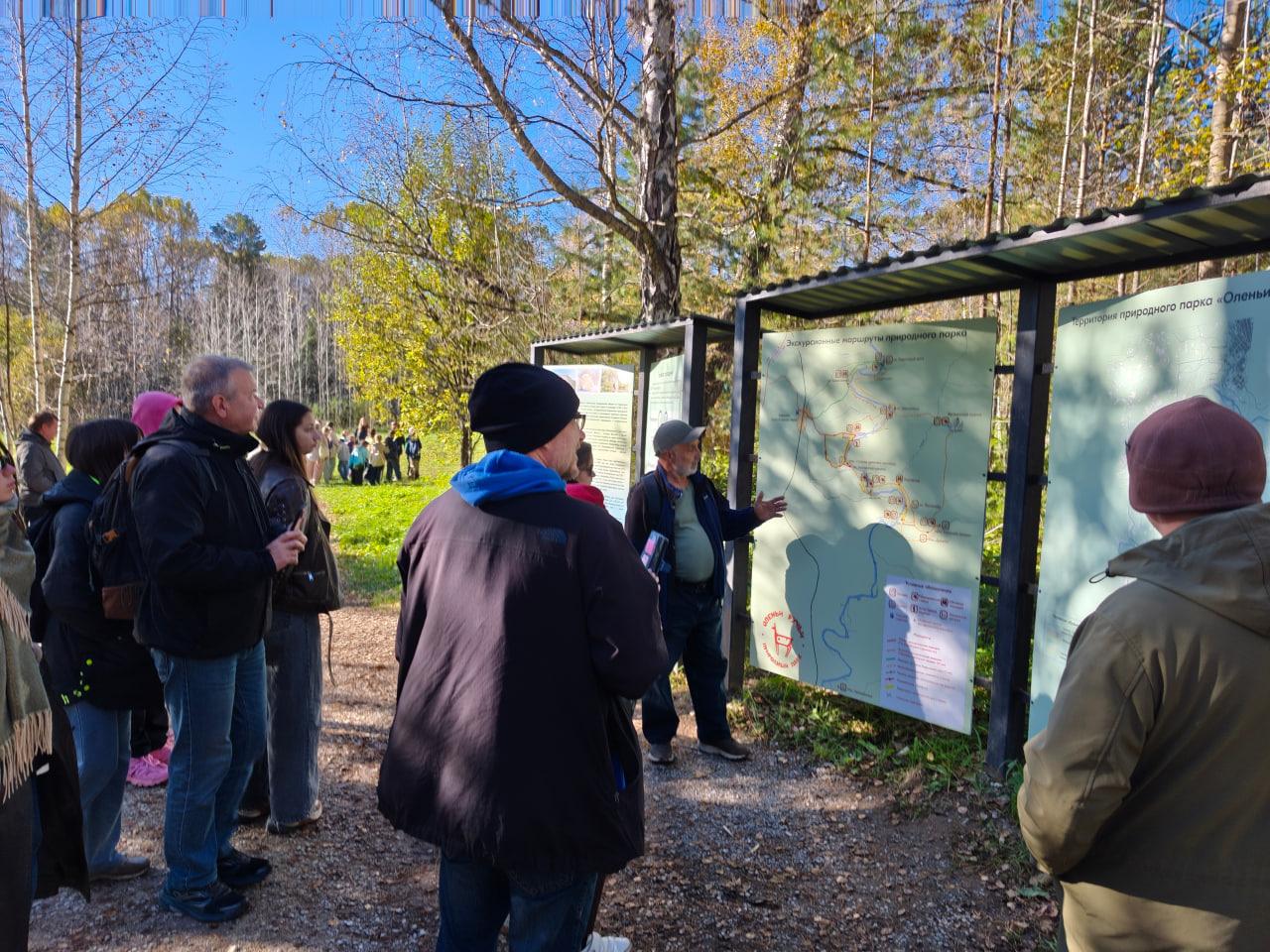
The active participation of young people in the meeting is particularly noteworthy: more than half of the presentations were delivered by young scientists, postgraduate students, master’s students, and undergraduates. This demonstrates the continuity of scientific schools and a sustained interest among the new generation of researchers in soil zoology and ecology.
Several decisions were reached following the discussions. Most significant is the recommendation to standardize the terminology used for size-based groups of soil animals in Russian-language publications by adopting international conventions. The following terms are recommended:
- macrofauna – large soil animals (earthworms; larvae of Coleoptera, Diptera, and Lepidoptera; adult Coleoptera; myriapods; spiders and harvestmen; mollusks) - a group previously referred to as "mesofauna" in Russian-language literature;
- mesofauna – microarthropods and enchytraeids - a group previously referred to as "microfauna" in Russian-language literature;
- microfauna – nematodes, rotifers, and tardigrades - a group previously referred to as "nanofauna" in Russian-language literature.
This recommendation from the meeting is intended to eliminate terminological confusion and facilitate the integration of domestic research into the global scientific community.
Furthermore, the Meeting recommended:
- increasing the use of functional diversity assessments in soil zoological research; to this end, it would be advisable to prepare a Russian-language compendium of relevant indices, including detailed algorithms for their calculation and interpretation;
- amending the official definitions (passports) for the Higher Attestation Commission (HAC) academic specialties of "Entomology" and "Zoology." Under the current definitions, the "Entomology" specialty encompasses dissertations focused not only on insects but also on all terrestrial arthropods - such as woodlice, myriapods, spiders, harvestmen, scorpions, mites, and other arachnids - provided that the research employs "entomological methods." Beyond the taxonomic inconsistency, this contradicts established tradition: doctoral candidates specializing in soil zoology have historically defended their theses under the "Zoology" specialty. They are now compelled to pass qualifying examinations in "Entomology" - a field in which they have received no formal training. The number of postgraduate programs and dissertation councils in "Entomology" is limited, and establishing new ones outside of major metropolitan centers is, in most cases, unfeasible. Moreover, the reference to "entomological methods" is vague, as most zoological research methods cannot be considered exclusive to entomology. This issue restricts the career advancement of young scientists and hinders the development of soil zoology in Russia.
Overall, the meeting served not only as an informative overview of current topics in soil zoology research but also as a vital platform for the exchange of ideas, discussions, and the establishment of professional networks. Participants noted the informal yet productive atmosphere, which paved the way for potential collaborative projects.
During the closing session, upcoming events were announced: the XXI Meeting on Soil Zoology and Ecology is scheduled for 2030 in Saint Petersburg, hosted by the V.V. Dokuchaev Central Museum of Soil Science; the X Field School for Young Scientists in Soil Zoology and Ecology will take place in 2027 in Perm, hosted by Perm State University.
The proceedings of the meeting have been published in a collection of abstracts titled "Problems of Soil Zoology" (Yekaterinburg, 2026), and recordings of the presentations and discussions are available online.
Important links: