

The goby family has grown: scientists have described two new fish species in the Caspian region
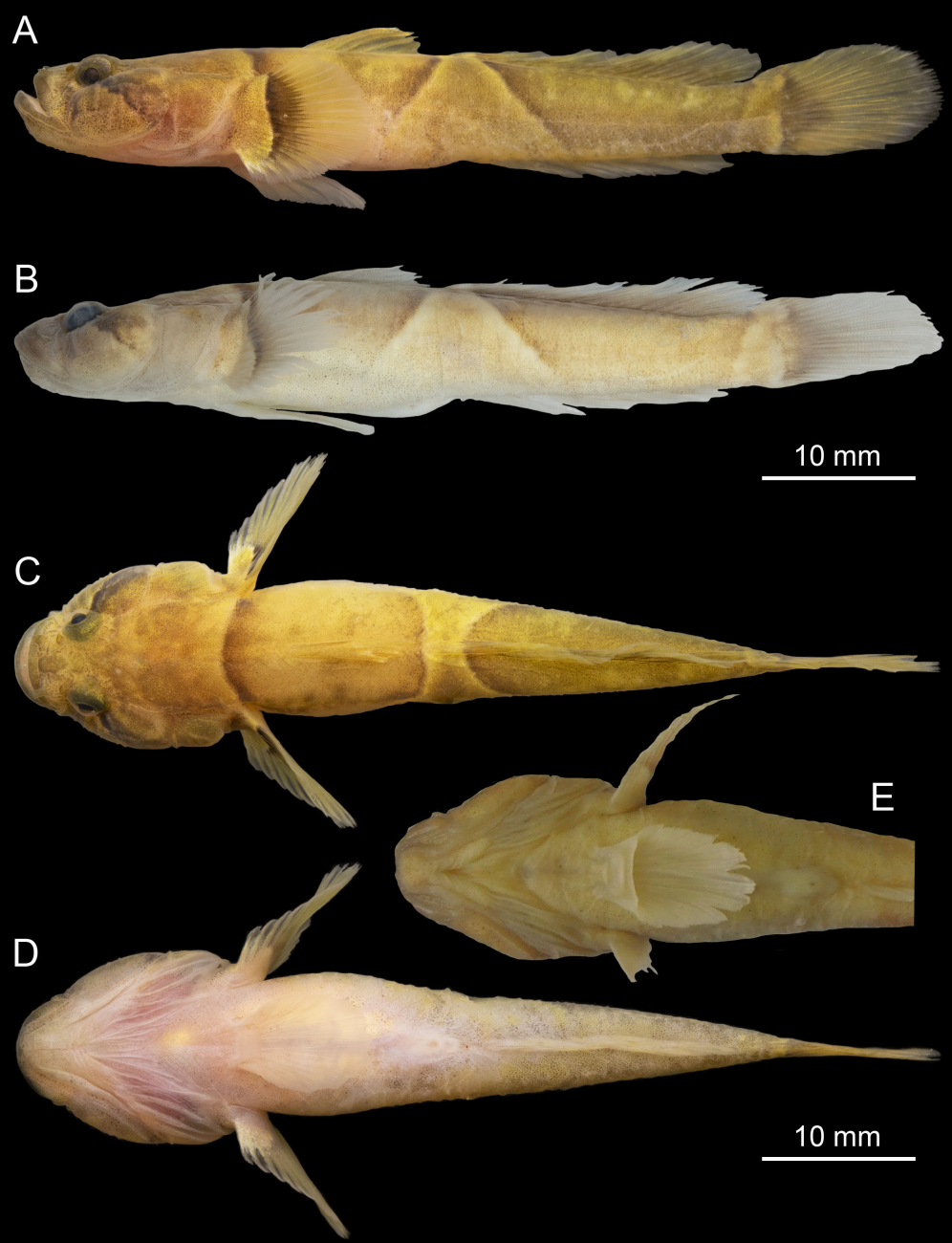
Fig.1: The Caspian tadpole goby is a species new to science from the Caspian basin. Source: Vasil’eva E.D. et al. / Journal of Ichthyology, 2026
Scientists have described two previously unknown species of goby in the Caspian Sea basin - one of the world's most important centers of speciation. The authors discovered the first species, the Caspian tadpole goby (Benthophilus caspius), off the coasts of Kazakhstan and Azerbaijan, and the second, the Scythian tubenose goby (Benthophilus scythicus), in the Vostochny Manych River and the Volga Delta. This discovery provides greater insight into the diversity of fish in the Caspian and its associated rivers, which is crucial for preserving their unique ecosystems amidst a changing climate. The findings, supported by a grant from the Russian Science Foundation (RSF), have been published in the Journal of Ichthyology.
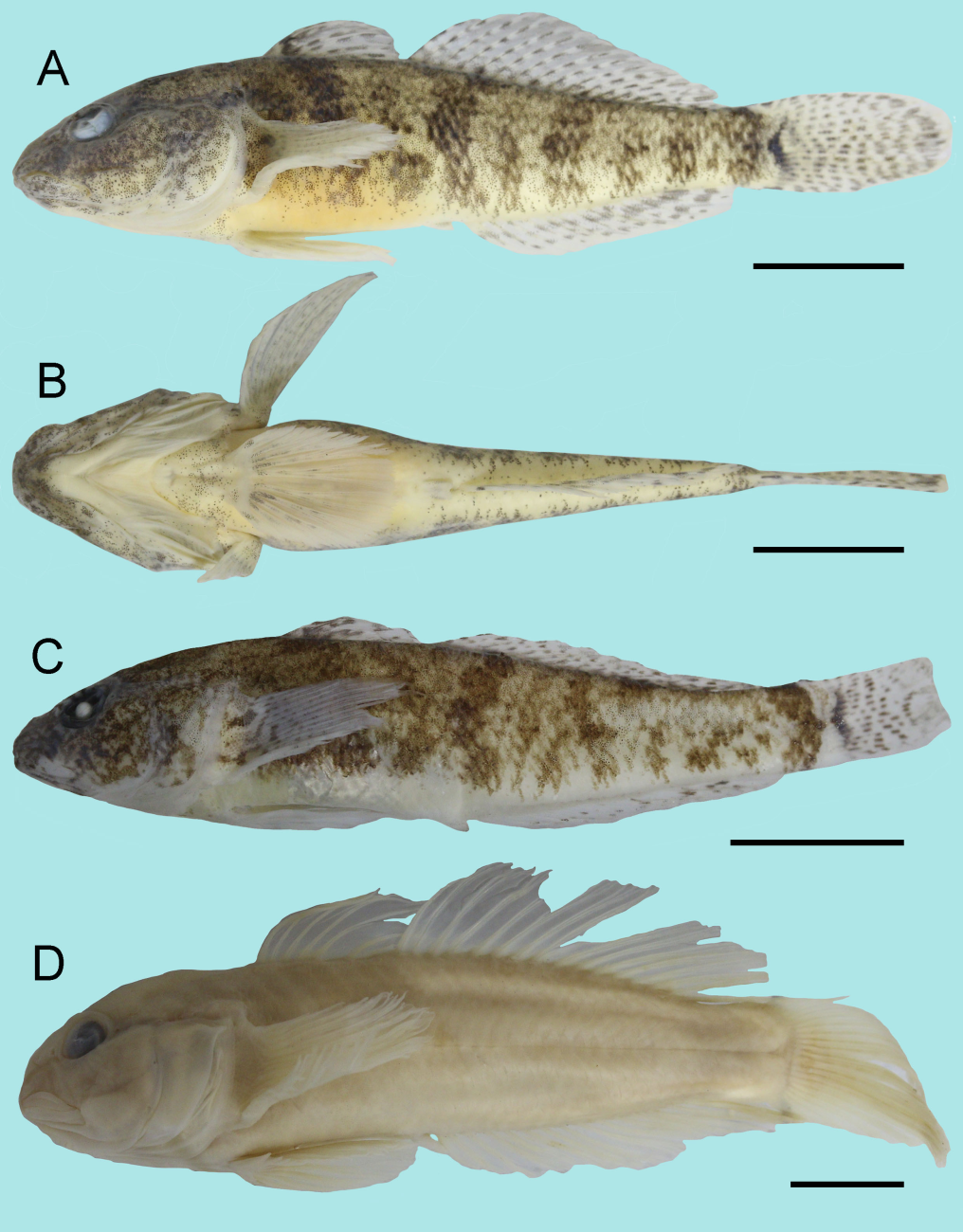
Fig.2: The Scythian tubenose goby - a new species in the fauna of Russia. Source: Vasil’eva E.D. et al. / Journal of Ichthyology, 2026
Despite the long history of studying Eurasian water bodies, their species richness remains incompletely described. This is due to cryptic diversity - a phenomenon where organisms that appear very similar possess independent evolutionary histories. Because of this visual resemblance, scientists often classify them as a single species; distinguishing between them requires a comprehensive approach combining molecular-genetic analysis (comparing DNA sequences) with morphological analysis (comparing external characteristics).
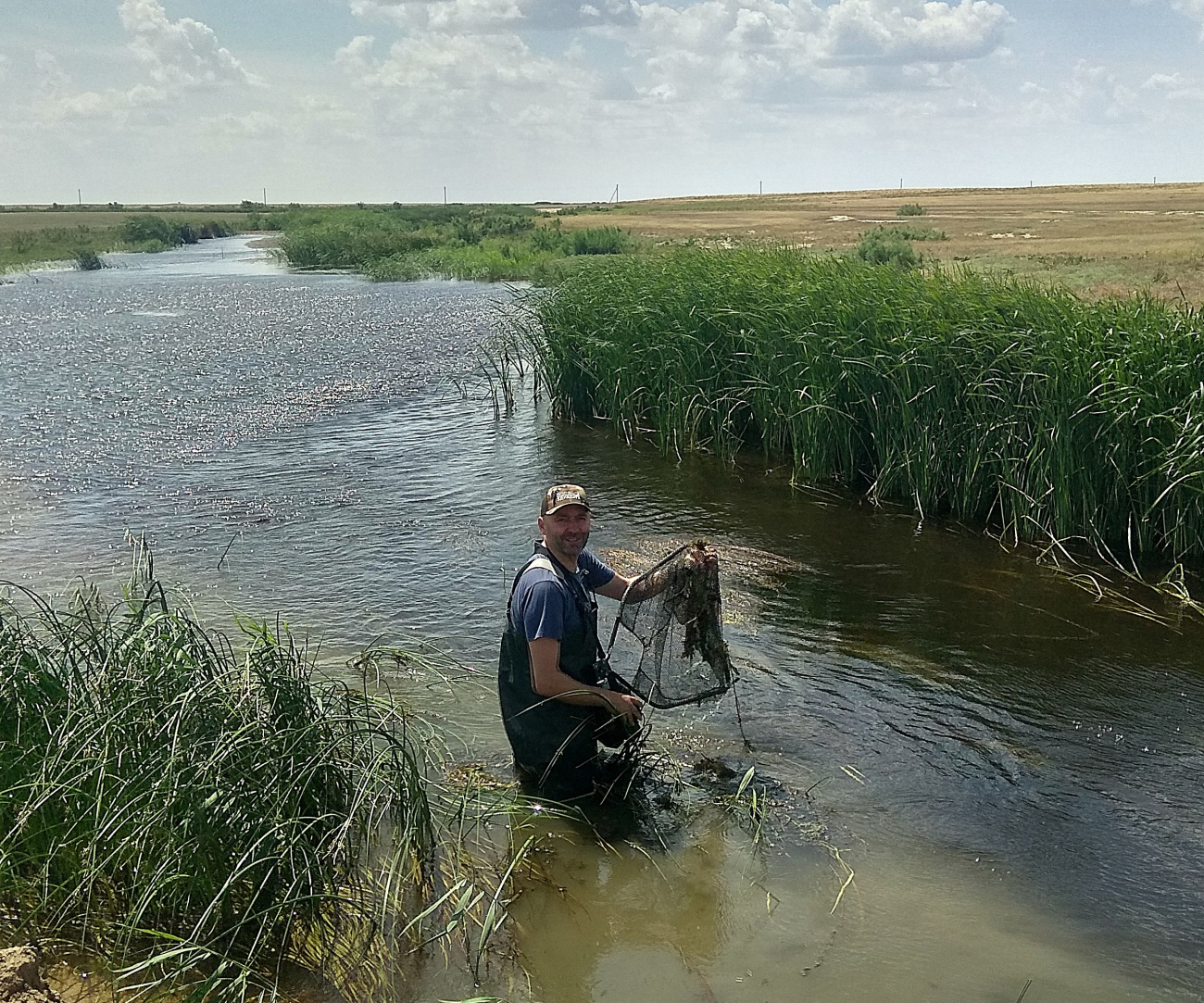
Photo: Capture of a Scythian tubenose goby in its type locality (Vostochny Manych River). Pictured is researcher Ilya Turbanov, one of the authors of the description of the new species. Source: Alexey Bolotovsky.
Specialists began using genetic methods on a large scale relatively recently; consequently, there remain many organisms with unclear taxonomic status, including potential candidates for new species. An accurate inventory of biodiversity is essential for gaining a better understanding of evolutionary pathways and mechanisms, as well as for more precisely identifying which aquatic inhabitants require conservation.
During a series of expeditions conducted between 2021 and 2025, scientists from the A.N. Severtsov Institute of Ecology and Evolution of the Russian Academy of Sciences (Moscow), the Zoological Museum of Lomonosov Moscow State University (Moscow), and the I.D. Papanin Institute for Biology of Inland Waters of the Russian Academy of Sciences (Borok) - working alongside colleagues - discovered two previously unknown species of small bottom-dwelling fish belonging to the goby family in the Caspian Sea basin.
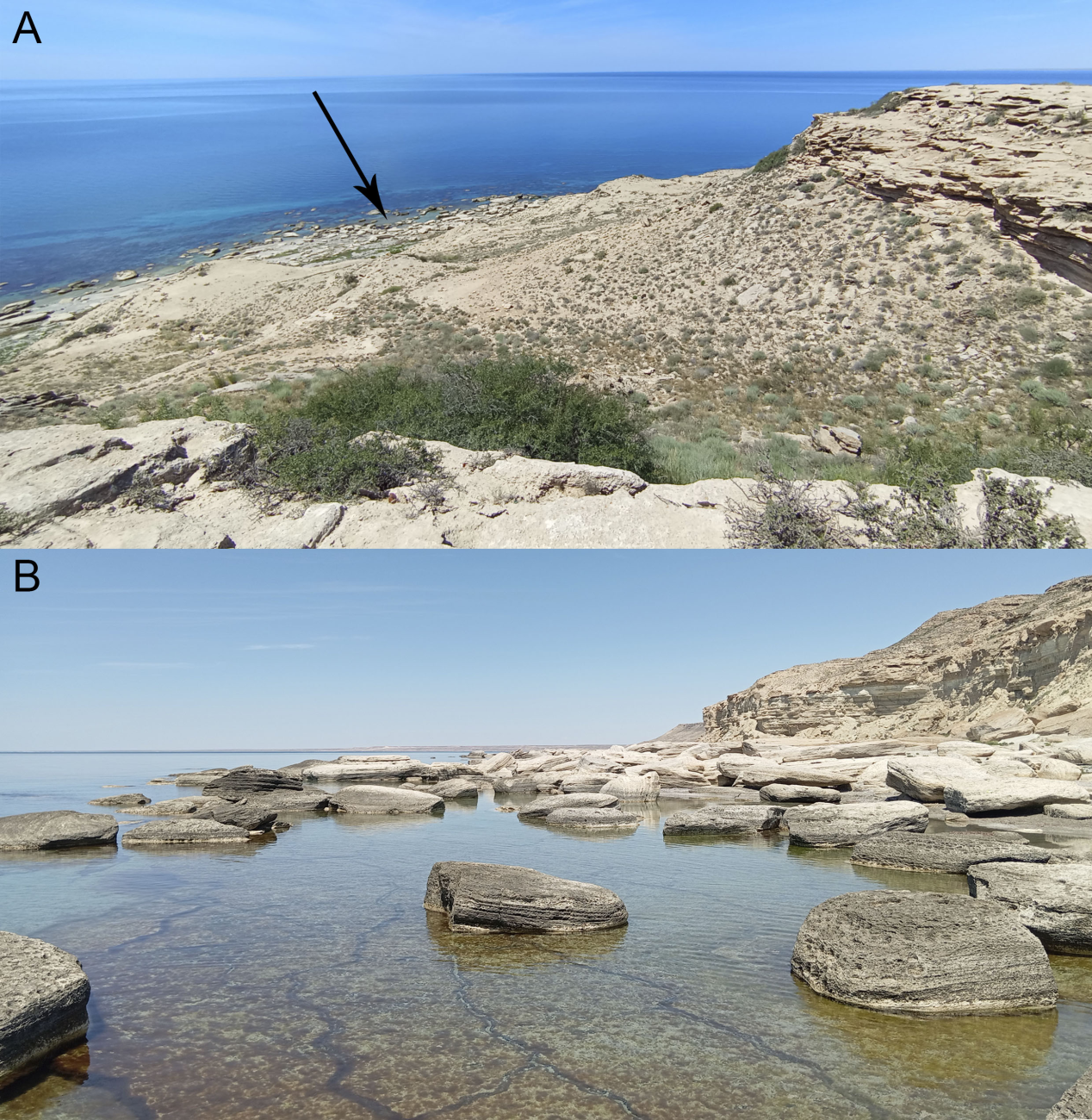
Photo: Habitat of the Caspian tadpole goby in the Caspian Sea. The arrow indicates the capture site. Source: Ilya Turbanov / I.D. Papanin Institute for Biology of Inland Waters, Russian Academy of Sciences.
"During a large-scale genetic analysis of Caspian fish conducted as part of an RNF-funded project, we made a rather unexpected discovery: previously unknown genetic diversity among Caspian gobies. Specifically, within two goby genera - Benthophilus (tadpole gobies) and Proterorhinus (tubenose gobies) - we identified new genetic lineages that turned out to be distinct species. Previously, only two species of Benthophilus were known: Brauner’s tadpole-goby, found in the Black and Azov Sea basins, and the Turkmen tadpole goby, found in the southern Caspian. Proterorhinus gobies in the Black Sea-Caspian region (BSCR) were classified into six species. However, the taxonomic status of certain populations - particularly those from understudied areas of the Caspian - remained uncertain, hindering our understanding of the gobies' evolution and dispersal patterns. This is significant because Proterorhinus gobies are among the dangerous invasive species that rapidly spread across water bodies in Europe and North America during the 20th century. A paradoxical situation had emerged: populations of these invasive species in their newly colonized ranges had been studied more thoroughly than the populations in their native ranges," explains Boris Levin, the project leader (supported by an RNF grant), Candidate of Biological Sciences, and Leading Researcher at the A.N. Severtsov Institute of Ecology and Evolution (RAS) and the I.D. Papanin Institute for Biology of Inland Waters (RAS).
The authors obtained the Caspian tadpole goby in the eastern part of the Caspian Sea, off the coast of Kazakhstan, in an unusual way: they retrieved the small fish from the mouth of a water snake that had caught it. Researchers collected Scythian tubenose gobies from rivers belonging to the Northern Caspian basin - specifically, the Volga Delta and the Vostochny Manych River in Kalmykia.
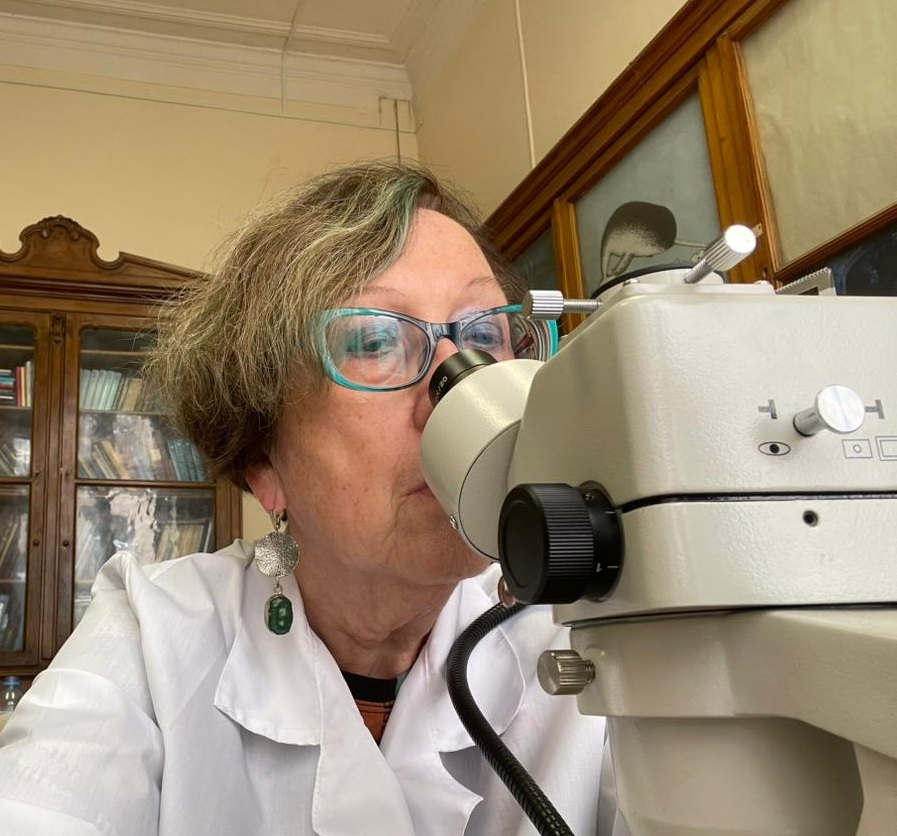
Photo: Leading goby specialist Dr. Ekaterina Vasilyeva conducts a morphological analysis of Caspian gobies using a stereo microscope. Source: Ekaterina Vasilyeva / Lomonosov Moscow State University.
Researchers collected DNA samples from the discovered fish and sequenced the COI gene - a genetic "barcode" unique to each species. By comparing this sequence with the genes of known goby species, biologists determined that the new species represent distinct evolutionary lineages. Additionally, the authors compared the specimens with museum samples of Black Sea and Caspian gobies based on morphological characteristics. They found that the new specimens differed from related species in fin ray counts, coloration, and body proportions.
Thus, a comprehensive analysis enabled the authors to identify new species in a relatively well-studied region. The first one, which the authors named the Caspian tadpole goby (Benthophiloides caspicus), proved to be a very rare species, currently known from only two specimens. It turns out that Caspian tadpole gobies are genetically equidistant from their closest relatives - Benthophilus and Caspiosoma gobies. This indicates a long evolutionary history of the goby family in the Caspian Sea and underscores the region's significance as one of the world's most important centers of speciation.
The newly identified Scythian tubenose goby (Proterorhinus scythicus) has proven to be evolutionarily closer to its relatives in the Black Sea basin than to those in the Caspian Sea. Scientists believe this characteristic confirms an ancient connection that existed between the Black and Caspian Seas approximately 2.1 million years ago, during a period when the Caspian Sea level was rising. Notably, the two discovered populations of the Scythian tubenose goby - one from the Eastern Manych basin and the other from the Volga Delta - also differ genetically from one another.
Scientists are confident that further comprehensive studies of the Black, Azov, and Caspian Seas will make it possible not only to discover new, previously unseen species but also to reconstruct in detail the evolutionary history and biogeography of the organisms inhabiting these waters.
"Accurate assessment of species diversity is a prerequisite for effective nature conservation, especially given rapid climate change and increasing human pressure on ecosystems. This study significantly expands our understanding of fish diversity in the Caspian region, which should now be considered the richest in terms of the number of gobiid fish," concludes Boris Levin.
Researchers from the P.P. Shirshov Institute of Oceanology of the Russian Academy of Sciences (Moscow) and the Scientific and Production Center for Fisheries (Kazakhstan) also participated in the study.
Source: RSF
Related materials:
Rambler: "New fish species discovered in the Volga and Caspian Sea"
Indikator: "The goby family grows: scientists describe two new fish species in the Caspian region"
Poisk: "Scientists describe two new fish species in the Caspian region"
Volgogradskaya Pravda: "Scientists discover a previously unknown goby species in the Volga Delta"
Komsomolskaya Pravda: "Meet the Scythian tubenose goby: Russian scientists discover fish unknown to science in the Volga Delta"
TengriNews: "Scientists discover new fish species in the Caspian Sea"
Moya Planeta: "New fish species discovered in the Volga and Caspian"
Rambler: "The goby family grows: scientists describe two new fish species in the Caspian region"
News. Mail: "Two previously unknown species of goby fish discovered in the Caspian Sea and the Volga"
Vestnik Kavkaza: "Two new fish species found in the Caspian off the coasts of Russia, Azerbaijan, and Kazakhstan"
Minval: "Russian scientists discover new fish species off the coast of Azerbaijan"
1 News: "New fish species discovered in the Caspian Sea"
Krasnodar News Feed: "Two new species of goby fish found in the Caspian Sea and the Volga" Krasnodar TV Channel: "Two new species of goby fish found in the Caspian Sea and the Volga"