
A research expedition formed by students and their mentors took place in the Southern Urals
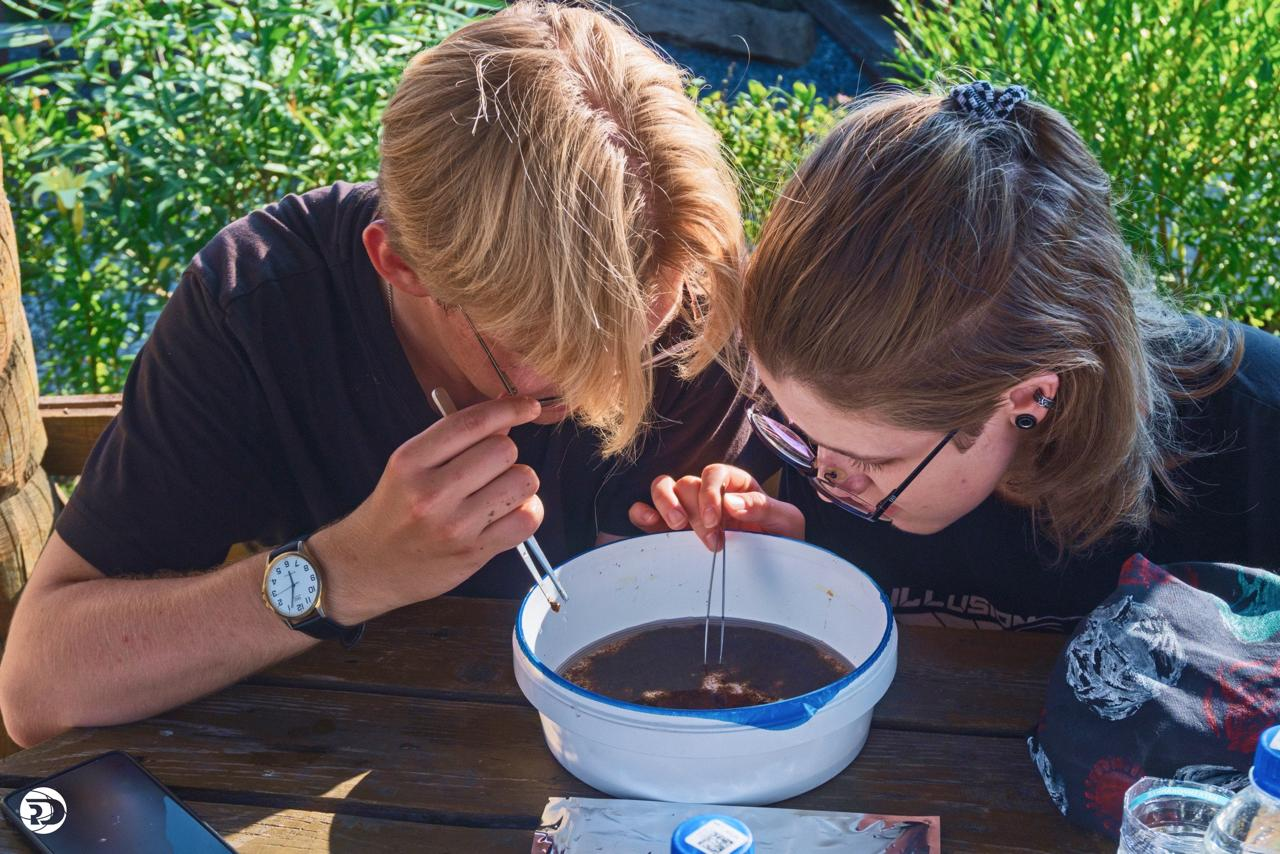
A field expedition in the Southern Urals concluded at the end of the summer, bringing together students and mentors from the A.N. Severtsov Institute of Ecology and Evolution (RAS), MIIGAiK, the A.A. Leonov University of Technology, the Dmitrov Fisheries Technological Institute, and the I.D. Papanin Institute for Biology of Inland Waters (RAS).
Staff members from the Laboratory of Lower Vertebrate Behavior represented the Institute. Alina Tyshchenko carried out the aforementioned tasks on-site under the guidance of mentors from the Institute for Biology of Inland Waters (RAS). In the days that followed, in addition to collecting and preserving hydrobiological samples, the team began surveying the lake using a bottom profiler and an echo sounder. Eduard Stepanovich Borisenko, a senior researcher at the A.N. Severtsov Institute of Ecology and Evolution (RAS), assisted with setting up the echo sounder; the expedition participants extend their sincere gratitude to him.
The expedition began in Chelyabinsk. Participants explored the region's history by visiting the State Historical Museum of the Southern Urals, where they viewed one of the largest fragments of the Chelyabinsk meteorite. They also visited the South Ural Railway Historical Heritage Center to learn about the history of railway development in the Urals.
The group then traveled to the settlement of Zyuratkul, where the main research program commenced. Accompanied by specialists from the I.D. Papanin Institute for Biology of Inland Waters (Russian Academy of Sciences), they hiked the "Secrets of the Lake" ecological trail. At the same time, the participants tested a mobile app designed for tourists, evaluating its performance directly on the route, noting its strengths, and identifying elements that required further refinement.
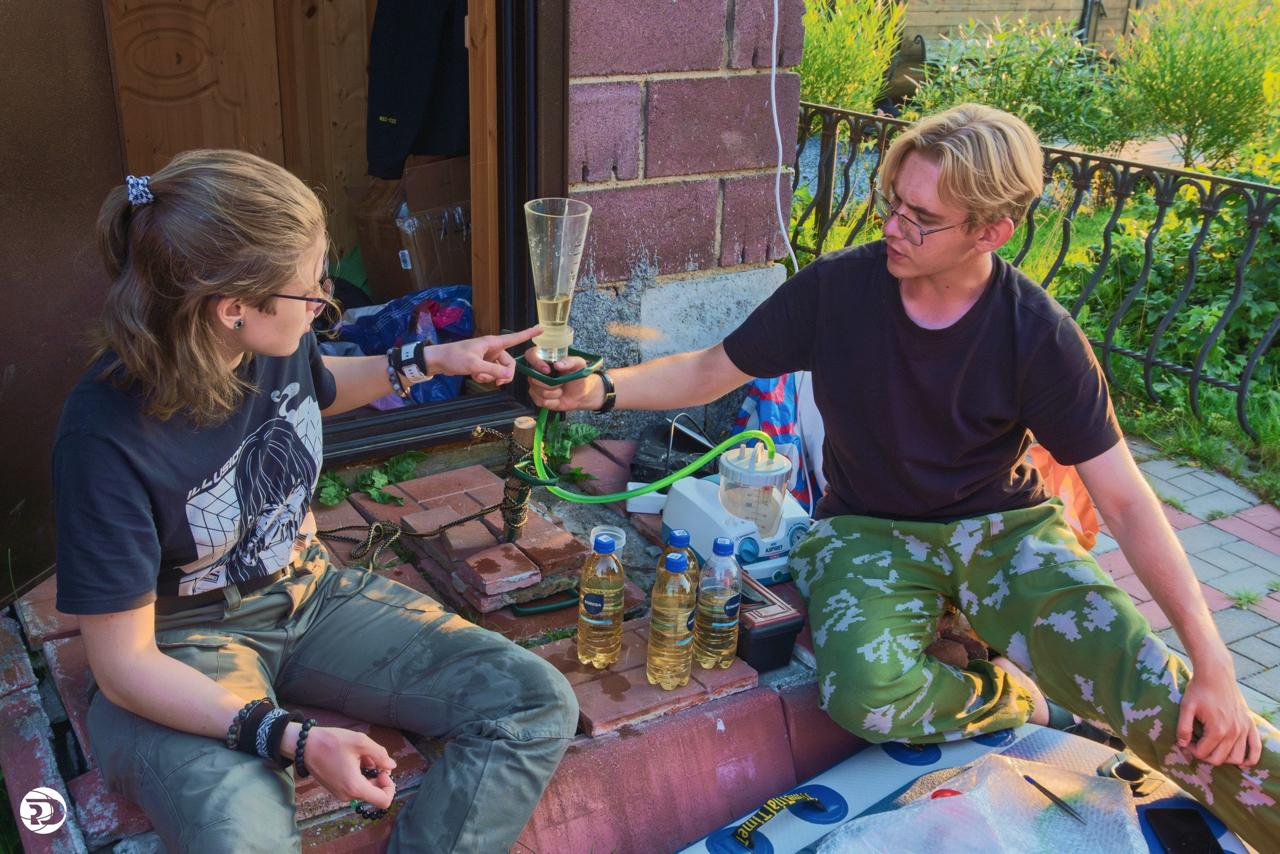
The next stage focused specifically on the study of Lake Zyuratkul. One group worked on the water alongside specialists from the Institute for Biology of Inland Waters. Participants collected samples of water, sediment, and aquatic organisms, and measured water transparency and turbidity. In the evening, the team began filtering the collected samples for subsequent analysis.
Meanwhile, a second group continued work on the "Malaya medvezhya" (Little bear) nature trail. Participants assessed the condition of the route and tested a digital app; they also surveyed the area and hiked to a high vantage point offering a view of Zyuratkul National Park.
“The expedition program combined field ecological research, biological sample processing, an assessment of tourism infrastructure, and the testing of digital tools for ecotourism,” said Alina Tyshchenko, an engineer at the Laboratory of Lower Vertebrate Behavior at the A.N. Severtsov Institute of Ecology and Evolution (IEE RAS).
The participation of IEE RAS specialists in the expedition was part of a collaborative effort between research and educational institutions aimed at studying natural areas and developing students' practical field research skills.