
Scientists have summarized the results of the field season studying subterranean mollusks in the Caucasus
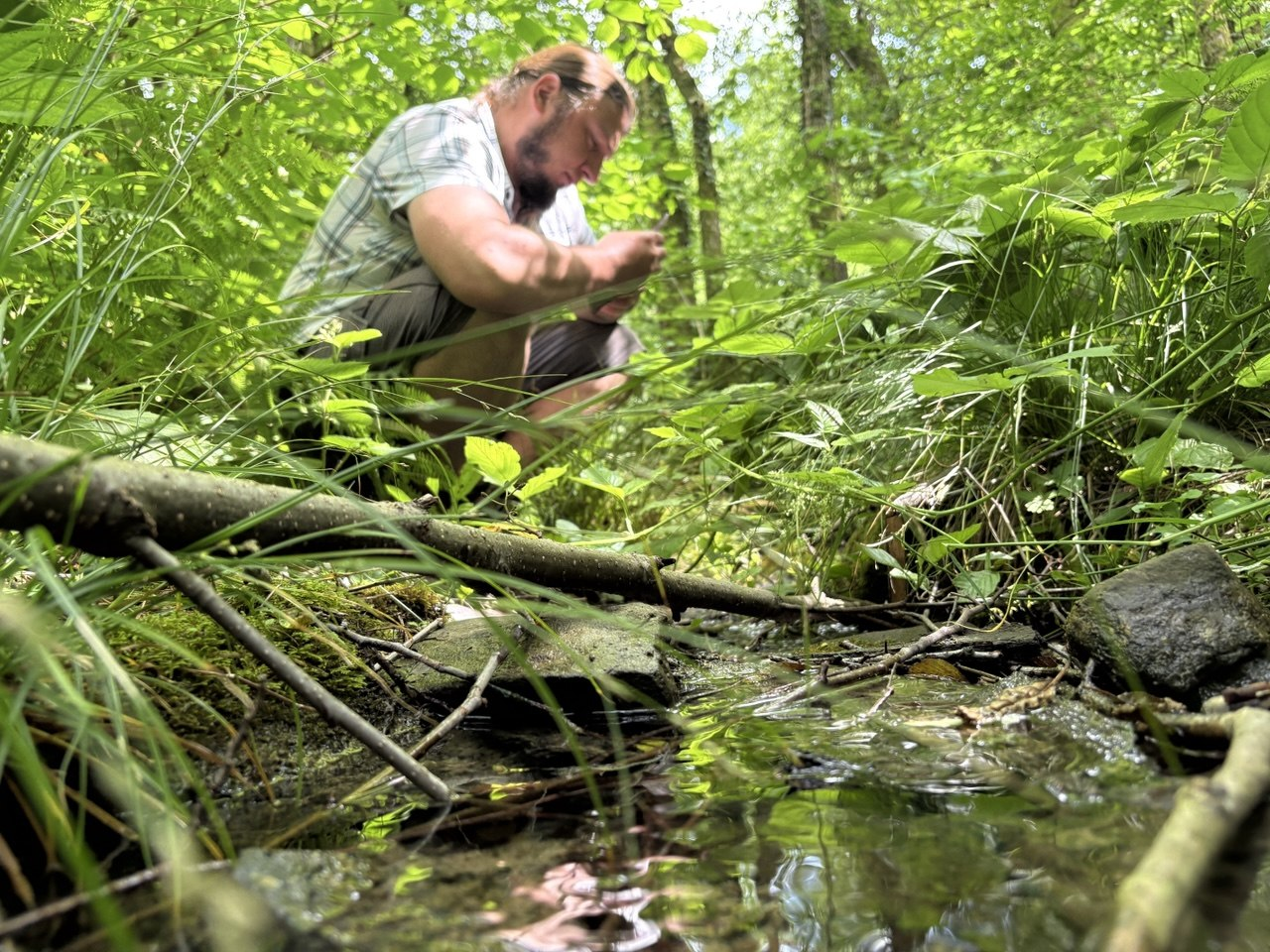
Researchers from the A.N. Severtsov Institute of Ecology and Evolution of the Russian Academy of Sciences (IEE RAS), with support from the Presidential Fund for Nature, have summarized the results of the 2026 field season as part of project ECO-26-2-001383, “Origin of groundwater biodiversity of the Caucasus: what mollusks can tell about the evolution of underground ecosystems”.
Three expeditions were conducted during the season. In the spring, the institute's researchers worked in Abkhazia, in June in Krasnodar Krai and Adygea, and in August, fieldwork expanded to the North Caucasus. In total, more than 30 locations were surveyed during the season. During the expeditions, all currently known habitats of freshwater microgastropods of the family Hydrobiidae in the Russian part of the Caucasus were visited, providing the most comprehensive picture of their distribution in the region to date. Among them is Krasnoaleksandrovskaya Cave, home to three species of these mollusks, listed in the Red Book of the Krasnodar Krai. Moreover, the fauna of the Caucasus groundwater is significantly richer than the three Red Book species: it includes numerous hydrobiids, most of which remain uncharted, despite the high vulnerability of their habitats.
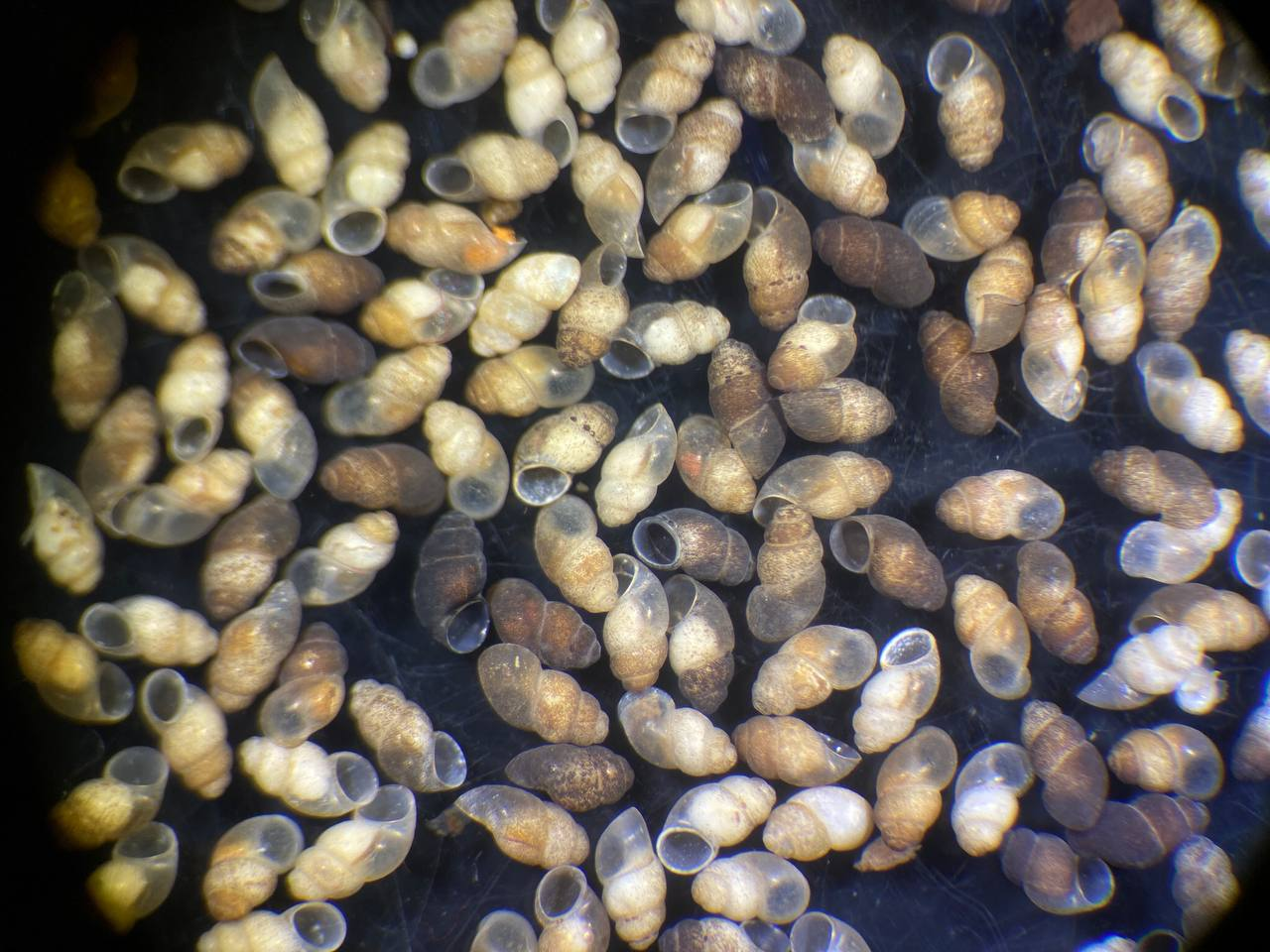
"The groundwater fauna of the Caucasus has been studied extremely unevenly, although a significant portion of hydrobiids are characterized by high local endemicity. This means that many species inhabit a single spring or cave, and their diversity and current status remain insufficiently studied," says project leader Elizaveta Chertoprud, a postgraduate student in the Faculty of Biology at Moscow State University and a researcher at the Institute of Ecology and Evolution of the Russian Academy of Sciences.
In parallel with the fieldwork, a large-scale molecular phylogenetic analysis and morphological study of hydrobiids was conducted in collaboration with the Faculty of Biology at Lomonosov Moscow State University, based on previously collected material. These data will allow us to reconstruct the evolutionary history of the group and will form the basis for further work on taxonomy and conservation status assessment.
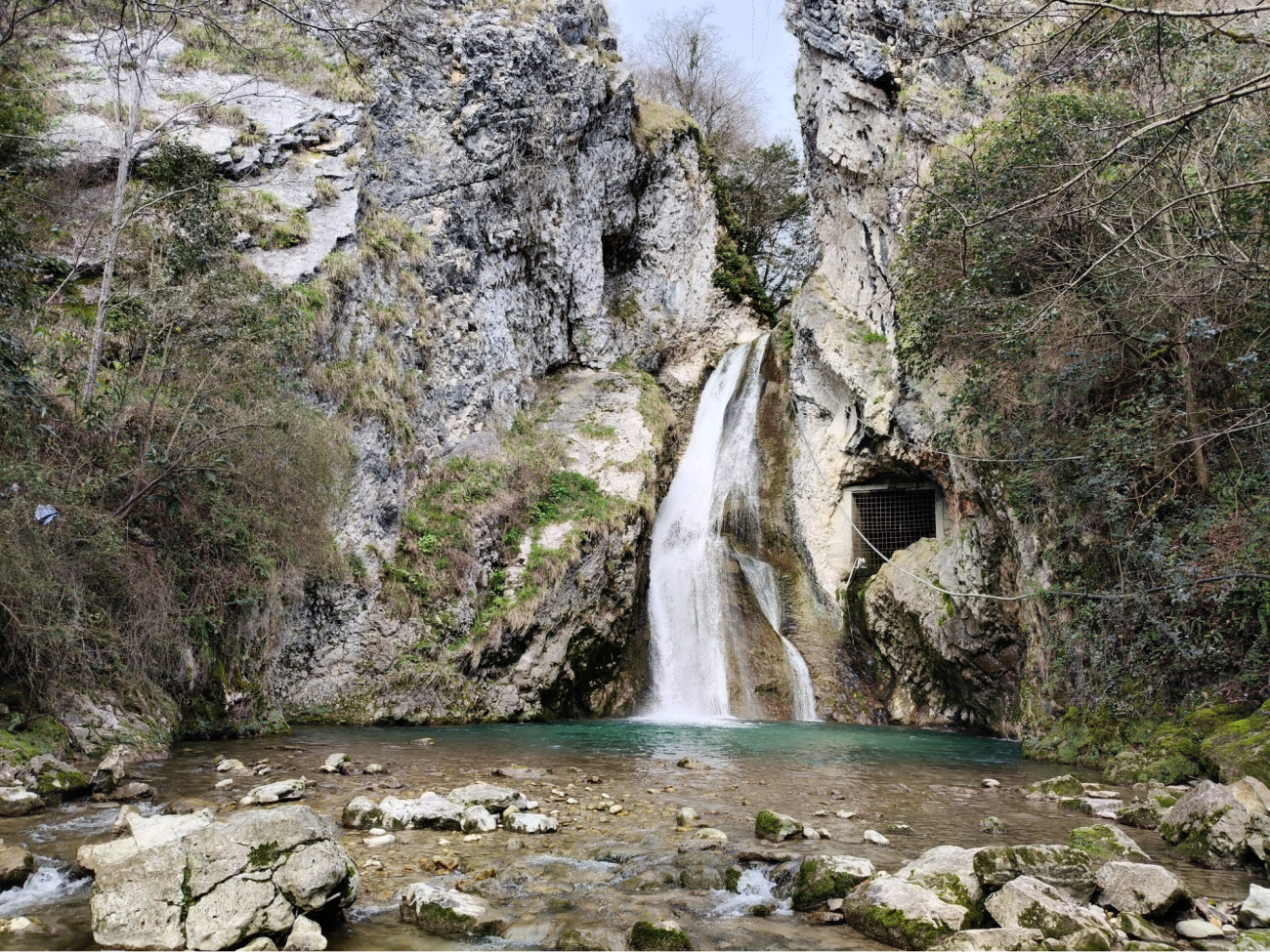
The materials collected this season will be used to develop an atlas of hydrobiids of the Caucasus and recommendations for relevant agencies on monitoring and protecting particularly vulnerable underground ecosystems.
The project is being implemented with the support of the Presidential Fund for Nature.