

Scientists have discovered the origins of endemic fish genera in Central Asia and the Far East
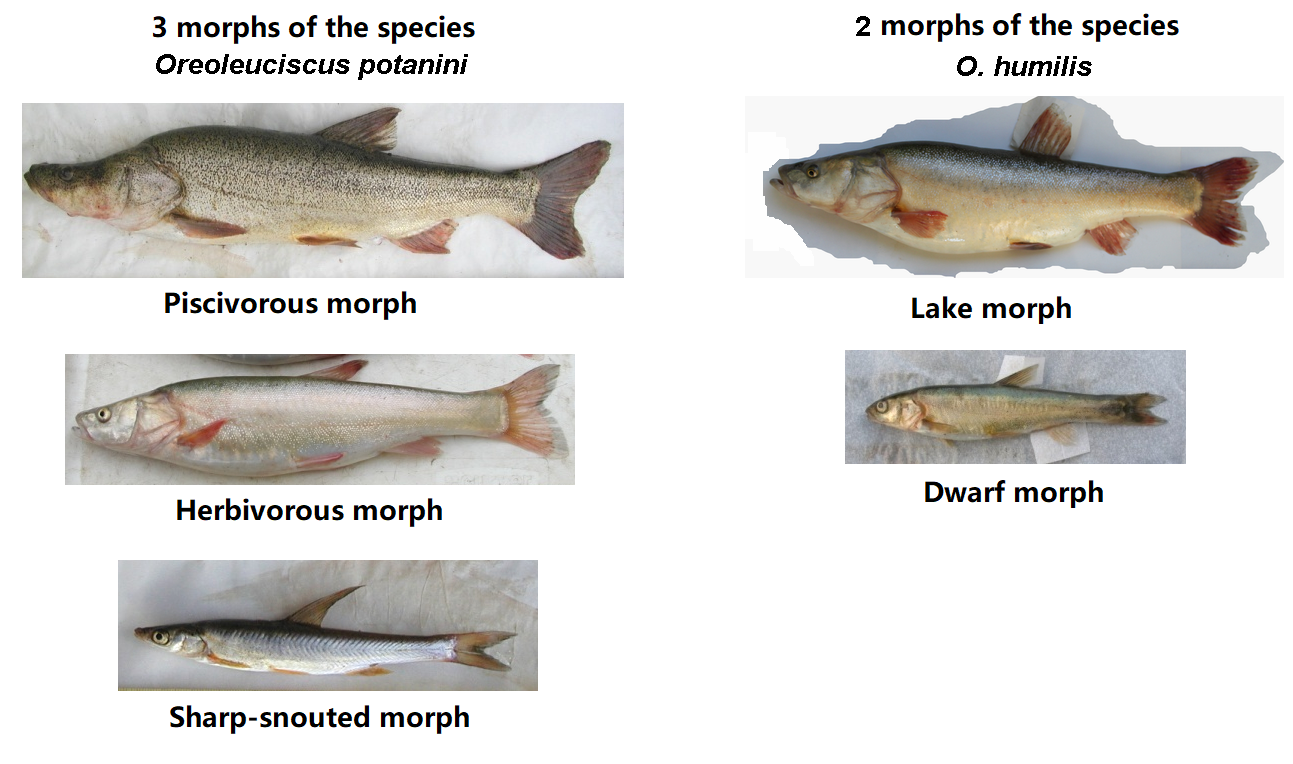
Several years ago, with the participation of researchers from the A.N. Severtsov Institute of Ecology and Evolution of the Russian Academy of Sciences (IEE RAS), a hypothesis was substantiated regarding the dispersal of aquatic organisms between the ancient sea (sometimes called the ocean) Paratethys, which existed 5-34 million years ago in the area of today's Black, Caspian, and Aral Sea basins, and the modern Amur basin. This route, which ran through what is now southern Mongolia and northwestern China (Xinjiang), is best marked by finds of freshwater pearl mussel shells, which is why it was named the Pearl Route ((PDF) Fresh- and Brackish-Water Cold-Tolerant Species of Southern Europe: Migrants from the Paratethys That Colonized the Arctic). The existence of a waterway between the Paratethys and the Russian Far East is confirmed by recent studies of two groups of crustaceans conducted by researchers from the Zoological Institute of the Russian Academy of Sciences and IEE RAS.
A study published in the international journal Genetica presents evidence of the introduction of redfin dace (genus Tribolodon) from the Paratethys into the Pacific Ocean. This group, which originated in the Paratethys characterized by significant salinity fluctuations, acquired the ability to feed in seawater, a trait lacking in other Far Eastern cyprinids. The ancestors of a closely related group, the Altai osmans (genus Oreoleuciscus), now found in Mongolia and adjacent regions of Russia, likely also originated in the Paratethys and migrated to the group's current habitat via the Pearl Route. However, this genus acquired its characteristic morphoecological adaptations only during a period of dramatic environmental change in modern Mongolia, which likely occurred during the Pliocene-Pleistocene.
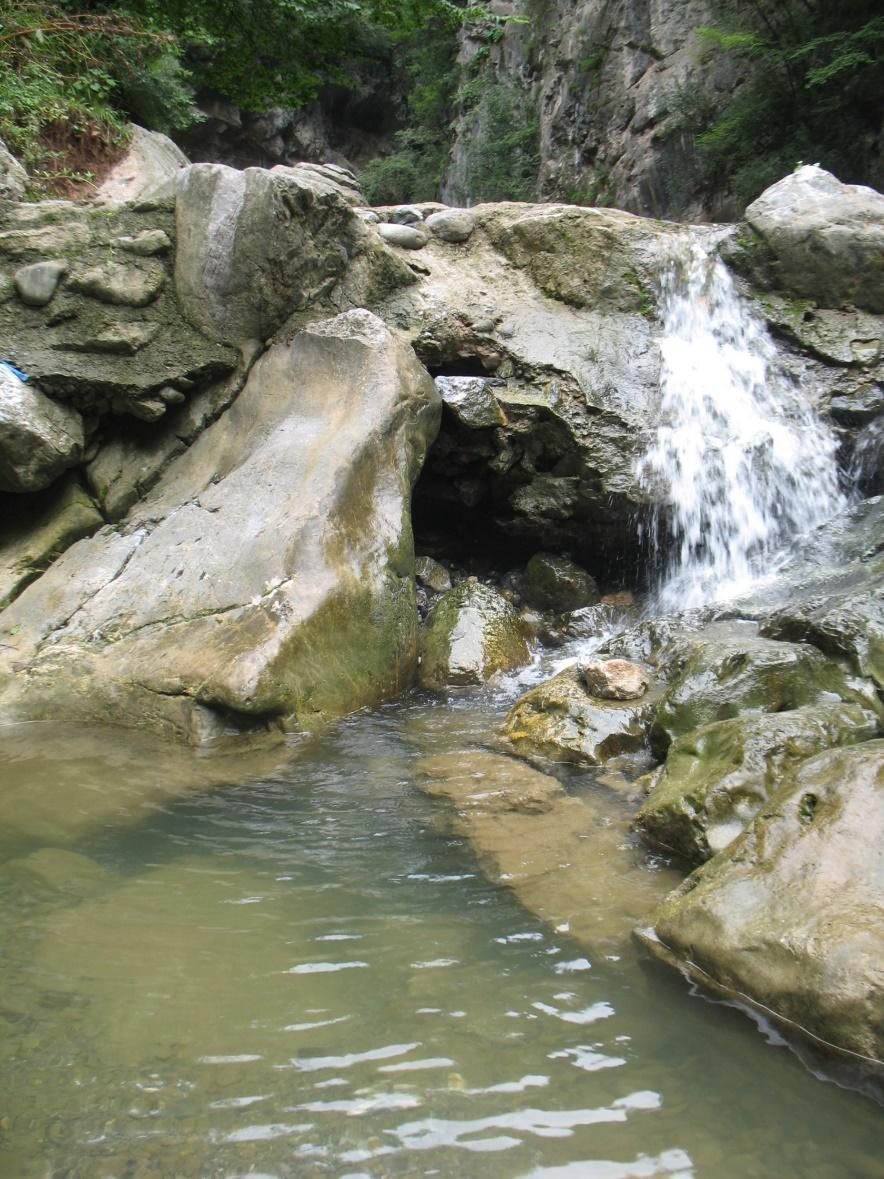
Photo: The material was collected from rivers in the Qinling Mountains in northeastern China and from the Khanka Lake basin.
The authors of this study are scientists from the Laboratory of Aquatic Community Ecology and Invasions at IEE RAS, the N.M. Knipovich Polar Research Institute of Marine Fisheries and Oceanography, as well as from the People's Republic of China and Mongolia.
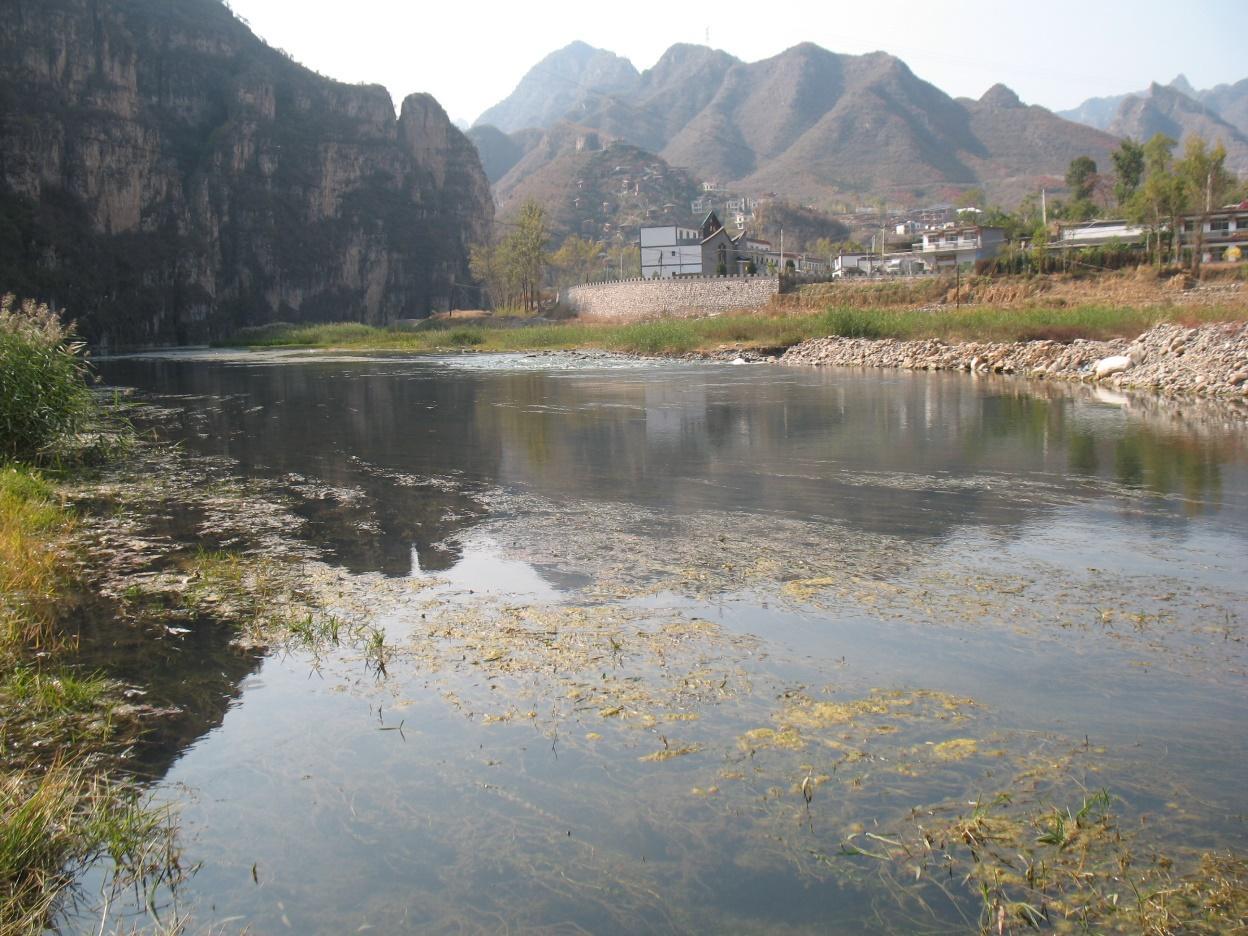
Photo: The material was collected from rivers in the Qinling Mountains in northeastern China and from the Khanka Lake basin.
The analysis involved samples of minnows of the genus Rhynchocypris, a group ancestral to the redfin dace and Altai osman. The minnows were caught by the authors in the Amur River basin in northeastern China, as well as in the Yangtze River basin in the Qinling Mountains, during an expedition led by Boris Sheftel, a PhD candidate in biology. Altai osman samples collected during the ichthyological and hydrobiological work of the Joint Russian-Mongolian Integrated Biological Expedition of the Russian Academy of Sciences and the Mongolian Academy of Sciences were also used. In addition to genetic data (mitochondrial gene COI diversity), the authors relied on paleontological and paleogeographic data.
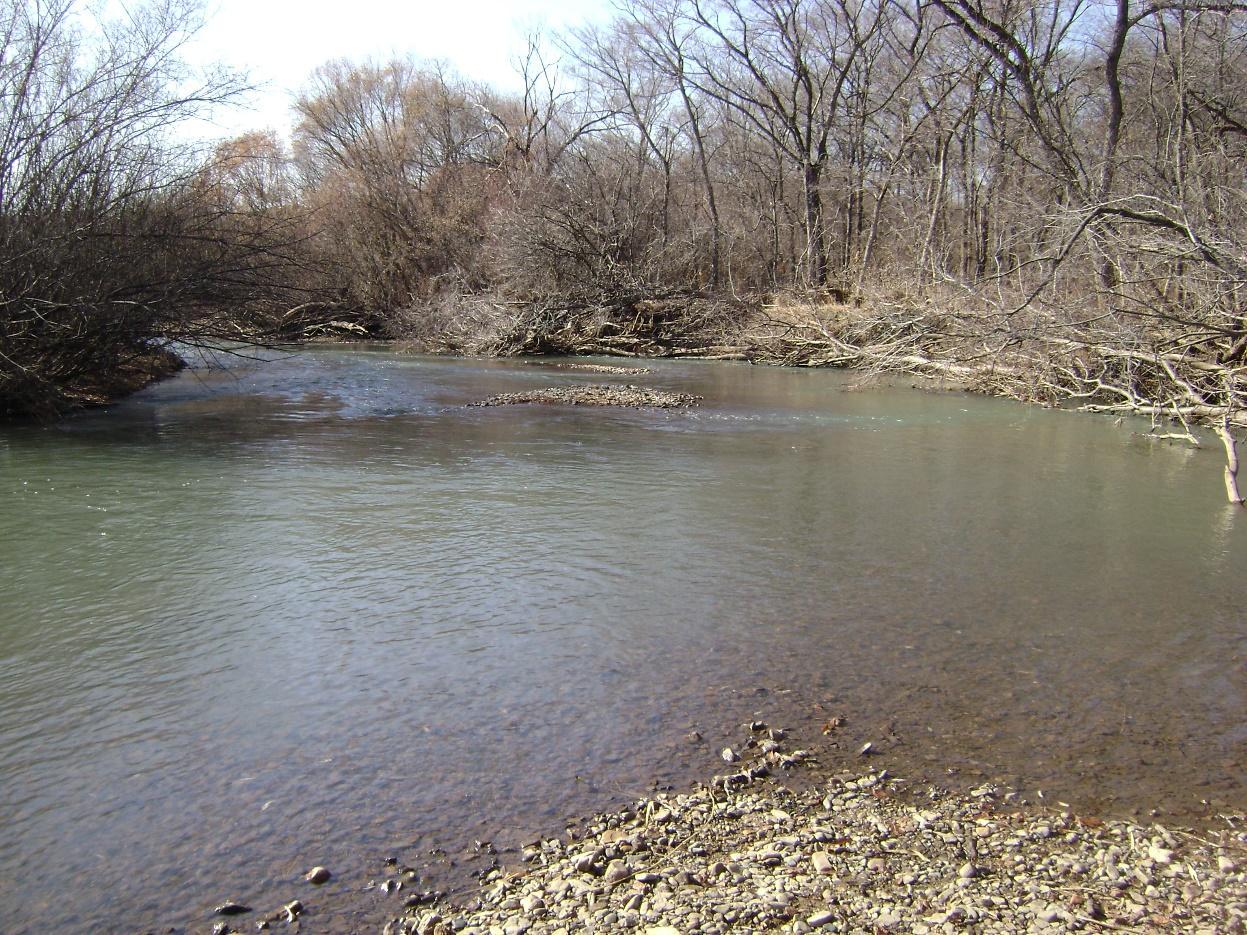
Photo: The material was collected from rivers in the Qinling Mountains in northeastern China and from the Khanka Lake basin.
The study shows that the rate of molecular evolution accelerated during the emergence of the genera Tribolodon and Oreoleuciscus, and then slowed again. This finding largely aligns with the evolutionary concepts of the eminent Russian ichthyologist, Corresponding Member of the USSR Academy of Sciences Georgy Vasilyevich Nikolsky, head of the laboratory at the Institute of Evolutional Morphology and Ecology of Animals of the USSR Academy of Sciences (now the Institute of Ecology and Evolution of the Russian Academy of Sciences) and the Department of Ichthyology at Moscow State University.
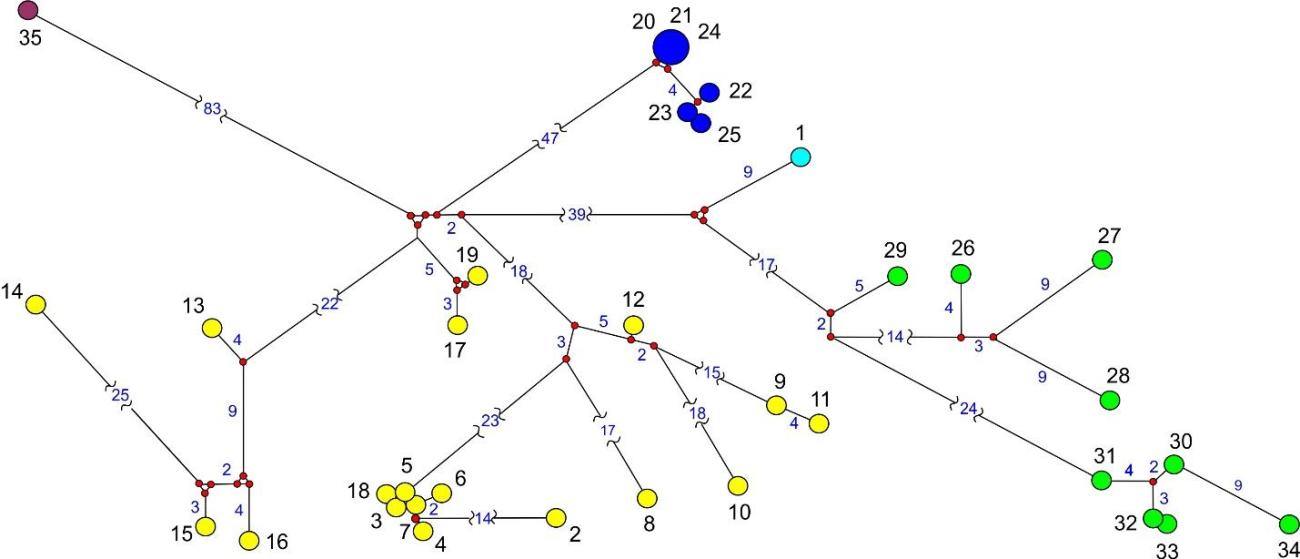
"There is more and more evidence of the existence of a waterway link between the Paratethys and the Amur basin, through which aquatic organisms dispersed. At the same time, the Paratethys has cemented its reputation as a breeding ground for euryhaline species (that is, species capable of living in varying salinities). Uneven molecular evolution has been revealed (and not for the first time), calling into question the absolute applicability of the widely accepted 'molecular clock' hypothesis in all cases," says Alexander Makhrov, candidate of biological sciences of IEE RAS, and one of the study's authors.
Related materials:
FishNews: "Experts trace the migration route of ancient fish"
Hi-Tech Mail: "Fish crossed a vanished sea: scientists uncover an ancient route to the Far East"
lyubimiigorod.ru: "Scientists: fish of the Amur Basin came from the ancient Paratethys supersea"
Transsibinfo: "Scientists have uncovered the mystery of the origin of the redfin dace in Khabarovsk Krai"
Science.Mail: "Fish of the Far East came from an ancient sea"
Amur.Life: "Scientists: fish of the Amur Basin came from the ancient Paratethys supersea"