
The Institute of Ecology and Evolution of the Russian Academy of Sciences and the Lake Baikal Foundation conducted a circum-Baikal expedition to study the Baikal seal
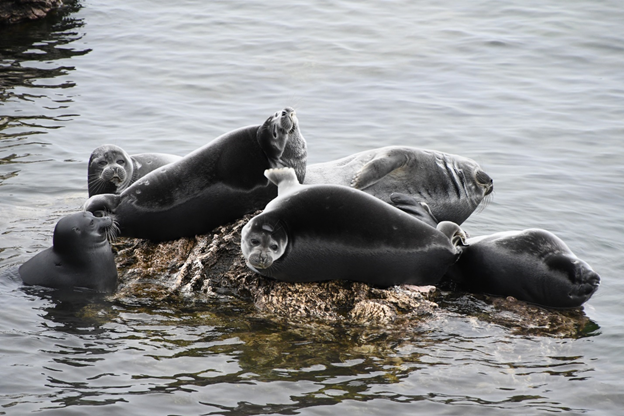
Joint research between the A.N. Severtsov Institute of Ecology and Evolution of the Russian Academy of Sciences (IEE RAS) and the Lake Baikal Foundation has been conducted as part of the Baikal Seal Research Program since 2018.
From June 3 to July 1, 2026, researchers from the Laboratory of Mammalian Behavior and Behavioral Ecology and the Permanent Expedition of RAS for the Study of the Russian Red Data Book Animals and Other Key Animals of the Russian Fauna conducted the first circum-Baikal expedition in many years to comprehensively study the Baikal seal (Pusa sibirica).
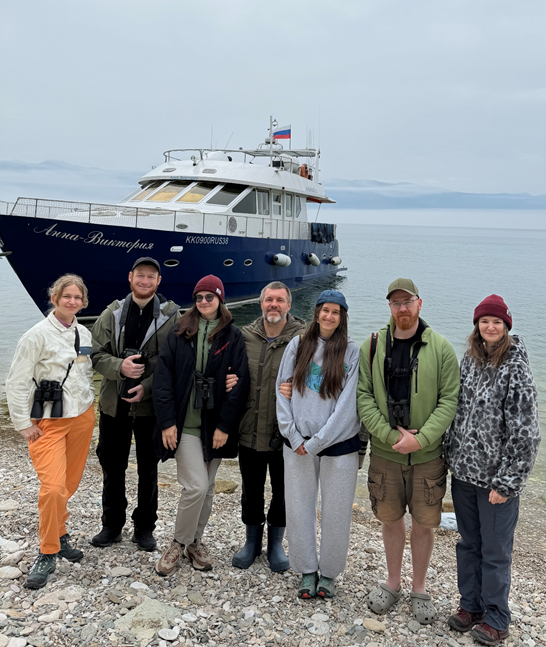
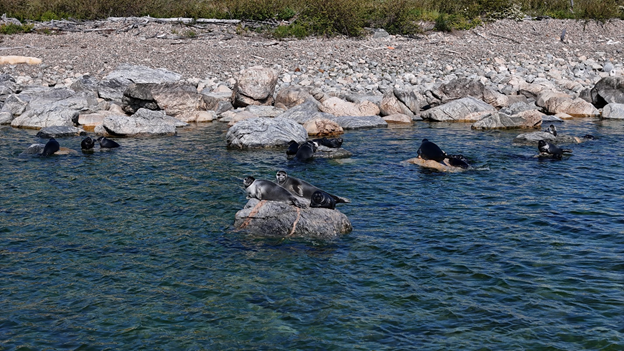
The expedition conducted visual counts of seals along the entire shoreline of Lake Baikal and assessed the distribution of the animals in areas with varying levels of anthropogenic pressure. In total, over 2,000 km of coastline were covered, with over 145 hours of continuous observations.
Additional UAV surveys were conducted at seal haulout sites to record not only the animals hauling out when discovered, but also those in the water. Baikal's crystal-clear waters make such observations possible. All haulout sites were mapped.
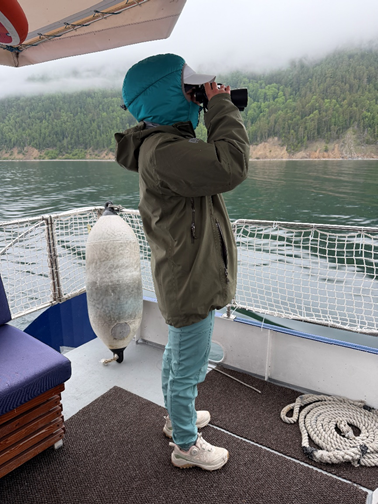
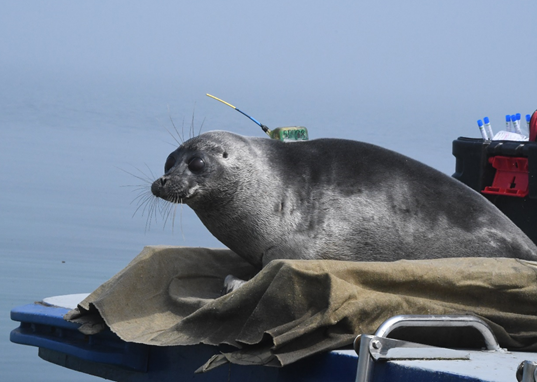
The second part of the expedition took place on the Ushkany Islands, the site of the largest summer haulout of Baikal seals. Nineteen animals were captured there. Blood, hair, and whisker samples were collected from all animals for further comprehensive health studies, and satellite transmitters were installed to track their migrations.
IEE RAS extends its sincere gratitude to FSBI "Zapovednoye Podlemorye" and personally its director Mikhail Evgenievich Ovdin, as well as to the FSBI "Zapovednoye Pribaikalye" for their assistance in organizing and conducting the fieldwork.
The project is being implemented in collaboration with the Lake Baikal Foundation with the support of the Presidential Fund for Nature (ECO-25-2-002843), the "World Around You" Foundation of Siberian Wellness, Sberbank's "Contribution to the Future" charitable foundation, and private donors.
Related materials:
Aquaculture: "Experts studied seals around Lake Baikal"
Moscow Region Today: "2,000 km of shoreline, 145 hours of observation, and 19 blood samples: scientists from Chernogolovka studied the Baikal seal using a drone"
FishNews: "Experts studied seals around Lake Baikal"
Komsomolskaya Pravda: "Count your Baikal seals"