

History
The Malinki Biogeocenological Station was established in 1963 to conduct field research for the Laboratory of Biogeocenology of the Biological Institute of the USSR Academy of Sciences. On 28 July 1977, the station became part of IEE RAS (then the A.N. Severtsov Institute of Evolutionary Ecology and Animal Morphology of the USSR Academy of Sciences).
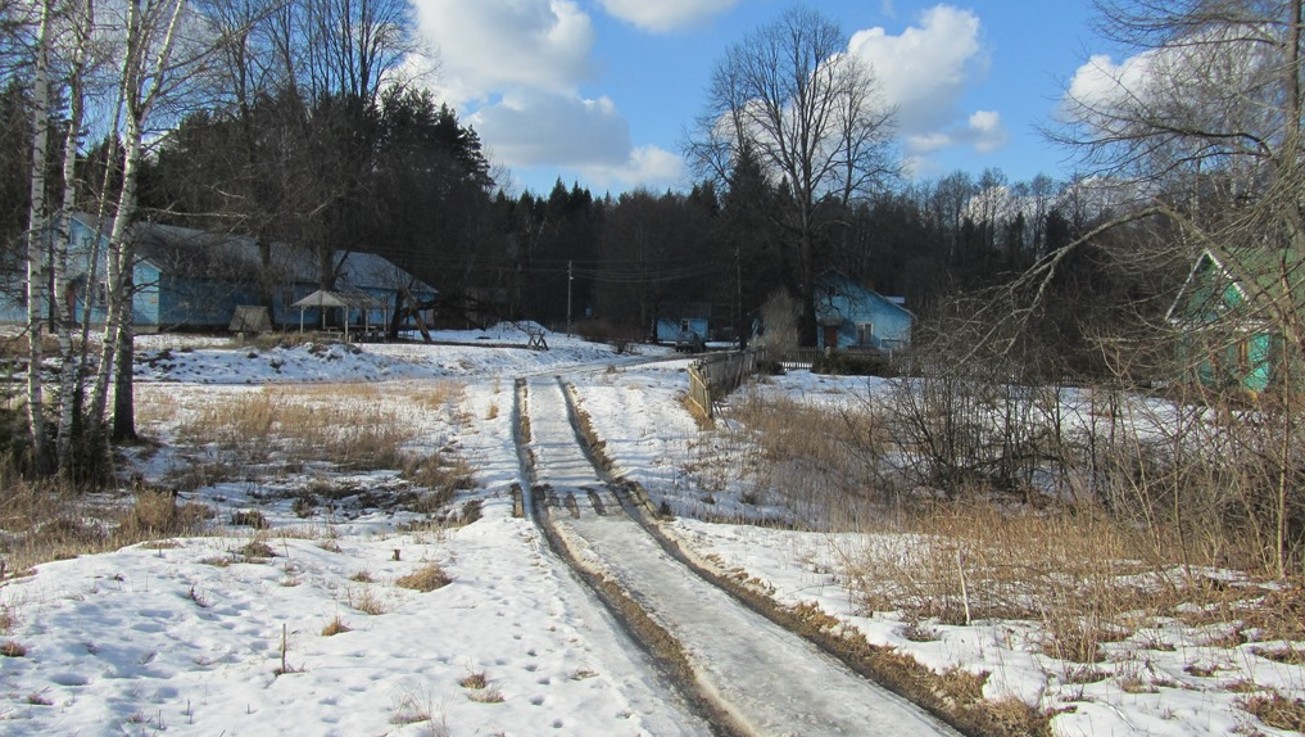
The station is located on the border between the Podolsk and Naro-Fominsk districts of Moscow Region (55°27’ N, 37°13’ E), 40 km from Moscow (10 km from the village of Krasnaya Pakhra). The station owns a 3.6 ha plot on which a laboratory building and a residential building, each with an area of 400 m², are located. Of the surrounding 2,500 ha of territory, about 80% is forest and 20% is fields, meadows, clear-cuts, and wasteland. The forests around the station consist mainly of 50-130-year-old pine and spruce stands with an admixture of birch and aspen, birch and aspen groves, and secondary oak and lime groves. Conservation work began here in 1963 under the guidance of Academician V.N. Sukachev, with economic activity being curtailed. The presence of black alder groves along streams led, in 1985, to the establishment of the «Black Alder Forest» state nature monument of regional significance on an area of 14 ha.
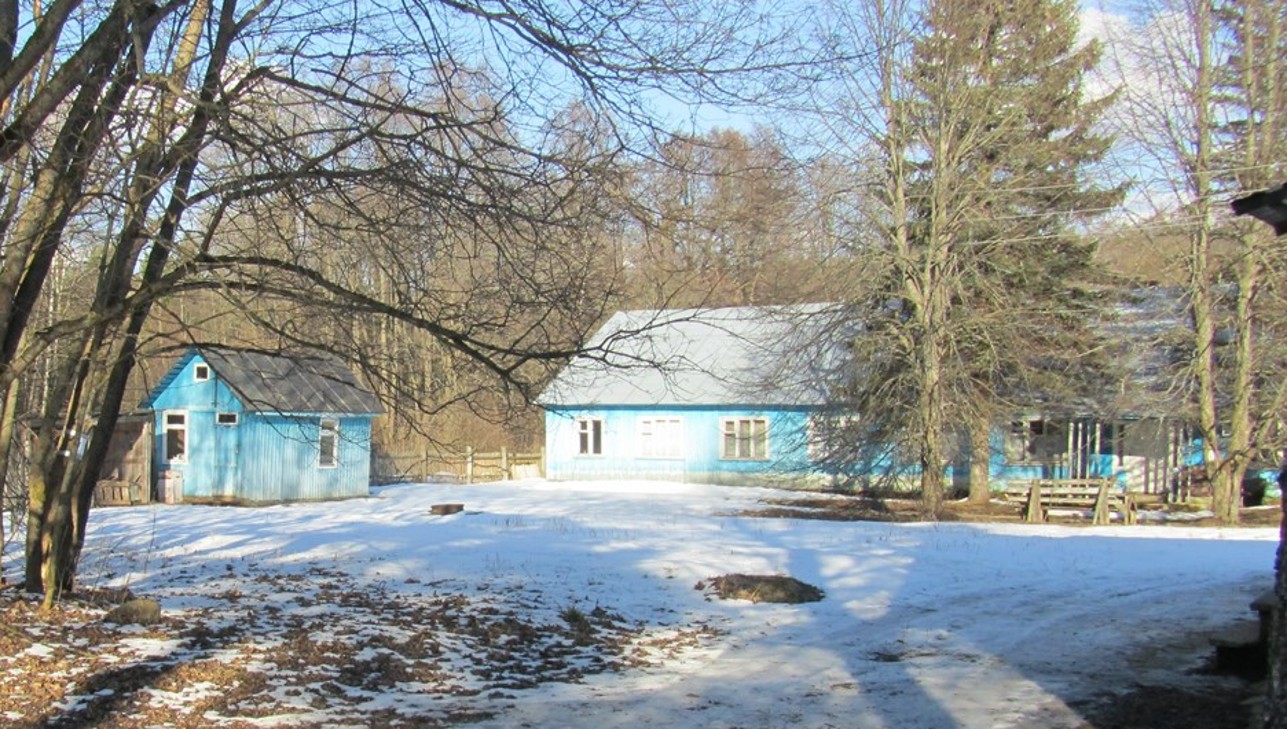
The forests around the station are notable for having been regenerated about 100 years ago. Local peasants leased the forests on the condition that, for every tree felled, they would plant a young tree of the same species in its place. As a base for studying such forests, the outstanding forest scientist Academician V.N. Sukachev chose plots of forest near the villages of Dybino and Polyany. V.N. Sukachev's student and follower, Professor V.N. Dylis, headed and carried out the work of establishing the experimental base, which was named «Malinki» after the name of the timber enterprise («leskhoz») whose land borders the station. The name also stuck because raspberries («malina» in Russian) are abundant in the vicinity of the station; the stress therefore falls on the second syllable.
In the late 1980s, several new ecology-focused laboratories, as well as staff from university departments — Moscow State University (MSU), Moscow State Pedagogical University (MSPU), the Peoples' Friendship University of Russia (RUDN), and others — began conducting their own research at the station.