
A new species of skink lizard has been described in Vietnam
During fieldwork by the Russian-Vietnamese Tropical Research and Technology Center of the Institute of Ecology and Evolution of the Russian Academy of Sciences (IEE RAS), specimens of small skinks were discovered in the high-mountain forests of the Lang Bian Plateau in southern Vietnam. Based on morphological and molecular data, a new species belonging to the genus Scincella was described.
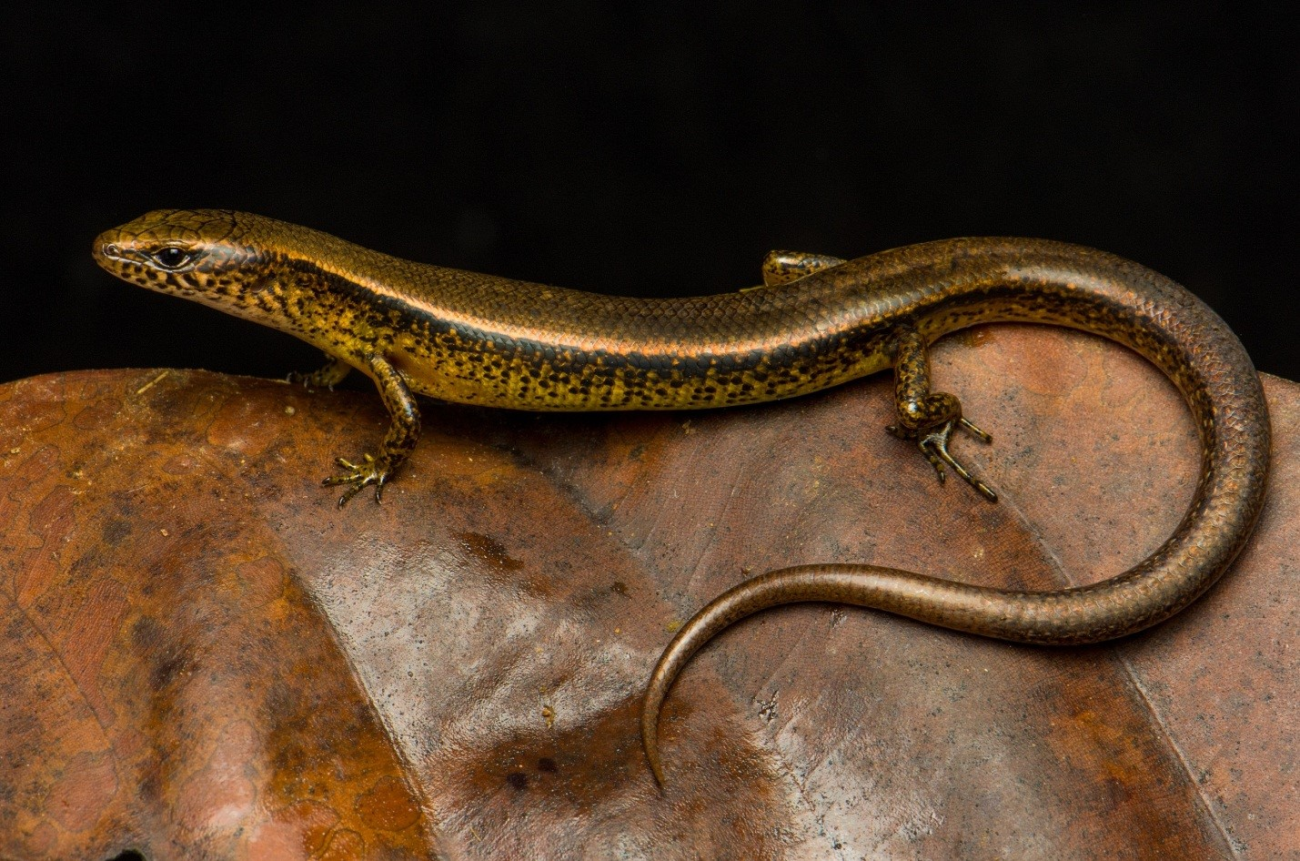
Phylogenetic analysis confirms that the species Scincella balluca (Bragin, Zenin, Le, Nguyen, Nguyen, Bobrov et Poyarkov, 2025) (Fig. 1) is a distinct lineage, with significant mitochondrial differences from all other studied species of the genus Scincella. This discovery brings the number of recognized species of the genus Scincella to 47 in the global fauna.
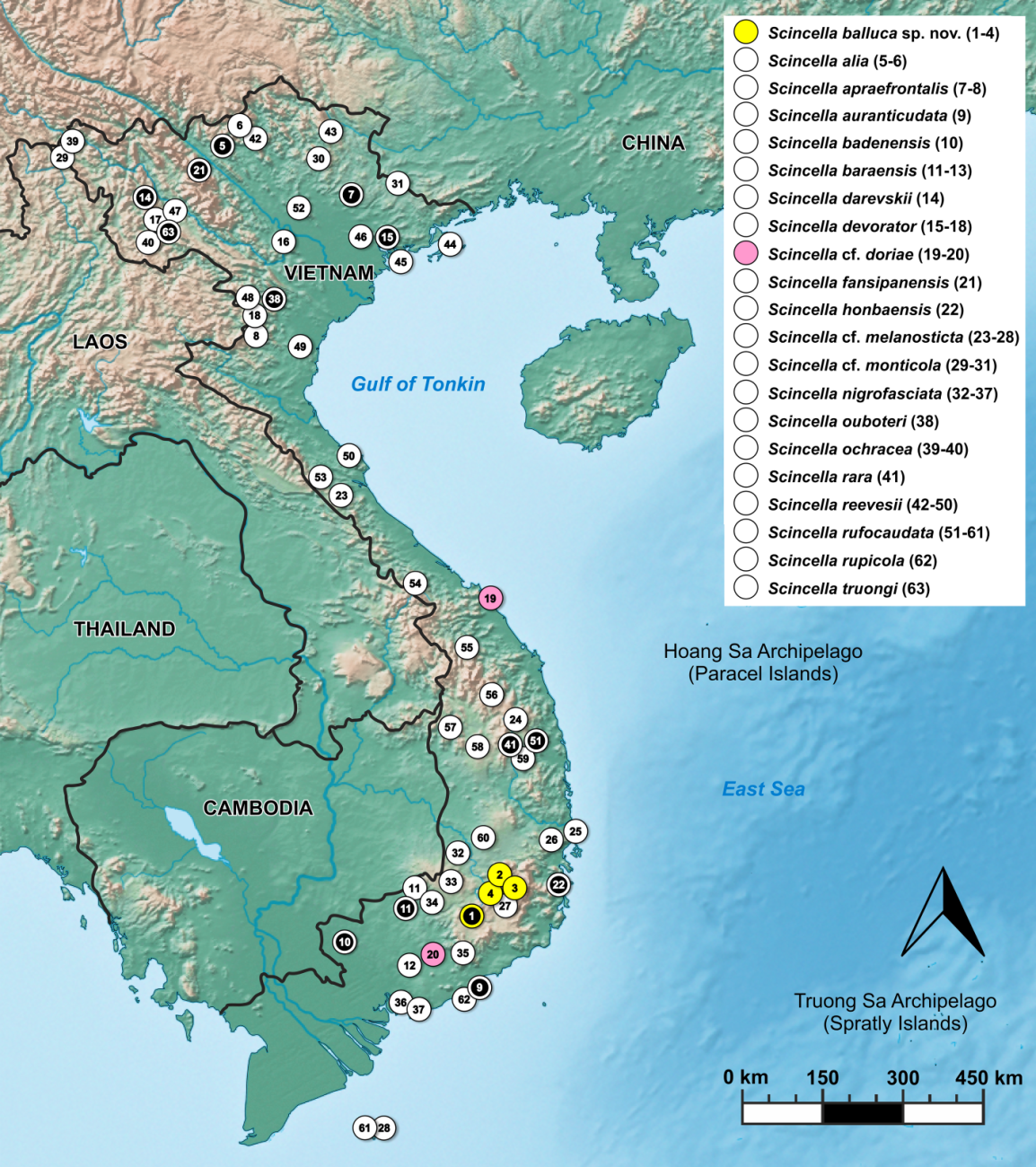
Fig. 2. Distribution map of representatives of the genus Scincella in Vietnam.
The Lang Bian Plateau is located at the southern end of the Annamite Mountains (the Truong Son Range) and is recognized as a biodiversity hotspot in Vietnam and Indochina as a whole. It is characterized by high diversity and endemism of its herpetofauna (Poyarkov et al., 2021, 2023), much of which has only recently been discovered.
Despite many years of herpetological research conducted by the Tropical Research Center in this region, some areas of the Lang Bian Plateau remain poorly studied, and many herpetofauna species have not yet been thoroughly investigated. Among the poorly studied taxa are members of the skink family (Scincidae), particularly the genus Scincella. Meanwhile, Vietnam is a center of diversity for this genus, accounting for more than a third of its known species richness: 20 species have currently been recorded in the country.
According to current understanding of their distribution, most species of the genus Scincella in Vietnam are associated with mountainous habitats (Fig. 2). Until now, scincellas on the Lang Bian Plateau were represented by only two species: S. doriae and S. melanosticta. Given the high diversity of these skinks on the plateaus of northern and central Vietnam, additional fieldwork in this region, as well as a reassessment of existing collections, is needed.
The specific epithet of the new species is derived from the Latin noun "ballux," meaning "grain of gold." The name refers to the golden coloration of the flanks and ventral surface of the new species, as well as the shiny surface of the scales, which sometimes shimmer in the sun. The authors of the description propose the following common names for this species: "Golden ground skink" in English, "Thằn lằn ánh vàng" in Vietnamese, and "Золотистый малый сцинк" in Russian.
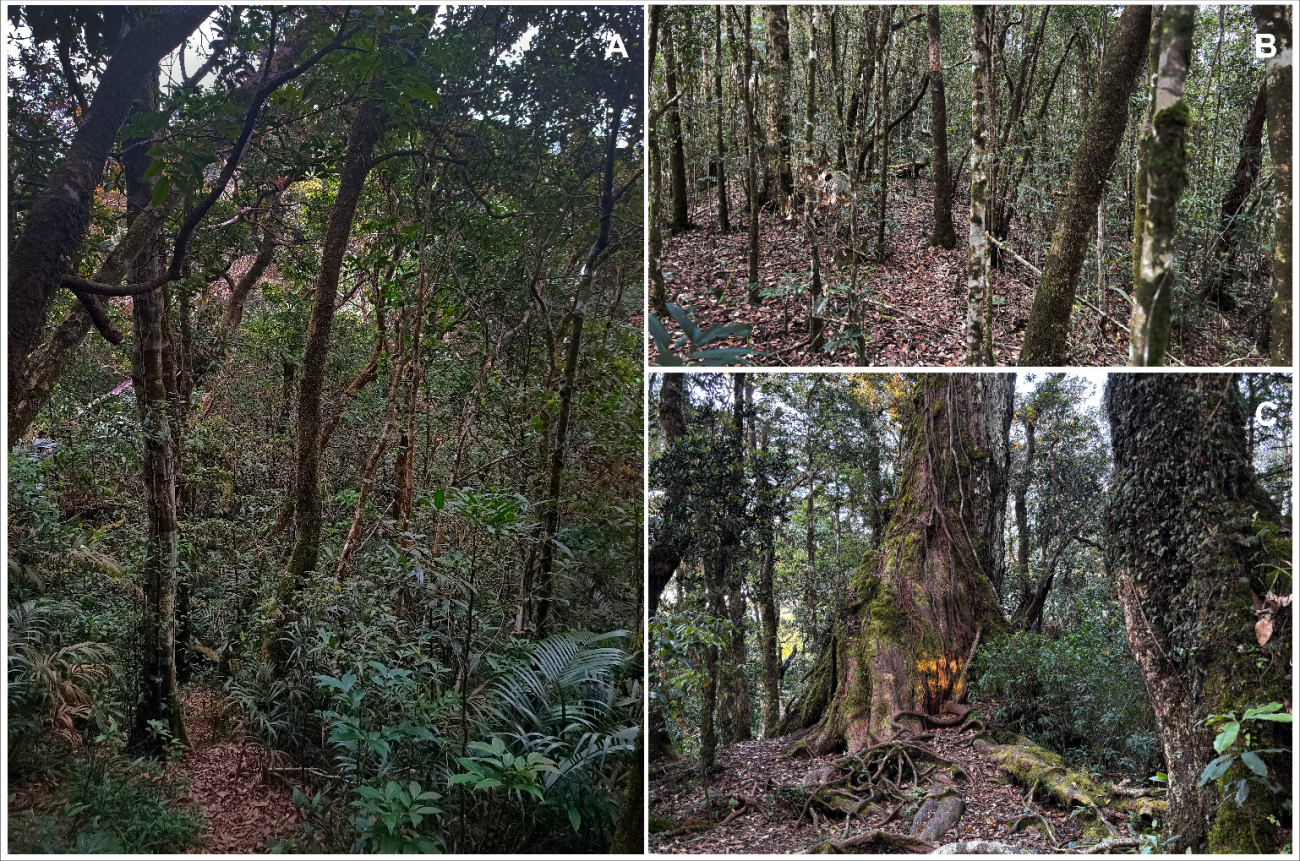
Fig. 3. Habitats of Scincella balluca sp. nov. in Southern Vietnam (Photo: A.M. Bragin.)
The new species is currently known from three high-altitude habitats in southern Vietnam (Fig. 3): Ta Dung Mountain in Ta Dung National Park (Dak Nong Province), Chu Yang Sin Mountain in Chu Yang Sin National Park (Dak Lak Province), and Bidup Mountain in Bi Duup-Nui Ba National Park (Lam Dong Province).
"Its habitats range from 1,600 m to 2,200 m above sea level. Given the ecological similarities of adjacent mountain regions, it is likely that the new species' distribution extends further, potentially encompassing other high-altitude ranges across the Lang Bian Plateau at similar altitudes," said Vladimir Bobrov, PhD, senior researcher at the Institute of Ecology and Evolution of the Russian Academy of Sciences.
Related materials:
Science.Mail: "Russian scientists have described a new lizard species"