
Scientists from IEE RAS conducted the first expedition to study the salt lakes of northern Vietnam
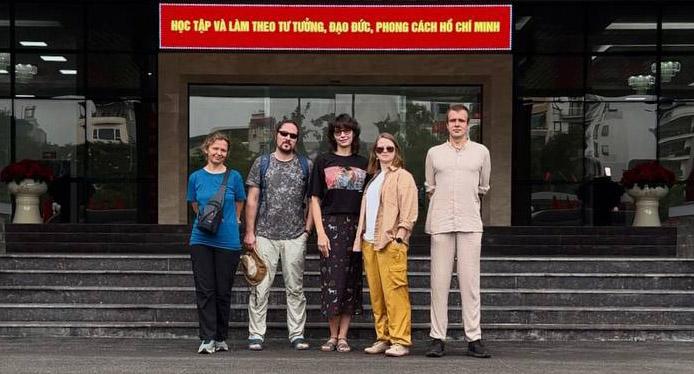
In September-October 2025, researchers from the A.N. Severtsov Institute of Ecology and Evolution of the Russian Academy of Sciences (IEE RAS) took part in the first expedition to study salt lakes on the islands of the Gulf of Tonkin (Northern Vietnam). The work was conducted on the islands of the Van Don region (Quang Ninh Province) in collaboration with the Russian-Vietnamese Tropical Center.

More than 100 lakes, isolated from the sea to varying degrees, are known in this region. They represent a unique natural laboratory, allowing us to assess the influence of salinity, temperature, and mineral composition on the development of aquatic flora and fauna. However, until now, their hydrological and hydrochemical characteristics, as well as the composition of their fauna, remained virtually unexplored.
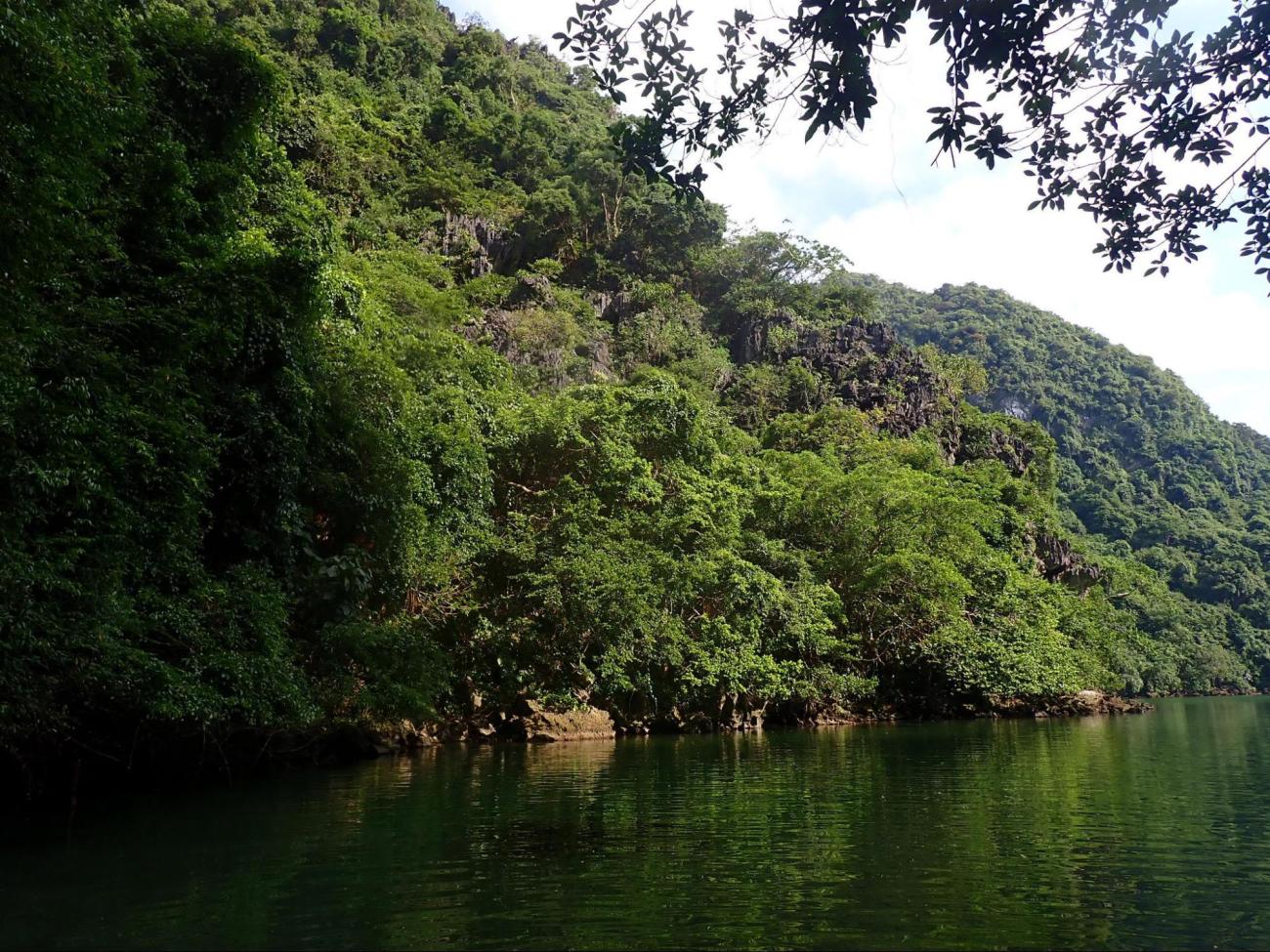
During the expedition, six bodies of water, varying in their connection to the sea, were surveyed. Scientists measured key hydrochemical parameters, conducted depth measurements, and collected fish and macroinvertebrate samples for subsequent analysis.
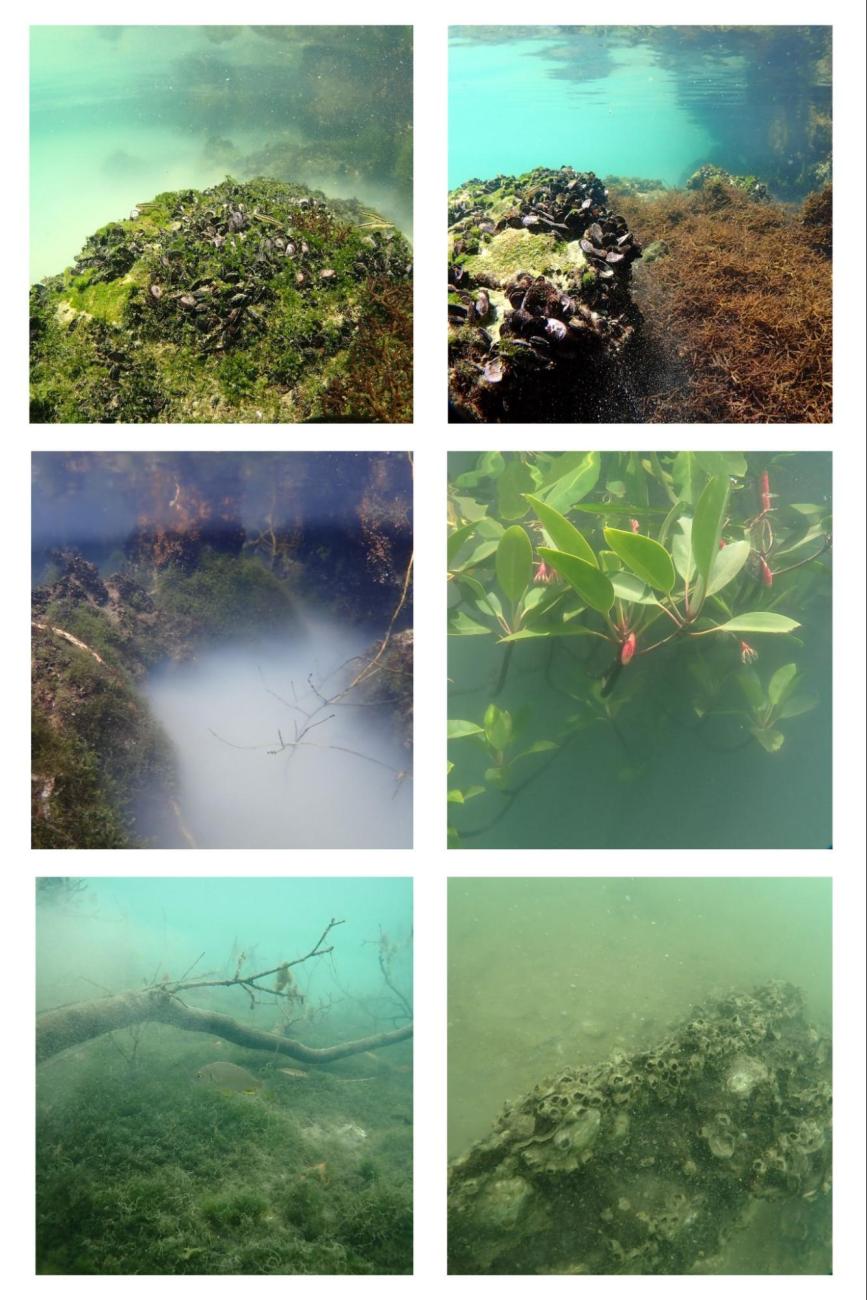
Preliminary results showed that three lakes are connected to the sea via underwater channels, two are semi-enclosed lagoons, and one is a completely isolated body of water. The isolated lake lacks tidal dynamics and exhibits pronounced stratification of the water column. In several lakes, elevated bottom water temperatures were detected, possibly indicating the presence of hydrothermal vents. In total, the presence of at least 20 fish species (including representatives of the families Gobiidae, Terapontidae, Leiognathidae, Gerreidae, and Mugilidae) and a significant diversity of macroinvertebrates — gastropods, bivalves, and crustaceans — was recorded in the studied biotopes.
Further processing of the collected samples will be carried out in the laboratories of the Institute of Ecology and Evolution of the Russian Academy of Sciences. The data obtained will form the basis of the first database on the biological and hydrochemical diversity of salt lakes in Northern Vietnam and will help identify priority areas for future research.
Polina Dgebuadze, PhD, head of the department, noted: "This work opens a new avenue for studying Vietnam's unique coastal ecosystems. Studying salt lakes will not only allow us to describe their biodiversity but also assess their role in regional ecological and hydrological processes."