

Bobrovy Island in Nagatinsky Zaton needs to be cleared of debris and beavers' living conditions improved, says IEE RAS
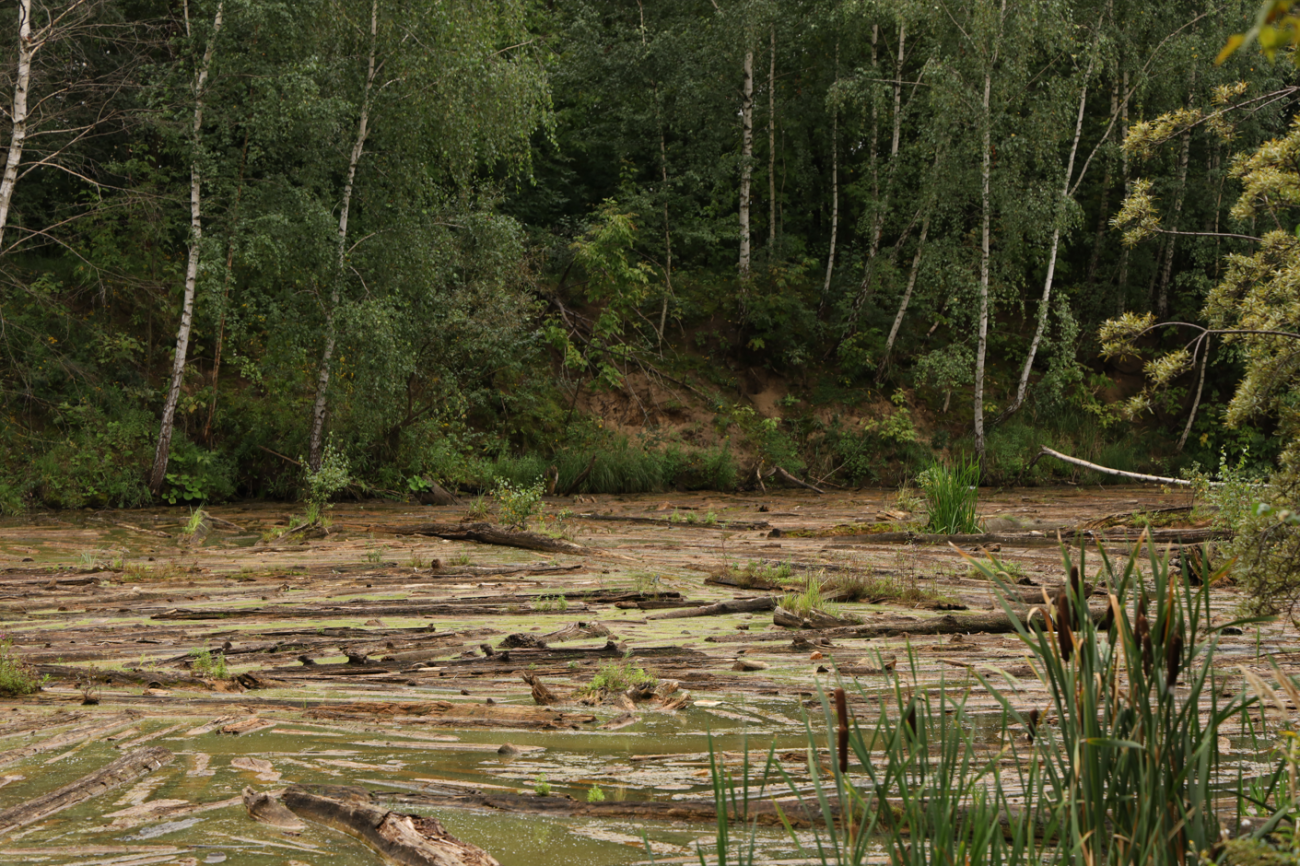
Experts from the Institute of Ecology and Evolution (IEE) of the Russian Academy of Sciences conducted a field study of the fauna of Bobrovy Island in the Nagatinsky Zaton district of Moscow and recommended clearing the island of debris and improving the beavers' living conditions on the island by replenishing the food supply and dredging the seabed along the shore.
"Since Soviet times, the island has been an abandoned storage site for building materials, part of the loading and unloading system of the Yuzhny Port. The island is currently in a state of disrepair – there is a lot of trash, including large items (tires, rebar, broken batteries), illegal buildings, and other traces of illegal picnics. The inner lake is particularly polluted," commented Andrey Zaitsev, PhD in Geographical Sciences and head of the IEE RAS Technology Transfer Center.
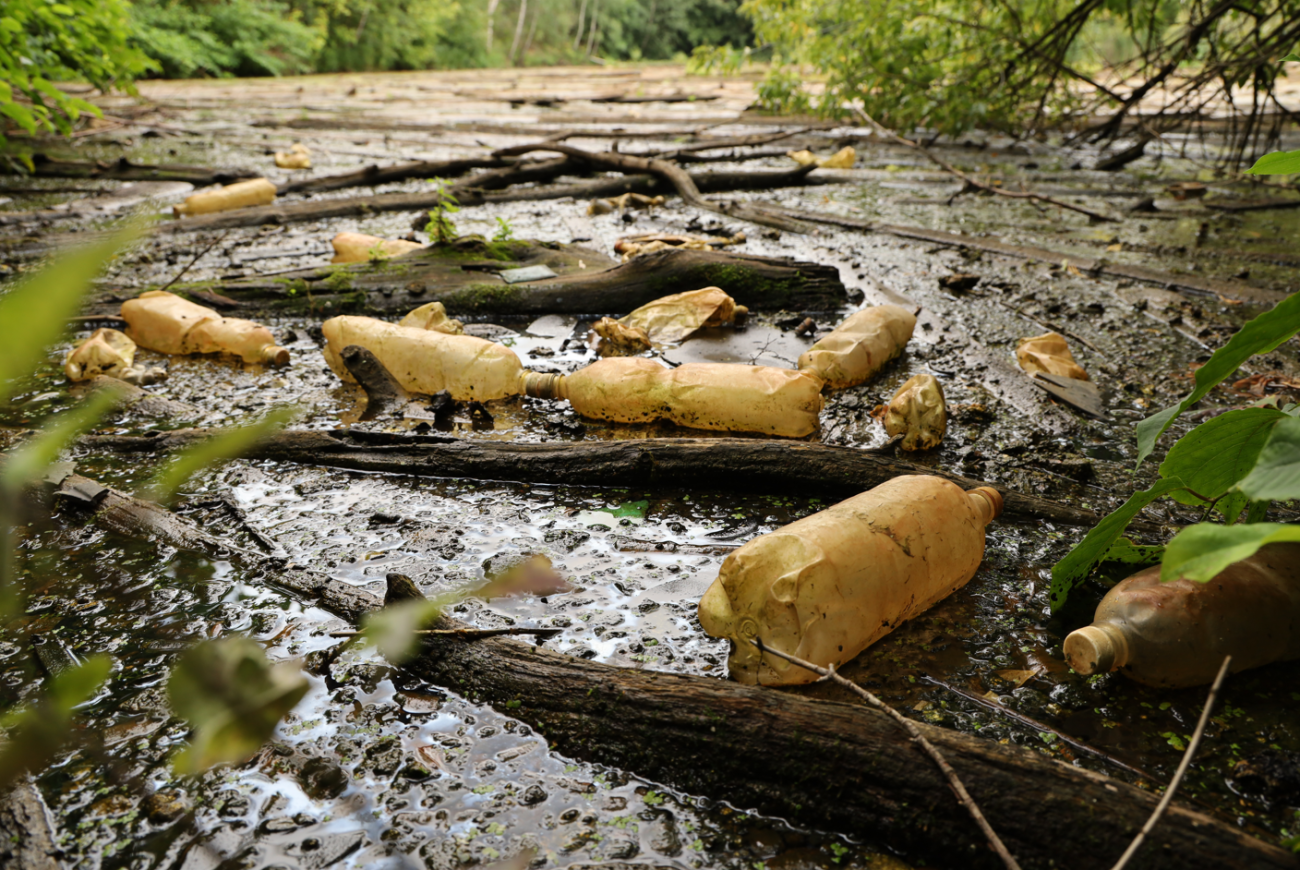
A study by IEE RAS also showed that the beavers' food supply on the island has been depleted. Almost all the aspen trees found on the island, which are the beavers' primary food source, have either already fallen or bear tooth marks and could be felled as early as this winter. Living conditions for beavers on the island will only worsen, so measures must be taken to improve them, including clearing debris, planting the plants most attractive for beavers, and dredging the bottom near the shore to allow the animals to dig additional burrows.
"Renewal and development of Bobrovy Island will help preserve the animal population. Leaving the island untouched means losing the animals currently living there: when their food supply is completely exhausted, they will abandon the island, which could even lead to their death. After all, there are no other suitable habitats for them in this part of Moscow, or they are already occupied by other beavers. The only correct solution is to carry out restoration work and further renew the area, taking into account the interests of the animals. This is feasible – there is international experience in ensuring comfortable coexistence between beavers and people in the same area," emphasized Andrey Zaitsev.
A study by IEE RAS confirmed that, contrary to popular belief about the island's mass infestation, a single family of up to six animals lives there, with two or three additional individuals occasionally visiting. "This means that the permanent inhabitants of Bobrovy Island, after which it was named, can be counted on the fingers of two hands," noted Ivan Bashinsky, a senior researcher at the Institute of Ecology and Evolution of the Russian Academy of Sciences and a PhD in Biology.
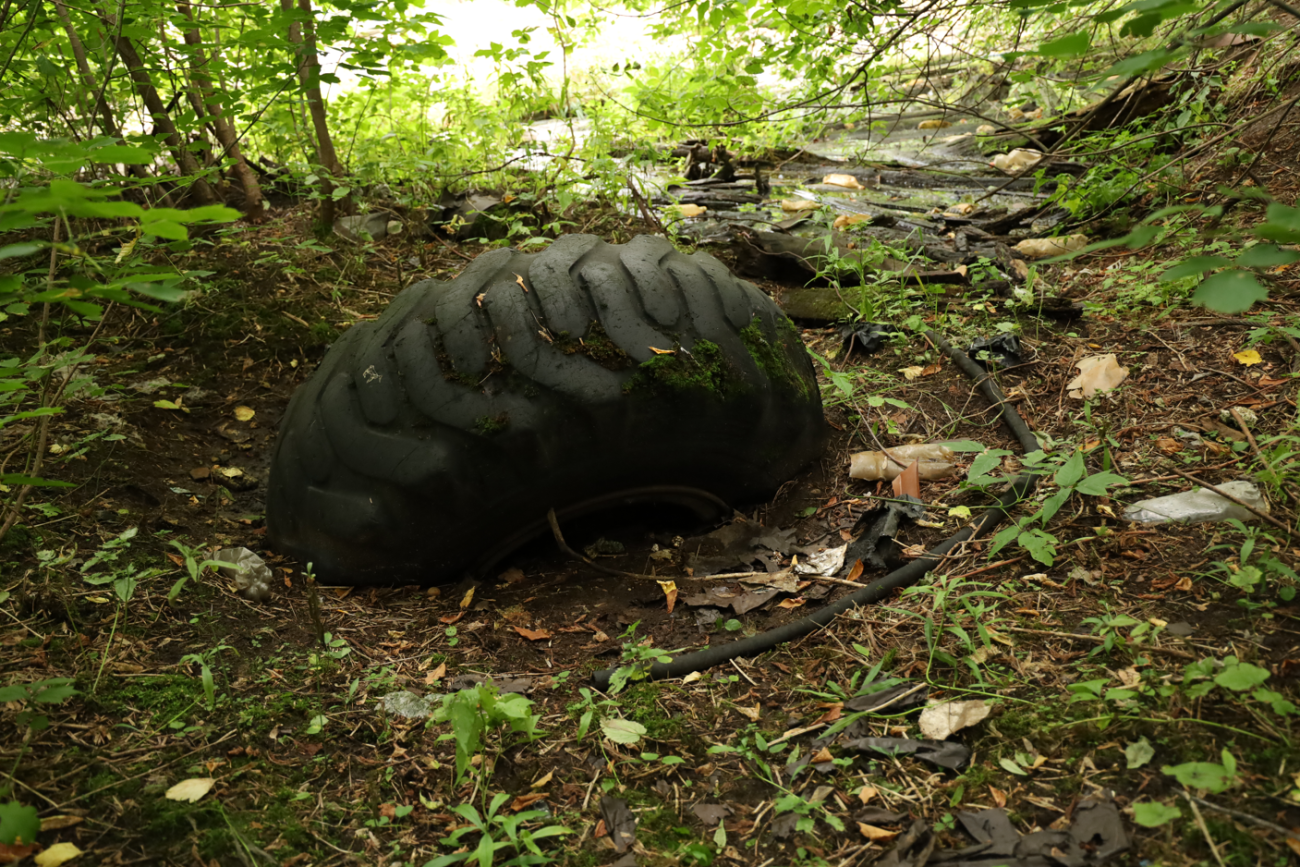
To preserve the existing beaver population on the island, it will be necessary to allocate a separate area for them, providing improved living conditions and food supplies. The remaining territory, where beavers' presence is undesirable and unsafe for the animals themselves, must be protected from their invasion, including by planting plant species unattractive to them.
Related materials:
Science.Mail: "Beavers may disappear from Moscow's Bobrovy Island"