

Scientists have discovered more than a hundred new highly chlorinated compounds in the soils of Vietnam
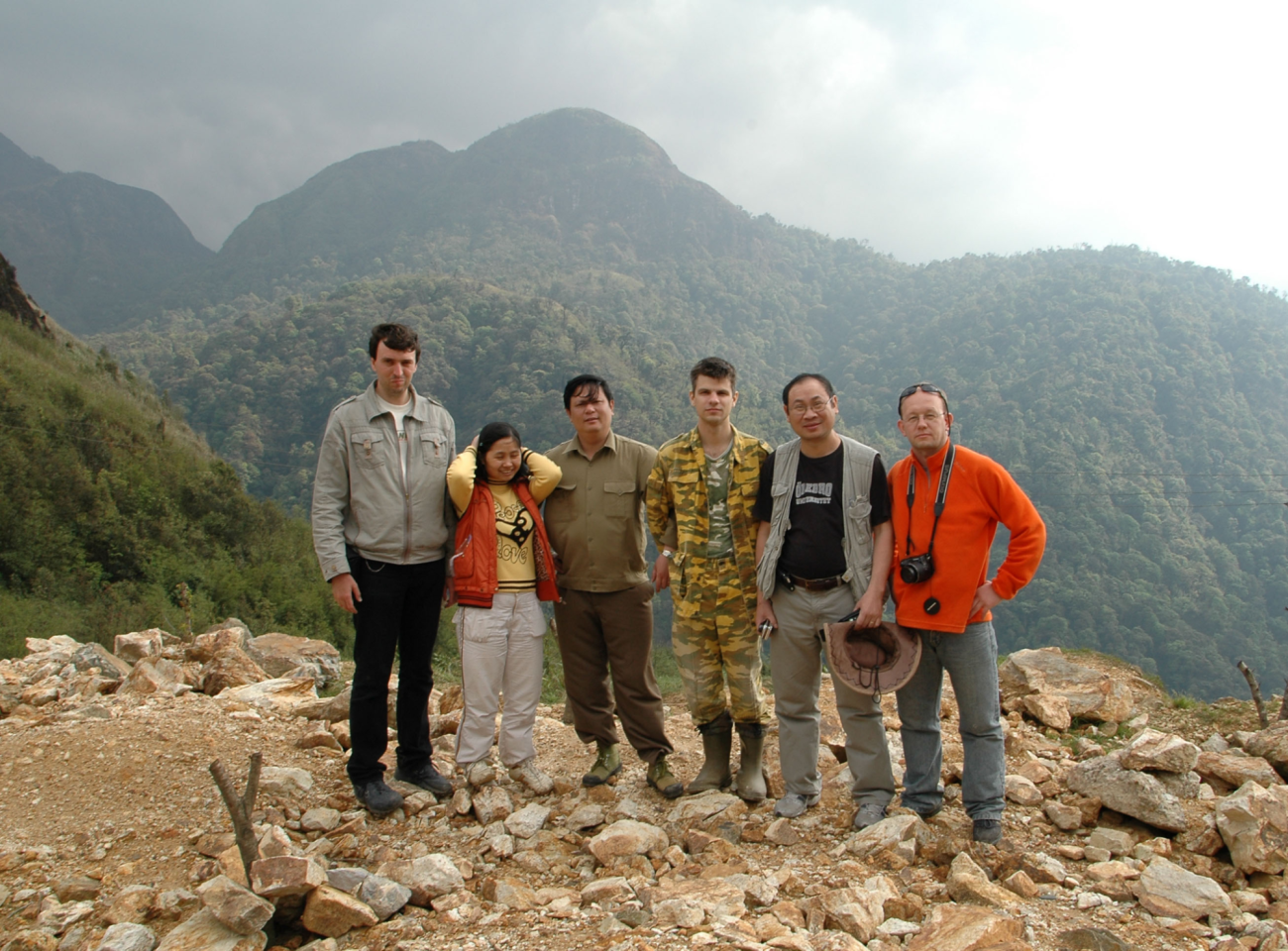
Researchers from the A.N. Severtsov Institute of Ecology and Evolution of the Russian Academy of Sciences (IEE RAS), together with colleagues from the Department of Chemistry and Environment of the Joint Russian-Vietnamese Tropical Science and Technology Center, conducted a study of soils from various regions of Vietnam and discovered over thirty structural groups of previously undescribed highly chlorinated organic compounds, presumably of natural origin.
Back in the mid-2000s, researchers recorded abnormally high levels of one dioxin, octachlorodibenzo-p-dioxin, in Hoang Lien National Park in northern Vietnam, along with a distribution pattern of other dioxins atypical for industrial processes. Interestingly, elevated levels of this substance with a similar distribution pattern were also observed in Australia, including in nature reserves unaffected by human activity.
These observations led scientists to ask: could such compounds be of natural origin and what other organochlorines are present in these soils? And whether similar processes are occurring in other regions of Vietnam. To answer these questions, a modern method, high-precision mass spectrometry (HRAM MS), was used.
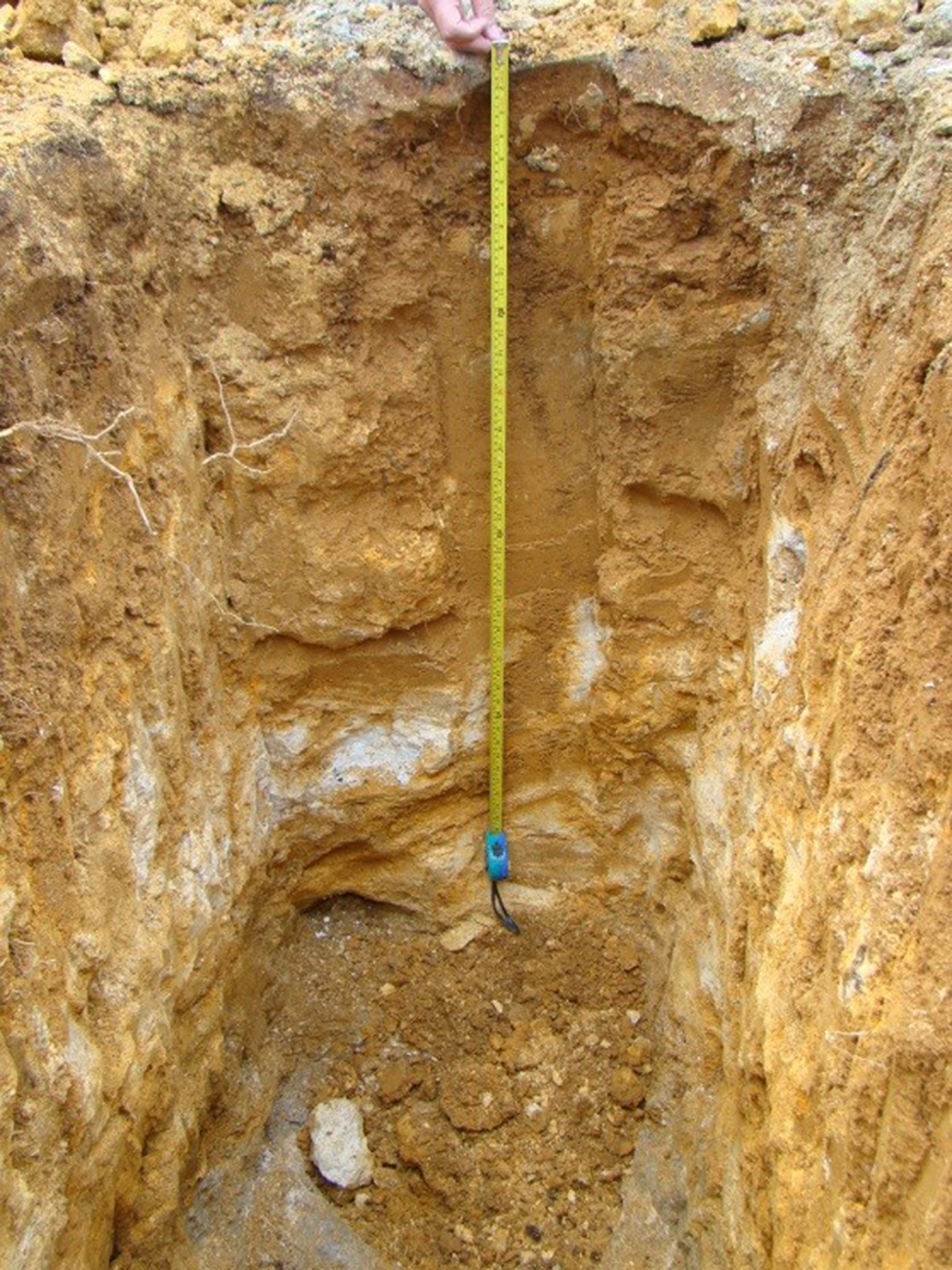
The analysis revealed more than two hundred individual highly chlorinated compounds, most of which had not previously been encountered in the scientific literature. Some compounds were structurally similar to natural antibiotics.
"The wide variety of structures with a limited number of isomers and the absence of obvious anthropogenic precursors indicate the existence of a number of natural, likely biogenic, processes leading to their formation and serve as further confirmation of the hypothesis of the natural origin of octachlorodibenzo-p-dioxin," notes Andrey Shelepchikov, leading researcher at the Laboratory of Analytical Ecotoxicology at IEE RAS.
To date, more than eight thousand natural halogen-containing compounds are known, but most contain only a small number of chlorine atoms. The discovery of large quantities of highly and even perchlorinated compounds in background soils significantly expands our understanding of natural chlorination processes.
Scientists have yet to determine the biological and chemical processes that lead to the formation of these compounds and their role in ecosystem functioning. Based on their structural similarity, some of them may possess antibiotic properties, opening up prospects for the search for compounds to combat pathogens resistant to known antibiotics.
The work was published in the journal Chemosphere: Andrey A. Shelepchikov, Anastasia D. Kudryavtseva, Truong X. Nghiem. Naturally occurring highly chlorinated organic compounds in soils with elevated OCDD concentrations, Chemosphere, Volume 391, 2025, 144723.