
"Protected Area Camera Trap 2026": Innovations for the Leopard and the National Network of Protected Areas
A team from the A. N. Severtsov Institute of Ecology and Evolution of the Russian Academy of Sciences (IEE RAS) working on the restoration of the Persian leopard in the Central Caucasus has mastered advanced photomonitoring methods and is beginning work on their part of the project "Formation of a National Photomonitoring Network in Protected Areas of Russia."
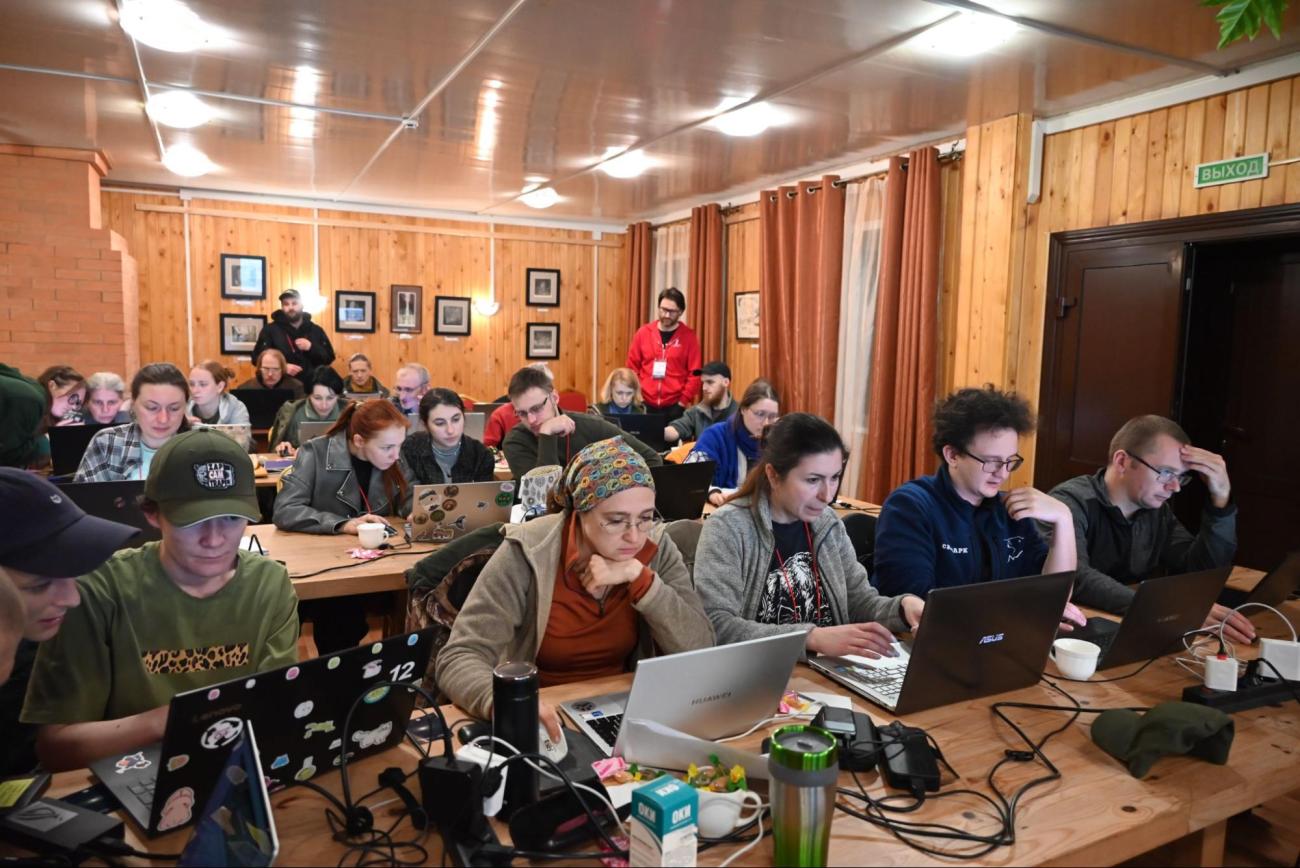
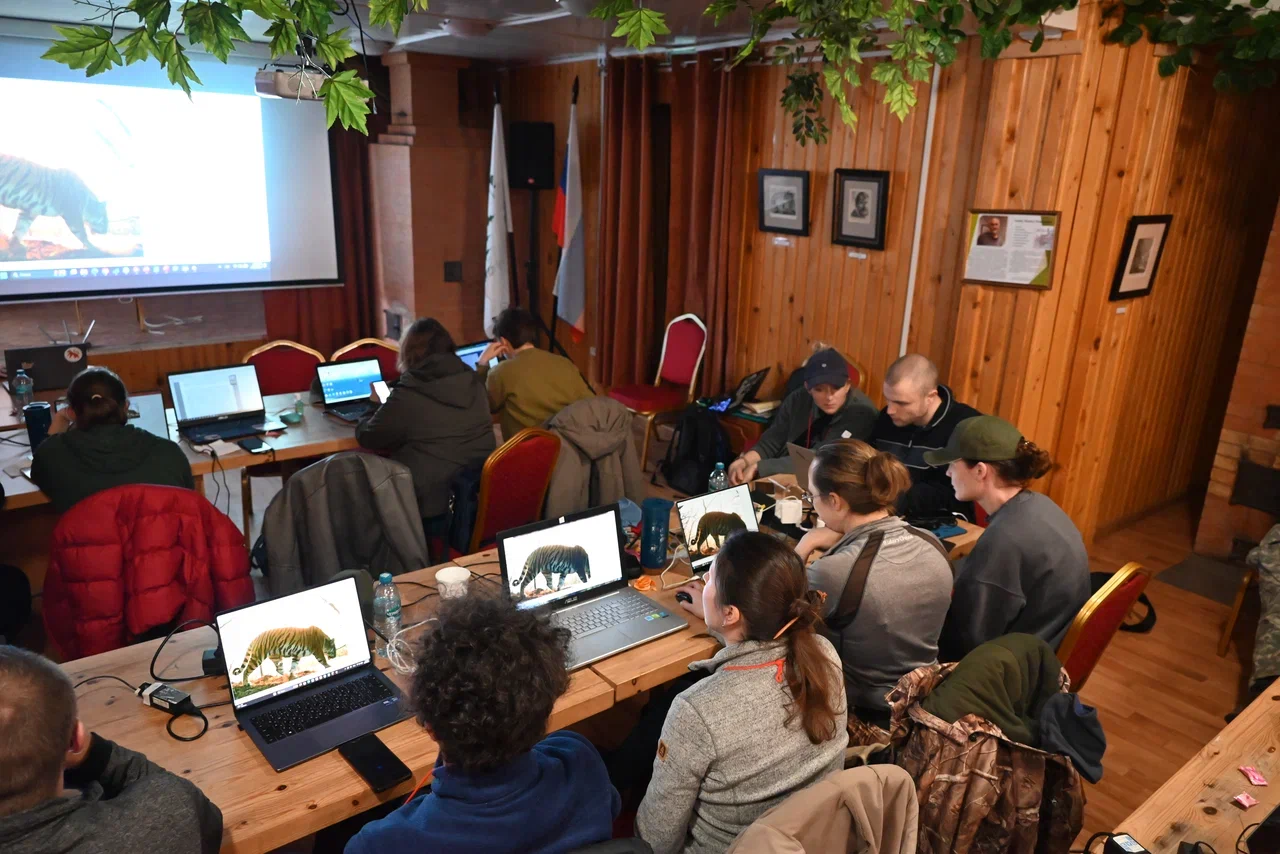
IEE RAS staff involved in the project to restore the Persian leopard in the Central Caucasus participated in the Third "Protected Area Camera Trap 2026" workshop. The event, held in April 2026 at the Central Forest State Nature Biosphere Reserve (CFSNBR), focused on in-depth work with camera traps, data analysis, and preparations for the deployment of a large-scale monitoring network in European Russia, including the Chechen Republic.
The Institute's team's primary goal in participating in the seminar was to master the CAMMON (CAMtrap MONitoring) program standards. This knowledge is critical for the effective organization of a photo-monitoring network of 60 camera traps in the Chechen Republic. Such a network will enable the creation of an effective system for monitoring large mammals—both potential prey of the leopard and its competitors. Furthermore, working with a unified CAMMON methodology will enable the collected data to be used in another, larger-scale project - as part of the first national Wildlife Photo-Monitoring Network in Russia's protected areas. This will subsequently enable meta-analysis and comparison of results with other areas, which is crucial for the conservation of biodiversity and the environmental and intellectual security of our country.
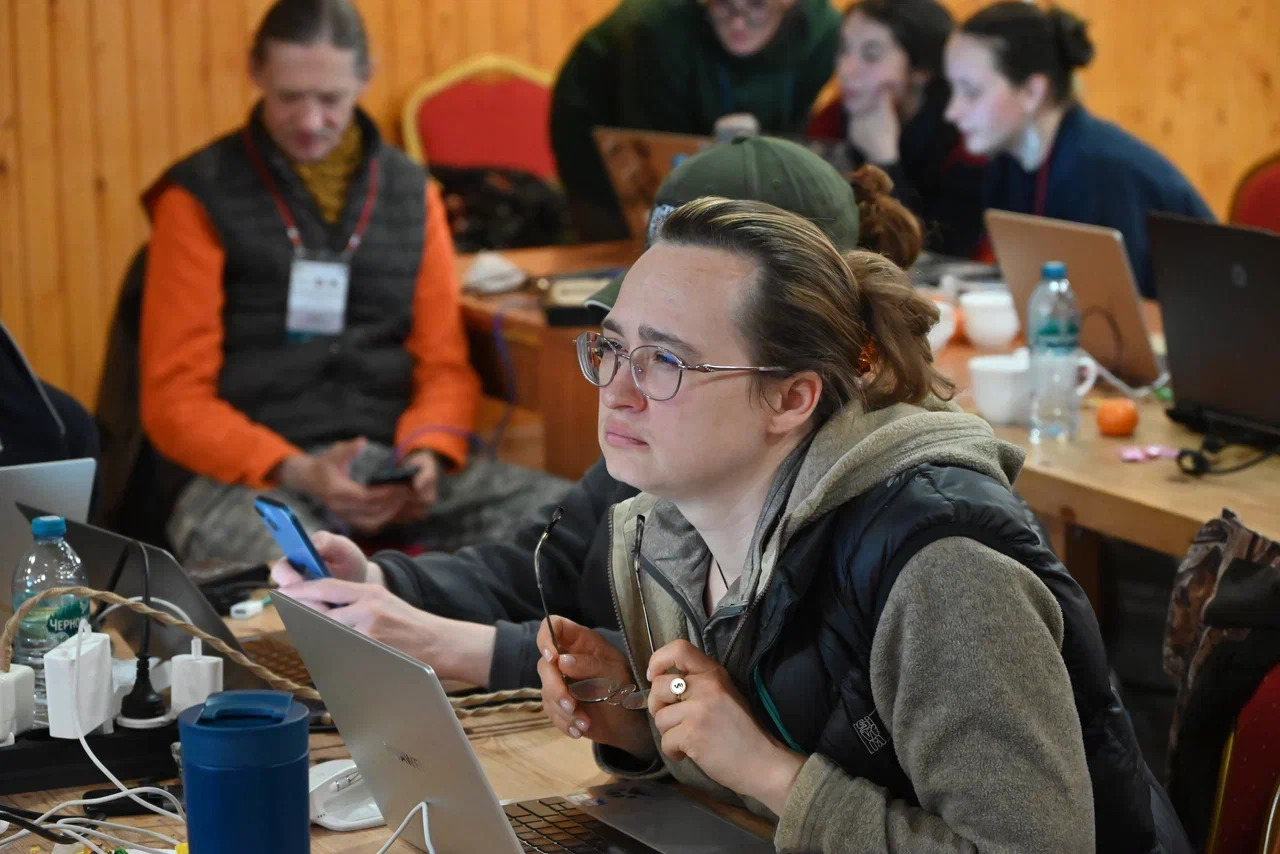
Over the course of six days, scientists mastered both the theory and practice of modern photomonitoring. The program included the following key topics: Animal population estimation: Participants learned to calculate population densities of unrecognizable species using the random encounter model (REM) and time-to-event model (TTE) methods, and for individually recognizable species (e.g., tigers) using SECR analysis in R. Network design and GIS: Participants were shown how to create photomonitoring networks in QGIS, from simple options to automatic location generation taking into account various constraints. Camera calibration and data processing: As part of the REM method's development, master classes were held on calibrating locations using a calibration pole, constructing their photogrammetric models in AnimalTracker, and processing images in Timelapse (taking into account the tagging features for REM). Data analysis in the R environment: Scripts for REM, single-season population analysis (using the Far Eastern wildcat as an example), and the capabilities of the CAMMON core module for calculating abundance indices, species diversity, daily and seasonal activity, and assessing human impact on mammals were covered in detail. Individual recognition: Participants learned how to identify tigers and leopards in ExtractCompare and were introduced to the capabilities of HotSpotter for recognizing lynxes and Caucasian wildcats.
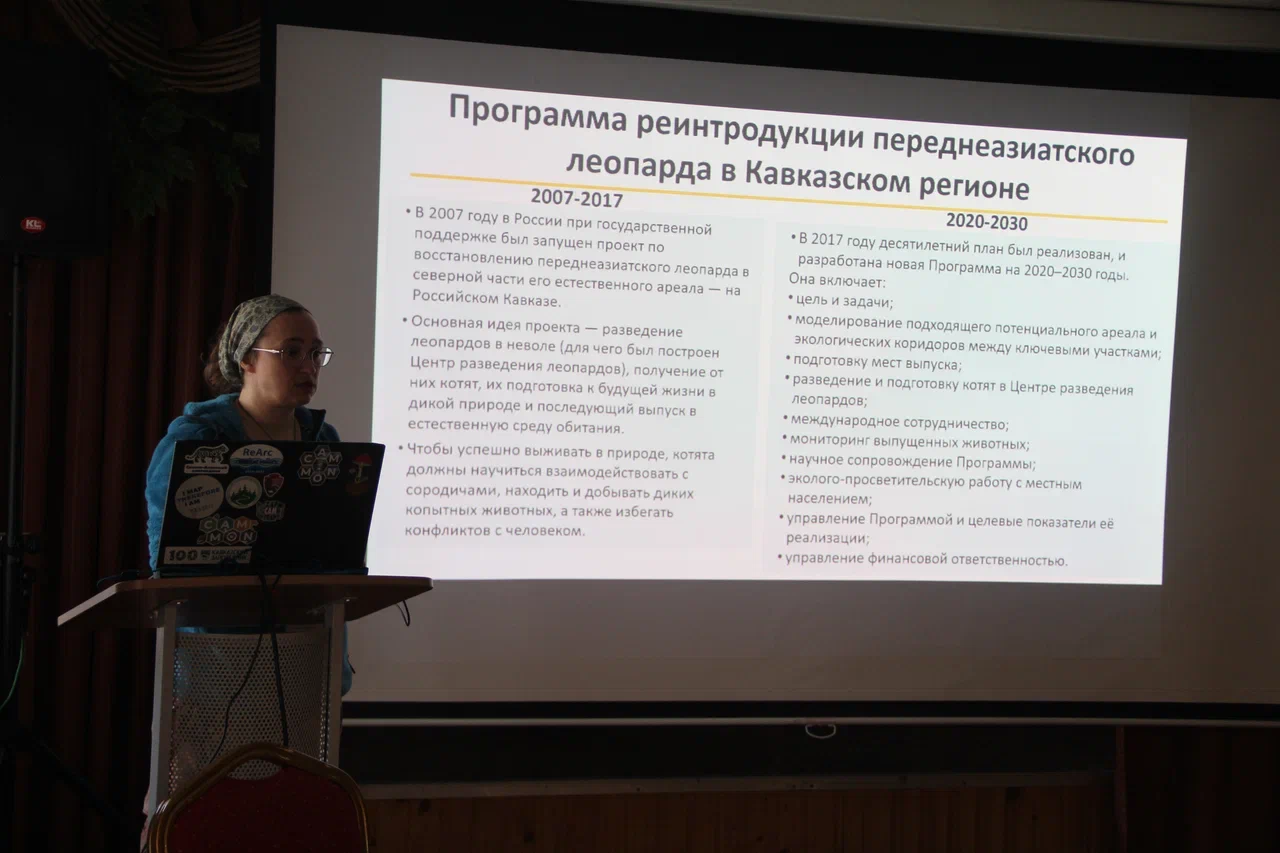
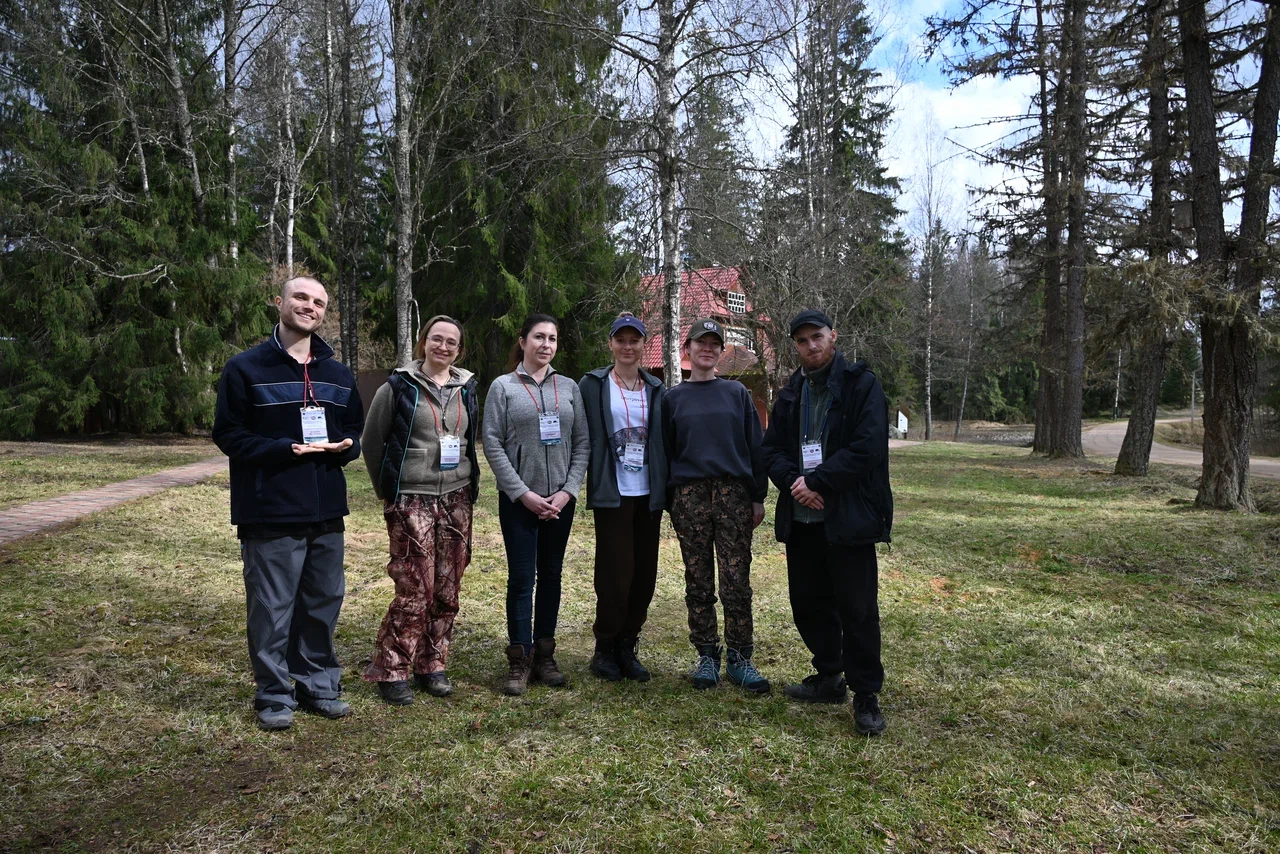
All IEE RAS staff members successfully completed their training, received certificates, and acquired the extensive practical knowledge necessary to implement this ambitious project.
The equipment that the scientists will use in Chechnya was obtained with the support of two foundations: 40 cameras were acquired in 2026 thanks to IEE RAS's participation in the creation of the first national photomonitoring network (a project of the Central Forest Reserve) using a grant from the Presidential Fund for Nature. Twenty cameras were installed earlier, in 2024, with support from the Nature and People Foundation. They have now been in operation for a year, having been removed and prepared for the 2026-2027 season.
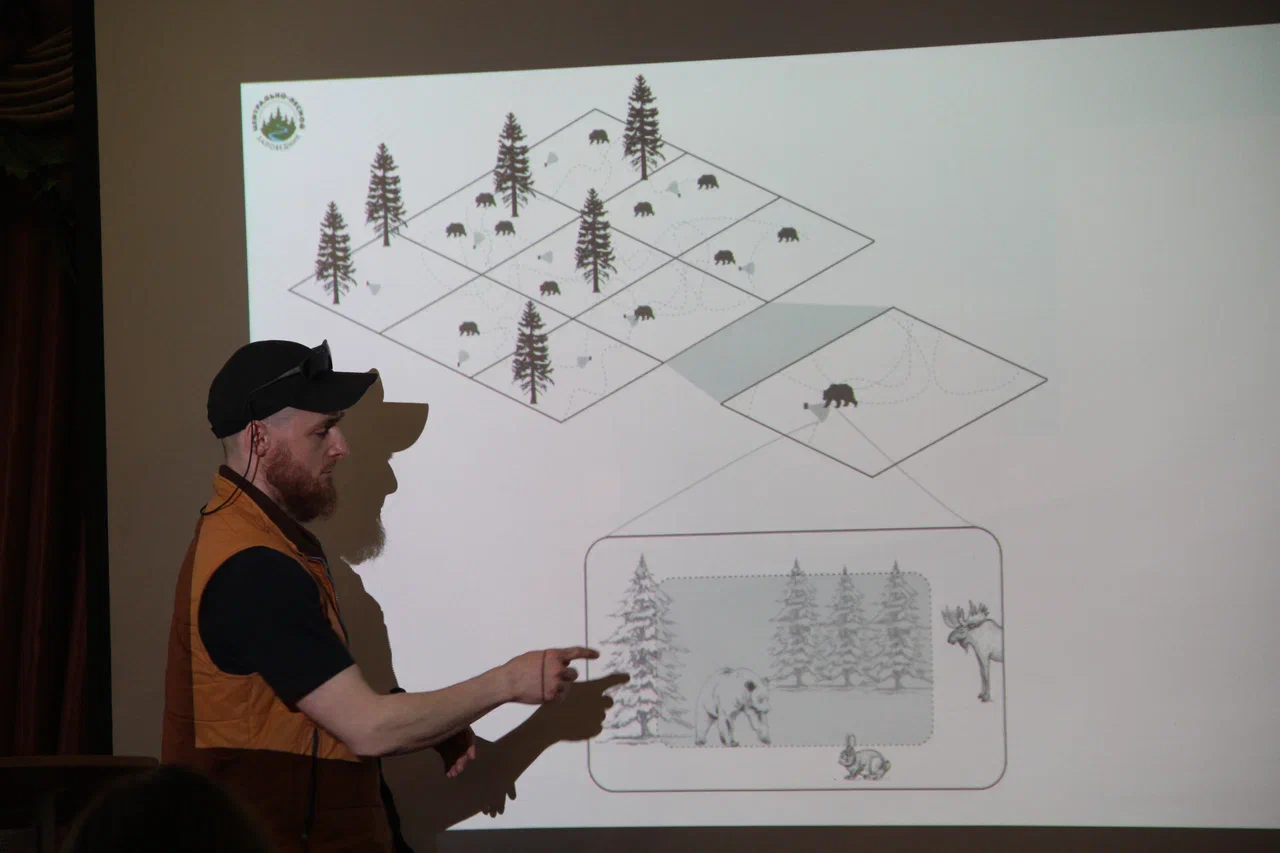
The collected data will be used in two key areas. As part of the Central Forest Reserve project, the Chechen Republic's model territory will be integrated into the first national photo-monitoring network for protected areas in Russia. Under the Persian Leopard Recovery Program in the Russian Caucasus, regular monitoring of fauna will be conducted in areas frequented by wild and released leopards.
As the expedition participants noted, the Institute has three noble goals:
- Establishing a monitoring network in the Caucasus comparable to that in the Far East, which will allow for a comprehensive study of the status of leopards and related species.
- Developing and testing a specialized module of the CAMMON Photo Monitoring Program, adapted specifically for mountainous areas, taking into account the complex terrain and habitat distribution of animals.
- Restoring the status of a federal specially protected natural area (SPNA) to the former Sovetsky Sanctuary in the Chechen Republic, where scientists are currently working. This area is a vital ecological corridor for Persian leopards and many other animal species, so it is crucial to restore the SPNA status of this region of mountain broadleaf forests.
For reference: The Persian leopard recovery program in the Caucasus has been implemented by the Russian Ministry of Natural Resources and Environment with the scientific support of the Institute of Ecology and Evolution of the Russian Academy of Sciences since 2007, with the participation of Sochi National Park, the Caucasus Nature Reserve, the Institute of Ecology and Geophysics of the Russian Academy of Sciences, the Far Eastern Federal Research Center of the Russian Academy of Sciences, the Zapovednaya Alania National Park, the Turmonsky Nature Reserve, and the Berkut State Budgetary Institution; the Ministry of Natural Resources and Environment of the Republic of North Ossetia-Alania; the Nature and People Foundation; and the Moscow Zoo, with the assistance of the International Union for Conservation of Nature (IUCN) and the European Association of Zoos and Aquariums (EAZA).
Additional information:
https://zapcamtrap.ru/tpost/xmnadds351-nachalas-tretya-shkola-seminar-zapovedna
https://zapcamtrap.ru/tpost/tfl1f9fr31-vtoroi-den-shkoli-seminara-zapovednaya-f
https://zapcamtrap.ru/tpost/j3rj1ldef1-tretii-den-shkoli-seminara-zapovednaya-f
https://zapcamtrap.ru/tpost/g8hpofths1-chetvertii-den-shkoli-seminara-zapovedna
https://zapcamtrap.ru/tpost/ilcjmo44o1-pyatii-den-shkoli-seminara-zapovednaya-fhttps://zapcamtrap.ru/tpost/18k348vc91-zavershilas-tretya-shkola-seminar-zapove