

Российские ученые отправились в экспедицию по учету морских выдр
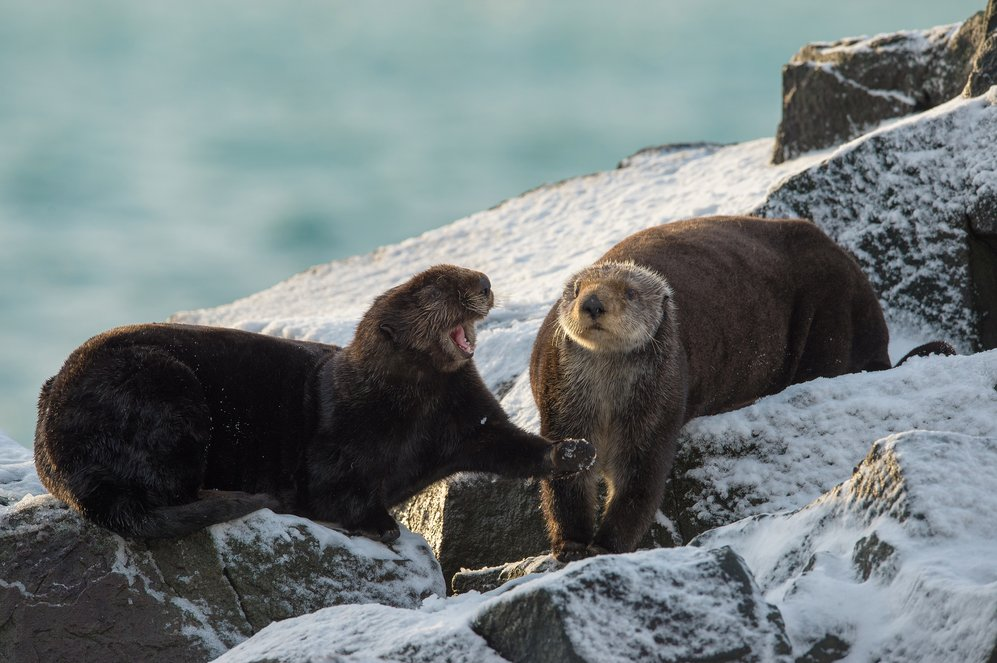
The first sea otter study expedition of the year has begun in the waters of the Southern Kuril Islands. This species is listed in the Russian Red Book as a "rare species" - its population in Russia is declining. The expedition was organized by the Nature and People Foundation in collaboration with the Kurilsky Nature Reserve.
The goal of the fieldwork was to collect data on the sea otter population in the Southern Kuril Islands to develop conservation measures. The expedition departed from Yuzhno-Kurilsk, and the team included staff from the Institute of Ecology and Evolution of the Russian Academy of Sciences and rangers from the Kurilsky Nature Reserve.
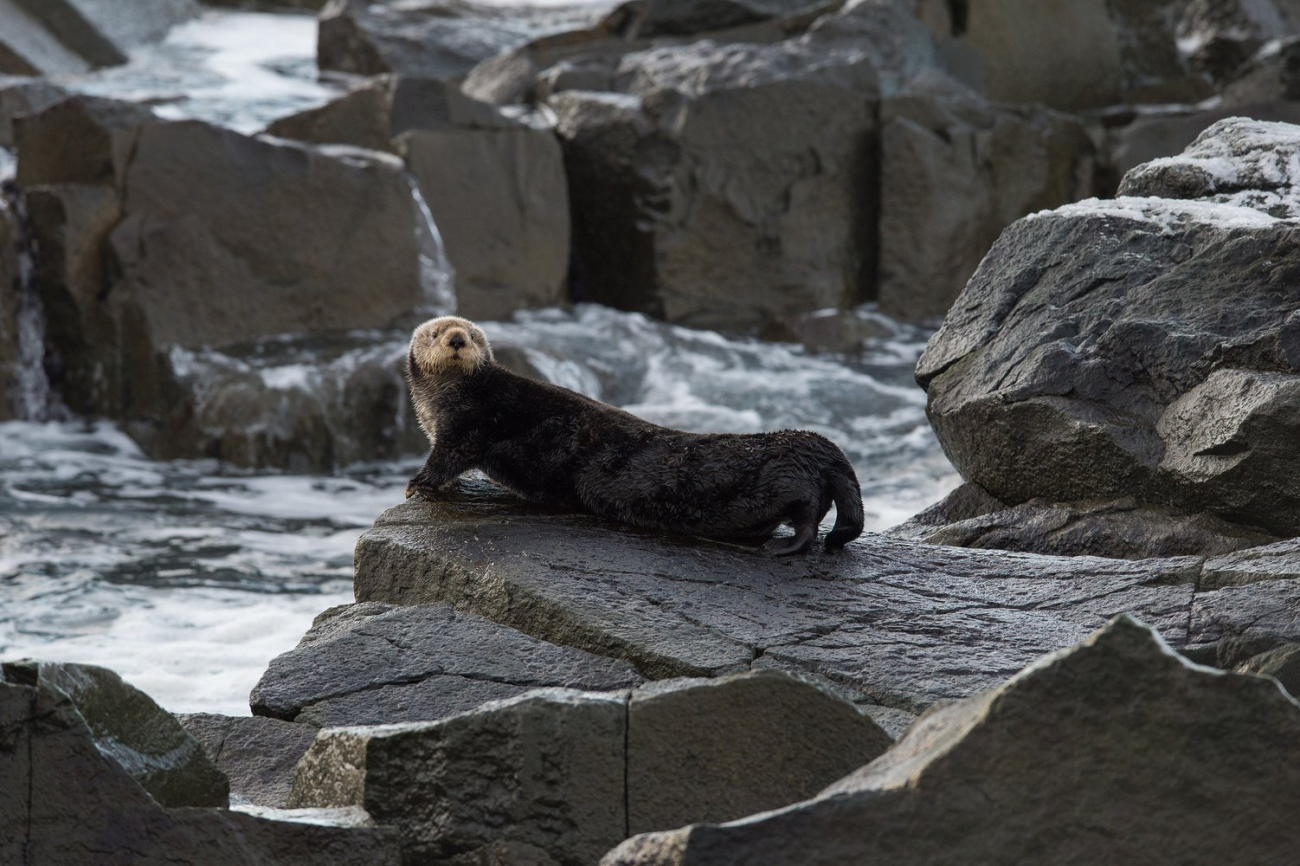
Sea otters play a vital role in the ecosystems of the North Pacific Ocean. Observations over the past five years have documented population declines across almost their entire range. The Southern Kuril Islands remain a region where the population is reportedly growing.
"The lack of systematic research has long prevented us from reliably confirming the status of the population in the Southern Kuril Islands, particularly in the Lesser Kuril Ridge. Therefore, the main task is to verify its status and understand how sea otters are actually faring in this region," noted expedition leader Svetlana Artemyeva, a researcher at the Institute of Ecology and Evolution of the Russian Academy of Sciences. "We hope the weather will be favorable. Dense fog makes the Southern Kuril Islands very challenging to navigate at virtually any time of year."
This work will be the first to study the distribution of sea otters in the waters of the Lesser Kuril Ridge. The census will be conducted using a standardized methodology. The data obtained will form the basis of an action plan to conserve the species both in the Kuril Islands and throughout its entire range.
The expedition is being carried out by the Nature and People Foundation in collaboration with the Kurilsky Nature Reserve with the support of RWB (United Company Wildberries & Russ) and Kaspersky Lab.
Interesting facts about sea otters
- The sea otter has the densest fur of any mammal—up to 140,000 hairs per square centimeter of skin. This allows it to retain heat in cold water without a thick layer of subcutaneous fat.
- Sea otters are one of the few marine animals that regularly use tools. They break sea urchin shells and mollusc shells against rocks, often carrying them in a special fold of skin under their paw.
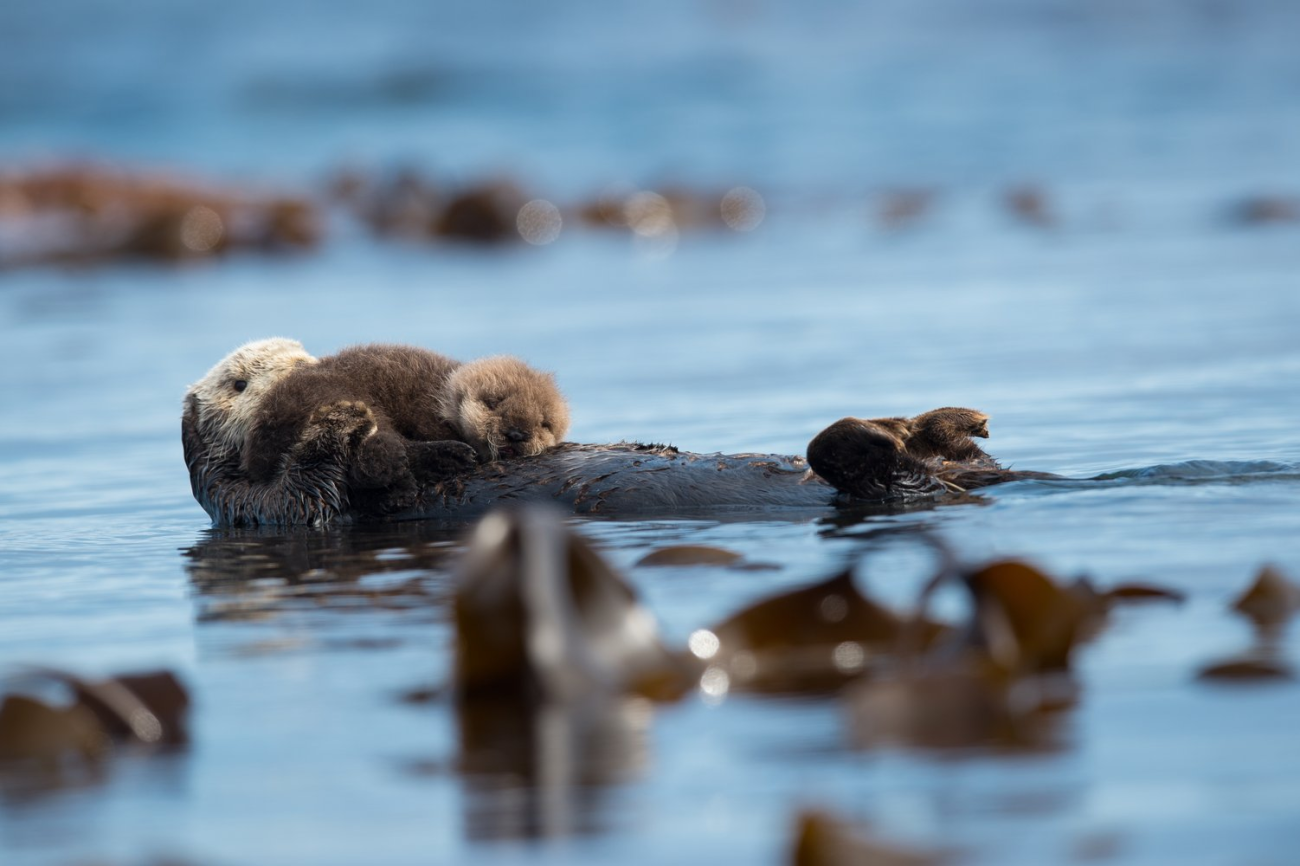
- To prevent currents from carrying them out to sea while resting, sea otters drift among the long stems of kelp (kelp). This is how otters anchor themselves in one place.
The project includes several stages. A second expedition is planned for August. By the end of the year, specialists from the Nature and People Foundation intend to prepare information on the population status and proposals for further monitoring. These materials will be submitted to the sea otter working group and will help formulate recommendations for nature management that take the interests of the animals into account.
Related materials:
Zen: "IEE RAS scientists went to the Kuril Islands to count endangered sea otters"
Regions: "IEE RAS scientists invited to the Kuril Islands to count sea otters"
Kurilsky: "Preliminary results of the sea otter census expedition"