

Scientists have discovered a fish in Kamchatka that surprised them with its skull
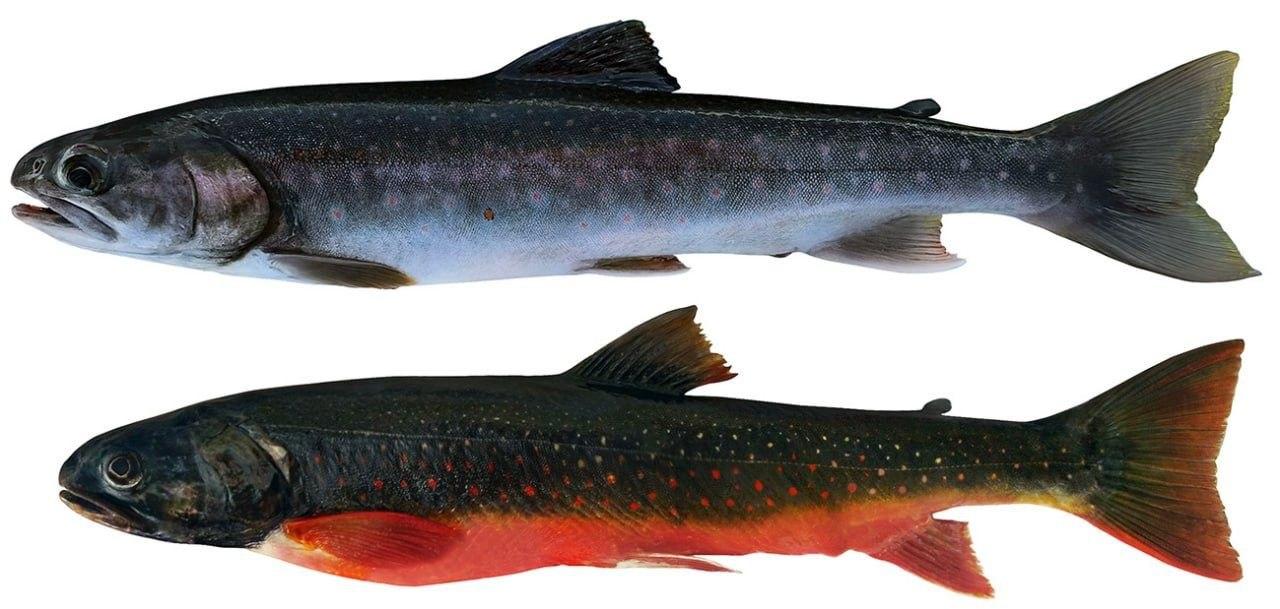
Specialists from the A.N. Severtsov Institute of Ecology and Evolution of the Russian Academy of Sciences and the Vitus Bering Kamchatka State University discovered a population of char with anatomical features not previously recorded in any Kamchatka fish in Bystrinsky Nature Park in Kamchatka, KamSU officials told representatives of Gazeta.Ru.
The expedition worked in the spring of 2026 in the area of lakes east of Ichinsky Volcano. This cascade of lakes is cut off from the Bystraya-Khairyuzovskaya River by rapids impassable for fish. The upper lake, Lake Rybnoye, is small: an area of 0.05 square kilometers and a depth of up to 9 meters. It is likely of glacial origin—water filters through a moraine into the stream.
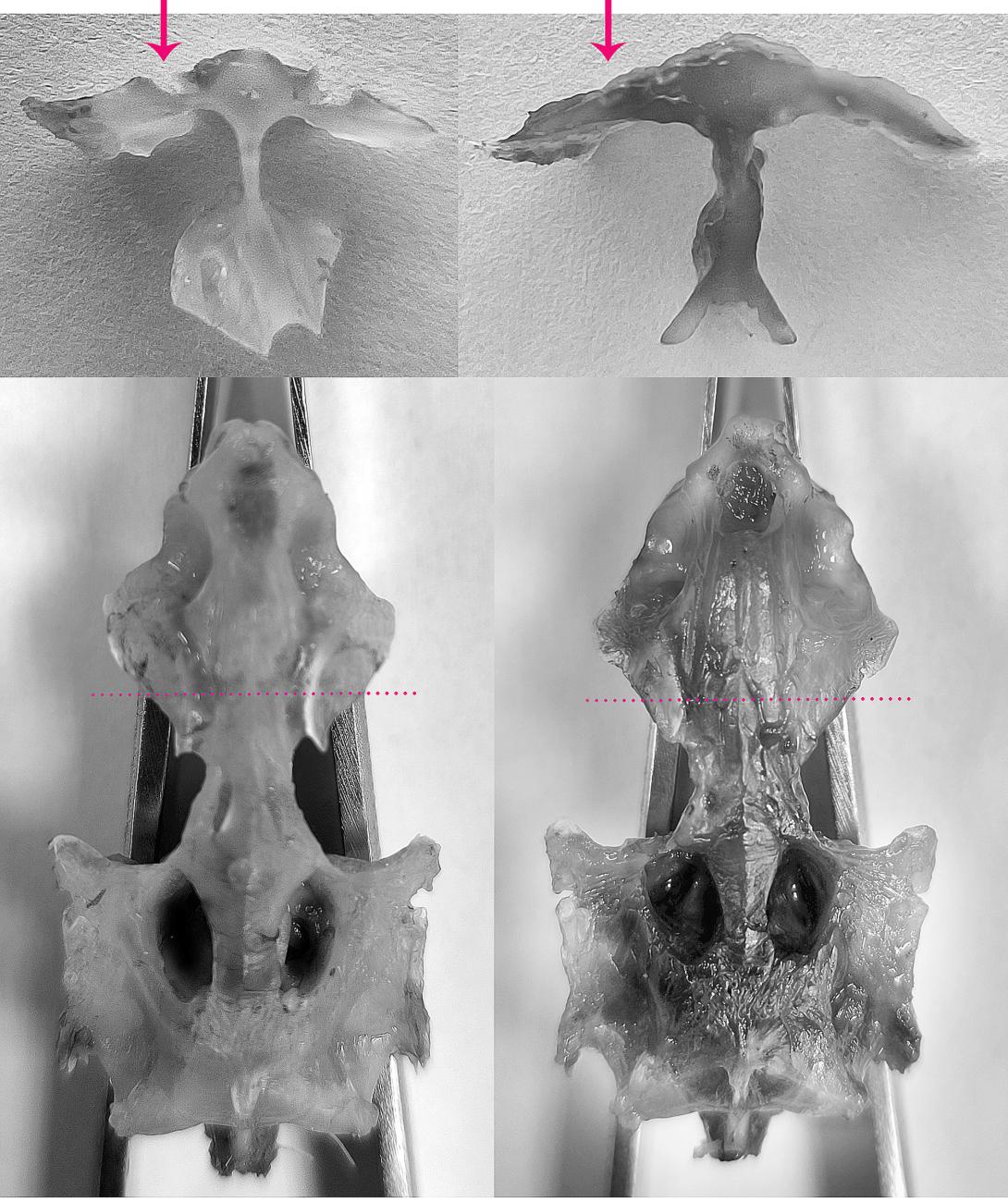
In this lake, the scientists found char that has existed in complete isolation, presumably since the melting of the glaciers, when the fish's ancestors migrated up the stream from the river. Over millennia of isolated existence, this population has developed a unique skull structure, previously uncharted in Dolly Varden (a freshwater fish of the salmon family, genus Goltsy). A cartilaginous plate develops in front of the eye sockets, and the supraorbital branch of the lateral line sensory system runs externally to the skull, rather than in a dedicated canal, as in all related forms. A powerful lateral crest develops on the suspensory bone, which is absent in the ancestral Dolly Varden.
The nature of these differences remains a subject of research. They may be the result of a random mutation that has become established in a small population, or they may have adaptive significance: this skull structure may help the fish extract benthic invertebrates from liquid mud. Molecular genetic studies have already begun to test these hypotheses, as well as to study their evolution.
"Kamchatka is a place where evolutionary processes are unfolding before our eyes. Isolated mountain lakes preserve populations untouched by external influences for millennia. The data obtained during the expedition will form the basis for a strategy for protecting rare species in the Bystrinsky Nature Park and will enable us to develop a systematic approach to preserving the peninsula's wildlife," noted Olga Rebkovets, Acting Rector of the Vitus Bering Kamchatka State University.
Down the gorge, in Lake Nochnoye, scientists discovered another fish species - kokanee salmon - a stunted sockeye salmon that, at some point in geological history, migrated into a closed body of water and ultimately lost its connection with the sea. In Lake Nochnoye, it only reaches a weight of 200 grams and matures at four to five years.
"Previously, three kokanee habitats were known in Kamchatka: lakes Kronotskoye, Podsopochnoye, and Utinoe. Residential forms of Kamchatka sockeye salmon are rare, and in each case, the fish acquire their own ecological characteristics. In Kronotskoye, they diversified into zooplankton consumers and benthic invertebrates, while in Utinoe, they became predatory. The kokanee of Lake Nochnoye feed on zooplankton," explained project leader Evgeny Esin, a researcher at the Laboratory for the Study of Anthropogenic Ecosystem Dynamics at KamSU and the Institute of Ecology and Evolution.
The study was conducted as part of a project by the Presidential Fund for Nature in collaboration with the Kamchatka Volcanoes Nature Park, as well as the Interdepartmental Integrated Program for Scientific Research of the Kamchatka Peninsula and Adjacent Waters in 2024–2026.
Related materials:
Kamchatka Today: "Char with a Mutant Skull: A Fish That Shouldn't Exist Found in Kamchatka"
Pravda: "Living Relics of the Ice Age: Unique Species Discovered in Kamchatka's Mountain Lakes"
Gazeta.Press: "In Kamchatka, Scientists Found a Fish That Surprised Them with Its Skull"
Gazeta: "In Kamchatka, Scientists Found a Fish That Surprised Them with Its Skull"
Kamchatka Time: "A Fish with an Unusual Skull Discovered in Kamchatka"
High-Tech: "Char with Unusual Heads and Dwarf Sockeye Salmon Found in Kamchatka"