

Scientists shared the first results of a phytoplankton study in Losiny Ostrov National Park.
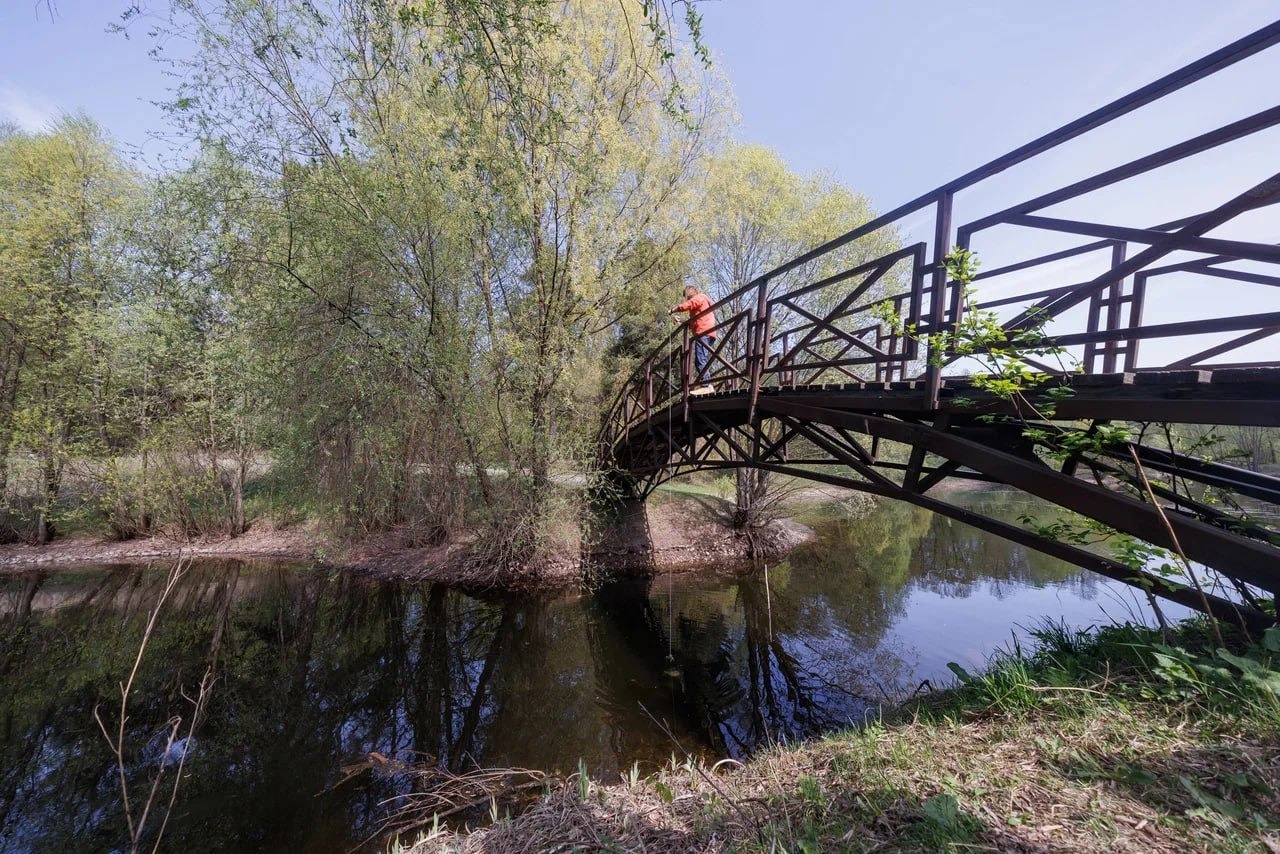
Monitoring the seasonal dynamics of microalgae allows for the timely detection of changes in water quality in reservoirs.
The condition of aquatic ecosystems in the Moscow section of Losiny Ostrov National Park is assessed as favorable, according to specialists following the first comprehensive phytoplankton monitoring.
The study was organized by the Moscow Department of Nature Management and Environmental Protection, and the research was conducted by scientists from the A.N. Severtsov Institute of Ecology and Evolution of the Russian Academy of Sciences. They did not identify any dangerous invasive microalgae species, indicating ecosystem stability.
The monitoring was part of a long-term comprehensive biodiversity study program for the Moscow section of the park, initiated by the Department of Nature Management and Environmental Protection in 2024. In 2025, scientists surveyed 15 water bodies three times - spring, summer, and autumn - including ponds of various sizes, the Yauza River, and its oxbow lakes. This approach allowed them to track the seasonal dynamics of phytoplankton, the main indicator of water quality in urban water bodies.
Based on their research, scientists found that the phytoplankton structure in the water bodies of the Moscow section of Losiny Ostrov is typical of urban water bodies in central Russia. The communities are dominated by green, blue-green, and diatom algae. Moreover, the park's large ponds are distinguished by a high species diversity of microalgae.
The highest phytoplankton abundance and biomass were recorded in Los Pond. The short-term appearance of blue-green algae, noted in the summer in Bogatyrsky Pond and in the fall in Los Pond, is considered natural for eutrophic (nutrient-rich) urban water bodies and does not pose a threat to the ecosystem.
Specialists did not detect any dangerous invasive phytoplankton species. This confirms the favorable condition of the water bodies and the effectiveness of the capital's environmental monitoring. However, the scientists noted certain water bodies that require closer monitoring due to signs of anthropogenic impact.
Moscow Control specialists regularly visit the capital's natural areas and remind residents to observe the rules of conduct in their assigned areas. For example, they should only travel on designated paths and roads, take all trash with them and not throw anything away within the park, and follow expert recommendations when feeding animals and birds.
The Moscow Department of Nature Management and Environmental Protection, together with scientists, is conducting extensive research, which forms the basis for ongoing monitoring of the ecosystems in the Moscow section of Losiny Ostrov National Park. New monitoring phases are already planned, which will allow for the prompt detection of changes and timely measures to maintain the ecological balance.