

Physiological traits promoting the spread of non-native armoured catfish in the highland rivers of Vietnam
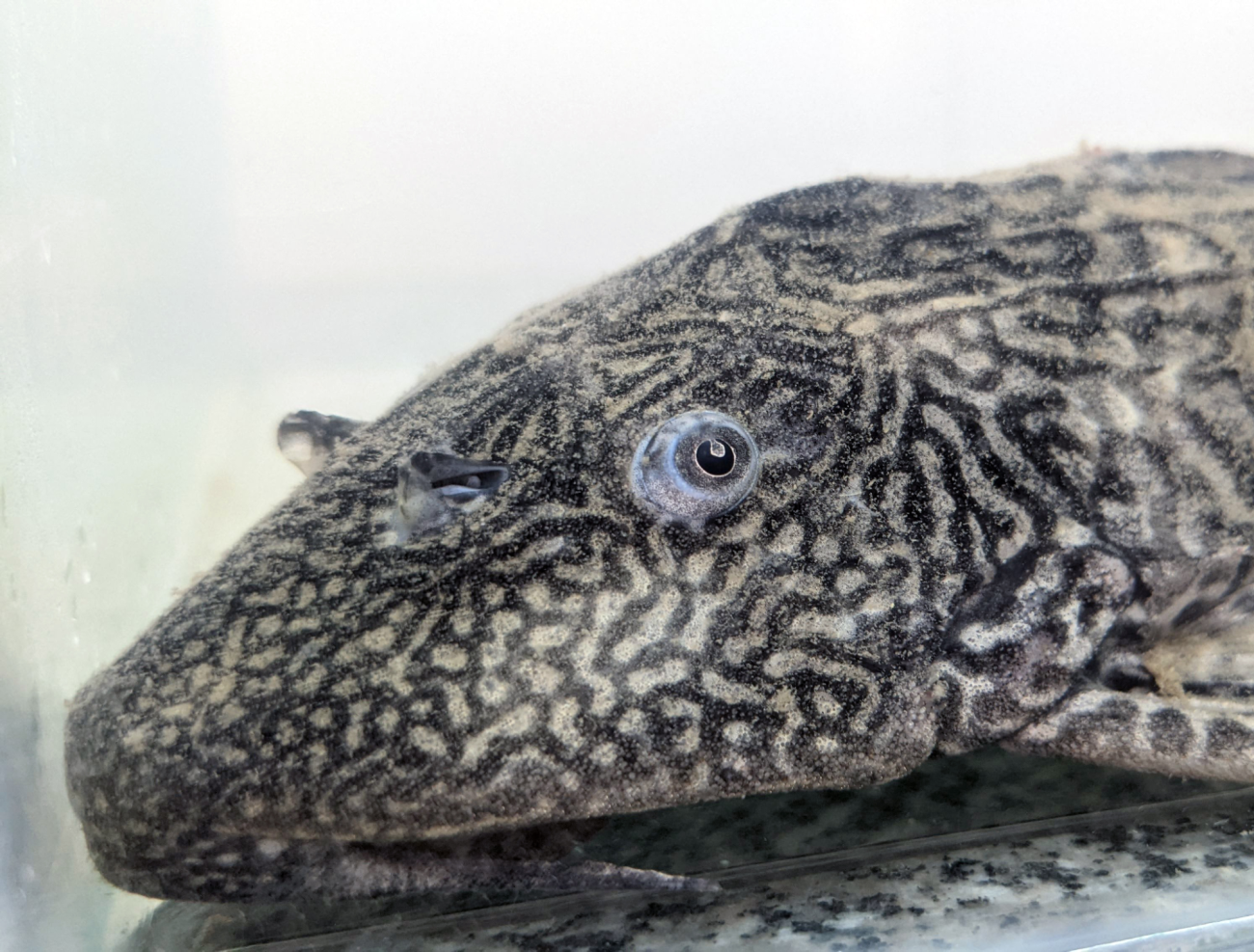
Non-native armoured catfish of the genus Pterygoplichthys exhibit high plasticity, which facilitates their spread in the highland rivers of Central Vietnam. These rivers are characterized by greater habitat heterogeneity than water bodies located on the plains. The spread of catfish with rapidly increasing density poses a high risk not only to rare and endemic ichthyofauna species but could also profoundly transform freshwater ecosystems and the structure of hydrobiont communities.
The high adaptive potential of armoured catfish to new environmental conditions is related to their physiological and biochemical features, which ensure stable functioning of the organism under habitat heterogeneity. Researchers from the A.N. Severtsov Institute of Ecology and Evolution of the Russian Academy of Sciences, together with Vietnamese colleagues from the Russian-Vietnamese Tropical Center, assessed the concentrations of several blood biochemical parameters of armoured catfish from two highland rivers of Lam Dong Province: the Da Nhim River and the Krong No River. The main objective of the present study was to assess the relationships between blood parameters and growth, maturity stage, and habitat characteristics in different river locations, different rivers, and different fish generations.
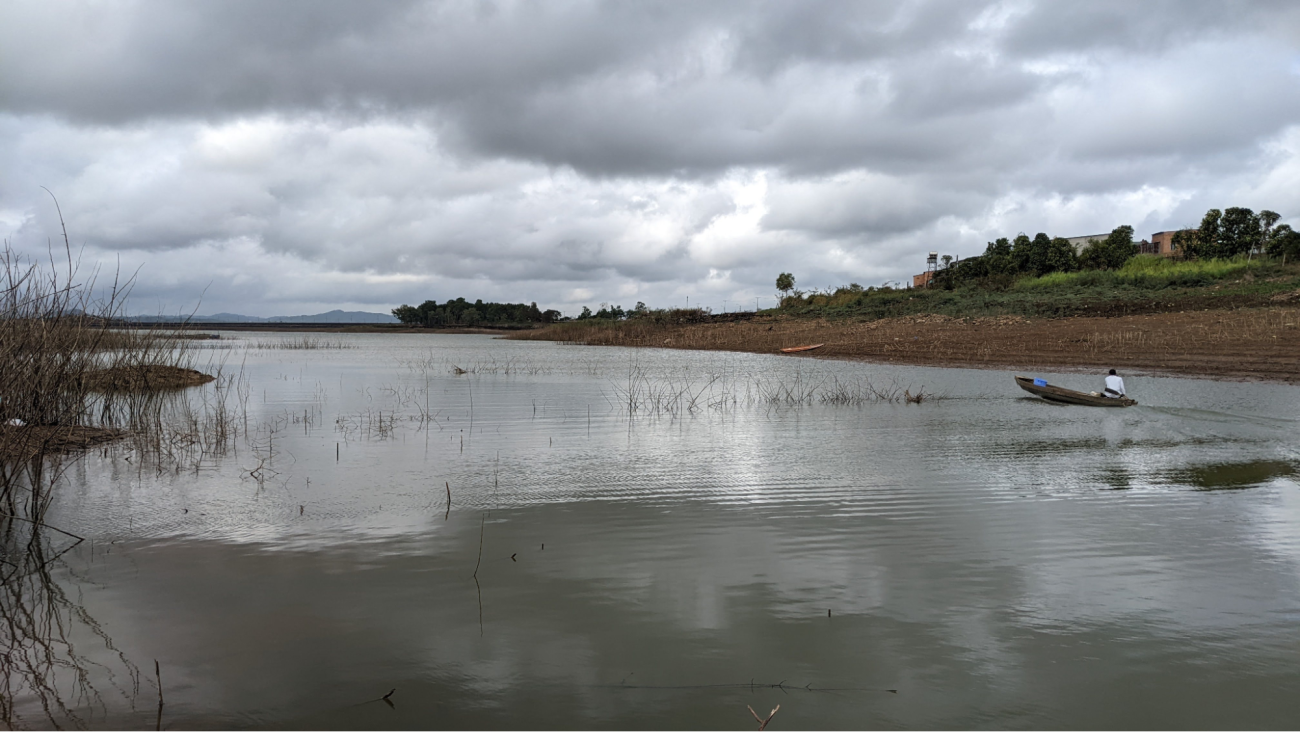
The Da Nhim River
Seven blood biochemical parameters were analyzed to estimate the cost of energy resources and the internal functions of the organism: total and free fractions of triiodothyronine, cholesterol, triglycerides, total protein, creatine, and bilirubin. These parameters are good indicators of changes in energy metabolism, as well as lipid and protein metabolism. The thyroid axis of armoured catfish was stable and resistant under the influence of environmental conditions, as well as across different fish generations. This indicates stable homeostatic function, which is an important feature for successful spreading. Parameters of lipid and protein metabolism significantly differed in fish from different rivers and generations, which is likely related to the characteristics of the food spectrum and its availability in different water bodies, or within a single water body at different times of observation. However, such metabolic changes in catfish are also related to their density in the studied rivers.
Dr. Efim Pavlov, Senior Research Scientist at the A.N. Severtsov Institute of Ecology and Evolution, Russian Academy of Sciences, notes: “The present study indicates that the successful spread of armoured catfish is partly related to the stable functioning of the thyroid axis and the regulation of homeostasis under significant environmental changes. The ability of catfish to maintain stable thyroid synthesis accompanied by appropriate metabolic adjustments could be one of the key mechanisms enabling these fish to become successful invaders in numerous water bodies characterized by a wide range of feeding conditions.”
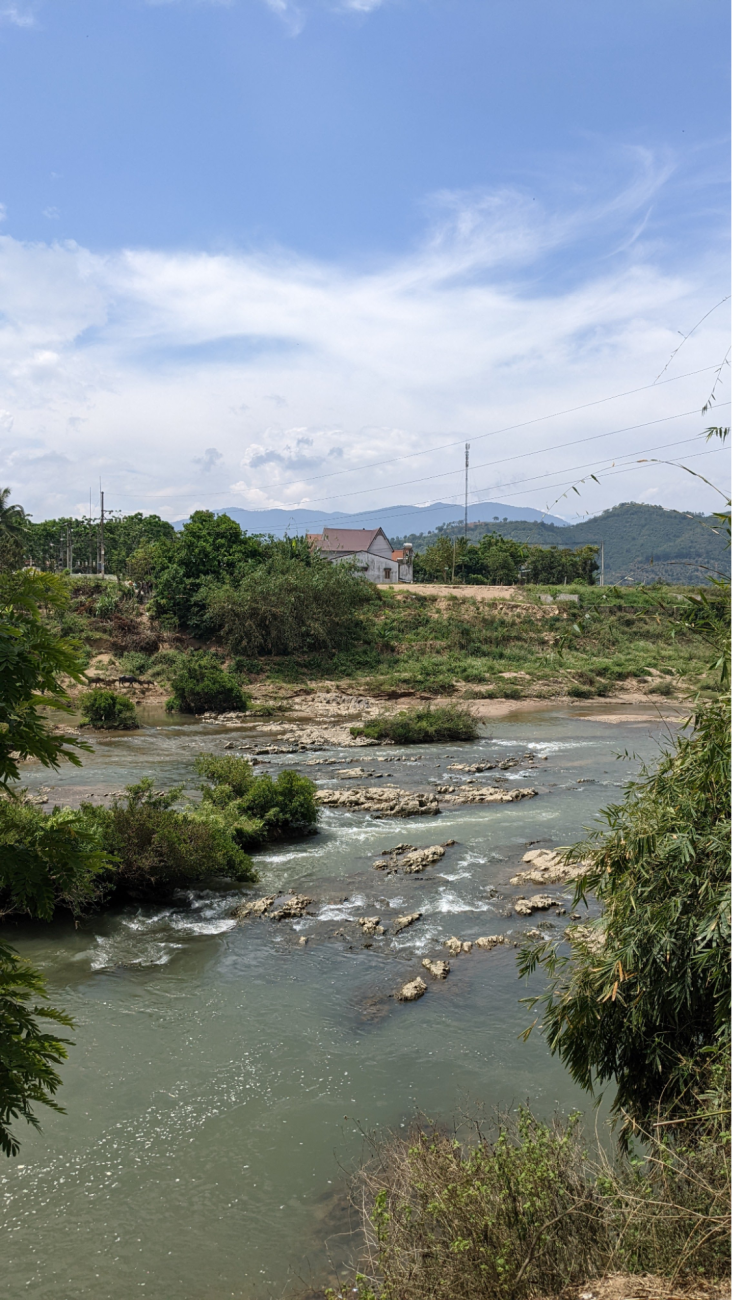
The Krong No River
The study shows that investigating the physiological responses of fish can contribute to understanding global ecological processes (biological invasions) under conditions of global warming and anthropogenic pressure.
The article (Dien TD, Ganzha EV, Pavlov ED, 2026) was published in Hydrobiology: https://doi.org/10.3390/hydrobiology5010005