

Landscape fragmentation alters the composition of forest communities but does not affect species richness
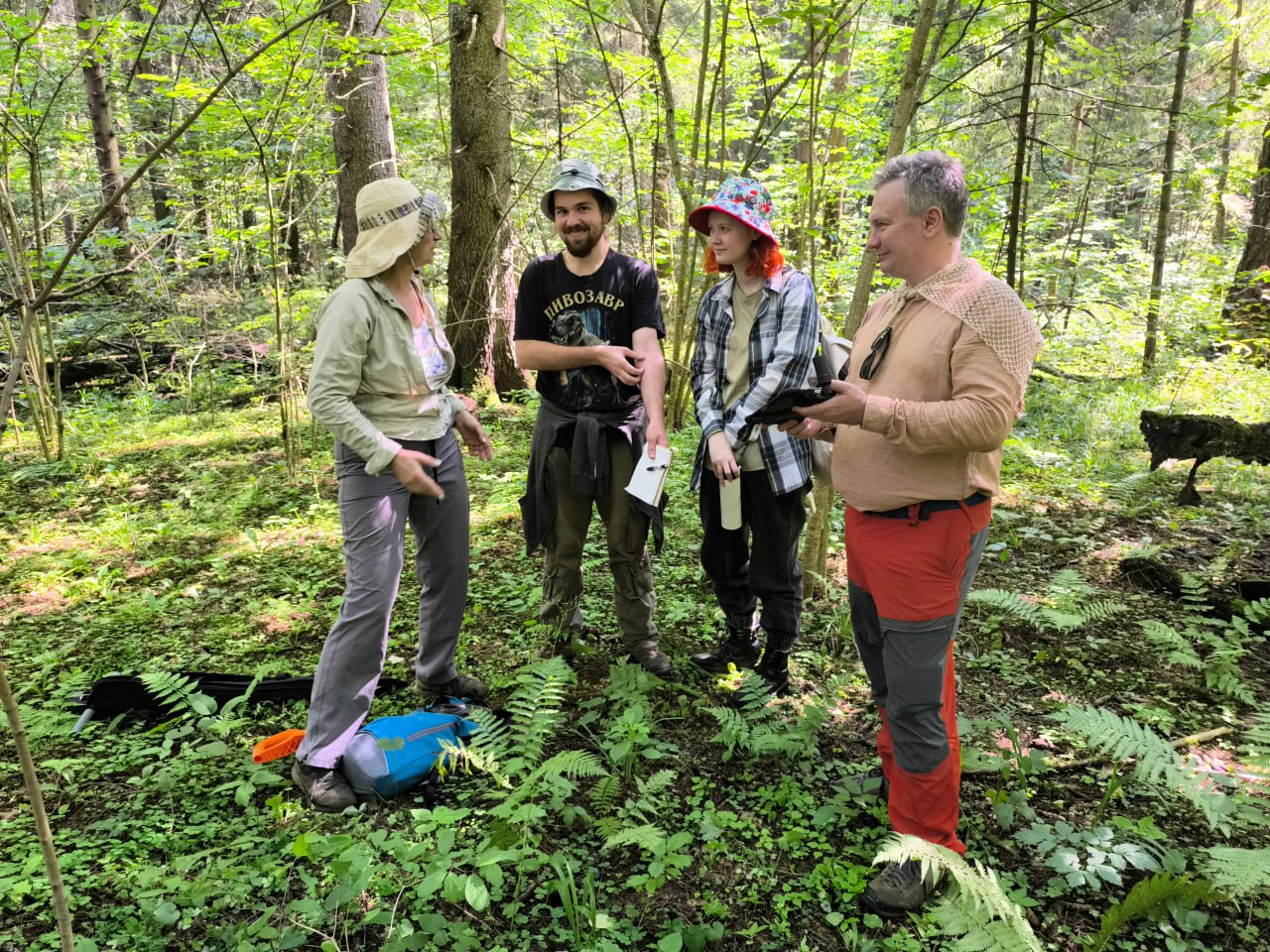
Scientists from the A.N. Severtsov Institute of Ecology and Evolution of the Russian Academy of Sciences (IEE RAS) and the Institute of Geography of the Russian Academy of Sciences studied how long-term forest fragmentation affects the structure and functional composition of plant communities in the central Russian Plain. An analysis of 1,694 geobotanical descriptions from the Moscow region showed that fragmentation does not reduce forest species richness, but it does dramatically alter their functional composition: large forest tracts are dominated by boreal species with developed moss cover, while small isolated patches are dominated by nemoral and adventitious species.
Forest fragmentation - the division of continuous forest tracts into separate, isolated areas - poses a serious threat to biodiversity and ecosystem functions. The Moscow region serves as a classic example of a fragmented temperate landscape: over the past 500 years, intensive logging, settlement expansion, and agricultural land expansion have led to the fragmentation of forests into hundreds of small patches. However, the relationship between fragmentation metrics and vegetation characteristics often remains weak and difficult to interpret, especially under conditions of multiple natural and anthropogenic stressors.
The aim of the study was to identify the sensitivity of forest community characteristics to landscape fragmentation metrics using methods effective at low correlation coefficients. The researchers calculated seven uncorrelated fragmentation metrics—forest patch area (AREA), edge density (ED), edge contrast (ECON), normalized shape index (NLSI), number of patches (NP), distance to nearest patch (Euclidean nearest-neighbour distance, ENN), and proximity index (PROX) - and assessed their relationships with 20 plant community characteristics.
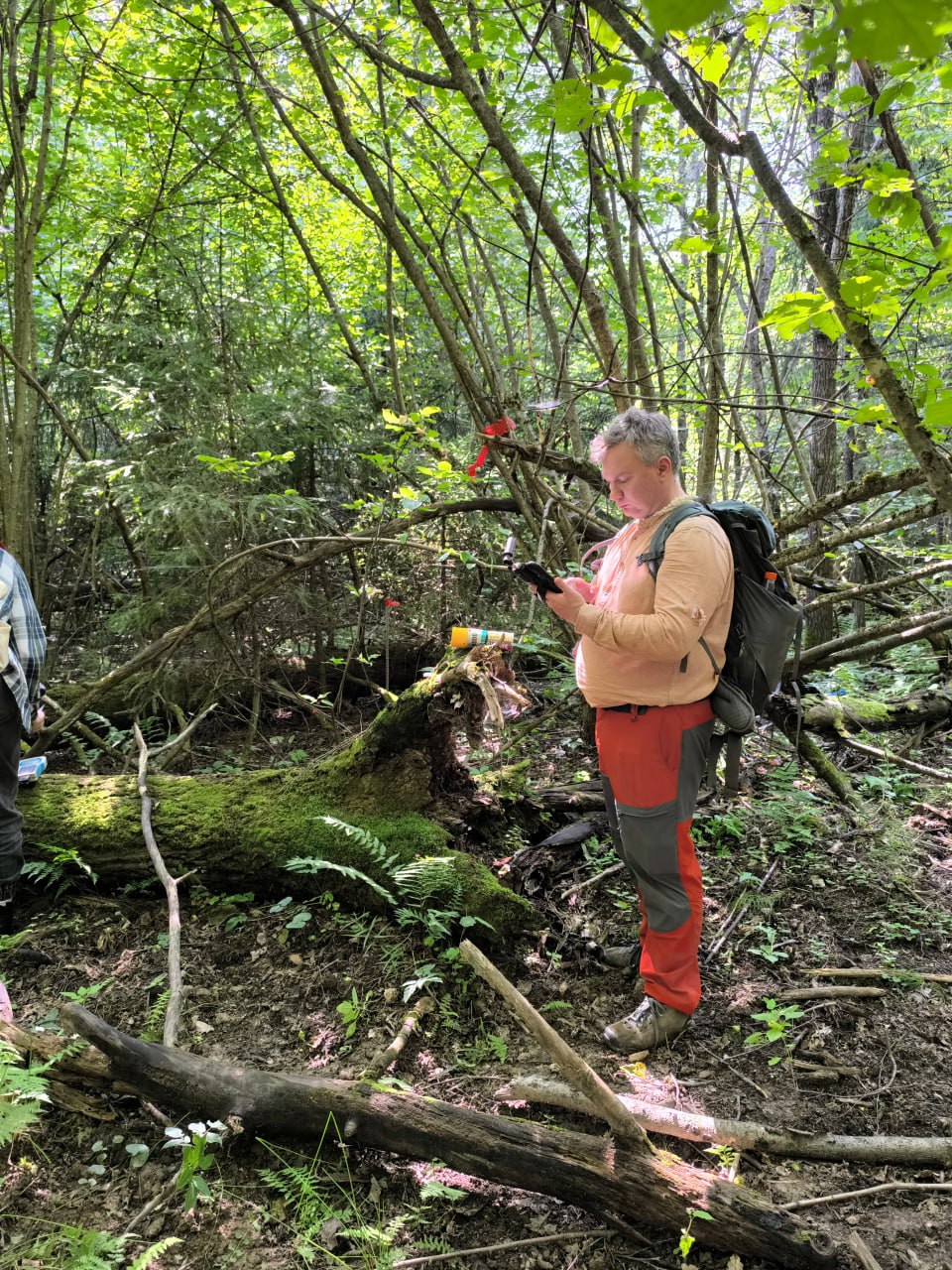
The key result of the study: species richness and the Shannon index of the tree and herbage layers showed no relationship with fragmentation, but the composition of ecocenotic groups demonstrated the greatest sensitivity. The proportion of boreal and oligotrophic (preferring poor soils) species, as well as the abundance of the moss layer, increased with the forest patch size. Conversely, nemoral (broadleaf) and adventitious species dominated in small, contrasting patches with high edge density.
"Our study shows that fragmentation affects species composition rather than species abundance and diversity. Boreal complex communities with developed moss cover persist only in large, connected forest stands. The moss layer serves as a major carbon accumulator in boreal forest soils and an indicator of their long-term stability." "The increase in the proportion of nemoral, nitrophilous, and adventitious species indicates a transformation of communities associated with fragmentation and anthropogenic impact," comments Ivan Kotlov, PhD in Biology, Senior Researcher at the Biogeocenology Laboratory at the Institute of Ecology and Evolution of the Russian Academy of Sciences and the lead author of the study.
An important result was the discovery of nonlinear (quadratic) relationships between fragmentation metrics and vegetation composition. For example, the proportion of boreal species initially declines sharply with increasing boundary density and then stabilizes at high levels of fragmentation. This indicates a threshold nature of ecosystem responses.
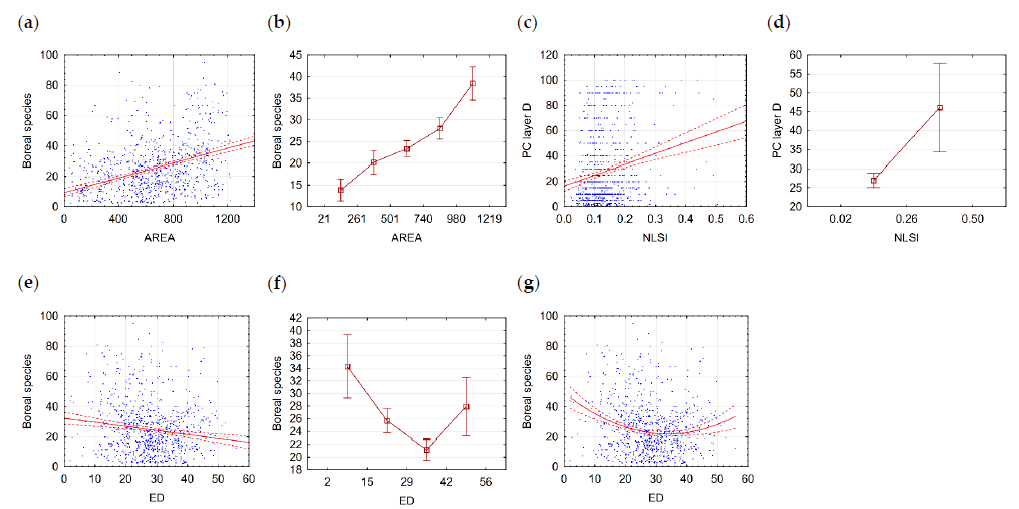
Fig.1: Proportion of boreal species and AREA metric: (a) scatter plot; (b) boxplot. D-layer cover and NLSI metric: (c) scatter plot; (d) boxplot. Proportion of boreal species and ED metric: (e) scatter plot; (f) boxplot; (g) scatter plot (quadratic fit). Scatter plot legend: blue dots represent observations, solid red line represents linear or quadratic fit, dotted red line represents 95% confidence interval. Boxplot legend: central dot represents mean, whiskers represent 95% confidence interval.
The obtained low correlation coefficients (|r| < 0.30) with high statistical significance (p < 0.005) reflect the multifactorial nature of the impacts on forest ecosystems. Fragmentation leads to asynchronous responses of ecosystem components, reducing the correlation between structure and functioning. However, an integrated approach—rank correlation, analysis of differences between classes, and testing for nonlinear interactions—made it possible to identify significant ecological patterns even with highly complex impacts.
The study results have important practical implications for forest management and conservation policy. Preserving large, connected forest stands is critical for maintaining the boreal-oligotrophic complex and is a priority for climate adaptation. Boreal forests store a third of all carbon in terrestrial biomes, and fragmentation leads to the loss of this carbon storage potential.
This work was supported by the Russian Science Foundation grant No. 24-17-00120 (field research, analytical work, statistical data analysis). The methodological research was supported by a state assignment (topic No. 1022033100172-2-1.6.19) to the Institute of Ecology and Evolution of the Russian Academy of Sciences.