

The ultrasonic calls of Harting's vole pups change during ontogeny
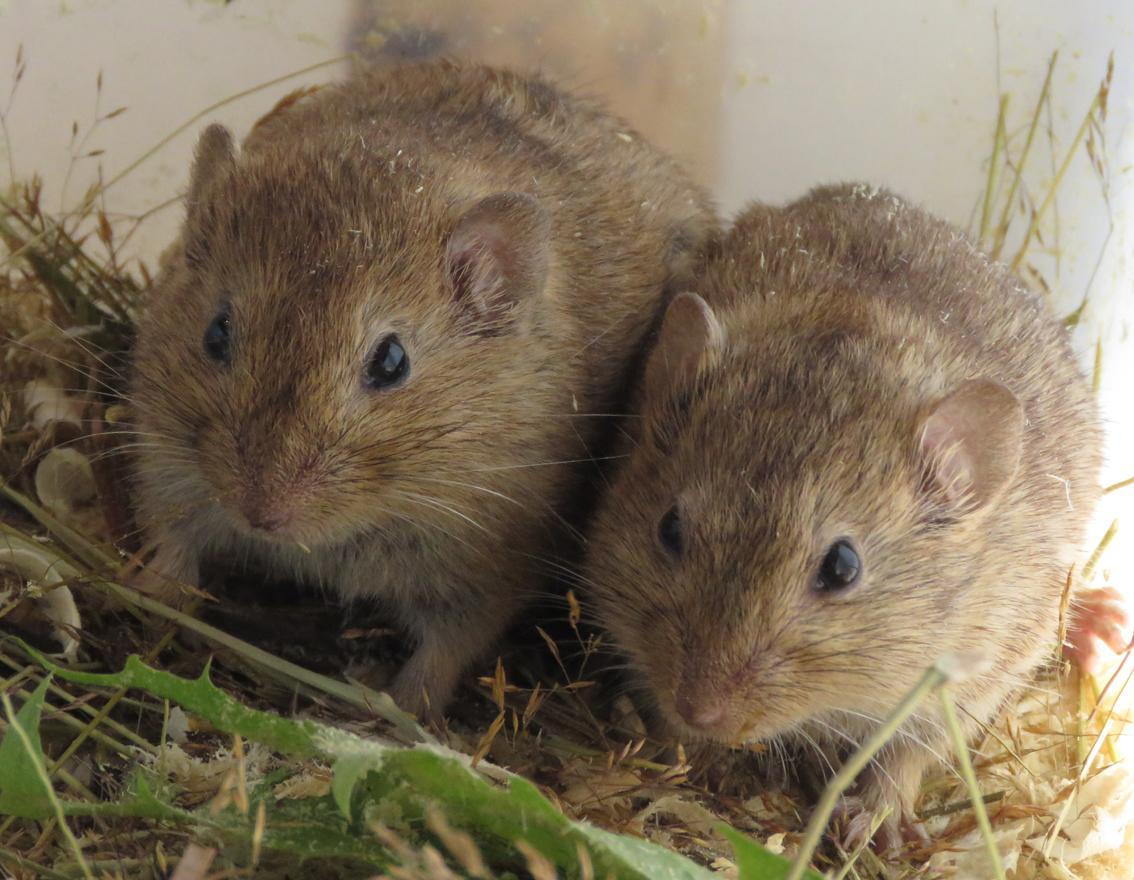
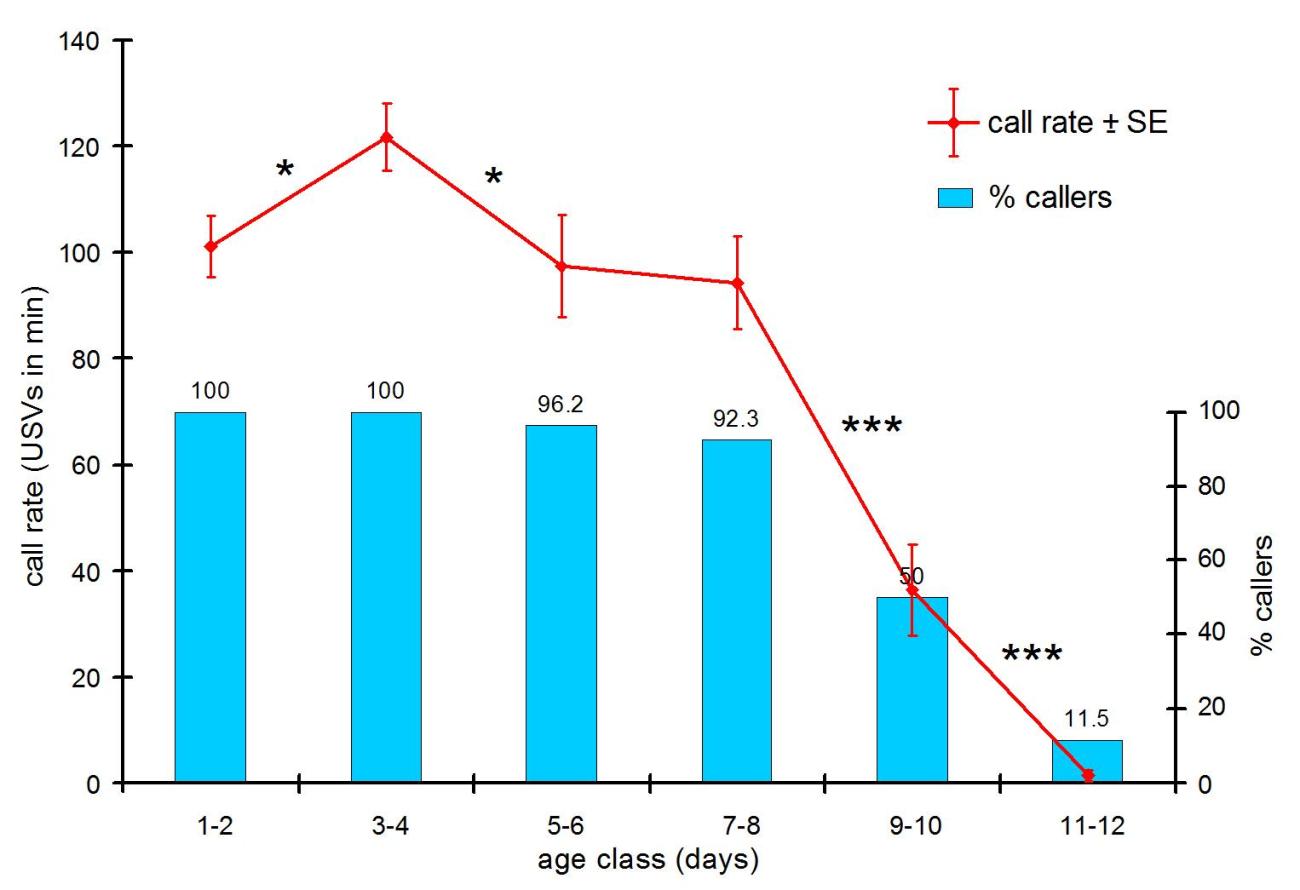
Researchers from the A.N. Severtsov Institute of Ecology and Evolution of the Russian Academy of Sciences (IEE RAS), Lomonosov Moscow State University, and the Zoological Institute of the Russian Academy of Sciences (ZIN RAS) studied the ontogenesis of Harting's vole (Microtus hartingi) pups. The method of recording ultrasounds during brief isolation from the mother and other pups of the litter simulated a situation in which a pup fell from the nest and screamed for adult group members to hear and return it to the nest. Pups lack thermoregulation in the first days after birth, so they quickly cooled outside the nest and emitted numerous ultrasounds. Beginning at nine days of age, they became much quieter, as they were already covered in fur, which provided sufficient heat retention.
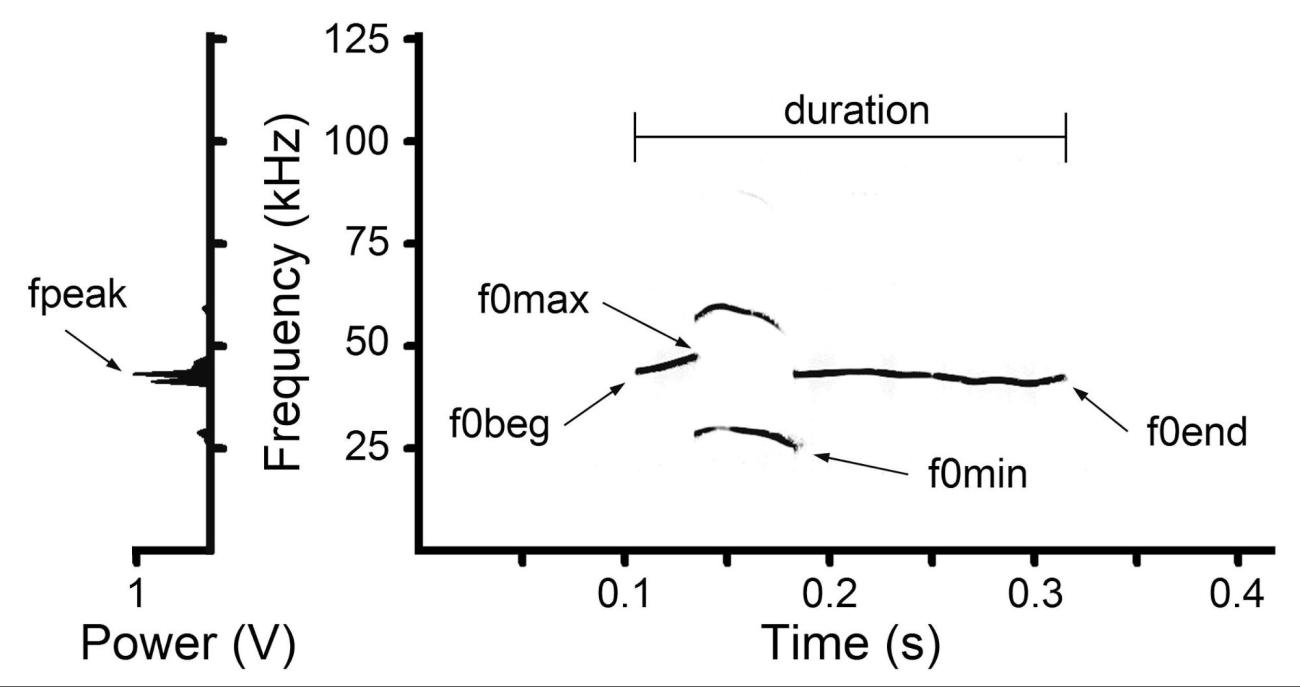
The study included 55 pups from 11 litters aged up to 12 days, and a total of 2,234 ultrasounds were analyzed. The duration, peak frequency, and several fundamental frequency parameters were measured in the pups' ultrasounds. Both the duration and frequency parameters of the ultrasounds decreased with increasing age and size of the pups.
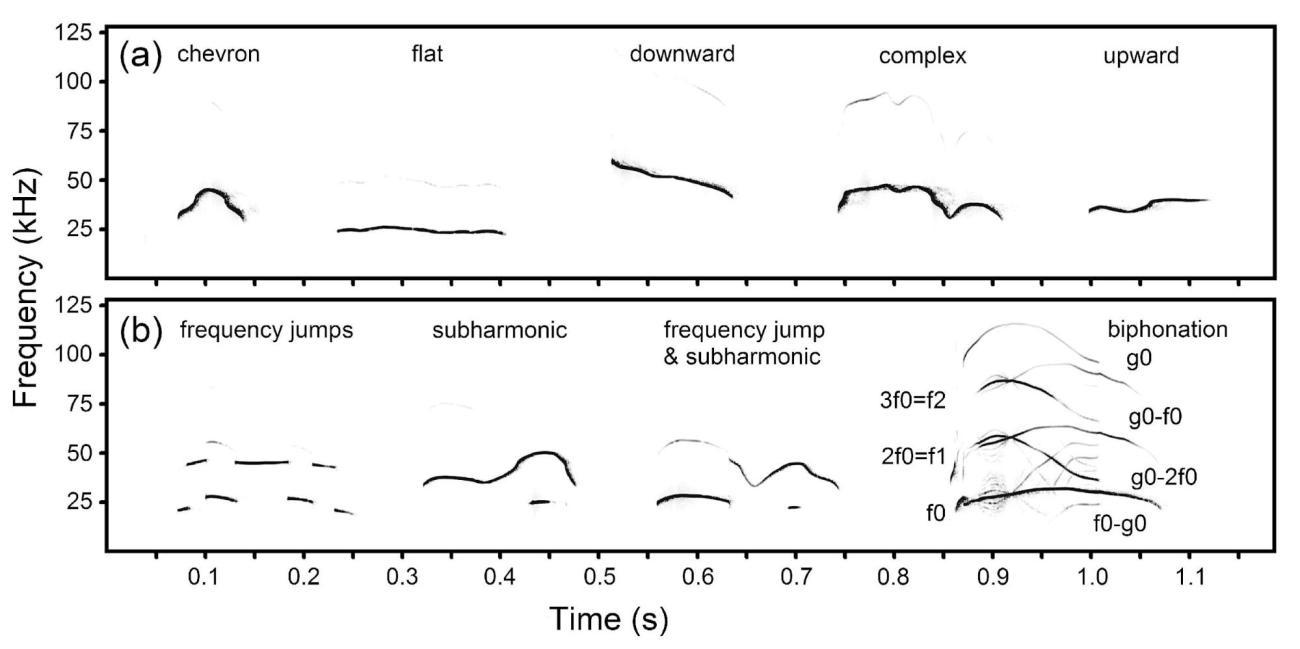
Five different call contour patterns were found in the ultrasounds of Harting's vole pups: chevron, flat, descending, complex, and ascending. Many of the pups' ultrasounds contained nonlinear vocal phenomena, which add complexity and individuality to the call structure. The ultrasound duration of Harting's vole pups averaged 149 ms, the longest among all vole species studied.
Harting's voles thrive and reproduce in laboratory conditions for decades without any visible signs of inbreeding depression. This, along with their high vocal activity and the complex acoustic structure of ultrasound, makes the young of this rodent species a promising model for biomedical research, including potentially for evaluating the effectiveness of pharmaceuticals.
The results of the study were published in the Q2 journal Behavioural Processes: Rutovskaya M.V., Volodin I.A., Golenishchev F.N., Volodina E.V. "Ontogeny of pup isolation-induced ultrasonic calls in a highly social rodent, the Harting's vole (Microtus hartingi). Behavioural Processes, 2025, v. 226, pp. 105161.