
Congratulations to Klara Sergeevna Popova on turning 100!
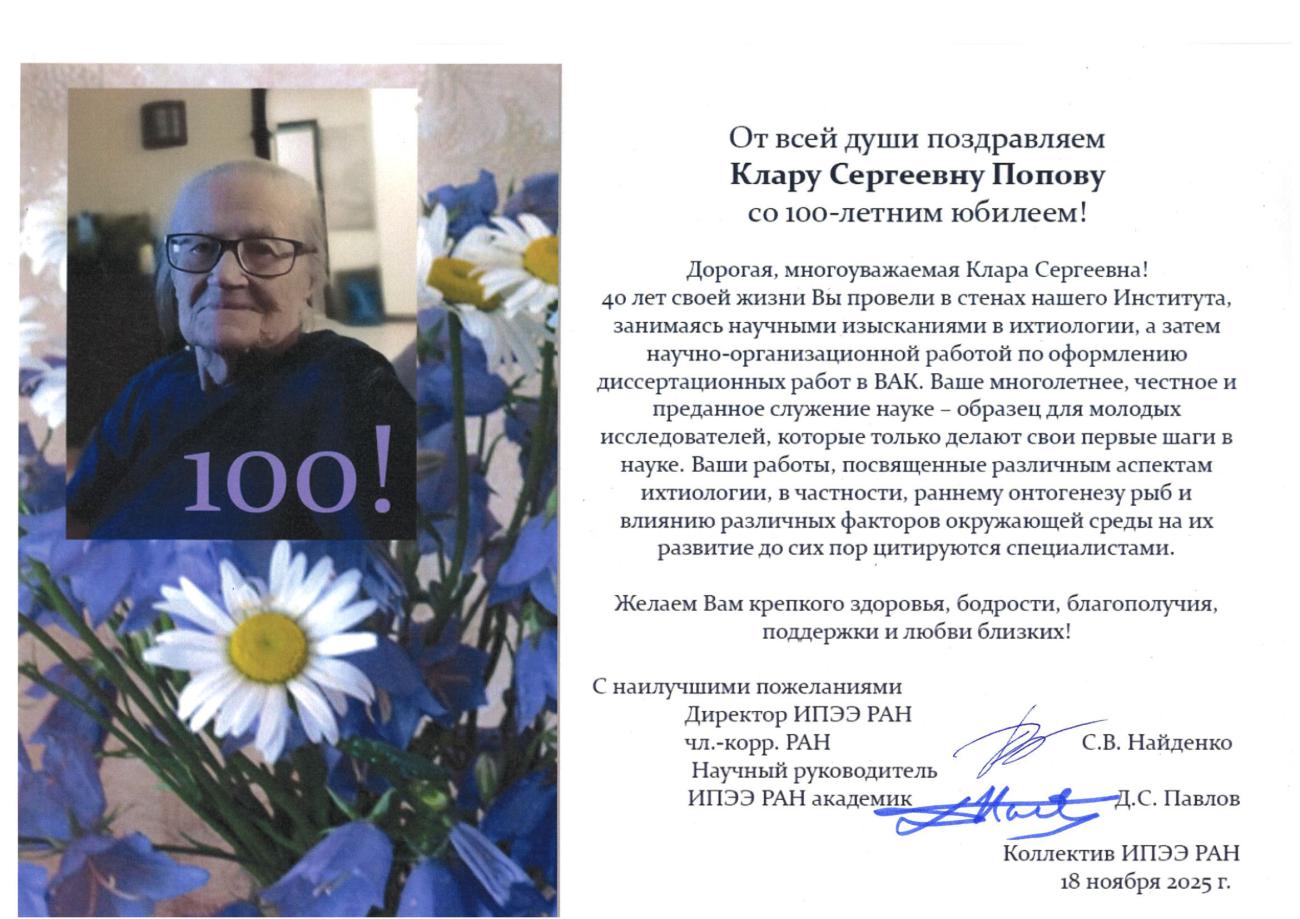
Just recently, we celebrated Nina Pavlovna Krivosheina's 95th birthday, and today, Klara Sergeevna Popova, who served science within the walls of our Institute throughout her entire scientific career, from her graduation to her retirement, is celebrating her centenary.
She didn't become an academician, she didn't create a scientific school, most of the colleagues with whom she worked directly are no longer with us, and very few people remain at our Institute who knew her personally. But this anniversary, especially such a grand one, is a good opportunity to remind everyone that everyone's contribution matters in science — not only the big names who create new directions, put forward hypotheses, and make fundamental discoveries that revolutionize our understanding of the world, but also those who test these theories in practice, meticulously and accurately collect data, process it, and make, albeit less dramatic, yet important discoveries, without which it is impossible to formulate new hypotheses and theories. Everyone's role in science is crucial. This short story is about a very modest scientist, one among thousands. But it is precisely by their hands that science is made.
Klara Sergeevna Popova was born on November 18, 1925 (her birth certificate and passport stated November 21, 1925) in the village of Zakhody, Gdovsky District, Pskov Oblast, to Sergei Pavlovich Popov, an officer in the Workers' and Peasants' Red Army (a veteran of World War I and later the Great Patriotic War, a colonel, and a recipient of the Order of Lenin, the Order of the Red Banner, and two Orders of the Red Star), who was serving in the area at the time. Sergei Pavlovich's wife, Elizaveta Ivanovna, was a housewife. The name Klara was given in honor of Clara Zetkin, one of the founders of the Communist Party of Germany. Such were the revolutionary times.
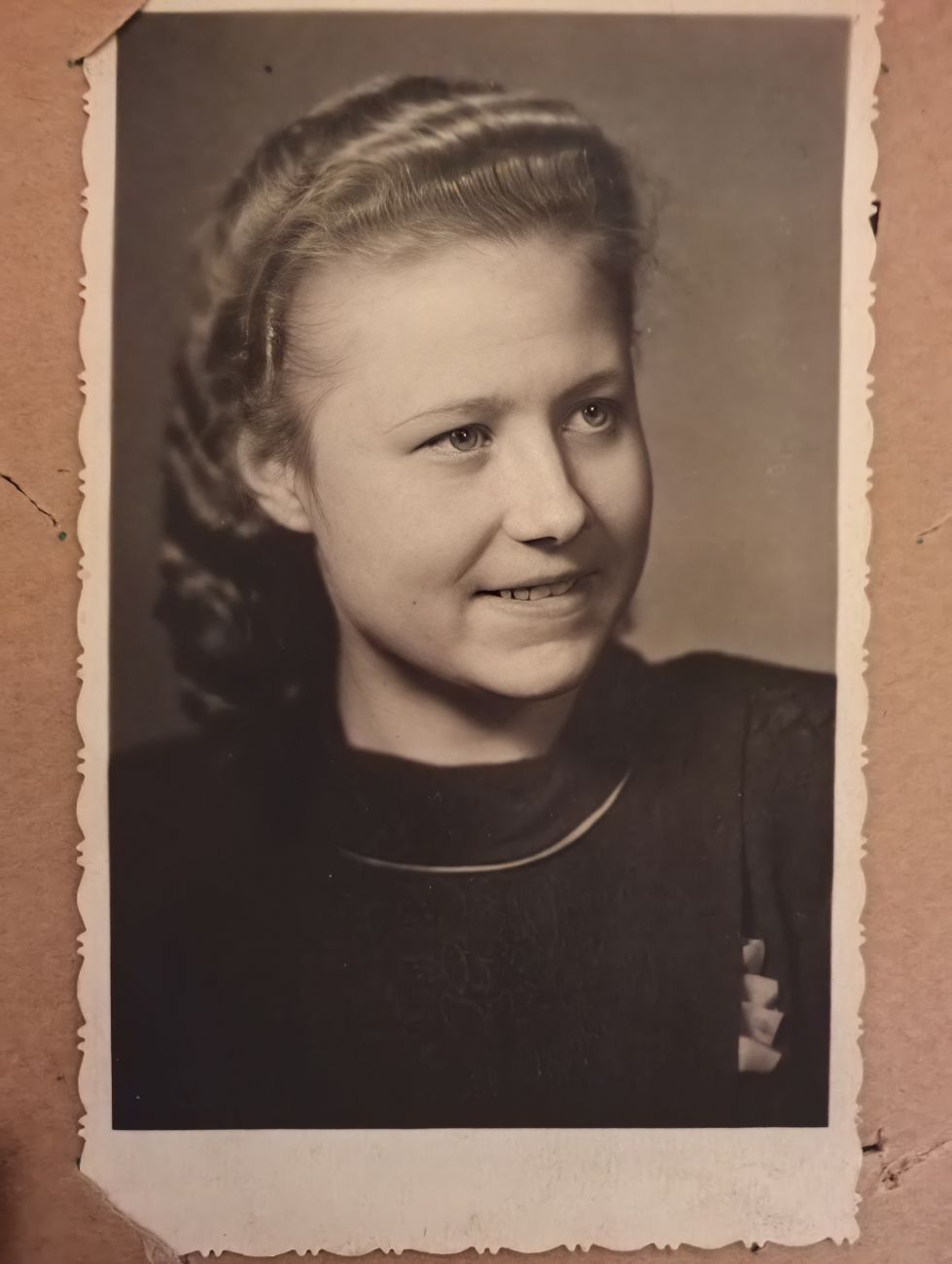
In June 1941, 15-year-old Klara was vacationing with relatives in the village of Semyonovskoye in the Kalinin (now Tver) region when the war began. Until 1943, Klara was evacuated to the Kirov region, then returned to Moscow and finished school. In 1945, she entered the Ichthyology Department of the Biology Faculty of Moscow State University. Her favorite teacher was Vladimir Viktorovich Vasnetsov, the youngest son of the artist Viktor Vasnetsov.
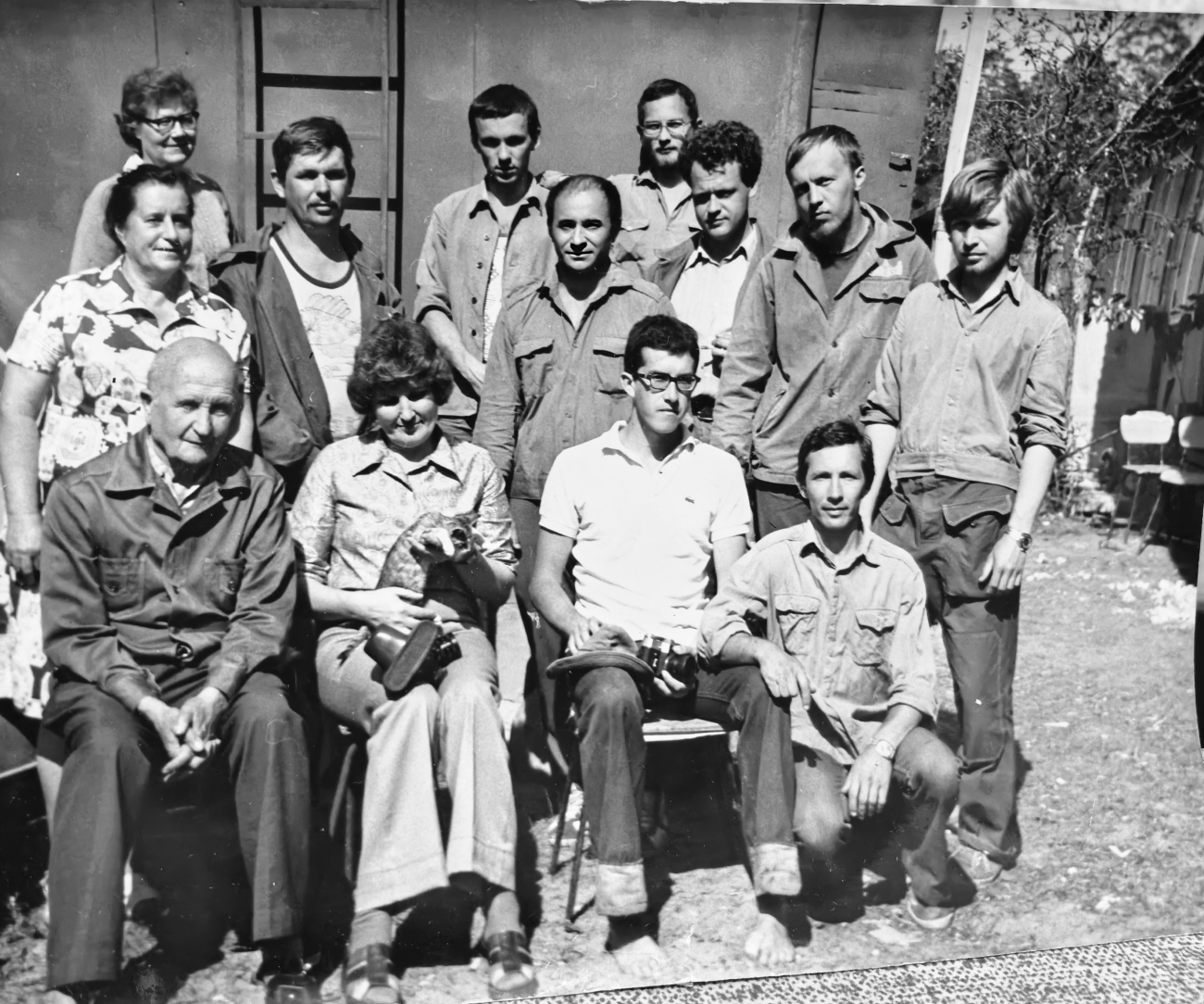
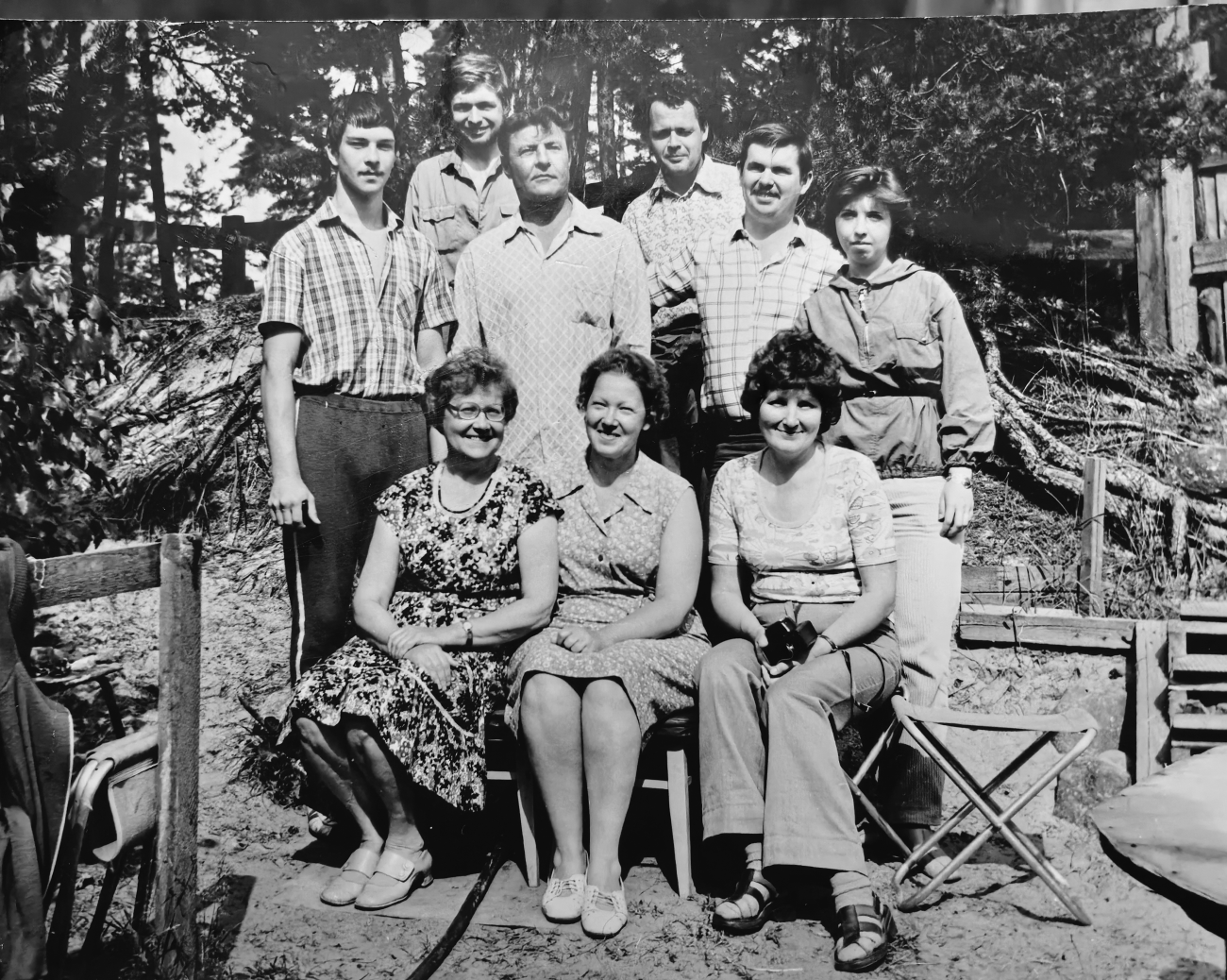
Klara graduated from the Ichthyology Department at Moscow State University in 1950 and defended her thesis under the supervision of Professor S.G. Kryzhanovsky. After graduating from Moscow State University, she joined the A.N. Severtsov Institute of Evolutional Morphology and Ecology of Animals of the USSR Academy of Sciences as a junior researcher, where she worked her entire career, until March 1990. Klara Sergeevna participated in many expeditions, working in the Volga Delta and in Dagestan as part of a kutum breeding project. She was actively involved in studying the impact of discharge water from the Leningrad Nuclear Power Plant (Sosnovy Bor) on fish development. For many years, she assisted Mark Gulidov in his research on the morphological features of fish ontogenesis.
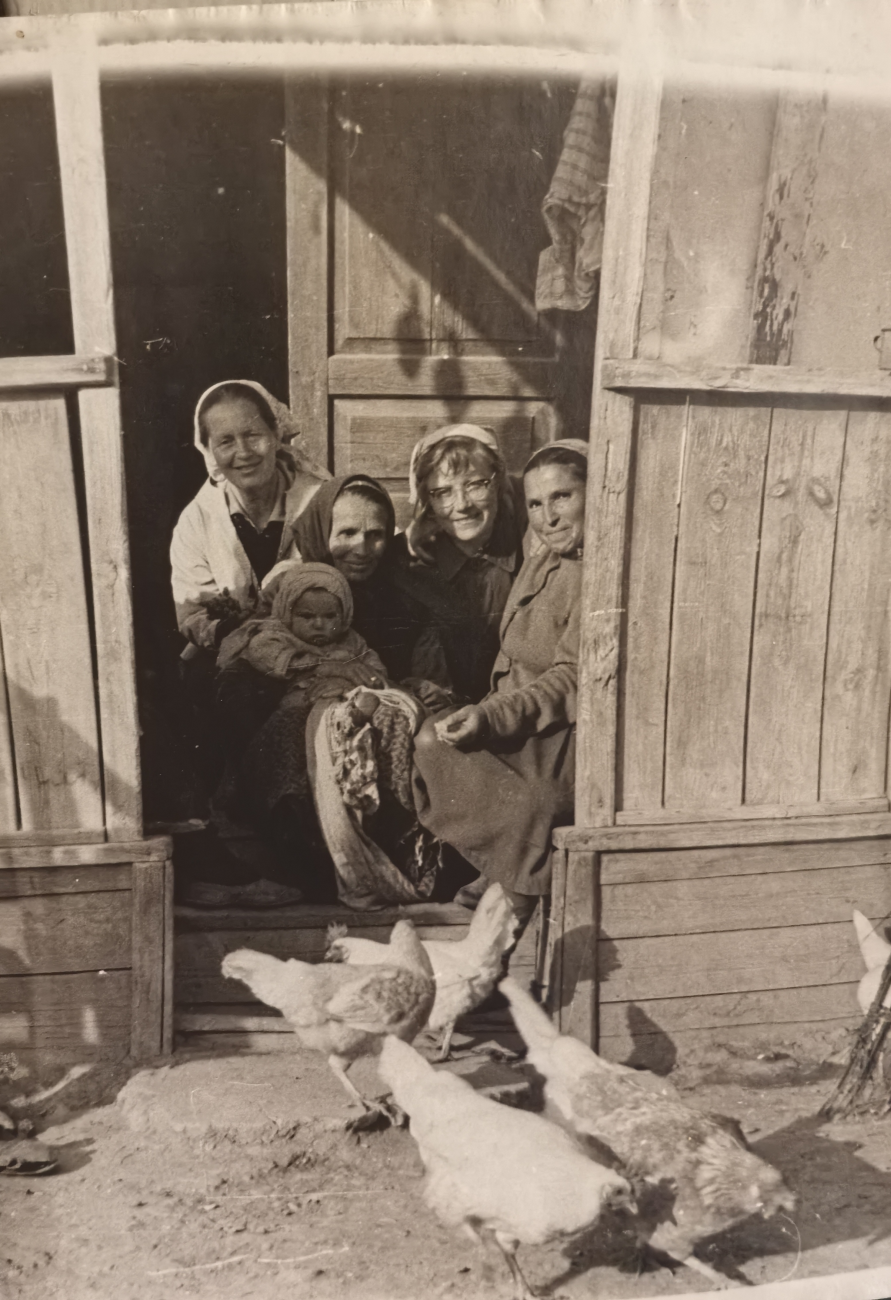
From the 1960s to the 1980s, she authored works on various aspects of early fish ontogenesis and the influence of various environmental factors.
She is the author of scientific publications on various aspects of ichthyology, particularly early fish ontogenesis and the influence of various environmental factors.
Here are just a few of her publications:
- "The Effect of Starvation on the Development of the Kutum at the Beginning of the Larval Period of Life" (1961).
- "Some Data on the Effect of Low Temperatures on the Development of the Kutum in the Embryonic Period of Life" (1968, co-authored with E.N. Smirnova).
- "The Effect of Elevated Oxygen Concentrations on the Course of Hatching and Morphological Features of Embryos of Some Cyprinidae" (1978, co-authored with M.V. Gulidov).
- "The Effect of Temperature on Some Developmental Features of Roach Embryos" (co-authored with M.V. Gulidov).
In her final years at the Institute, Klara Sergeevna focused on Higher Attestation Commission (HAC) matters, overseeing dissertation defense preparations, including those of foreign specialists.
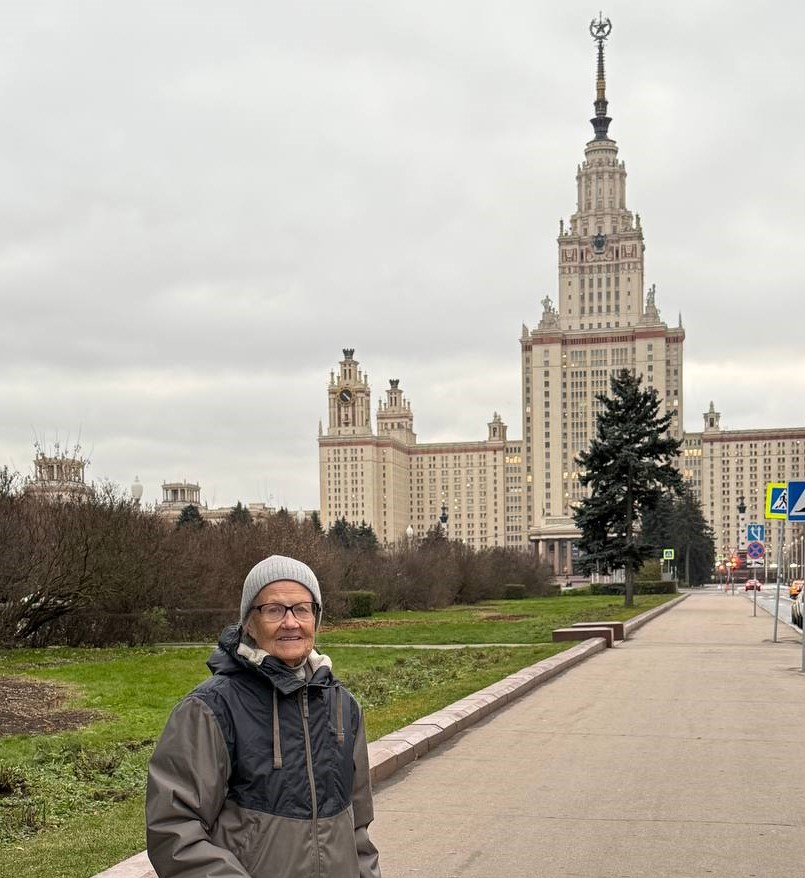
K.S. Popova was awarded the "Veteran of Labor" and "850 Years of Moscow" medals, as well as the "For Valiant Labor" jubilee medal in honor of the 100th anniversary of V.I. Lenin's birth. She raised two children and has four grandchildren and three great-grandchildren.
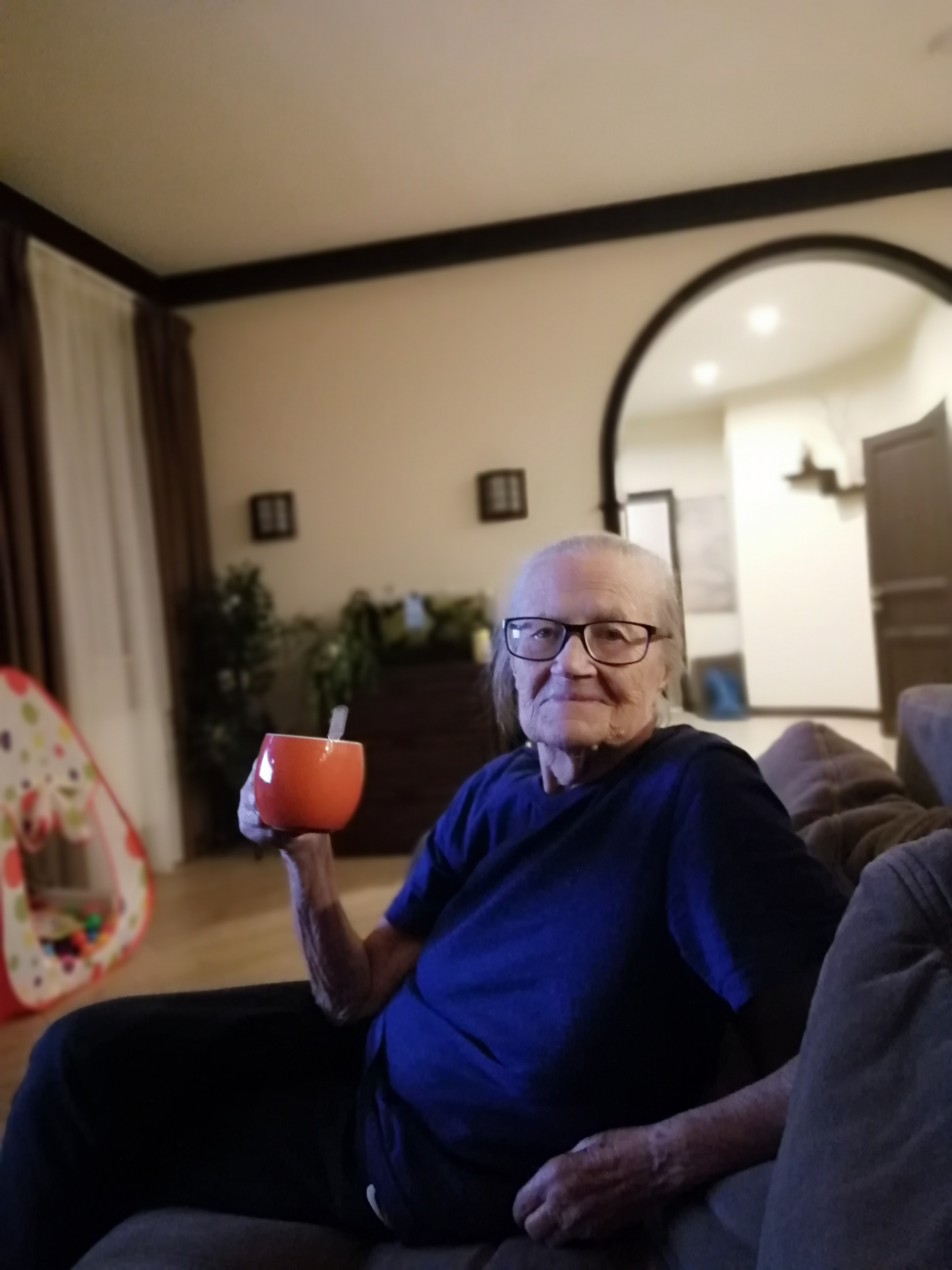
Interesting fact: Klara Sergeevna has been an avid sports fan since her youth. As a teenager, she would go to Dynamo Stadium with her friends to watch football matches, and to this day, she never misses a single football or hockey match. Her favorite athletes are Dzyuba, Akinfeev, and Karpin. She loves walking in nature, especially along the Volga River.
We sincerely congratulate Klara Sergeevna Popova on her wonderful anniversary!
We wish her good health, vitality, prosperity, and the support and love of her loved ones.
The Directorate and all employees of the Institute.