

IEE RAS researcher explained the likelihood of dead seals being found on the Caspian coast.
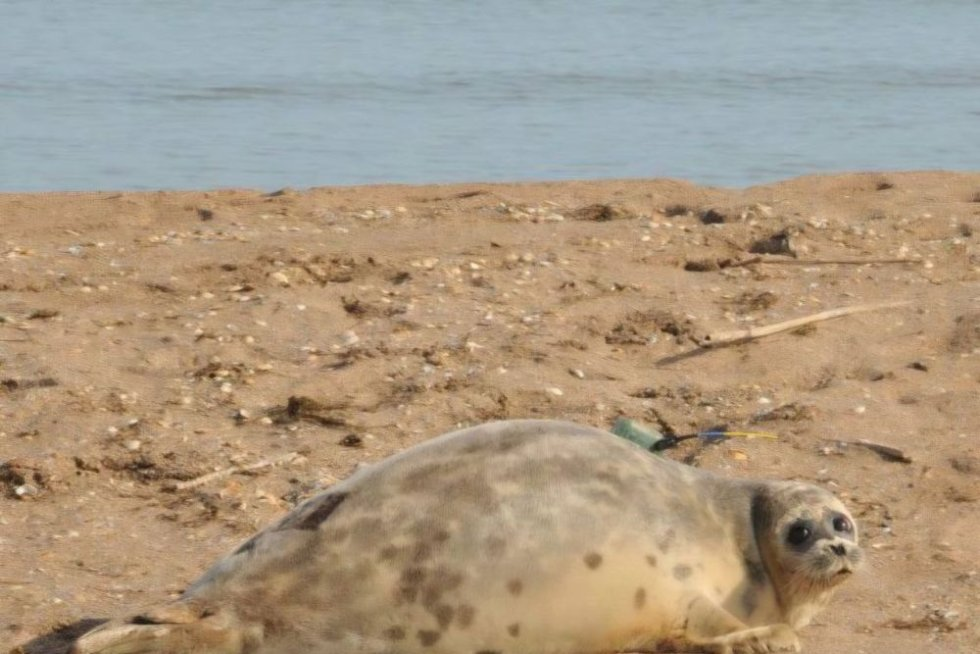
In early November, more than 100 dead seals were found on the coast of the Caspian Sea in Kazakhstan. Authorities cited weakened immune systems and a subsequent infection as the causes of their deaths. Maria Solovyova, a PhD in biology and senior researcher at the A.N. Severtsov Institute of Ecology and Evolution of the Russian Academy of Sciences, spoke to Rossiyskaya Gazeta about the likelihood of a similar situation recurring in the Russian sector of the Caspian Sea.
The largest recent die-off of Caspian seals occurred in December 2022. More than 2,500 carcasses were discovered on the shores of Dagestan.
"The stranding of dead seal carcasses on the coast of the Caspian Sea in the fall has been a regular occurrence in recent years. It reoccurs at the same time—November to early December. Typically, due to the direction of the sea currents in Kazakhstan, such incidents occur slightly earlier, and two to three weeks later, the dead mammals are discovered in the Russian sector of the Caspian Sea." "This means that we predict a stranding of dead animals on the Dagestani coast at the end of November," the scientist believes.
According to Maria Solovyova, the exact cause of the animals' deaths has not yet been determined. The reason is that they wash ashore already dead. Moreover, two to three weeks pass after their death.
"To attribute the cause of death to a weakened immune system or infection, a recent death would require an examination of the individual. The Caspian seals that washed ashore were well-fed in previous years. For example, weight loss could indicate illness," the expert noted. "Histologists and veterinarians did not find any serious pathologies associated with any particular disease, such as changes in the structure of the kidneys, liver, or heart. The cause of their immediate death is drowning, meaning they suffocate in the water. However, why this occurs is still unclear."
Several years ago, another hypothesis for the death of these animals emerged. Scientists attribute it to underwater emissions of methane and associated gases. The Caspian Sea basin is characterized by various oil and gas seeps, the intensity of which increases sharply during earthquakes. These emissions cause gas emissions, which in calm conditions form gas-filled lenses of air above the sea surface, where the seals suffocate.
"Dead seal strandings in the Caspian Sea occur every year. Of course, they vary in scale. But I'd really like to try to get to the epicenter of these processes. That is, in October or November, we could go out on a boat and explore the waters to find the spot where they die. Such expeditions are very expensive and must be conducted not only at sea but also in the air, with aerial surveys. Unfortunately, there's no funding for this yet," laments Maria Solovyova.
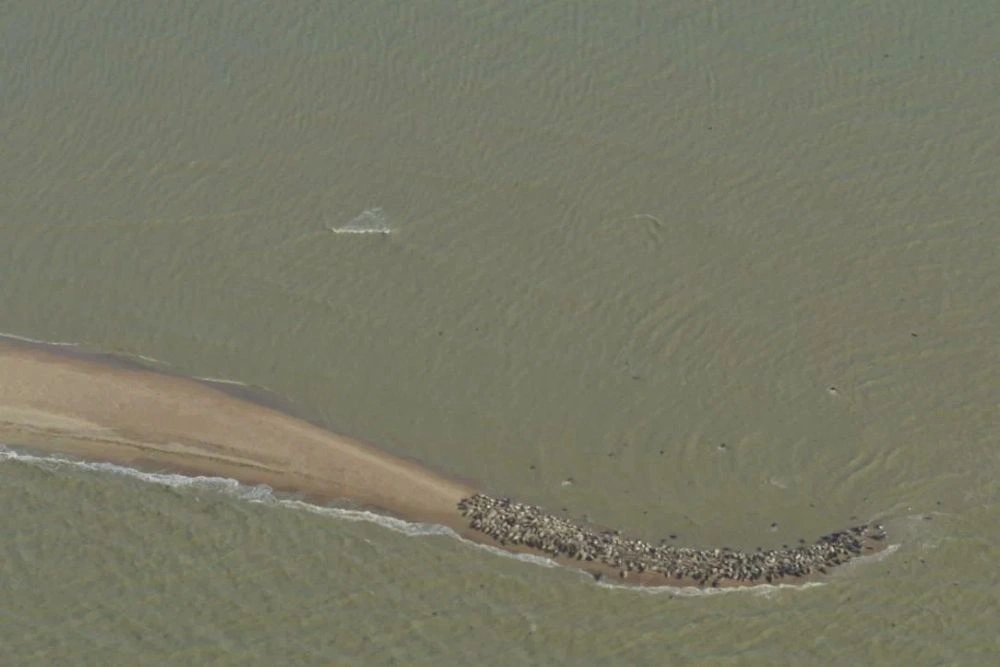
The last comprehensive study of Caspian seals in the Russian part of the Caspian Sea, as part of the "Soul of the Caspian" project, was conducted in 2021. A specially equipped Russian-made La-8 amphibious aircraft was used for the aerial survey. The team of scientists then managed to record from the air a single haulout of 500 seals, most of which were located on Maly Zhemchuzhny Island. Expedition members landed on it and were able to take measurements, determine the approximate age, and sample blood, fur, and whiskers from seven individuals, while also attaching satellite tags to the largest ones.
In 2023, Caspian seal counts were conducted in winter using two types of aircraft. A manned La-8 served as a reconnaissance aircraft, and then silent UAVs flew over the waters unnoticed by the seals, combing and thoroughly scanning any aggregations of the animals. Specially installed infrared equipment helped identify not only adults but also newborn pups on the ice.
"Ice conditions are crucial for an accurate Caspian seal population census. They reproduce, raise their young, and rest on the ice. In the Caspian Sea, ice forms in only two countries – Russia and Kazakhstan. This is why simultaneous aerial surveys over the waters of these two countries are necessary," the expert emphasized.
According to Maria Solovyova, consolidated conservation efforts are needed, as the Caspian seal population has experienced many negative impacts over the 20th century. These include mining, ships polluting the waters, poaching, and a significant reduction in ice cover in the Caspian Sea due to frequent warm winters.
The latest aerial surveys conducted by Russian and Kazakh scientists several years ago indicated that the estimated Caspian seal population currently stands at between 180,000 and 240,000 individuals. At the beginning of the 20th century, these numbers were five times higher. In 2020, the animal was listed in the Red Book of Russia as a second-category rare species, meaning it is declining in population.
Incidentally, Caspian Seal Day is celebrated annually on March 24. To coincide with this date next year, the organizers of the "Soul of the Caspian" project—the Clean Seas environmental foundation—plan to release a documentary about these animals, titled "Harvesting Not Conserving! Time Will Place the Comma."
Related materials:
Clean Seas Foundation: "A Russian Academy of Sciences expert explained the likelihood of seal strandings on the Caspian coast"
Ecology of Russia: "A scientist predicted the stranding of dead Caspian seals at the end of November"