

Scientists have installed camera traps on Bobrovy Island to monitor beavers
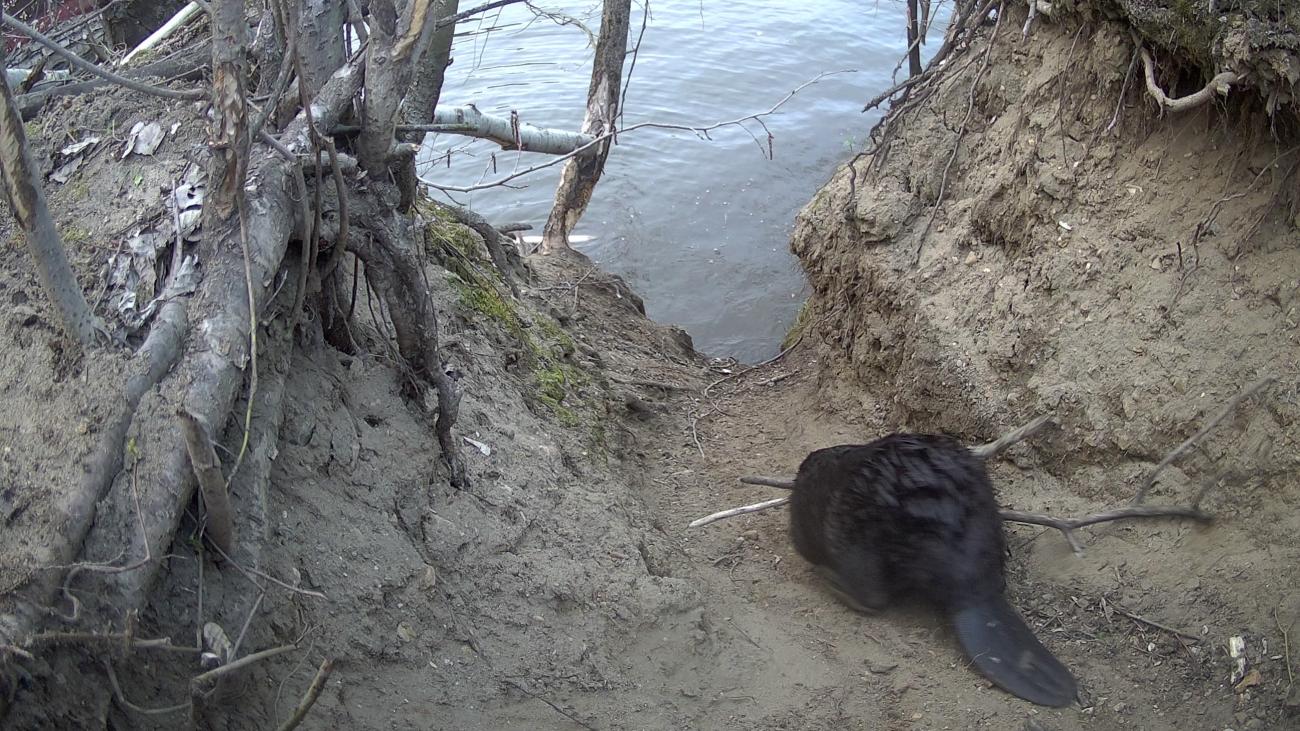
Scientists from the A.N. Severtsov Institute of Ecology and Evolution of the Russian Academy of Sciences (IEE RAS) have set up camera traps to monitor the lives of beavers living on Bobrovy Island.
"We identified the center of the beaver colony on the island - where the main burrows are located, along with two semi-huts used by the beaver family for sleeping and resting. We set up two camera traps near these locations, along beaver trails. The resulting images show that the beavers are actively spending time outside their burrows," said Ivan Bashinsky, PhD, a senior researcher at IEE RAS and head of the Beaver Working Group at the Sokolov Theriological Society of the Russian Academy of Sciences.
According to him, in summer, beavers are more interested in green vegetation than branches. In good weather, beavers can be active for ten hours or more, even during the day. On rainy days, they spend more time on land, and in hot weather, they spend more time in the water.
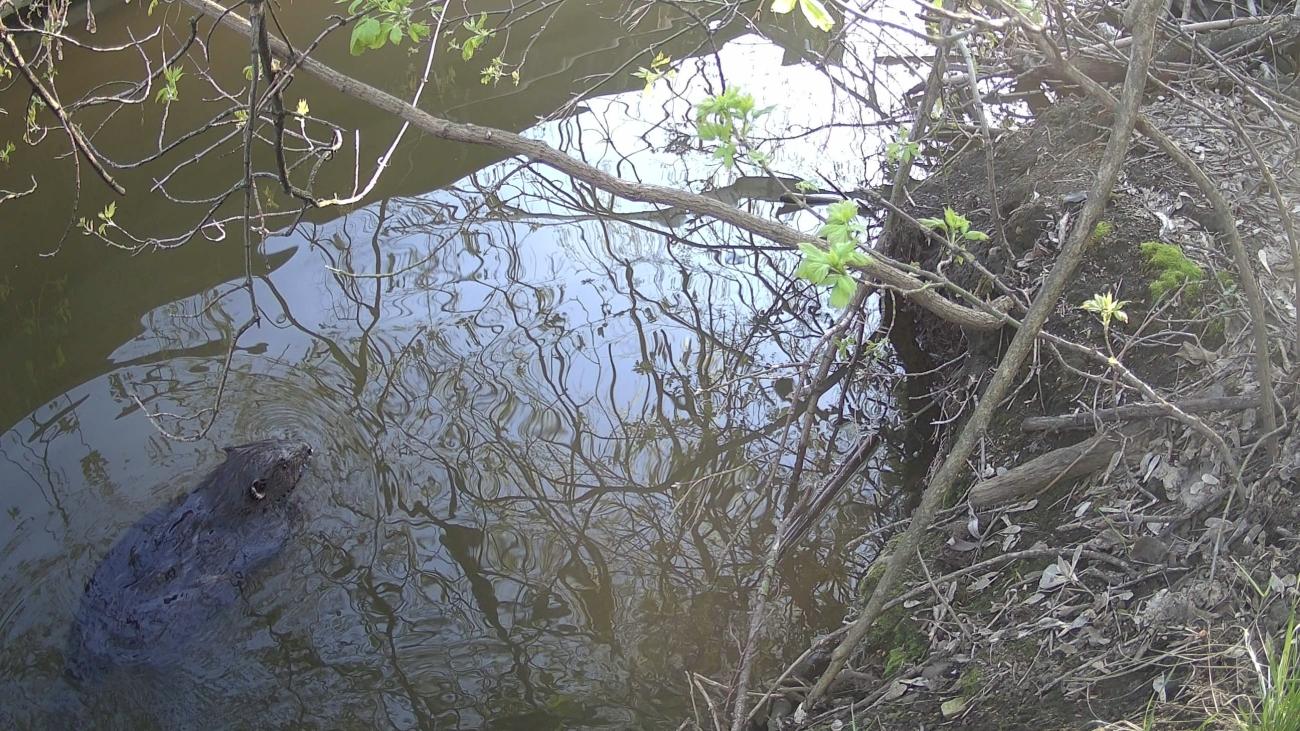
Scientists from the Institute of Ecology and Evolution (IEE RAS) have been closely monitoring beavers on the island for the past two to three years. By studying beaver activity, such as tooth marks on branches and trees, it was determined that the island is currently inhabited by a single family of approximately six to seven individuals - two adult beavers and their young of varying ages.
Work is currently underway in the waters around Bobrovy Island, but the beavers' main burrows and dwellings are located on the opposite side of the island. In recent years, the animals inhabited the northern part of the island. To avoid disturbing the beavers, a 30-meter-wide coastal strip near the main burrows, semi-huts, and trails was fenced off. Extensive thickets of dense shrubs and tall grass remain, providing the beavers with food. They are also actively feeding on various aquatic vegetation. This area is sufficient for the animals to live comfortably.
"Beavers generally react calmly to human activity - it is essential to avoid active work in the immediate vicinity of their burrows, which is why the fences have been installed. Cameras show that the beavers haven't changed their lifestyle in the current situation; they still regularly come up to the surface," Bashinsky said.
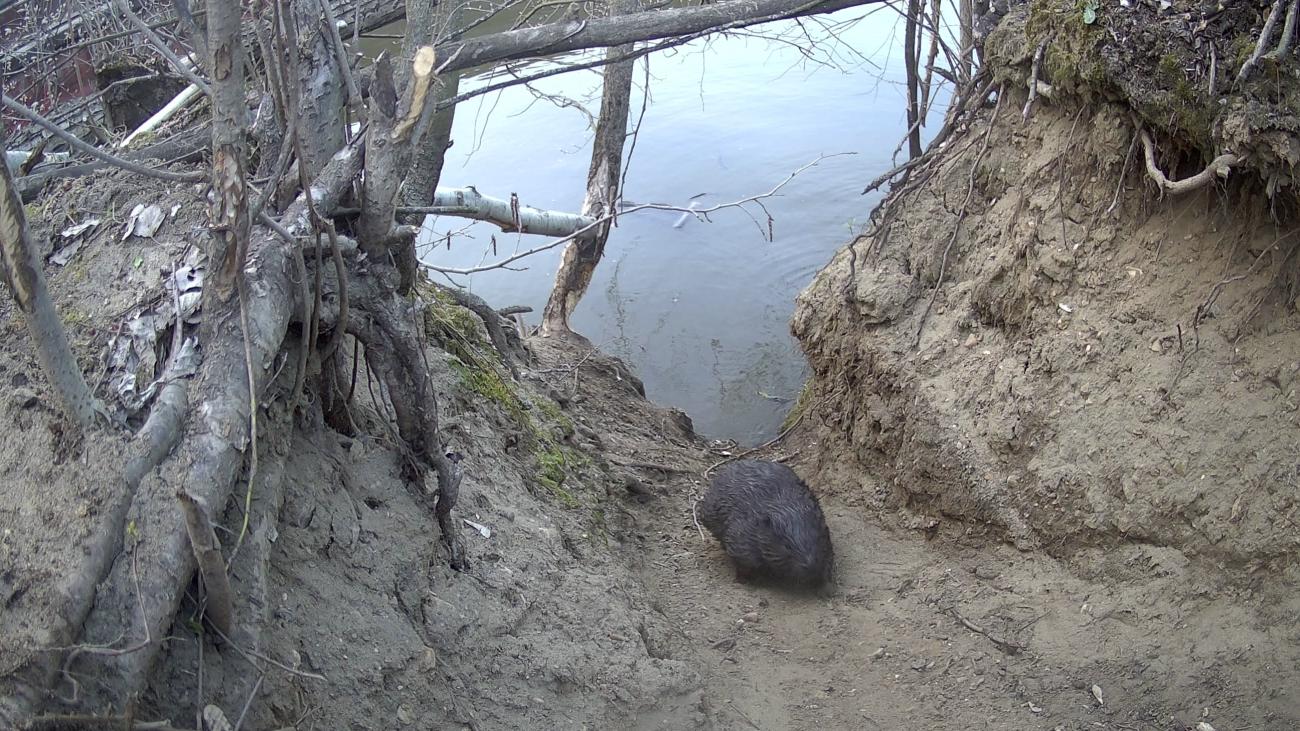
Previously, following an environmental survey of the island, scientists from IEE RAS recommended clearing Bobrovy Island of 60 years' worth of accumulated construction and household waste, as it negatively impacts animal habitats. On May 26, the Nagatinsky Zaton district administration announced the start of cleanup efforts on the island. According to the administration, approximately 100 tons of bulky construction waste and over 50 bags of household waste have already been removed, and 150 cubic meters of rotten wood, which had completely covered the lake, have been removed as well. Further cleanup efforts on the island are ongoing.
"We welcome the decision to clear Bobrovy Island of debris and then replant new trees that are more suitable for beaver food - it's the most appropriate decision in the current situation. These measures will help support the animals on the island. Further rehabilitation of the area, taking into account the beavers' interests, is entirely feasible: global practice proves that beavers and humans can successfully coexist," noted Andrey Zaitsev, head of the IEE RAS Technology Transfer Center.
Svetlana Pervakova, head of ECO-EXPERT, believes that Bobrovy Island represents an opportunity for Moscow to put modern principles of ecological rehabilitation of urban spaces into practice.
"The phased and thoughtful restoration of this area - from restoring ecological order to creating a balanced environment - could become a shining example of responsible biodiversity conservation in a metropolis. The success of this initiative will not only preserve the beaver family's home but also enrich the city's ecological map with a new, valuable landmark demonstrating the harmony between the urban environment and wildlife," commented Svetlana Pervakova.