

When Hormones and Energy Team Up: How Thyroid Hormones and Lipids Drive Early Development and Metamorphosis in Weatherfish Larvae
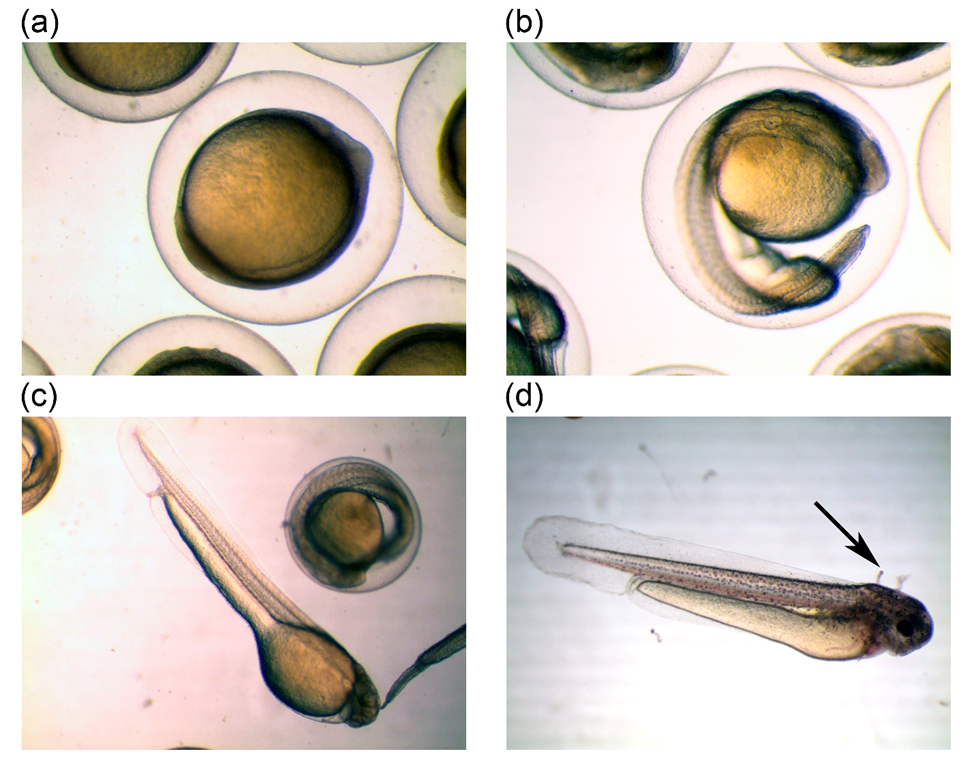
After the completion of embryonic development within the egg, the fish organism does not simply increase in size but undergoes profound structural and functional reorganization. In the early ontogeny of the weatherfish Misgurnus fossilis, these processes are accompanied by pronounced morphological changes - a metamorphosis that is considered an adaptation to conditions of reduced dissolved oxygen. This is related to the spawning ecology of weatherfish, which reproduce in shallow, vegetation-rich water bodies with weak flow, where limited water mixing and the decomposition of organic matter in bottom sediments often lead to dissolved oxygen deficiency. Weatherfish morphological transformation begins very early in life. Like many freshwater fish, weatherfish undergo profound developmental changes during early ontogeny, and hormones play a central role in directing these processes. In a recent study, researchers investigated how thyroid hormones interact with lipid metabolism during the early developmental stages of this species.
Dr. Efim D. Pavlov and colleagues tracked biochemical changes in individual weatherfish from unfertilized eggs to larvae with fully developed external filamentous gills. Their results show that, during the earliest developmental stages, weatherfish embryos depend entirely on maternal thyroid hormones stored in the eggs. These maternal hormones sustain early development while the fish’s own hormone-producing system remains inactive, resulting in low and relatively stable thyroid hormone levels.
The endogenous thyroid system becomes active just before larval metamorphosis, at the stage when larvae begin preparing for major morphological restructuring. During this period, embryos and newly hatched larvae rely on external filamentous gills for respiration in hypoxic waters. Once these gills are formed, levels of free triiodothyronine (FT3), the biologically active form of thyroid hormone, increase sharply, marking the activation of the larval thyroid axis. Notably, total thyroid hormone concentrations alone did not capture this developmental transition; instead, the free fraction of triiodothyronine emerged as the most informative indicator of developmental progression.
The increase in active thyroid hormones coincided with a surge in energy stores, particularly cholesterol and triglycerides. This pattern reflects the heightened energy demands required for tissue remodeling, organ development, and the forthcoming metamorphic transition. In simple terms, thyroid hormones signal that it is “time to grow”, while lipids provide the fuel needed to carry out this transformation.
Together, these findings demonstrate that the coordinated rise of biologically active thyroid hormones and lipid metabolism represents an early biochemical signature of impending metamorphosis in weatherfish. By highlighting the central role of FT3 and energy mobilization, the study advances our understanding of how endocrine and metabolic systems interact to drive critical developmental transitions in fish.
Article (Pavlov et al., 2026) was published in a specialized journal (Q1): Fish Physiology and Biochemistry.