
Half a century of research into Mongolia's water bodies
The year 2025 marked a number of anniversaries. Specifically, 55 years ago, the Joint Soviet-Mongolian Integrated Biological Expedition of the Academies of Sciences of the USSR and Mongolia (now the Joint Russian-Mongolian Complex Biological Expedition of the Russian Academy of Sciences and the Mongolian Academy of Sciences - JRMCBE) was established. Exactly 50 years ago, the expedition was transferred to the A.N. Severtsov Institute of Ecology and Evolution of the Russian Academy of Sciences (IEE RAS), and an ichthyological and hydrobiological team was formed within it.
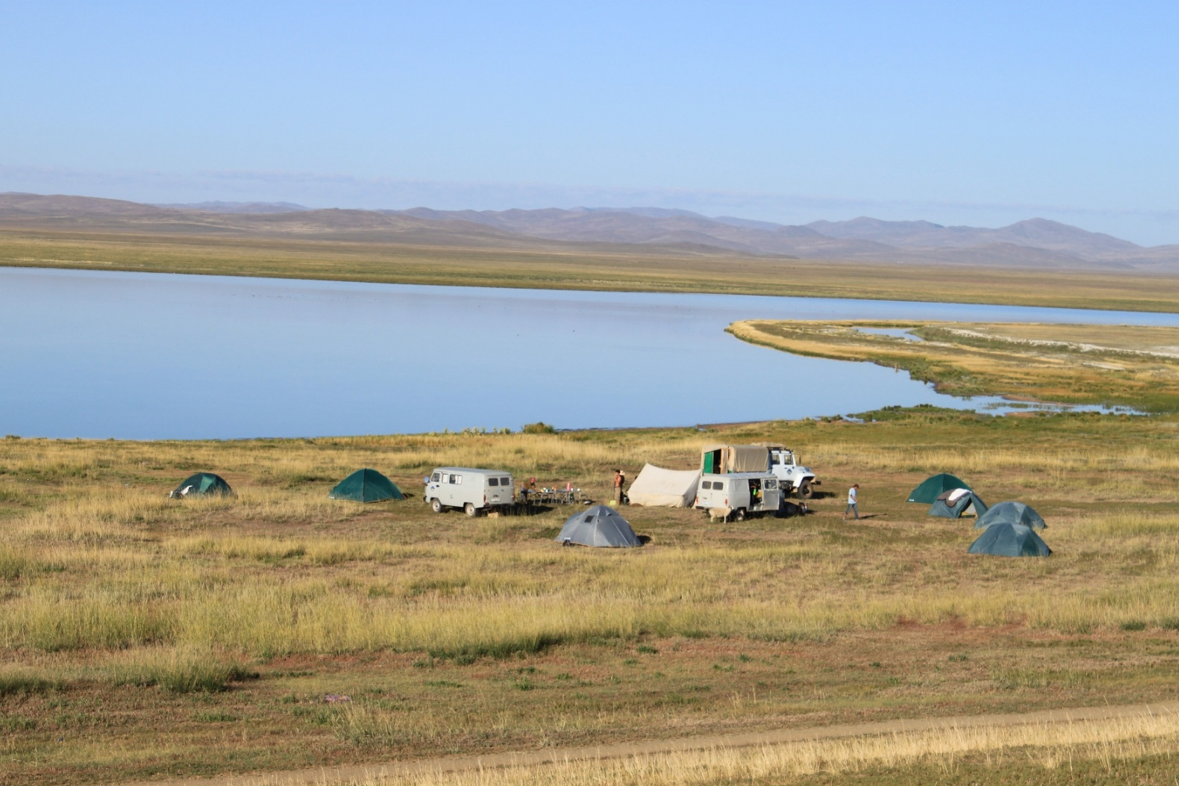
Since 1975, this team has been conducting regular research in all of Mongolia's water bodies. Not only staff from the IEE RAS, but also from many institutes within the Russian Academy of Sciences and universities, as well as scientists from the CIS, have participated in the fieldwork, data processing, and publications.
The team's primary goals are to study the biodiversity, structure, and functions of Mongolia's aquatic ecosystems. The research has yielded a number of fundamentally new results in biological science, including the study of aquatic organism diversity and adaptations to the specific conditions of East Asian water bodies, ecosystem dynamics under cyclical climate change, the microevolution of living organisms, and the development of ecosystems in reservoirs in the semi-arid zone. For the first time, primary production, species composition, abundance, and biomass of bacterioplankton, phototrophic picoplankton, heterotrophic nanoflagellates, nematodes, and benthos have been determined in Mongolian water bodies.
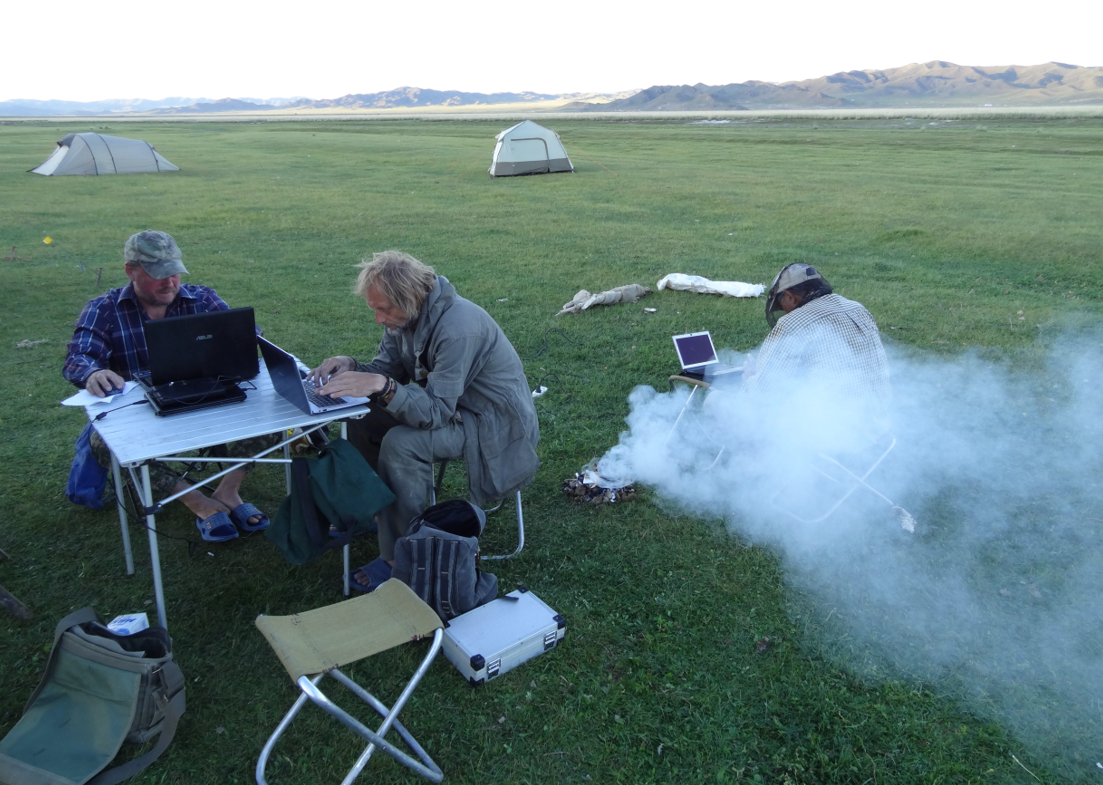
Study of the biodiversity of Mongolia's water bodies and streams
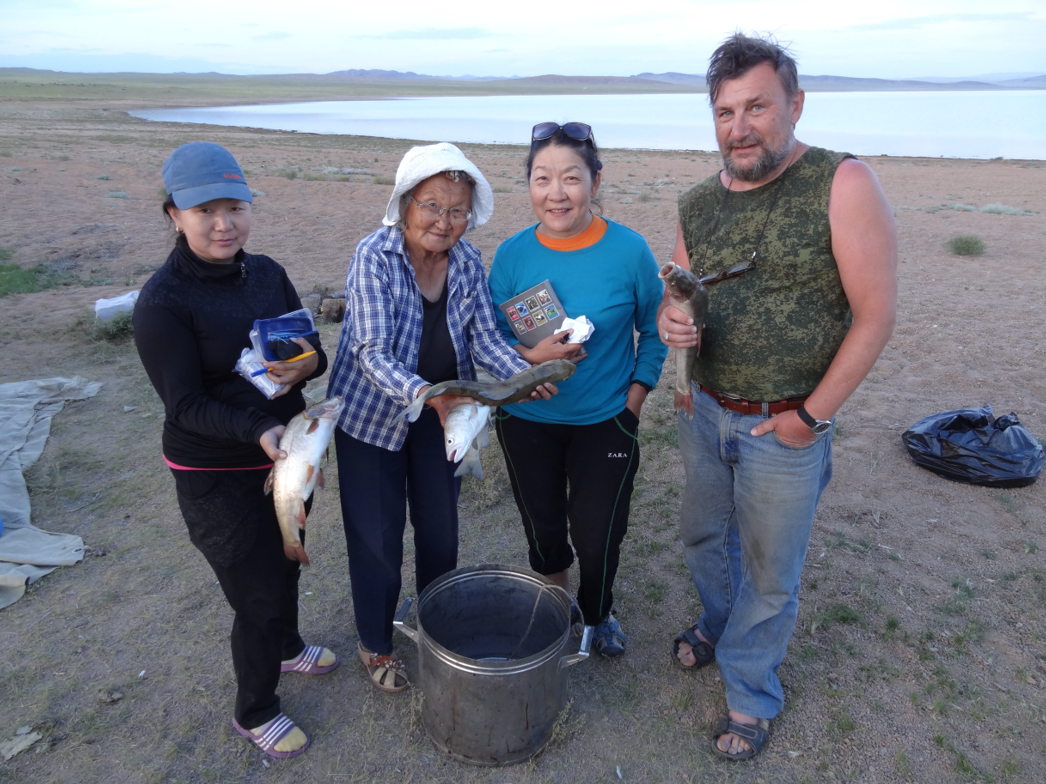
Fish diversity. During the first stage of joint Russian-Mongolian research, the first reports were published (Fishes of the Mongolian People's Republic, 1983; Baasanjav et al., 1985). These reports provided identification keys, morphological descriptions, chromosome sets, and distributions of 58 fish species and one lamprey species, as well as data on parasites and the lifestyle of several species and the history of the ichthyofauna of Mongolia.
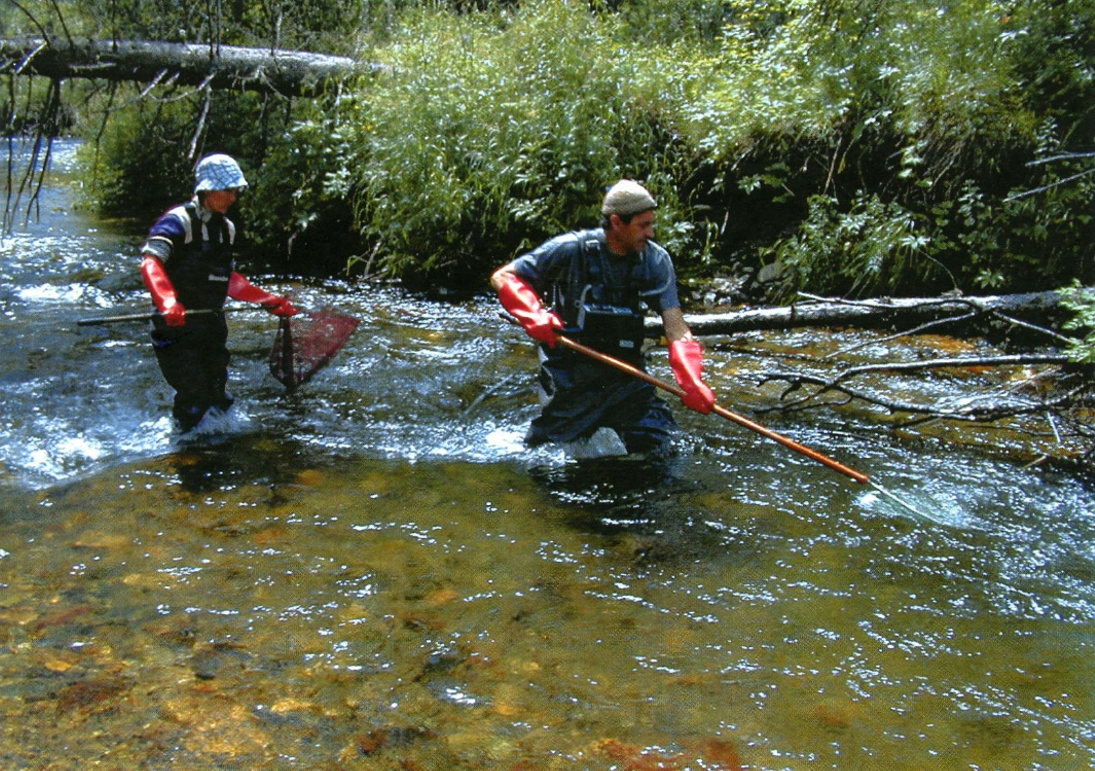
To date, the number of fish species found in Mongolian waters has reached 79 (Mendsaikhan et al., 2017), which is associated with the description of species new to science, new finds of fish of the local ichthyofauna, as well as the penetration of alien species.
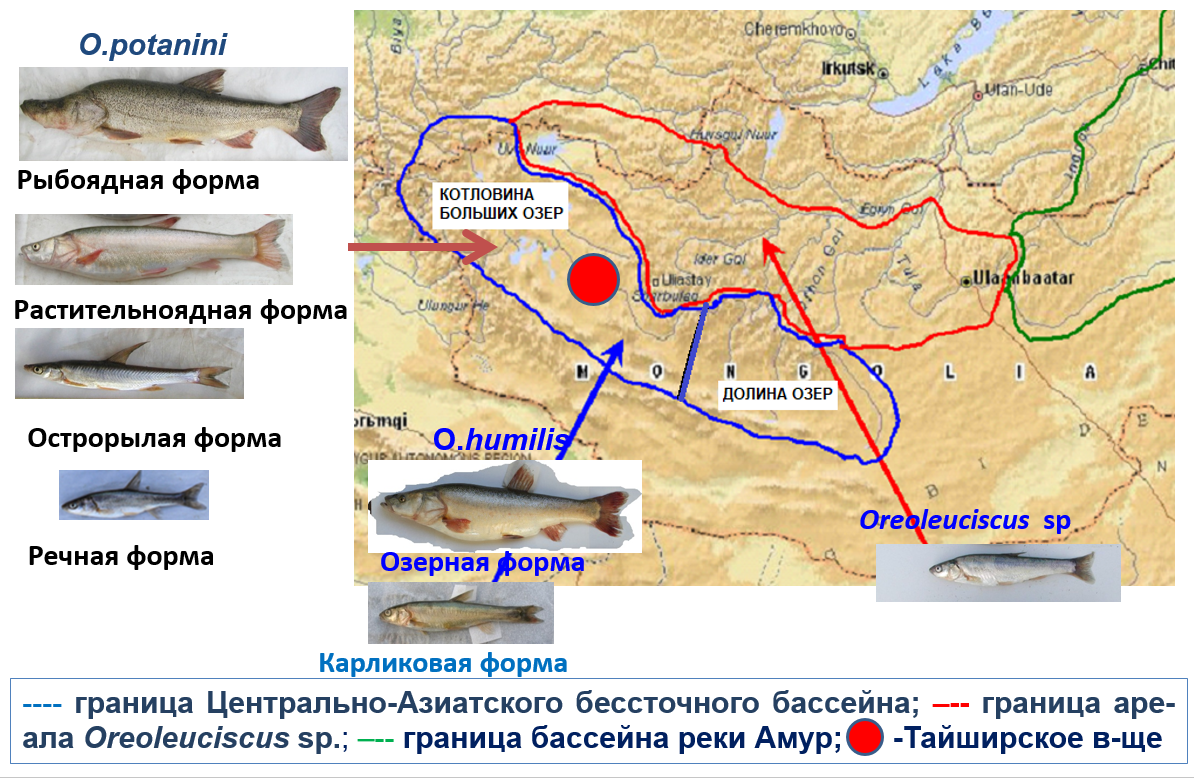
For the first time, the mechanisms of formation and adaptation of unique intraspecific morpho-ecological "form bundles" in fish of the genus Oreoleuciscus have been studied in detail.
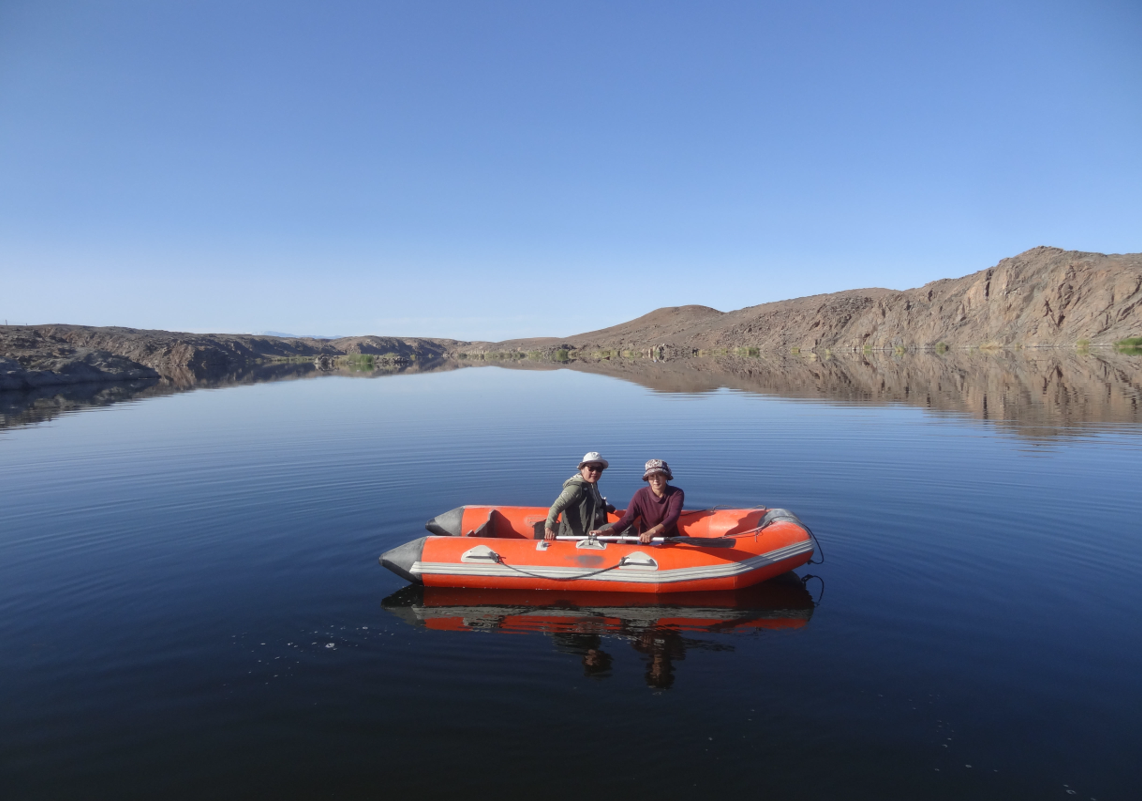
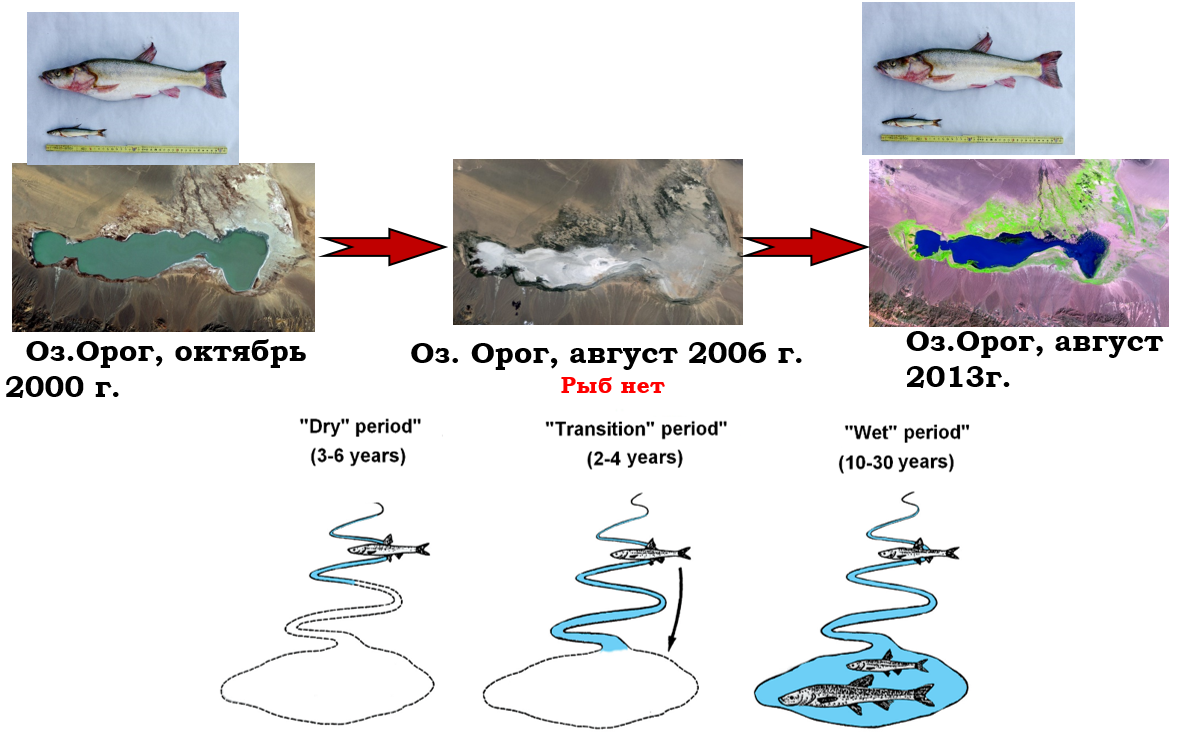
During regular multi-year (1975-2018) field studies conducted by the Ichthyology and Hydrobiology team within the framework of the expedition (JRMCBE) in Mongolia, a unique natural situation with periodically drying up reservoirs of the Central Asian endorheic basin was described.
This is the first scientific description of the phenomenon of rapid cyclical diversification of fish (Oreoleuciscus humilis) in connection with changes in the water content of the Valley of Lakes.
Diversity of other aquatic organisms in Mongolia. Over the course of years of research, 42 species of heterotrophic flagellates from 8 major taxa were identified in the Tatsyn and Orog lakes, the Chonokhoraykh channel, the Zavkhan River, and the Taishir and Durgun reservoirs. Rare species constituted the bulk of the diversity, accounting for 78.5% of the total species composition, with 18 species (more than 40% of the species richness) found in only one of the studied water bodies, indicating a high degree of heterogeneity in the heterotrophic flagellate population. The largest number of such species (4 species) were identified in the reservoirs.
A list of aquatic and semi-aquatic beetles of Mongolia has been compiled, 28 species are reported for the country for the first time, and 76 taxa are noted as new regional finds. 63 amendments were prepared for Heteroceridae.
It has been established that the list of algal species in the Tayshin River basin is quite diverse. The Selenga River contains approximately 1,500 taxa (approximately 1,300 species). In recent years, 18 species new to science and 428 taxa new to the Selenga River have been discovered.
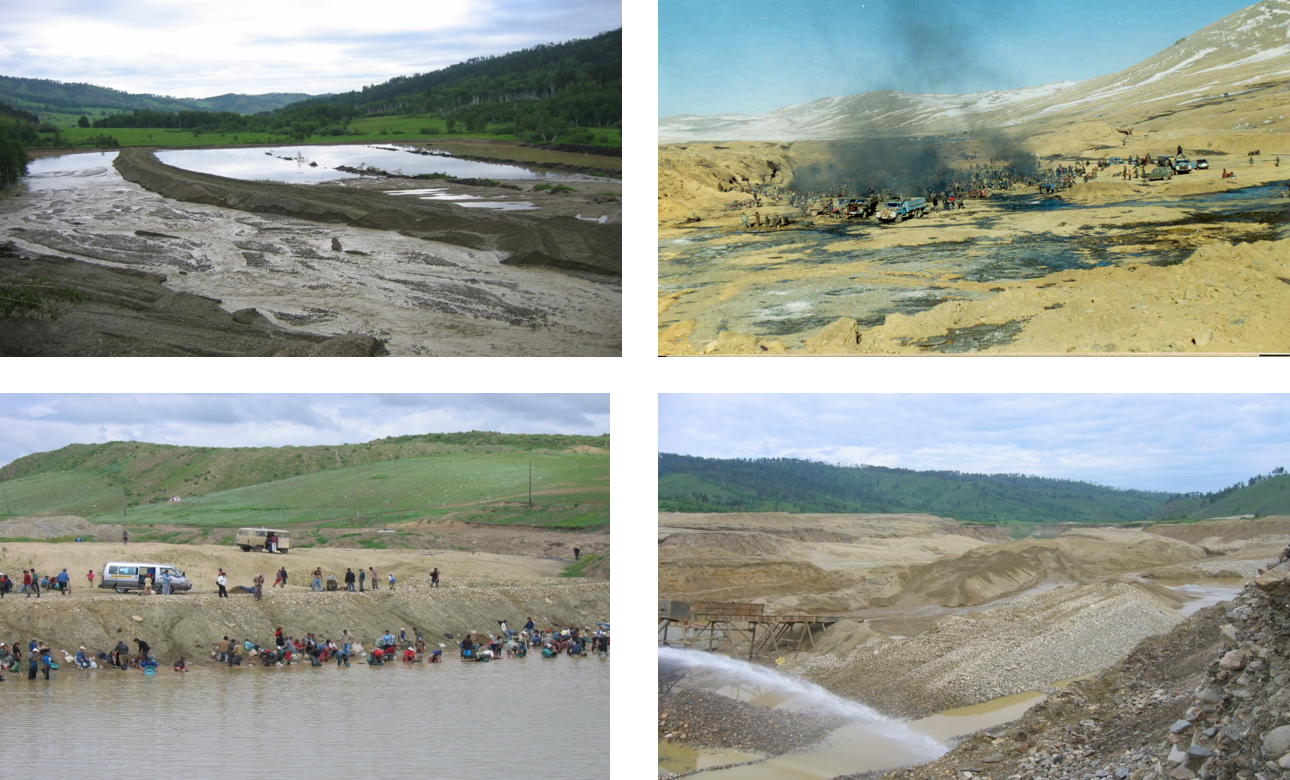
Anthropogenic Impact on Mongolian Water Bodies
At the end of the 20th century, gold mining intensified in Mongolia on many rivers in the Arctic Ocean basin (primarily on the Selenga River and its tributaries), leading to significant pollution and siltation of waterways.
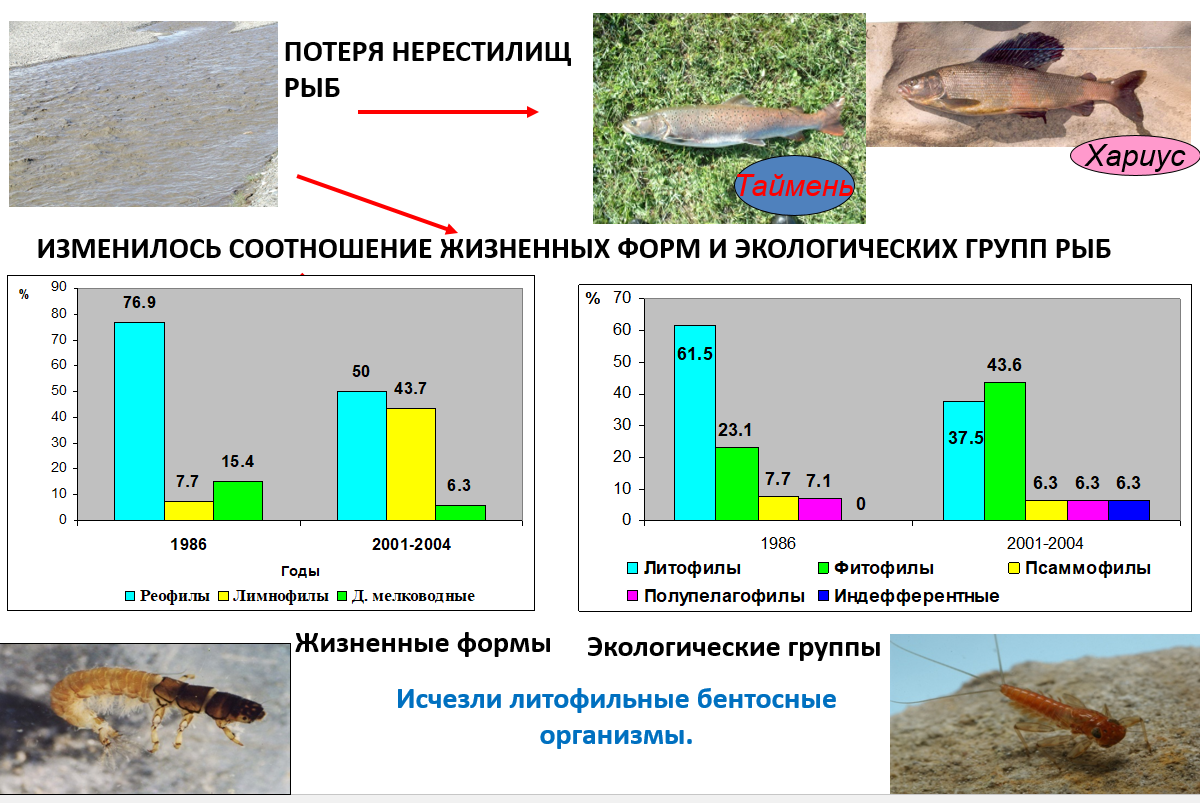
Hydrobiological consequences of anthropogenic siltation of the Tuul River (a tributary of the Selenga River)
Research conducted by the expedition’s Ichthyology and Hydrobiology team has demonstrated negative anthropogenic impacts on the fish population and aquatic invertebrates of the rivers of the Selenga basin. For example, in the Tuul River, as a result of gold mining, the numbers of valuable commercial fish species, taimen and thymallus (grayling), have sharply declined following the siltation of their spawning grounds; the structure of river ecosystems has significantly changed due to changes in the ratio of life forms and ecological groups of fish based on reproductive patterns; and lithophilic benthic organisms have disappeared.
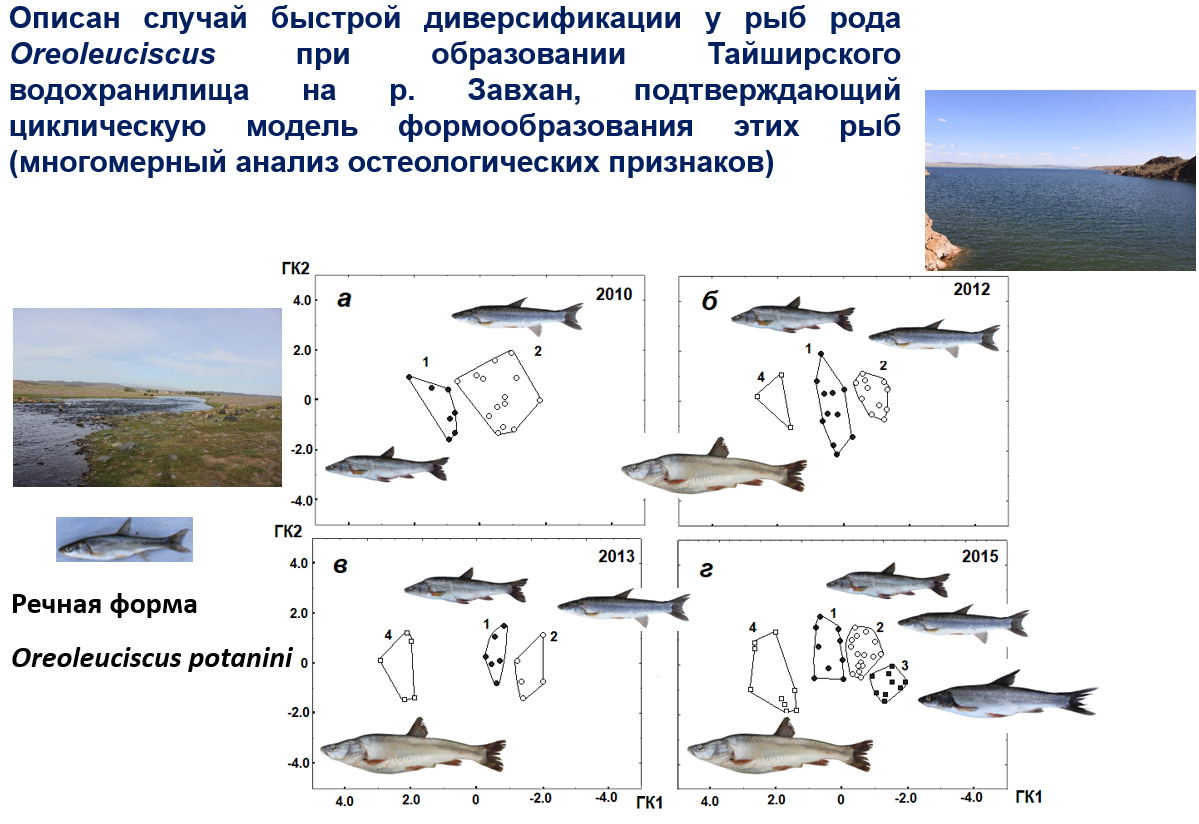
Reservoir Construction in Western Mongolia
At the beginning of the 21st century, observations were made of the ecosystem formation process in the newly created Durgun and Taishir reservoirs, the largest in Western Mongolia. Data were obtained on planktonic algae, cyanobacteria, heterotrophic bacteria and nanophlegellates, benthic macroinvertebrates, fish communities, and the parasitic fauna of fish in the newly formed reservoirs. A collective monograph was published.
A case of rapid diversification in fish of the genus Oreoleuciscus during the formation of the Taishir Reservoir on the Zavkhan River was described, confirming the cyclical model of morphogenesis for these fish (Dgebuadze et al., 2020).
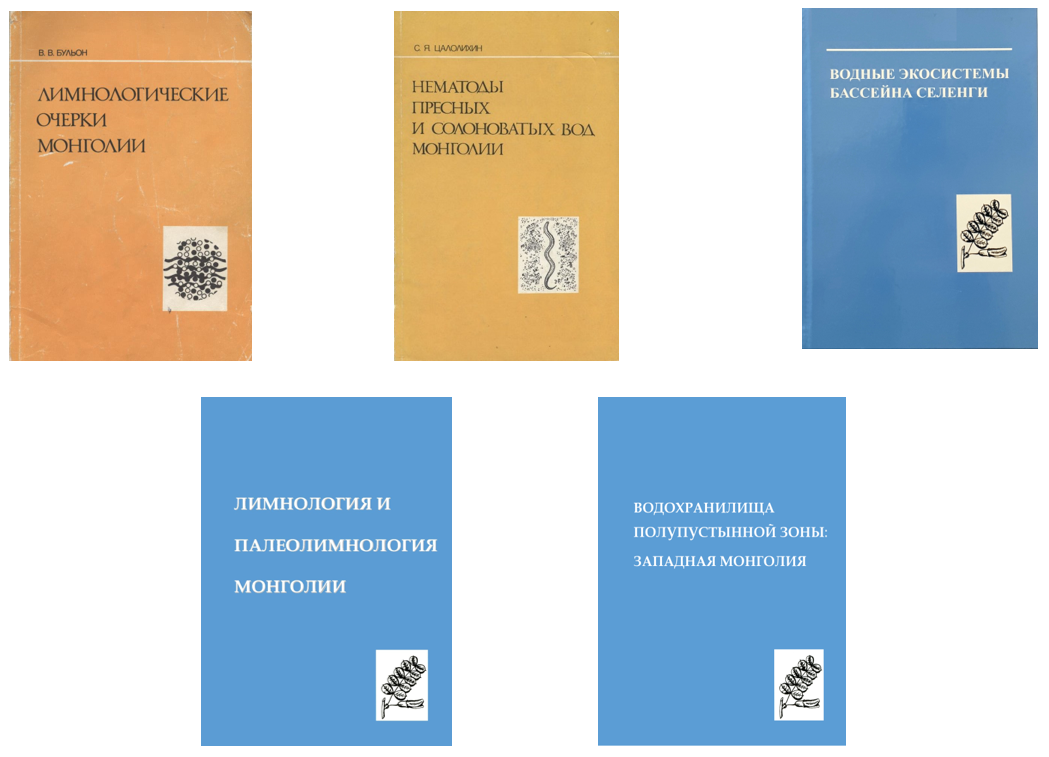
The expedition team's research on ichthyology and hydrobiology has resulted in the publication of 9 monographs and over 250 scientific articles, and the defense of 4 doctoral and 5 candidate dissertations.
The results of the ichthyological and hydrobiological research conducted by the Russian-Mongolian Integrated Biological Expedition of the Russian Academy of Sciences and the Academy of Sciences over the past 50 years were presented at two conferences in September 2025 in Ulaanbaatar, Mongolia. A review of this work was published in the proceedings of these conferences: Dgebuadze Yu.Yu., B. Mendsaikhan. 2025. 50 years of ichthyological and hydrobiological research in Mongolia - a review. Proceedings of the Institute of Biology Mongolian Academy of Sciences. Special Issue. 253-265.hdf https://sev-in.ru/sites/default/files/2026-01/Dgebuadze_Mendsaikha-Review_2025.pdf