

A group of Russian researchers studied the effects of microparticles of different nature on DNA structure
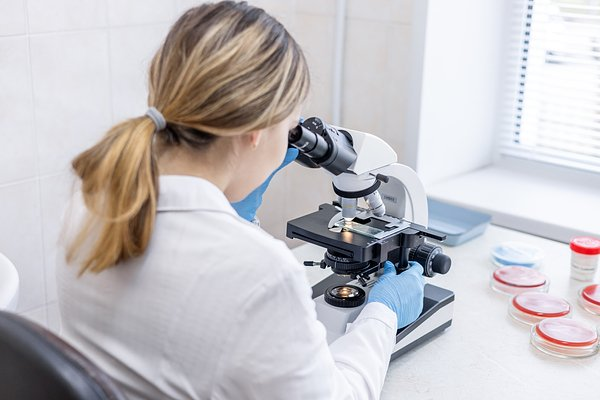
Photo: 360VP / Shutterstock / Fotodom
Dust, pollen, soot, synthetic particles… What are the similarities between these objects, and how can they impact the cells of living organisms? At the end of October 2025, scientists from around the world discussed these and other questions at the III International Conference on Microplastics in Samarkand. Among them was a group of Russian researchers studying the impact of various microparticles on DNA structure. The results show that the level of impact depends not only on the origin of the particles but also on their size. At the same time, synthetic fiber, which has become the main source of microplastics on the planet, is unlikely to pose a greater risk than tiny "natural" grains of sand or flakes, and at the concentrations we encounter in everyday life, the risk is practically zero. Kristina Ordzhonikidze, one of the authors of the experiment and a geneticist at the A.N. Severtsov Institute of Ecology and Evolution of the Russian Academy of Sciences, spoke to Lenta.ru about the problem.
Let's agree on terminology?
Lenta.ru: What particles are we talking about?
Kristina Ordzhonikidze: Oddly enough, even the terminology isn't entirely clear. For example, what is microplastic and what particles are considered microplastics? The fact is, there are dozens, if not hundreds, of types of synthetic plastics. Therefore, their microparticles, the main source of which isn't plastic bottles and dishes, but laundry, car tires, and urban dust, vary in composition, shape, origin, and, most importantly, size—ranging from nanometers to half a centimeter.
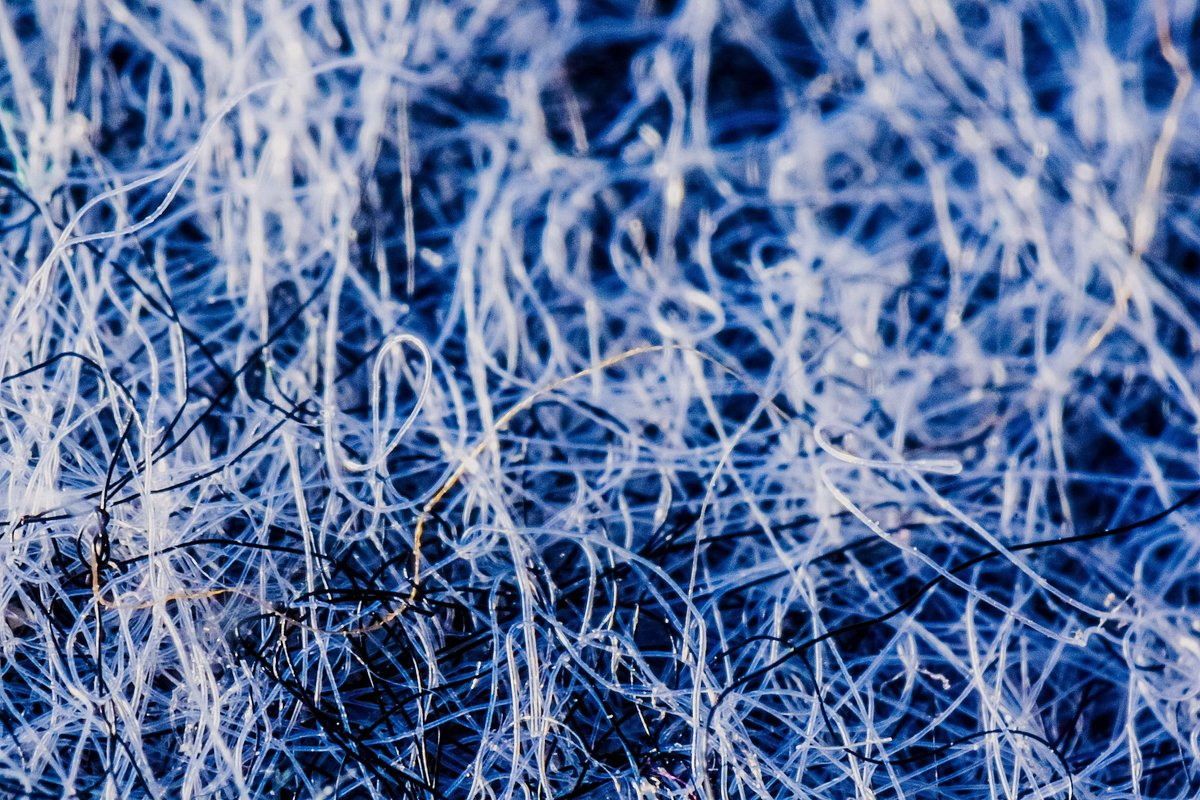
Today, it's clear that fairly large particles—visible to the eye—of any origin (sand, dust, or plastic) are unlikely to significantly impact biological processes in the body. Over millions of years of evolution, living creatures, including humans, have learned to cope with them: such indigestible particles are simply excreted naturally. However, smaller ones – a thousandth of a millimetre and smaller (submicron) – behave much less predictably, since they are capable of penetrating cellular structures.
Smaller, but worse
How can any particle—cellulose (wood), keratin (wool and leather), silicon oxide (sand), plastic, and so on—affect the body?
Let's clarify right away: a cell with DNA stored in its nucleus is very stable, protected by a complex membrane and possessing numerous defense and repair mechanisms. Penetrating it, much less damaging it, is quite difficult even with a very small particle—viruses, for example, have been "learning" this for millions of years. However, it is possible, and there are two key pathways for this:
The first pathway: primary damage, when a particle immediately destroys DNA molecules—an extremely unlikely pathway. Typically, such an effect can be caused by a very high-energy object, such as radiation exposure;
The second pathway: secondary damage, when particles that have penetrated the membrane trigger chemical reactions within the cell. In this case, oxidative stress develops, which can indeed damage DNA.
But how exactly does this exposure occur, and how significant is the threat?
This question was addressed by Russian scientists from two academic research institutes—the A.N. Severtsov Institute of Ecology and Evolution and the N.I. Vavilov Institute of General Genetics. We studied tropical fish, which are convenient model organisms because they have a short life cycle and only eight pairs of chromosomes, simplifying the research process. We used these fish to study the effects of microplastics and other particles by adding them to their habitat.
We did not include standard polystyrene microbeads in our experiment, which are often used in similar studies but are virtually uncommon in nature. To get closer to reality, we selected submicron particles of nylon (the material used to make tea pyramids) and keratin (the material found in animal hair and fur). These materials were frozen and ground in the laboratory to produce a particle mixture that more realistically simulated environmental pollution.
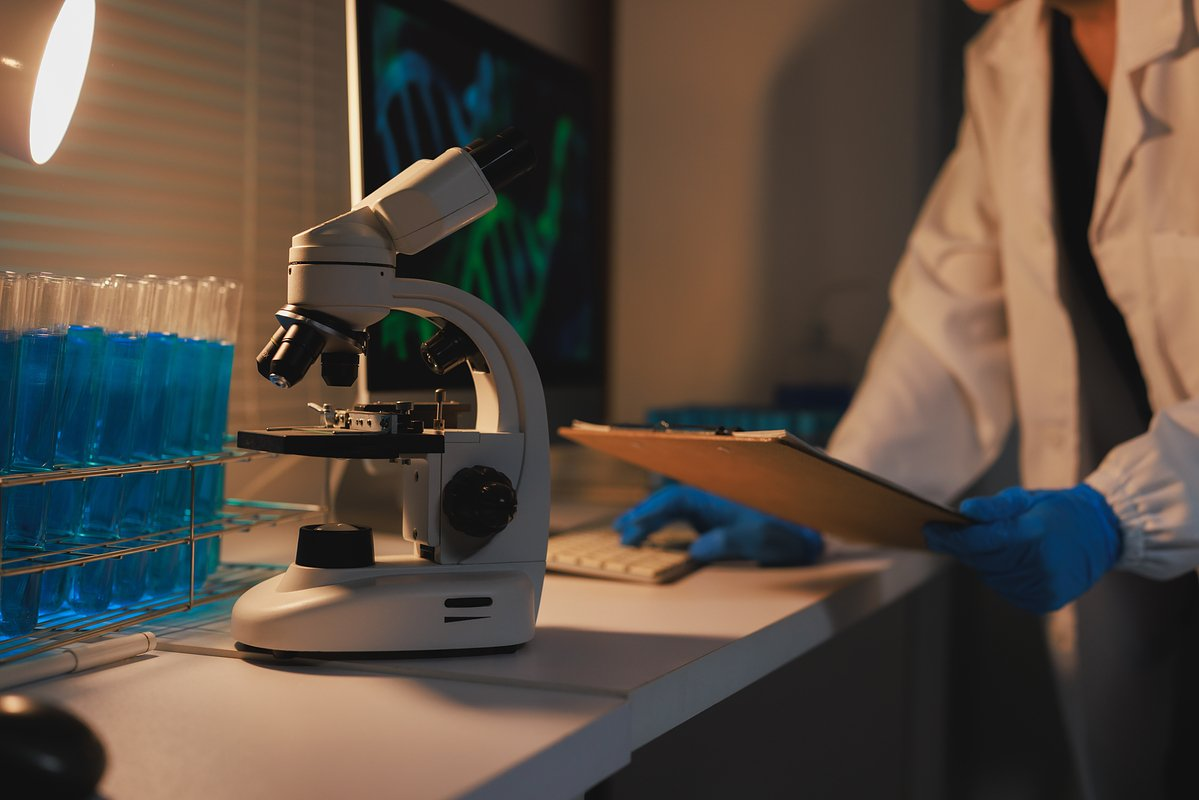
To assess DNA problems, scientists used the DNA comet assay. It's based on the fact that a damaged molecule behaves differently in an electric field and forms a "tail" as it moves. The more damage there is, the more pronounced the "tail" is.
In general, the DNA comet assay detects breaks in one or two DNA strands, which, in turn, can develop into other abnormalities.
Natural vs. Artificial
As it turned out, there was no fundamental difference between the behavior and impact of "natural" particles (keratin) and "artificial" ones (nylon). All of them, in high concentrations not found in nature, left minor traces in the structure of the fish's chromosomes. This means that submicron particles of different natures affected the cells in a similar way. Does this pose any risk to fish or humans?
The risk is small. First, to achieve a detectable result, we had to significantly overestimate the particle concentration in the aquariums. This is unlikely in nature, unless we're talking about isolated outliers.
Second, the results obtained in fish cannot be extrapolated to humans: we are structured differently and live in different conditions. Third, our genetic structures are extremely resilient: cells with chromosomal abnormalities were extremely rare in our studies, and this level of genomic damage cannot affect either an individual organism or the species as a whole. However, it's crucial to continue research, not only to establish the truth but also to reduce the hype surrounding this rather specific problem.
Although synthetic particles are the most prominent among other pollutants, they are only a small part of the many other pollutants, and far from the largest. The question of their impact on living organisms, which scientists face, is important and interesting, but there are many far more powerful threats to the body around us, including unhealthy habits, poor diet, and chronic stress. In this context, microparticles, at worst, will simply be an additional factor, on top of those already present.