
An expedition of IEE RAS staff to Mindanao Island, Philippines
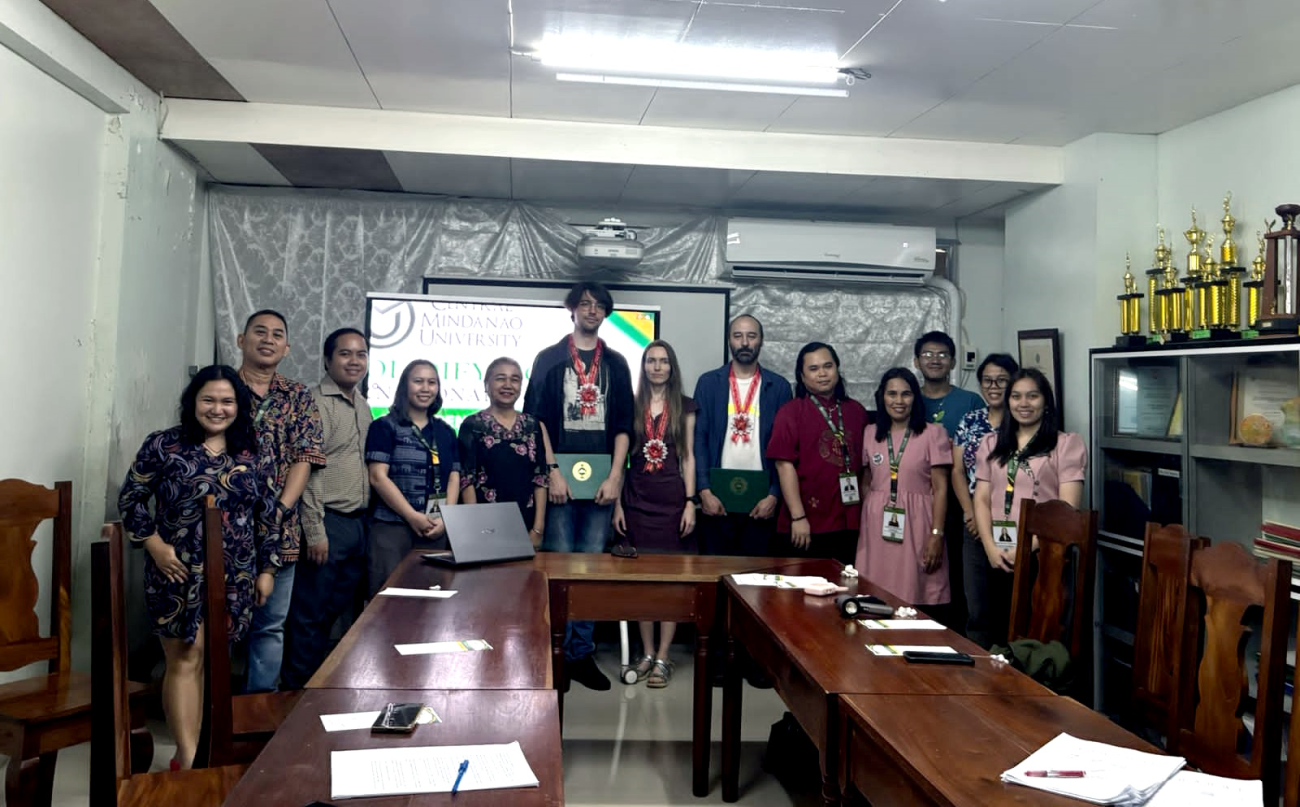
Photo: Participants of the conference at the Faculty of Veterinary Medicine, Central Mindanao University
From November 25 to December 10, 2025, researchers from the A.N. Severtsov Institute of Ecology and Evolution of the Russian Academy of Sciences (IEE RAS) conducted a zoological expedition to the Philippine island of Mindanao, supported by a grant from the Ministry of Science and Higher Education of the Russian Federation. Together with colleagues from Central Mindanao University, a field school was organized for local students.
The expedition included a group of specialists in small mammals (primarily bats, rodents, and insectivores), as well as related endo- and ectoparasites. As part of the educational program, the team held open lectures, practical classes, and a field school, sharing their experiences in biodiversity conservation, taxonomy, and research within the One Health framework. During the field school, students learned practical methods for studying wildlife.
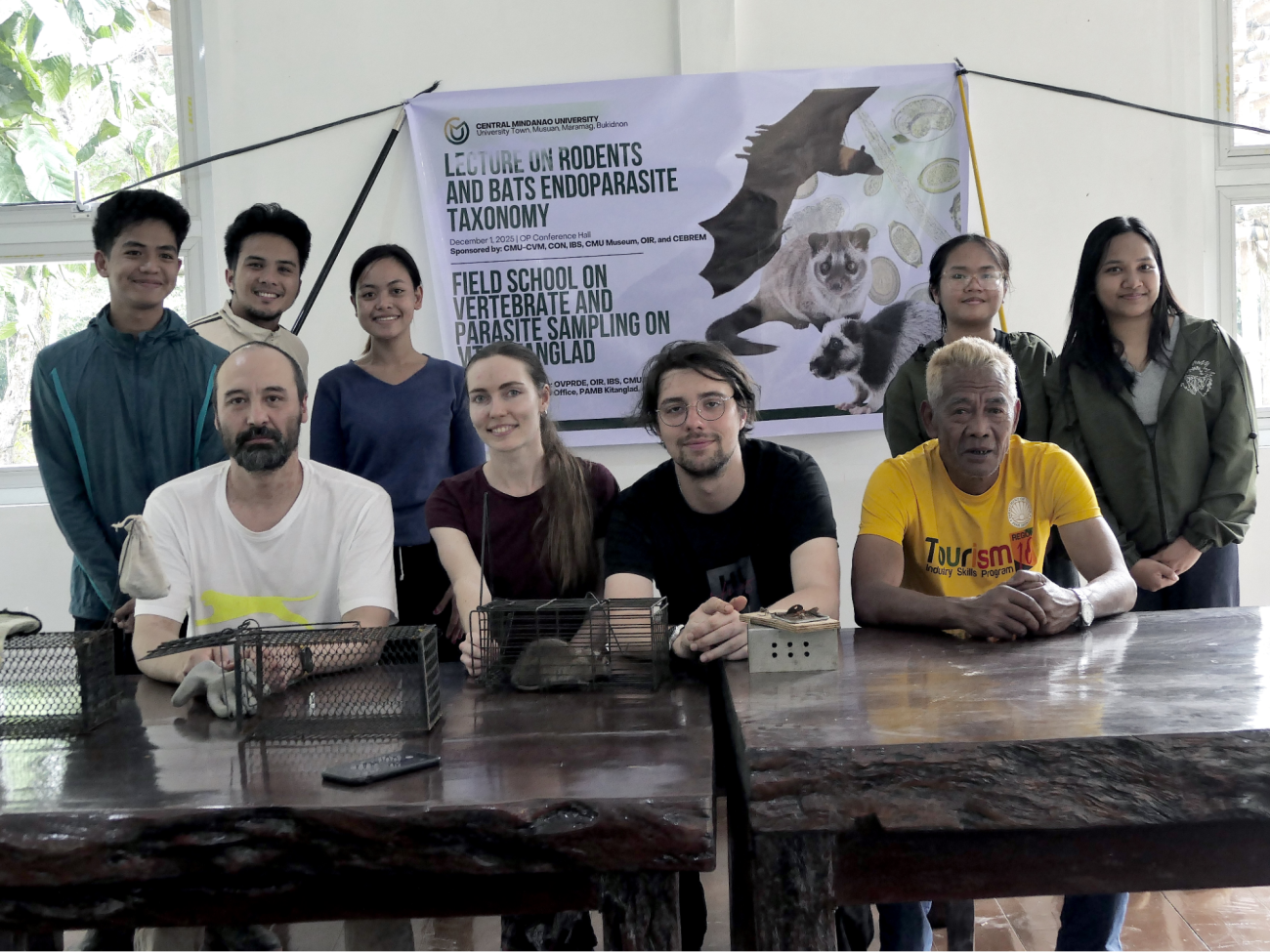
The expedition focused on members of the order Chiroptera — both fruit-eating and insectivorous bats. The work took place in Bukidnon Province, and captures were made in various habitats, both natural and anthropogenically transformed. Sites included the slope of the extinct Musuan volcano, the university campus, and the southeastern part of the Kitanglad Mountain Range National Park.
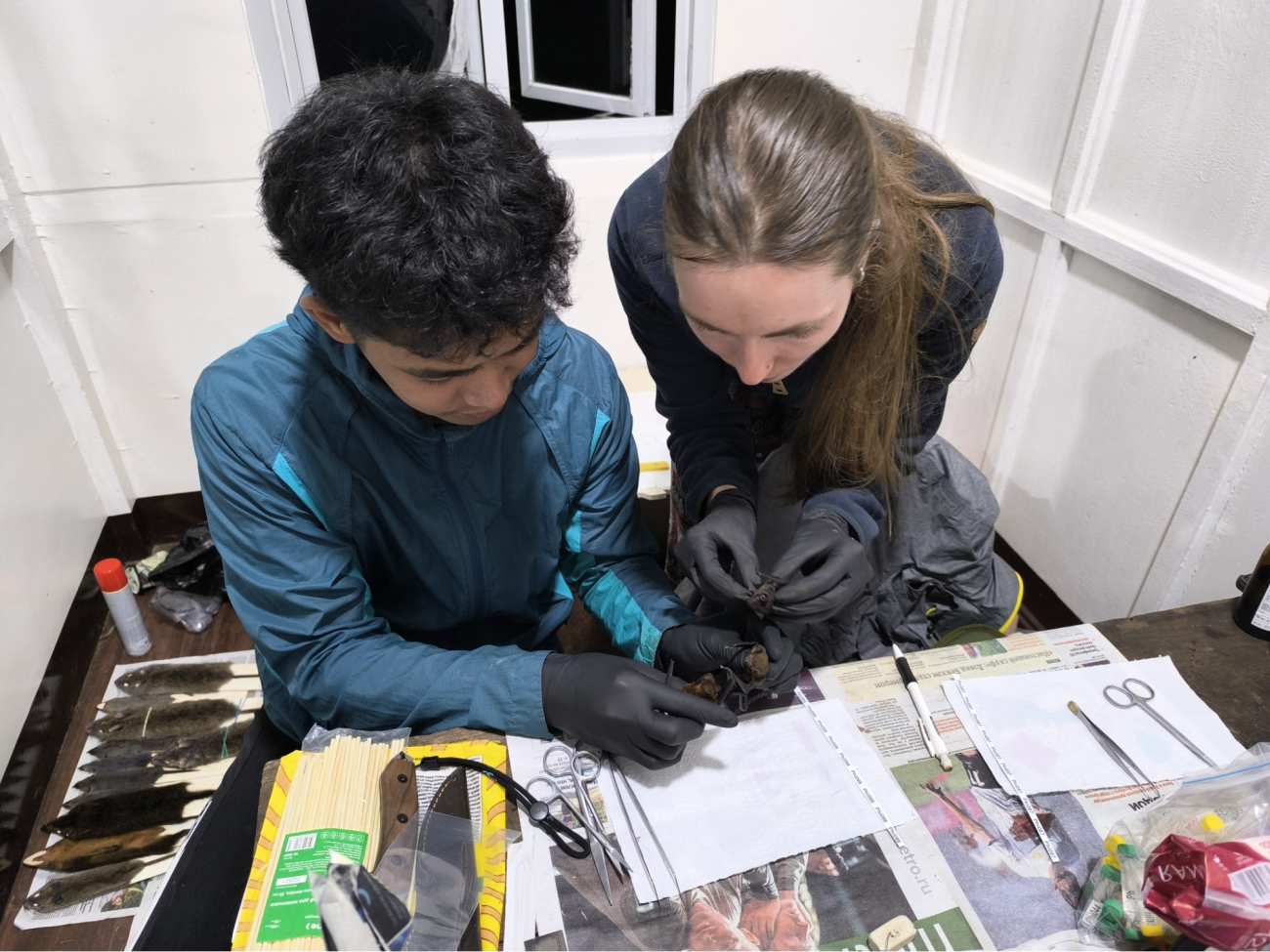
In addition to bats from the families Pteropodidae, Vespertilionidae, and Hipposideridae, several specimens of terrestrial mammal species endemic to the Philippines were captured: the Phillippine forest rat (Rattus everetti) and the Philippine tree shrew (Tupaia everetti), as well as a widely distributed synanthropic species, the Asian house shrew (Suncus murinus). The material collected during the expedition will be used for molecular genetic, helminthological, and virological studies, as well as karyological analysis, to clarify the composition of the fauna and identify potential hidden biodiversity of ecto- and endoparasites and their hosts.
The work was carried out within the framework of the grant of the Ministry of Science and Higher Education of the Russian Federation No. 075-15-2025-654 dated August 21, 2025.