
Scientists have assessed the representation of Russia's natural soils in the system of federal specially protected natural areas
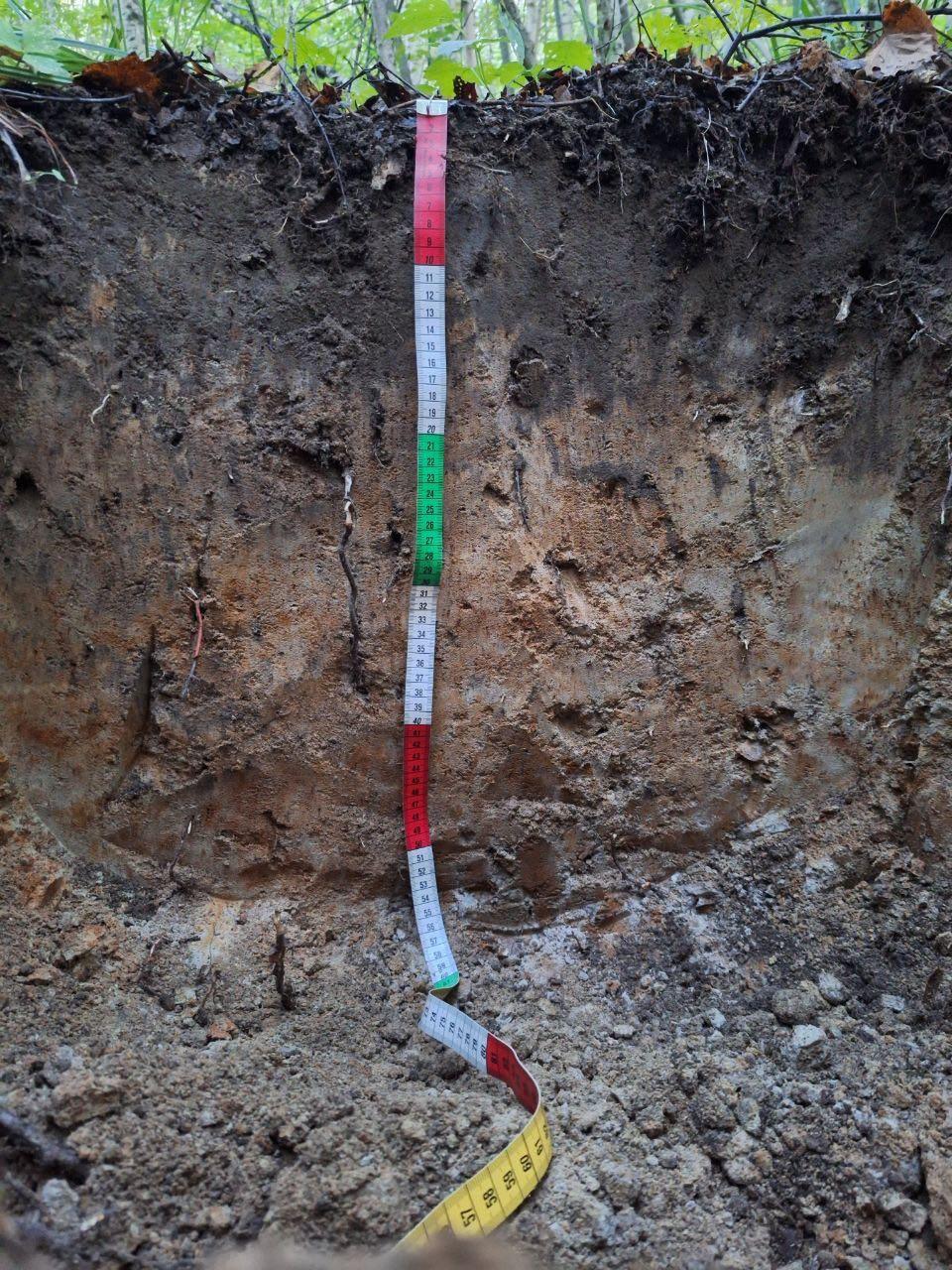
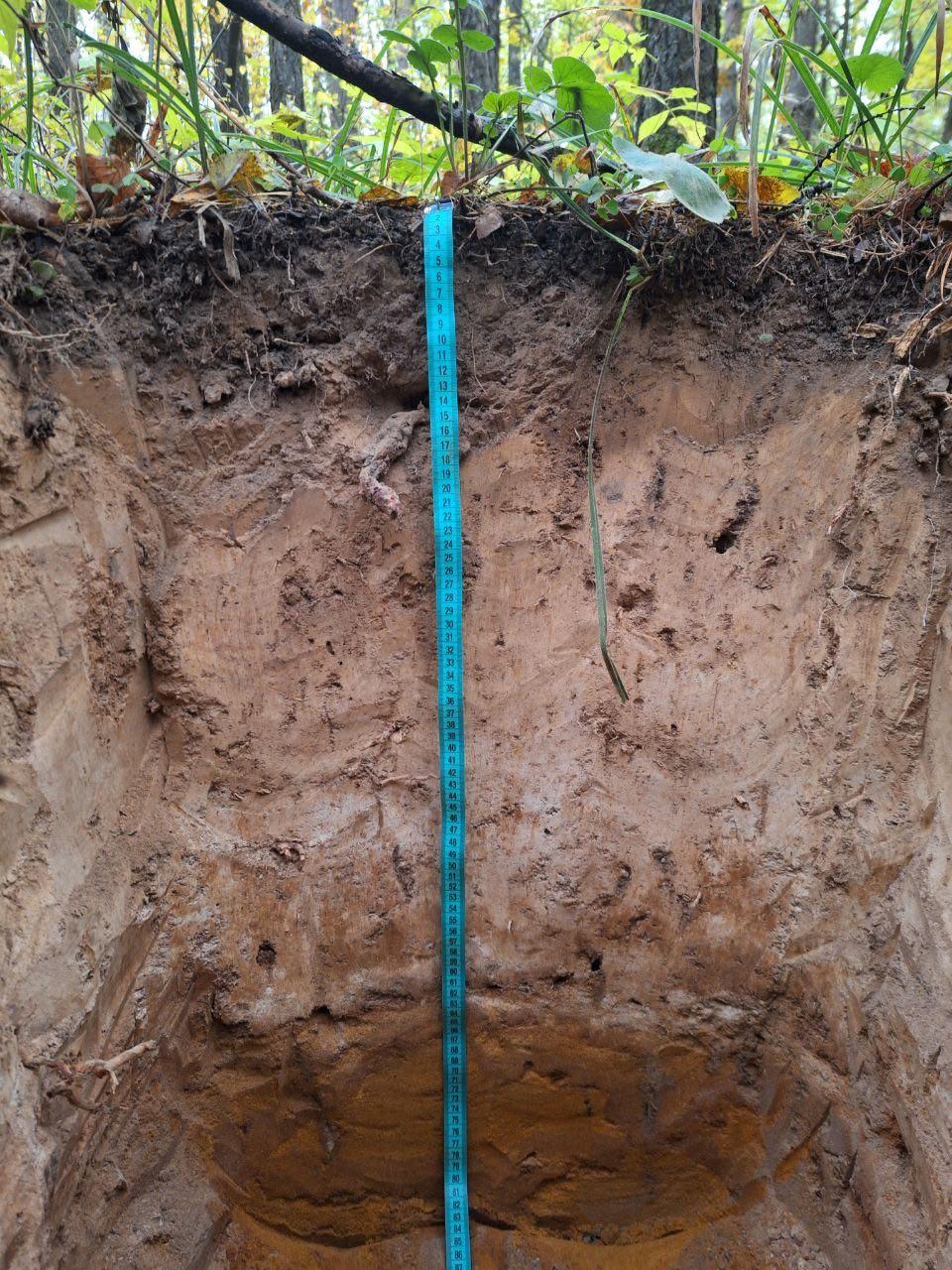
December 5th marks World Soil Day. The soil cover—the pedosphere—is the central link linking the Earth's geosphere and biosphere components. The productive capacity of soils, their environment-forming, gas-, water-regulating, and sanitary functions, are the leading mechanisms that support the existence of ecosystems. The representation of typical soil cover structures of large regions within protected natural areas largely ensures the diversity of natural systems. In the face of significant climate change and increasing anthropogenic impact, protected areas provide a natural basis for establishing permanent environmental monitoring sites.
In a series of studies examining the soil cover of nature reserves, national parks, and federal-level sanctuaries using geoinformation analysis, scientists from the A.N. Severtsov Institute of Ecology and Evolution (IEE RAS) and the Institute of Fundamental Problems of Biology (IFPB RAS) found that these soils are highly representative of the polar zone and adequately representative of the boreal zone. Moving southward, the diversity of natural soils and their corresponding natural complexes in protected areas decreases, reaching minimal values in steppe regions, particularly chernozem ones.
"Many natural chernozems, including the most fertile ones, considered among the most economically valuable soils in the country and the world, are currently not represented in federal protected areas. The most significant areas of such soils are located in the Ciscaucasia and southern Western Siberia. Much of this territory has been altered by economic activity, and the need for environmental and soil monitoring sites is high. However, the capacity to create new large protected areas is limited," says Olga Chernova, PhD in Biology and Senior Researcher at the Laboratory for the Study of Ecological Functions of Soils at the Institute of Ecology and Evolution of the Russian Academy of Sciences.
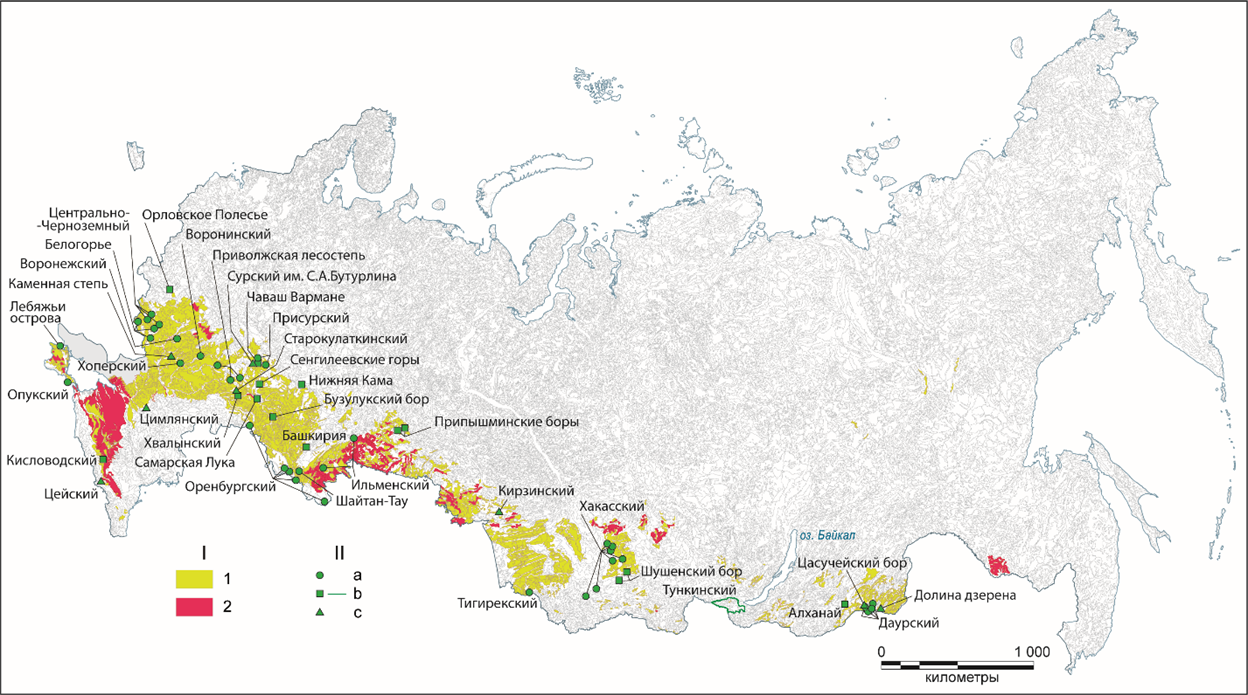
To preserve the last minimally disturbed chernozems of the Ciscaucasia and Western Siberia, it is proposed to survey the soil cover of regional nature reserves and natural monuments and improve the protection of the most representative ones.
Chernova, O. V., Prisyazhnaya, A. A. "Federal Protected Areas of Russia as the Foundation of a National Background Environmental Monitoring System" // InterCarto. InterGIS, 2025. Vol. 31, No. 1, pp. 672-688.