

Cladocera of the genus Moina in Djibouti and Ethiopia: a poor fauna, an unexpected find
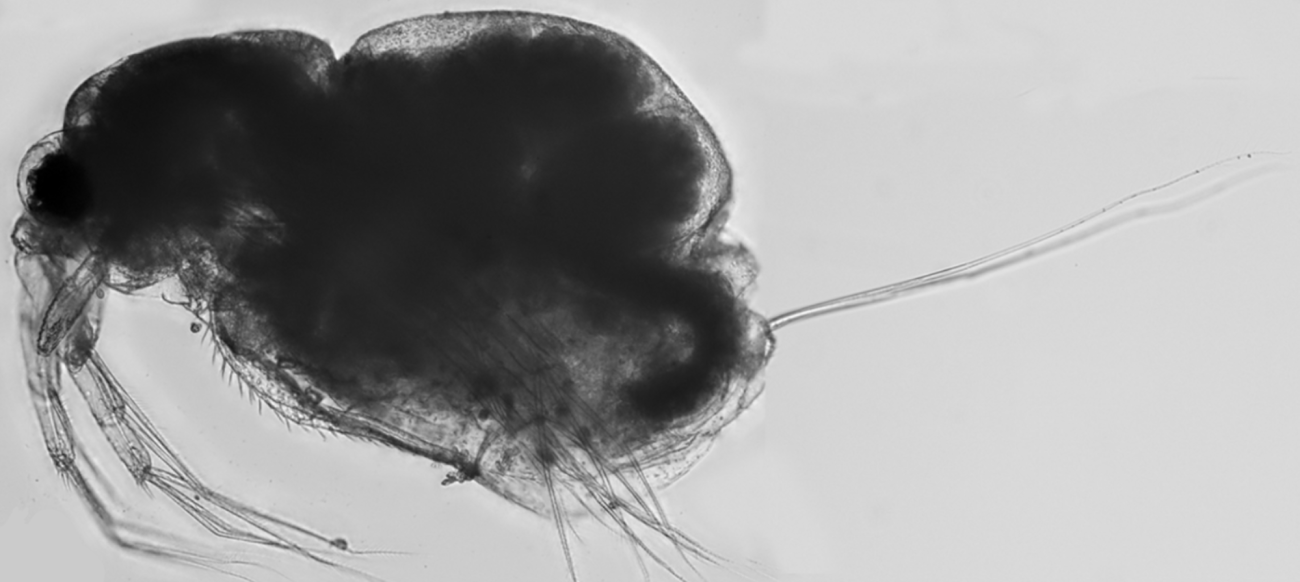
Researchers from the A.N. Severtsov Institute of Ecology and Evolution of the Russian Academy of Sciences (IEE RAS) conducted a comparative analysis of the fauna of cladocerans of the genus Moina, common inhabitants of temporary pools, in Ethiopia and Djibouti, two neighboring countries in the Horn of Africa.
The study revealed that all Ethiopian representatives of the genus Moina belong to two species distinct from the two species found in Djibouti. The Djiboutian Moina were examined in more detail using high-throughput sequencing methods. Both mitochondrial and nuclear markers indicate the unexpected affiliation of one studied population with Moina heilongjiangensis, a species recently described from China.
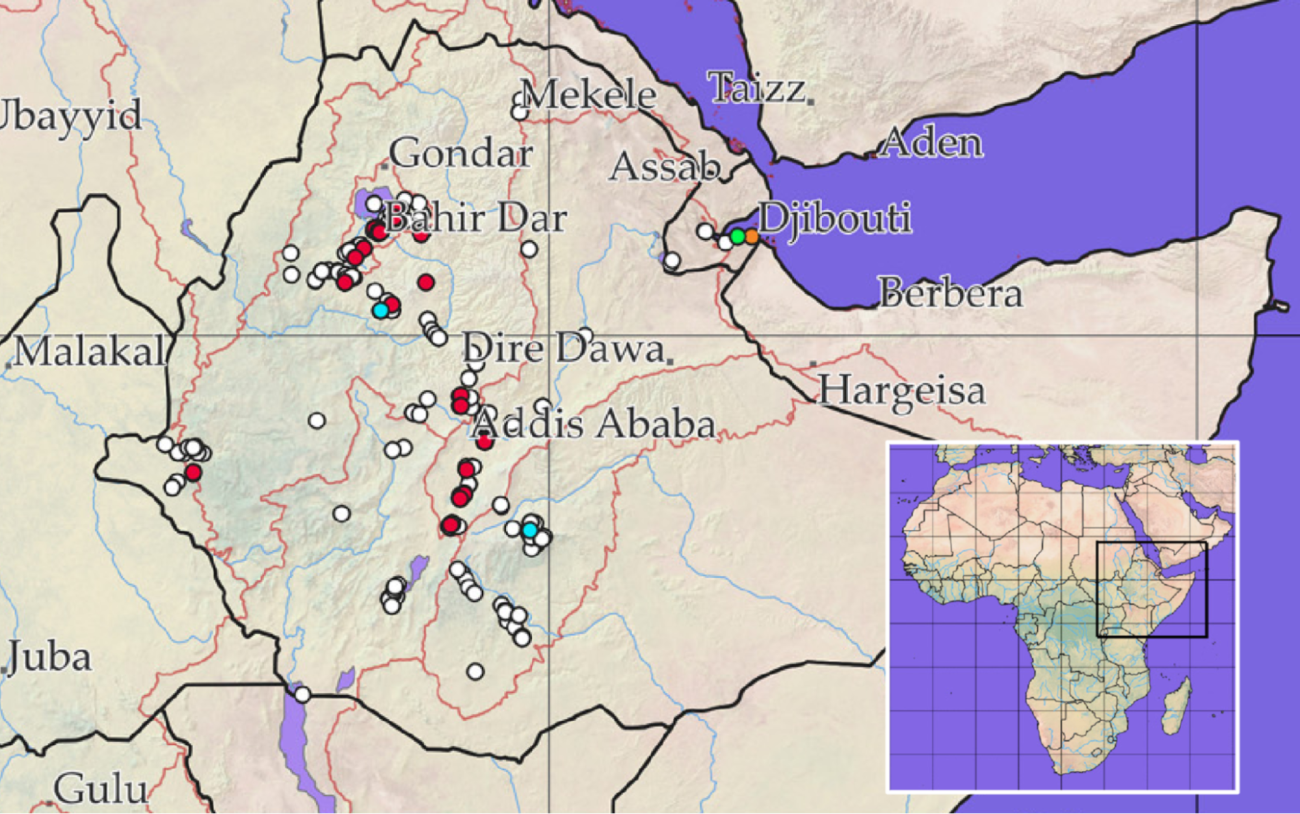
“Although we don’t know the exact range of this species, the invasive status of the Djiboutian population cannot be ruled out,” says Dmitry Pereboev, a junior researcher at the Institute of Ecology and Evolution of the Russian Academy of Sciences.
This study has important implications for understanding African ecosystems and conserving their biodiversity. The results are also important for studying the role of cladocerans in ecosystems and their biogeography. The genomic data may be useful for taxonomists and biologists in other fields. The study was published in the journal "Water" and was supported by the Ministry of Science and Higher Education of the Russian Federation (Agreement No. 075-15-2024-649).
Research publication: Dmitry D. Pereboev, Anna N. Neretina, Petr G. Garibian, Boris D. Efeykin, Idriss Okiye Waais, Alexey A. Kotov, "Contrasting Fauna in Two Neighboring Territories of the African Horn: A Case of the Genus Moina Baird, 1850 (Cladocera: Moinidae), 2025, 17(22), 3312.