

Data has been obtained on the impact of tourism on the life of the Baikal endemic seal
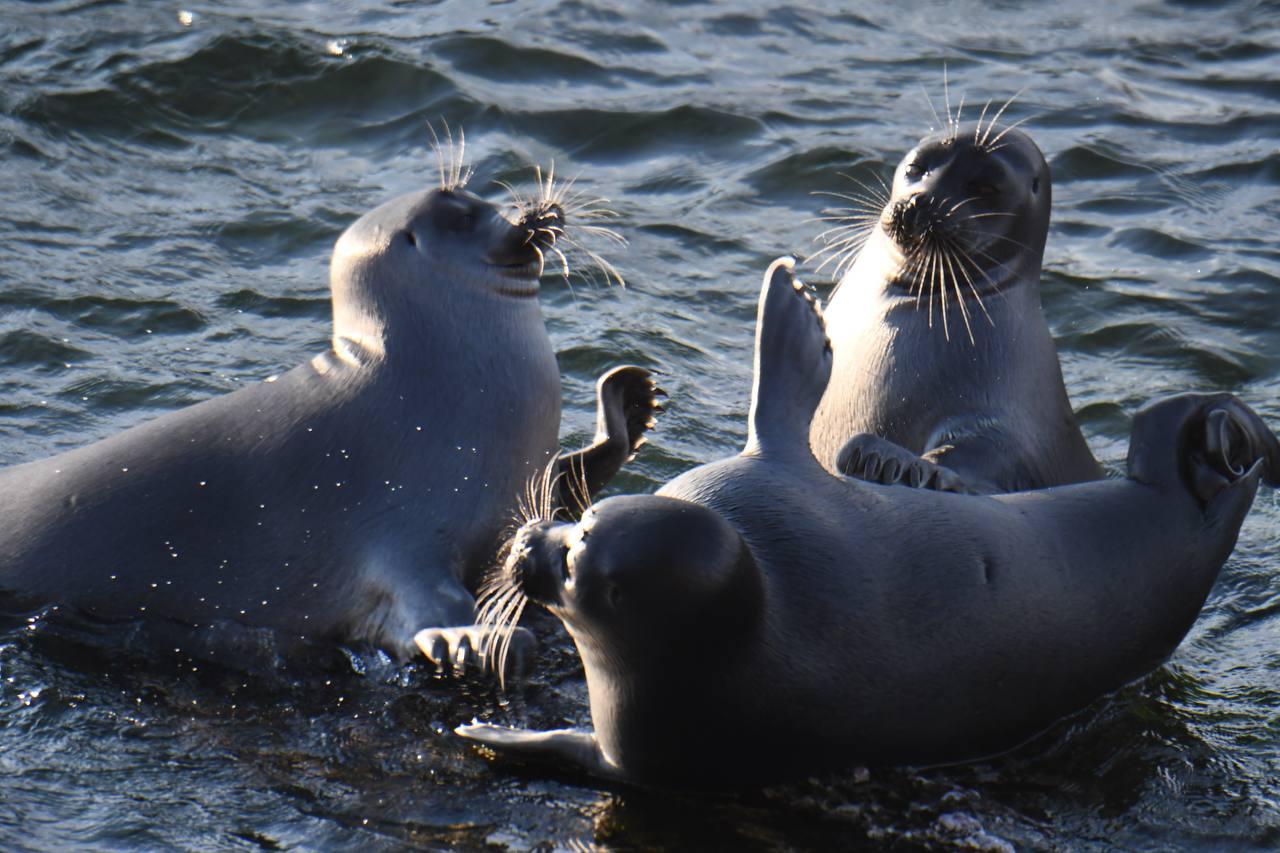
Scientists from the A.N. Severtsov Institute of Ecology and Evolution of the Russian Academy of Sciences (IEE RAS), together with experts from the Lake Baikal Foundation, have compiled the results of an expedition to study the Baikal seal. The expedition, which took place in the summer of 2025, focused on studying this key endemic species of Lake Baikal. Dozens of days of challenging research in the seal's habitats and hundreds of hours of observation will reveal how humans influence the seal's life.
The comprehensive expedition to study the Baikal seal, a species of seal found exclusively in the waters of Lake Baikal, took place from June 16 to July 31, 2025, on the Ushkany Islands archipelago, the main summer rookery site for these animals. Researchers will need approximately another year to process all the data collected during the expedition.
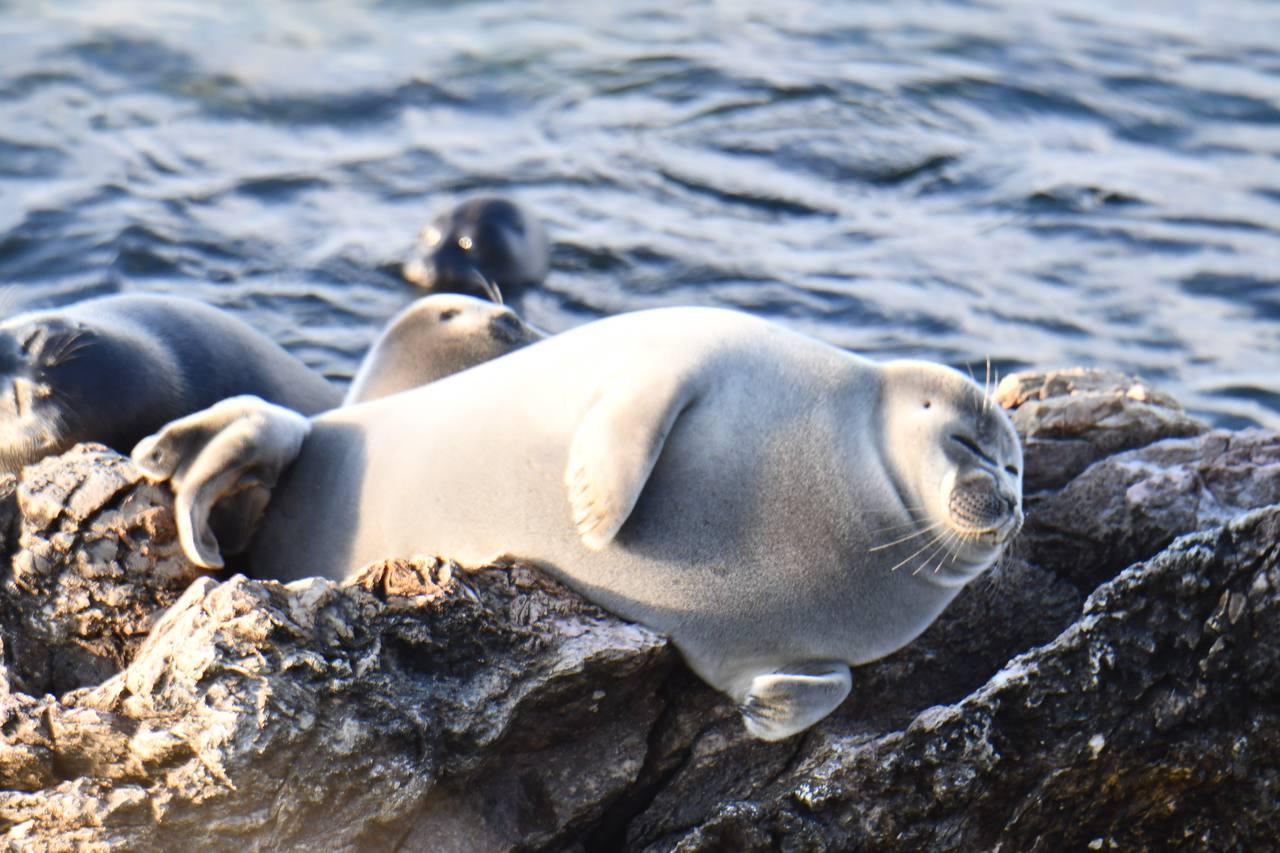
The expedition focused on two areas: observation and humane capture of the animals. To study the seals from a distance (to determine their numbers and observe their behavior), 41 ground-based visual observations and 44 overflights were conducted using a DJI Air 3 drone. Drones are indispensable aids to science in such expeditions, as they can gather information without attracting the attention of the subjects. In the case of the seals, the drone flights were conducted at altitudes of 60 to 140 meters.
The scientists paid special attention to studying the seals' behavior. This painstaking and careful work required 696 time slices totaling over 103 hours. The collected data (video and photos) will now be carefully reviewed and analyzed to identify all the seals' behavioral characteristics.
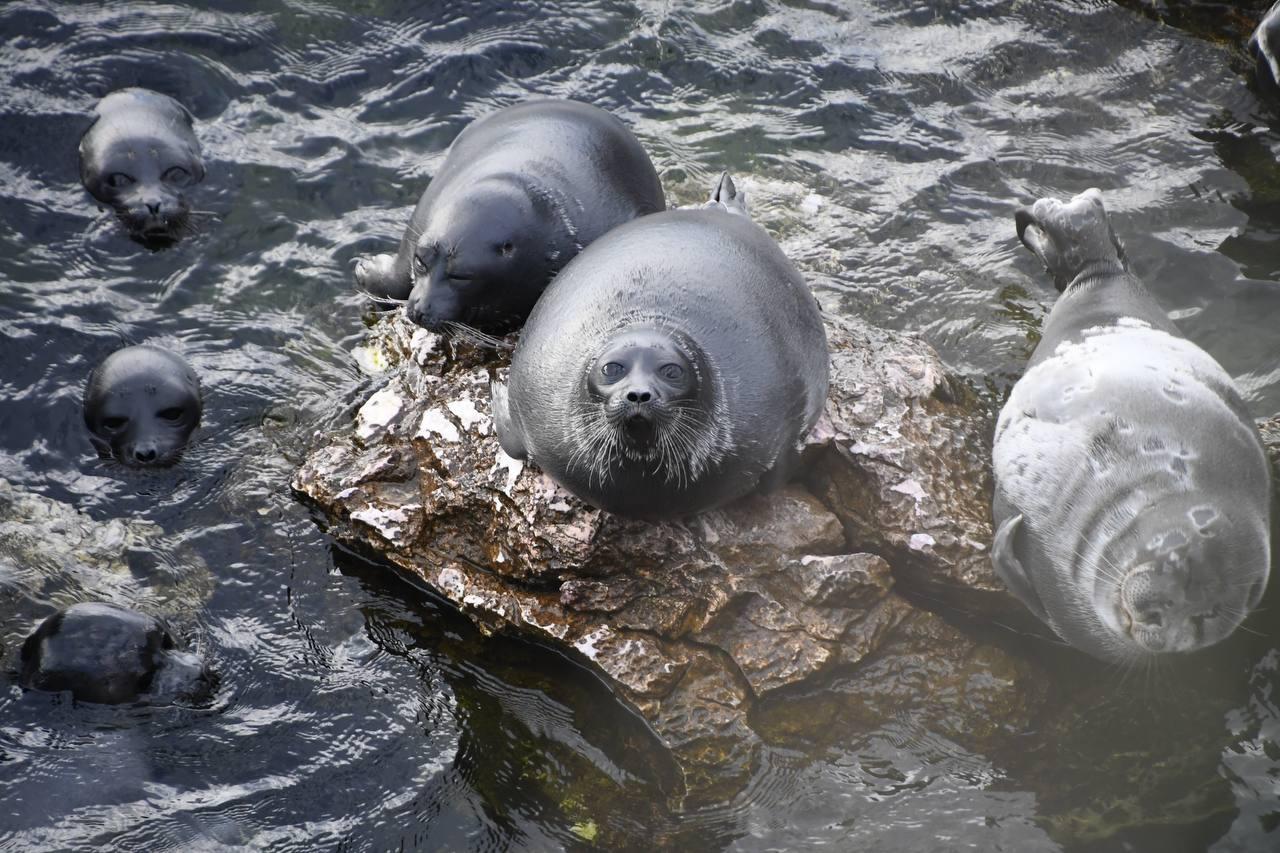
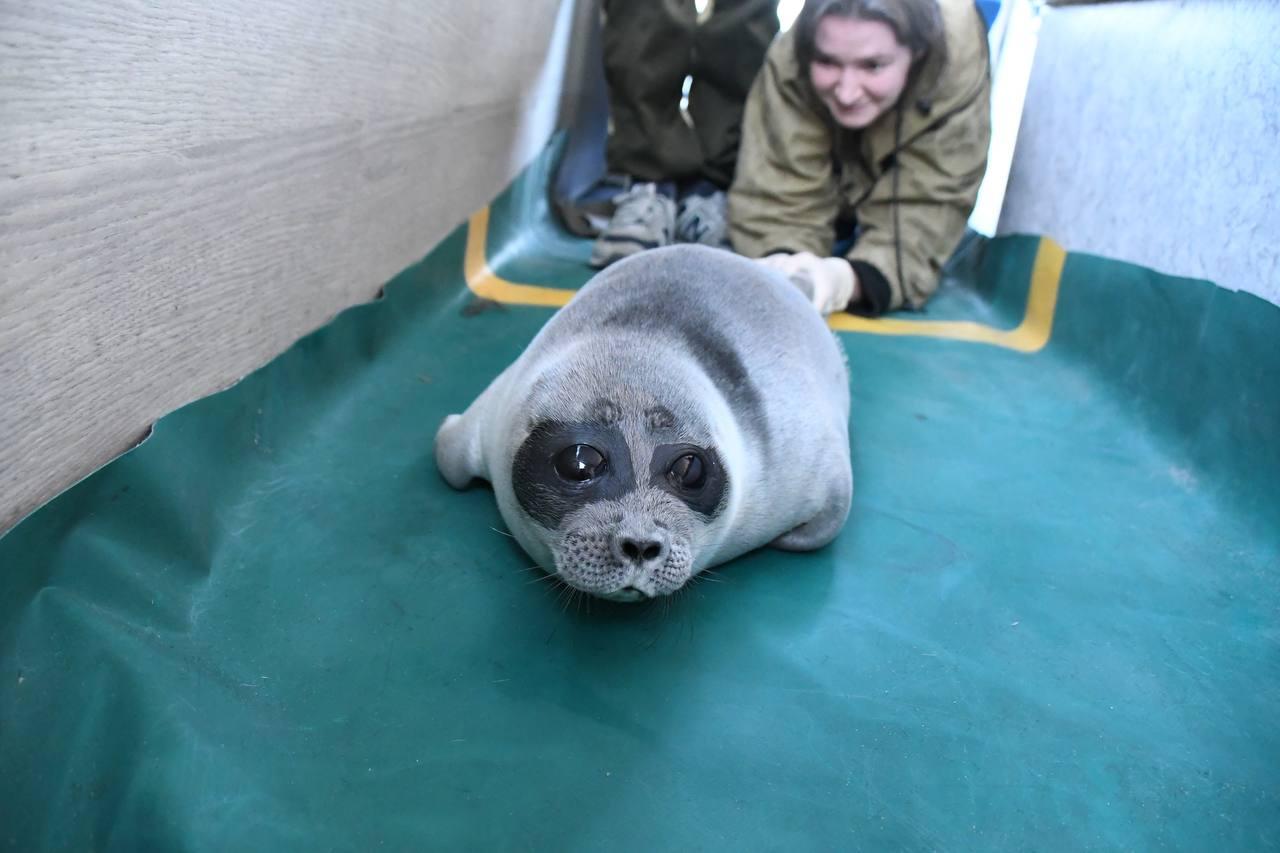
During fieldwork, scientists managed to carefully and humanely capture 20 seals: 9 males and 11 females of various ages. Fifteen of them were tagged with Pulsar satellite tags from the Argos system. These tags operate 24/7 and allow scientists to monitor the animals' movements in real time.
Approximately 300 biomaterial samples (whole blood, blood plasma, hair, and whiskers) were collected from the captured animals. All samples were collected using gentle methods without the use of sedation.
During a survey of the coast of the Ushkany Islands, the scientists found 15 dead seals. Samples were also taken from the dead animals to investigate the possible causes of death.
"The Lake Baikal Foundation has been systematically studying the Baikal seal for several years, together with leading scientists from the Institute of Ecology and Evolution of the Russian Academy of Sciences," notes Anastasia Tsvetkova, General Director of the Lake Baikal Foundation.
As a reminder, 2025 marks the release of the first popular science film about the life of the Baikal seal. The film, "Seal and Man," is available for free viewing and tells the story of the noble mission and difficult work of caring people trying to preserve Lake Baikal's natural environment.
The materials collected during the summer expedition have been transferred to the laboratories of the Institute of Ecology and Evolution of the Russian Academy of Sciences for detailed analysis. The results will form the basis for scientifically based measures to conserve the Baikal seal population in the face of increasing anthropogenic pressure. However, its obvious and often negative impact is already being recognized. For example, due to the increased tourist flow to Lake Baikal, there are more boats, and the animals are being frightened more frequently.
It should be noted that Nikon D7500 and D500 cameras, Levenhuk 8×42 and Nikon 10×50 binoculars were used for visual observations during the summer expedition; weather conditions were recorded with a Megeon 11030 anemometer, and noise levels were measured with a Megeon 92022 sound meter.
Related materials:
Mail.News: "Zoologists are investigating the causes of the death of Baikal seals"